Quick Facts
- Best Time to Visit: Year-round. Choose summer (July–August) for lake life and festivals; spring or autumn for vineyards and mild hiking; winter for magical Alpine vistas and the ultimate fondue weather.
- Top 3 Must-Dos: Witness the 140-meter Jet d’Eau, wander the cobblestones of the Vieille Ville (Old Town), and enjoy a sunset fondue at Bains des Pâquis.
- The Vibe: A sophisticated tapestry of 196 nationalities, blending the high-stakes world of international diplomacy with a relaxed, lakeside "art de vivre."
- Getting Around: Efficient and often free. Most hotels provide a Geneva Transport Card for unlimited use of buses, trams, and water taxis.
Between the jagged peaks of the Jura and the stoic grandeur of the Alps lies a city that breathes a peculiar kind of serenity. Geneva, often heralded as the "Peace Capital," is far more than a sterile hub of diplomacy and high-octane finance. It is a city defined by the element of water—specifically the crystal-blue expanse of Lac Léman (Lake Geneva)—and a rhythmic elegance that shifts gracefully with the seasons.
With 196 different nationalities woven into its social fabric, Geneva is arguably the most multicultural corner of Switzerland. This diversity manifests in its kitchens, its street art, and the polyglot hum of its cafes. Whether you are chasing the golden light of an Alpine autumn or the glitter of a lakeside summer, Geneva offers a refined sanctuary for the curious traveler.
When to Visit: A Seasonal Perspective
Geneva’s beauty is a shifting target, offering distinct rewards depending on when you arrive:
- Summer (July–August): The city becomes an outdoor playground. The lake temperature is perfect for a dip, and the "Cinéma du Lac" and various music festivals turn the waterfront into a vibrant social theater.
- Spring & Autumn: These are the seasons for the senses. In spring, the Botanical Gardens are an explosion of flora; in autumn, the nearby vineyards of Satigny turn a brilliant gold, offering the perfect backdrop for a wine-tasting hike.
- Winter (December–February): While the air is crisp, the city glows with festive markets and the warmth of a hundred fondue pots. It is the gateway to the world’s best ski resorts, but the city itself remains enchanting under a possible dusting of snow.
1. Marvel at the Jet d’Eau & Cruise Lac Léman
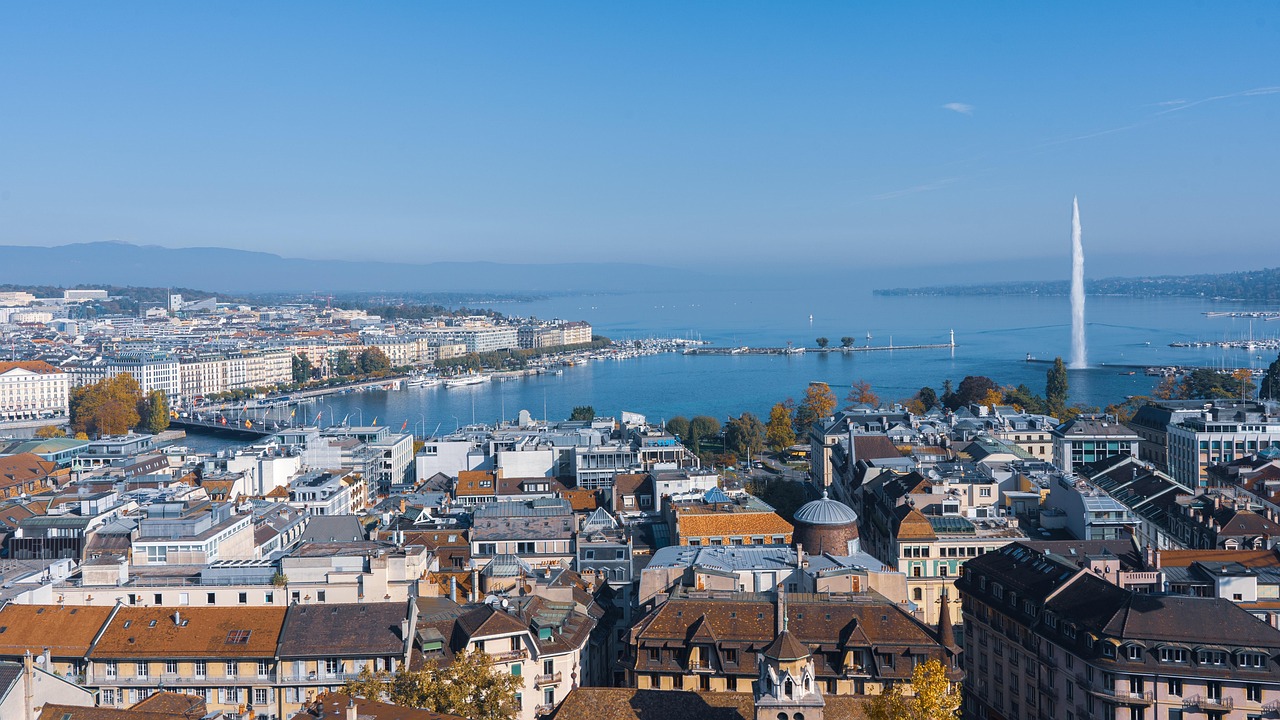
Every journey in Geneva inevitably begins at the water’s edge. The Jet d’Eau is not merely a fountain; it is a pulse. Rising like a white plume against the blue sky, it jets 500 liters of water per second to a staggering height of 140 meters. Originally a safety valve for a hydraulic power network, it has become the city's undisputed icon.
To truly feel its power, you must take to the water. The Mouettes Genevoises—vibrant yellow water taxis—shuttle locals and visitors across the harbor. For a more leisurely experience, a private cruise on a Belle Époque paddle steamer offers a panoramic view of the grand villas lining the shore and the Mont Blanc massif looming in the distance.
Seasonal Tip: In summer, the mist from the fountain provides a welcome "natural air conditioning." In winter, the fountain is often illuminated earlier, casting a ghostly, beautiful glow over the dark lake.
2. Get Lost in the Vieille Ville (Old Town)
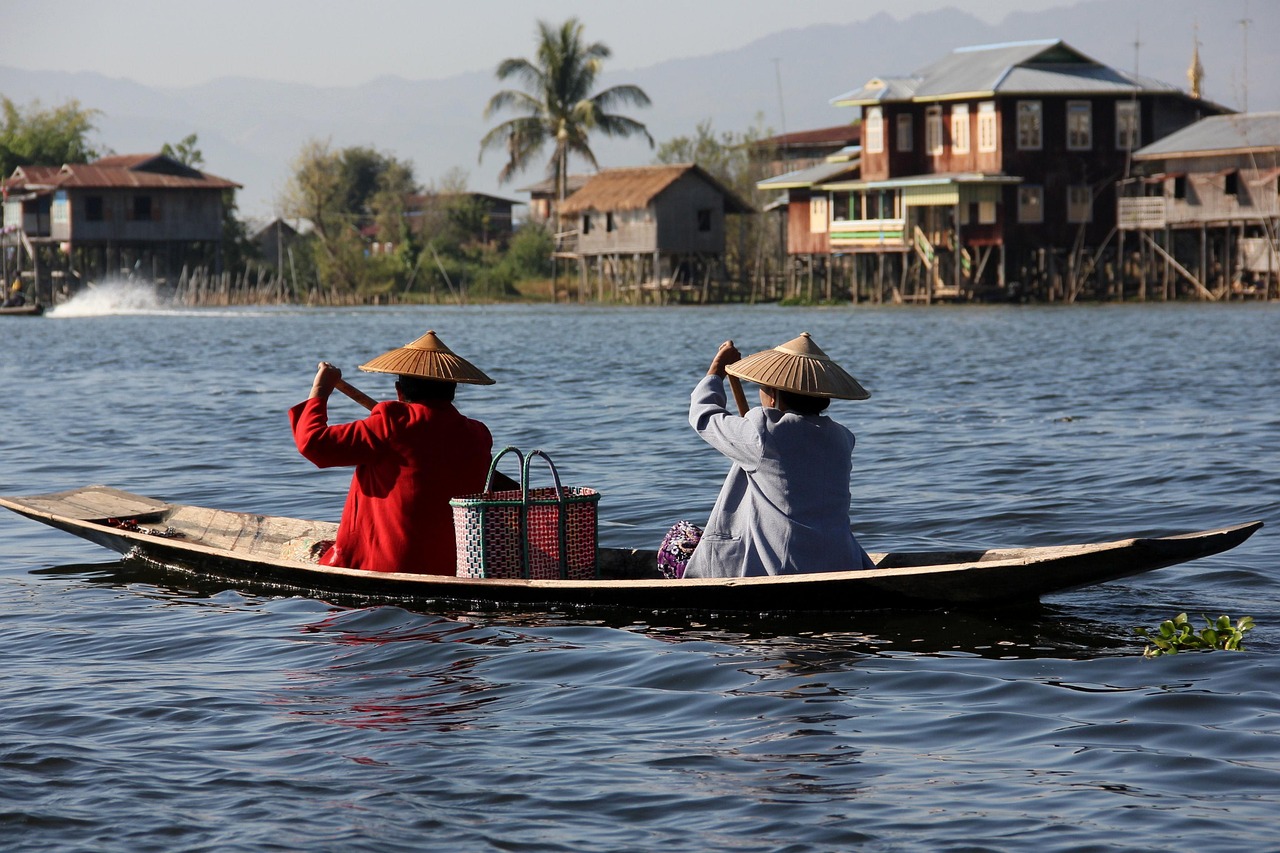
Perched on a hill overlooking the lake, Geneva’s Old Town is a labyrinth of secret courtyards and ancient stones. This is the historic heart of the city, where the spirit of the Reformation still lingers in the shadows. Begin at the Place Bourg-de-Four, the oldest square in Geneva, once a Roman forum and now a charming spot for a café au lait.
Don’t miss Maison Tavel, the oldest private residence in the city, which now serves as a museum of urban history. Its stone facade and vaulted cellars tell stories of a Geneva before the glass and steel of the UN buildings arrived.
3. Climb the Cathédrale Saint-Pierre
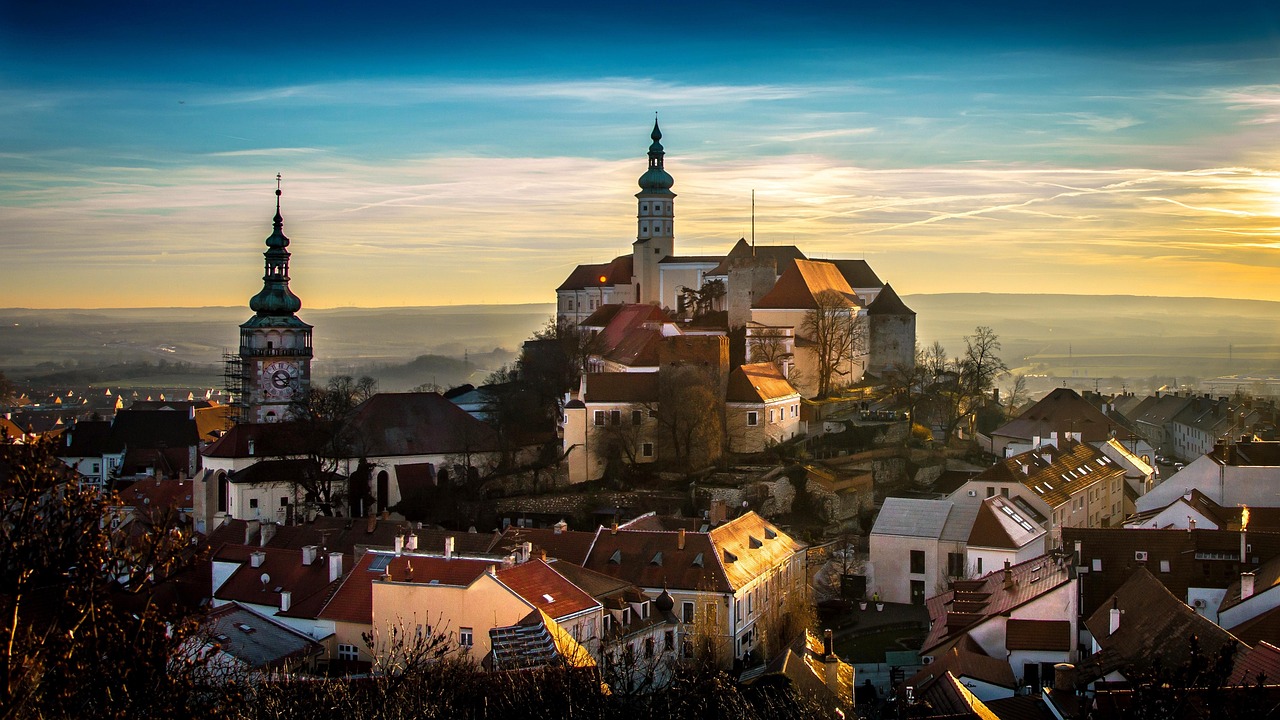
Dominating the skyline of the Old Town, the Cathédrale Saint-Pierre is a fascinating architectural hybrid, sporting a neoclassical portico and Gothic spires. It was here that John Calvin preached, cementing Geneva’s role as the "Protestant Rome."
For those willing to endure the 157 narrow, winding steps of the north and south towers, the reward is the finest view in the city. From the top, you can see the layout of the medieval streets, the sprawling lake, and the Jura mountains stretching toward France. Beneath the cathedral, an extensive archaeological site reveals Roman mosaics and a 4th-century baptistery, proving that Geneva’s roots run deep.
4. Experience the Dual Personality of Bains des Pâquis
There is no place more "Genevois" than the Bains des Pâquis. Built on a pier on the right bank of the lake, this public bathhouse is the soul of the city’s social life. Its beauty lies in its adaptability.
- In Summer: It is a sun-drenched sanctuary. You’ll find locals diving into the lake, practicing yoga at dawn, or enjoying cheap, healthy lunches at the refreshment stall.
- In Winter: The vibe shifts toward cozy hibernation. The changing rooms become saunas and Turkish baths, and the outdoor terrace is enclosed to host what many consider the best fondue in Geneva—served with a view of the lighthouse and the shivering lake.
5. Explore the Palais des Nations (UN Headquarters)
Crossing the threshold of the Palais des Nations feels like stepping into a microcosm of the world. As the European headquarters of the United Nations, this complex is where global history is written daily. Walking through the Assembly Hall and the Council Chamber, decorated with murals depicting the struggle for peace, is a sobering and inspiring experience.
Outside the main gates stands the Broken Chair, a monumental wooden sculpture by Daniel Berset. With its fourth leg shattered, it serves as a powerful reminder of the victims of landmines and a call for international dignity.
Visitor Note: You must bring a valid passport to enter for a guided tour. Booking in advance is highly recommended as slots fill up quickly with visiting dignitaries and curious travelers alike.
6. Immerse Yourself in Watchmaking History
Geneva is the undisputed cradle of haute horlogerie. To understand why the world looks to Switzerland for the measurement of time, a visit to the Patek Philippe Museum is essential. Housed in a beautifully restored Art Deco building, it contains over five centuries of horological history.
The collection is staggering: from the earliest portable watches—often disguised as ornate jewelry or skulls—to the most complex mechanical timepieces ever created. It is a testament to the Swiss "savoir-faire," a meticulous blend of engineering and art that has defined the region since the 16th century.
7. Wander Through Carouge (The 'Italian' Geneva)
Just a short tram ride from the center lies Carouge, a district that feels like a Mediterranean daydream. Designed by Italian architects in the 18th century for the King of Sardinia, its secret gardens, interior courtyards, and pastel-hued shutters offer a bohemian contrast to Geneva's more austere northern quarters.
Carouge is the haunt of artisans, glassblowers, and antique restorers. On Saturdays, the market at Place du Marché comes alive with fresh produce and the scent of roasting chestnuts in the winter.
- Best For: Romantic dinners and boutique shopping.
- Don't Miss: The "Cinema Bio," an independent theater that captures the district’s retro charm.
8. Indulge in Swiss Chocolate (The Choco Pass)
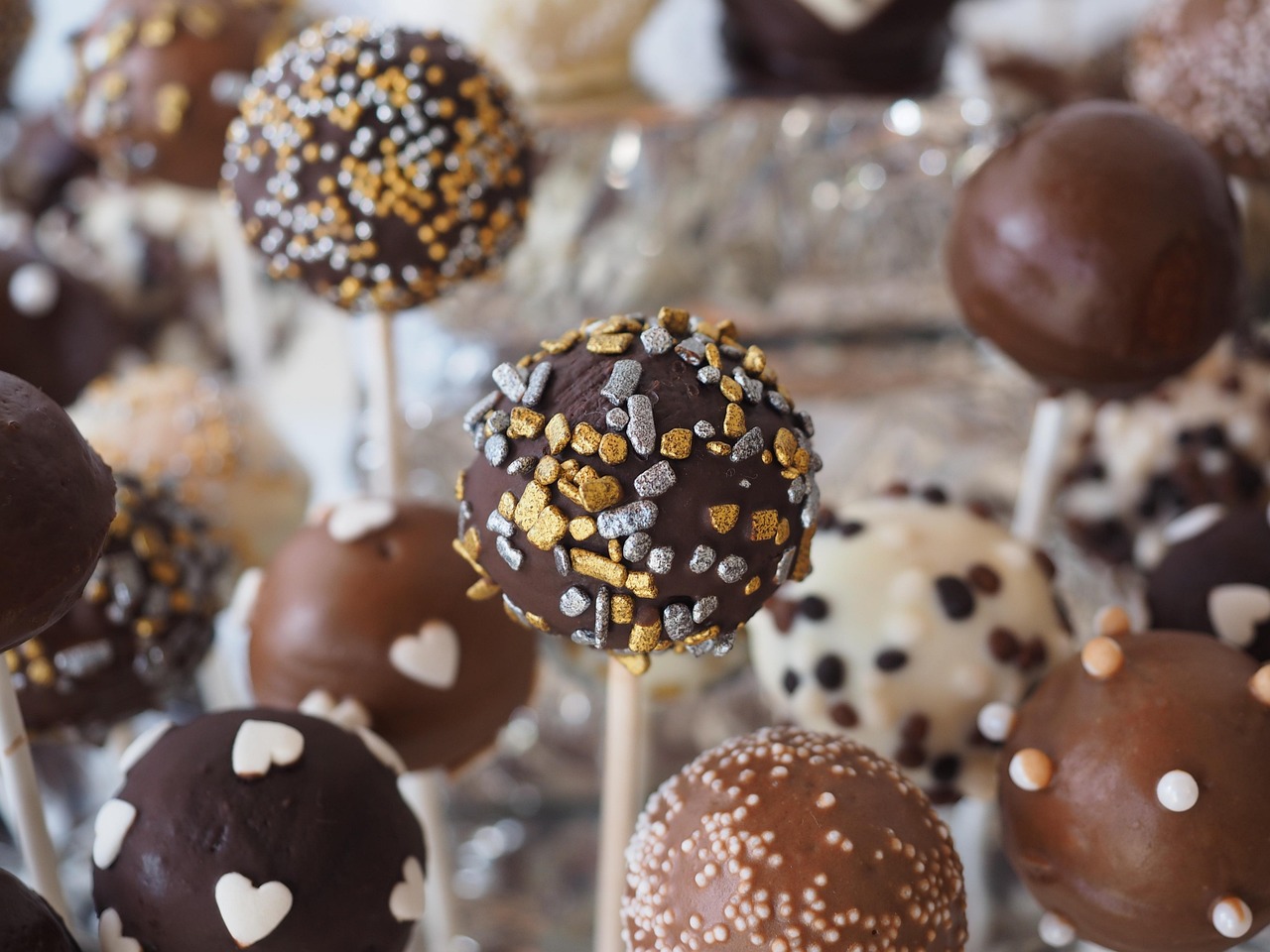
You cannot visit Geneva without surrendering to its most famous export. While the city is home to legendary names like Favarger and Du Rhône, the modern way to experience this culinary heritage is the Choco Pass.
This 24-hour pass allows you to visit several of the city’s premier chocolatiers for a curated tasting. At La Bonbonnière, you might sample a velvety grand cru ganache; at Stettler, perhaps the famous "Pavés de Genève." It is a sensory journey that highlights the evolution of chocolate from a royal luxury to a refined art form.
Purchase Your Choco Pass Here →
9. Witness the Convergence at La Jonction
For a display of nature’s raw aesthetics, head to La Jonction. This is the precise point where the Rhône and Arve rivers meet. The Rhône flows clear and turquoise from Lake Geneva, while the Arve, originating from the glaciers of the Chamonix valley, is a turbid, silt-laden grey.
For several hundred meters, the two rivers flow side-by-side in the same channel without mixing, creating a striking two-tone ribbon of water. It is a favorite spot for local "river swimming" in the summer, where daring residents float downstream on colorful inflatables.
10. Relax at the Botanical Gardens & Conservatory
Geneva’s Jardin Botanique is an oasis of biodiversity just steps from the UN district. Sprawling across 28 hectares, it houses over 16,000 plant species. The historic glass greenhouses are a marvel of 19th-century architecture, sheltering exotic orchids and tropical palms.
Olivia’s Tip: If you’re visiting in the spring, the rock garden is a must-see as the Alpine flora begins to bloom. In winter, the humid warmth of the greenhouses provides a tropical escape from the biting Bise wind.
11. Walk the Reformation Wall in Parc des Bastions
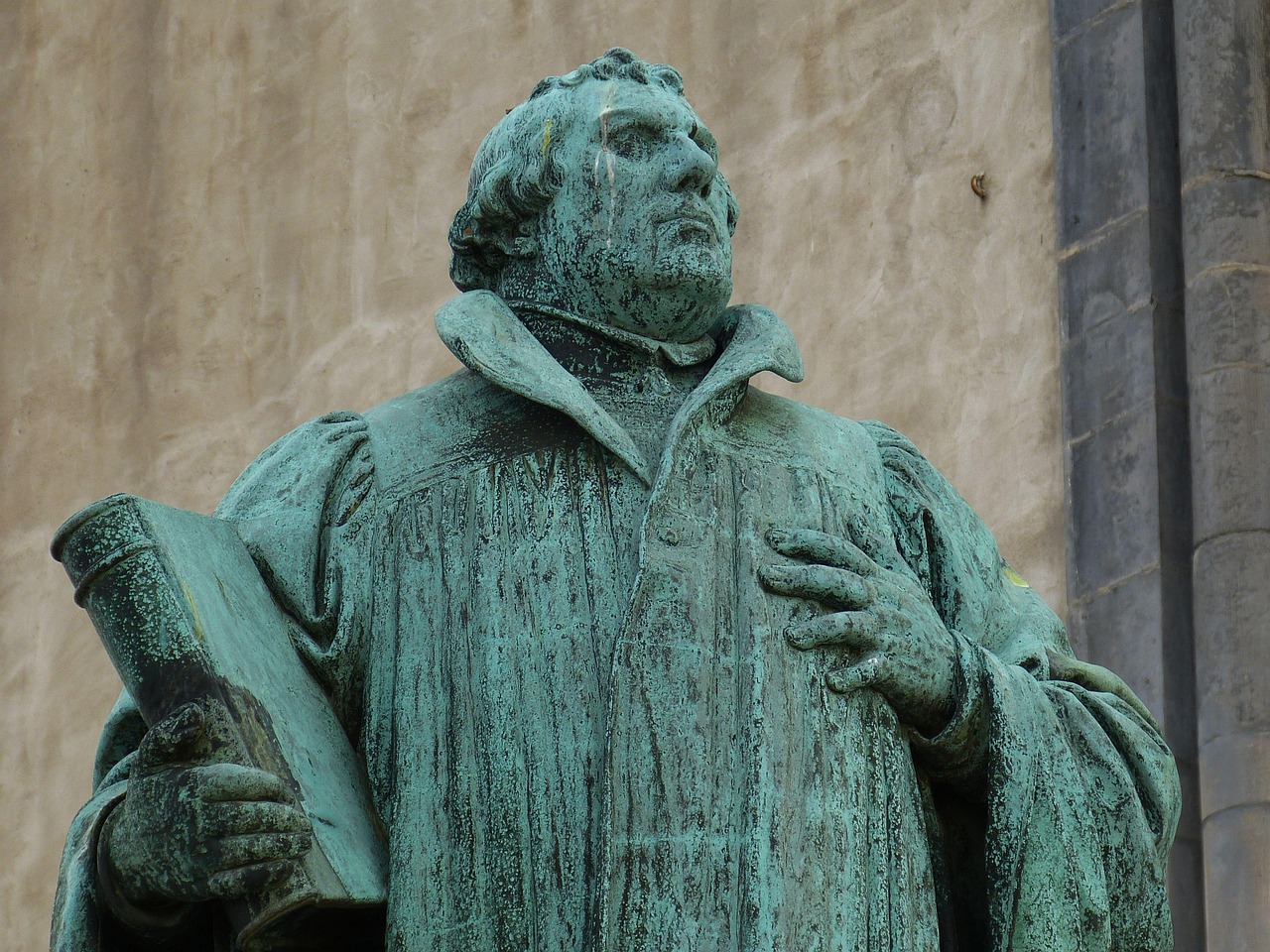
The Parc des Bastions is the city’s grandest green space, home to the University of Geneva and the monumental Reformation Wall. Built into the old city walls, this massive stone relief honors the giants of the Protestant Reformation—Calvin, Farel, Beza, and Knox.
The park is a hub of local leisure. You’ll see students lounging on the grass and retirees playing high-stakes games on the giant outdoor chessboards near the entrance. In autumn, the canopy of trees turns a fiery orange, making it the most photogenic spot in the city.
12. Luxury Shopping on Rue du Rhône
Even if your budget doesn't stretch to six-figure timepieces or designer couture, a stroll down Rue du Rhône is a masterclass in luxury presentation. This is where the world’s most prestigious brands—Chanel, Hermès, Louis Vuitton—display their latest collections in windows that are works of art in themselves.
The "savoir-faire" extends beyond the products to the service and the atmosphere. It is the center of Geneva’s opulence, where the glitter of the jewelry stores competes with the sunlight reflecting off the lake just one block away.
Practical Travel Tips for Geneva
- Free Transport: Don't pay for a tram ticket. If you stay in a hotel, hostel, or campsite, you are entitled to the Geneva Transport Card, which covers all public transport within the city for the duration of your stay.
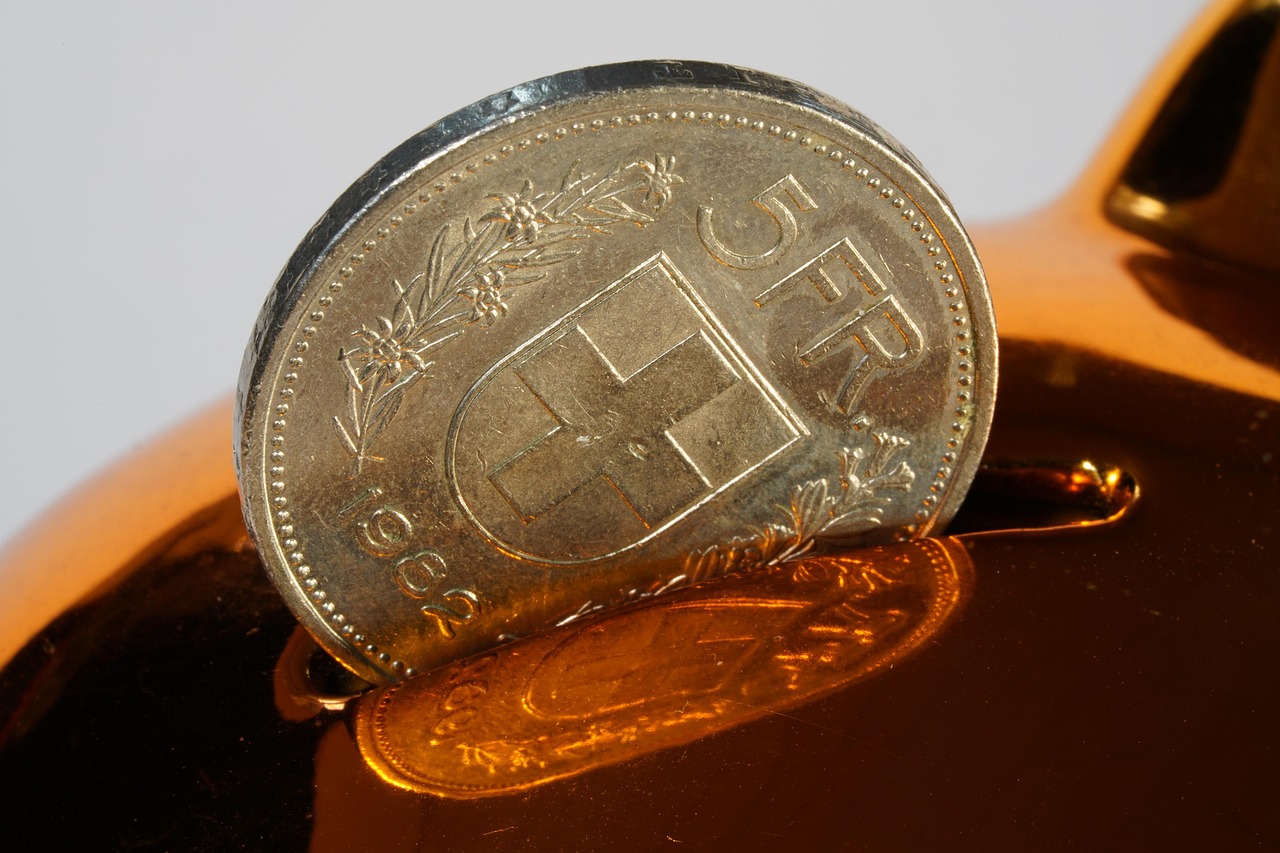
- Currency: Switzerland uses the Swiss Franc (CHF). While Euros are often accepted in larger shops, the exchange rate will be poor. Contactless card payment is ubiquitous.
- Day Trips: If you have an extra day, take the bus to the base of Mont Salève just across the French border. A cable car whisks you to the summit for a bird’s-eye view of Geneva and the Alps. Alternatively, a boat trip to the medieval French village of Yvoire is a fairytale experience.
FAQ: Planning Your Geneva Trip
Is Geneva expensive for travelers? Geneva is one of the world's most expensive cities, but it can be managed. Utilize the free transport card, enjoy the many free parks and museums (like Maison Tavel), and opt for lunch specials (plat du jour) at local bistros or the affordable, high-quality food at Bains des Pâquis.
How many days do I need in Geneva? Two to three days is the "sweet spot" to see the main attractions. If you plan on using Geneva as a base for exploring the vineyards of Satigny or the peaks of the Chamonix Valley, five days would be ideal.
What is the one dish I must try? While fondue is the classic, don’t overlook Filets de Perche. These tiny, delicate fish caught fresh from Lac Léman, usually served with a lemon-butter sauce and frites, are the true taste of a Genevan summer.
Conclusion
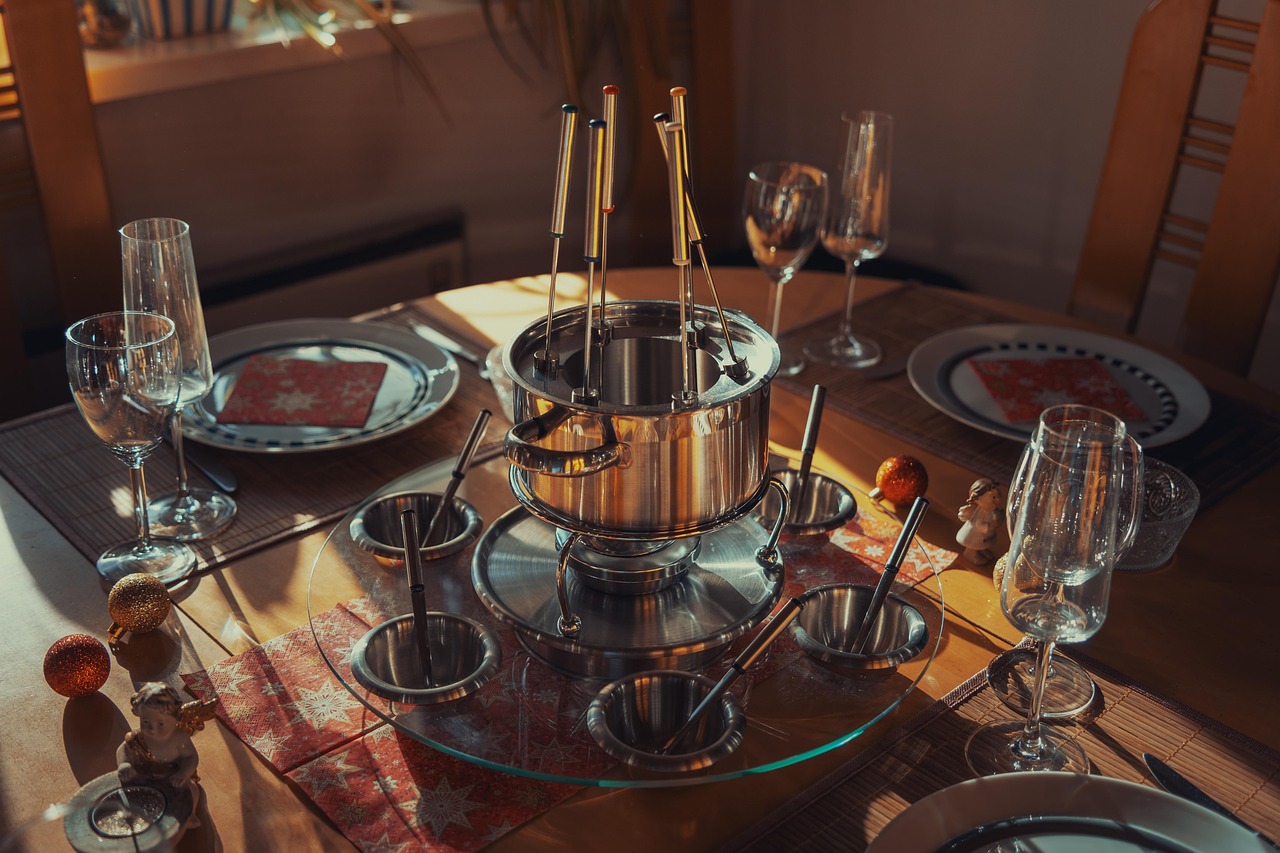
Geneva is a city that reveals itself in layers. To the casual observer, it is a place of precision and polished surfaces. But to the traveler who lingers, it is a city of hidden gardens, Mediterranean-style piazzas, and a deep, abiding connection to the natural world. Whether you are shivering over a pot of bubbling cheese in the depths of winter or diving into the cool, clear waters of the lake in August, Geneva invites you to slow down and savor the "Swiss way of life."
Pack your walking shoes, your sense of curiosity, and perhaps a bit of room in your suitcase for chocolate. Geneva is waiting to tell you its story.