Quick Facts
- The Frozen Loophole: Large quantities of liquids (over 3.4 oz) are permitted through checkpoints only if they are frozen solid at the time of screening.
- Medically Necessary Exceptions: Breast milk, formula, and baby food are exempt from the 3-1-1 rule and do not need to be frozen.
- Live Animals: TSA permits live lobsters and small fish in water, provided they are in clear, spill-proof containers and undergo manual inspection.
- Database Scope: The TSA 'What Can I Bring?' database currently regulates over 494 specific items to streamline the security process.
- The Golden Rule: 100% of solid food items are permitted, though they may require additional screening if they obscure X-ray clarity.
Navigating the Tangle of TSA Regulations
For the modern traveler, the Transportation Security Administration (TSA) checkpoint often feels less like a security measure and more like a high-stakes puzzle. We have all stood in that line, meticulously checking our 3.4-ounce bottles, only to see someone in the adjacent lane breeze through with a package that looks suspiciously like a kitchen appliance. It raises a fundamental question: what exactly determines the "safety" of an object in the eyes of the federal government?
The answer lies within the TSA’s comprehensive "What Can I Bring?" database. This living document currently identifies and regulates over 494 specific items, ranging from the mundane to the bizarre. As a travel critic who has spent decades analyzing border policies and terminal efficiency, I have found that the general public’s understanding of these rules is often outdated. While the 3-1-1 rule for liquids remains the cornerstone of carry-on restrictions, the agency has carved out significant exceptions based on the physical state of the item and its intended necessity.
One of the most critical principles for travelers to understand is that 100% of solid food items are permitted through checkpoints. Whether it is a deep-dish pizza from Chicago or a stack of Voodoo Doughnuts from Portland, if it is solid, it goes. The only caveat is that these items must not obscure X-ray imaging. If a TSA officer cannot see through your tightly packed sourdough loaf, they will likely pull your bag for a manual inspection. Understanding these nuances—the "loopholes" of the sky—can transform your packing strategy from stressful to strategic.
The Frozen Liquid Loophole
Perhaps the most surprising "hack" in the TSA handbook involves the state of matter. Can you bring large liquids through TSA? The answer is a definitive yes, provided that the liquid is frozen completely solid. This is not a clerical error; it is a specific policy exemption. If a liquid—be it water, juice, or a home-cooked soup—is rock-solid at the moment it passes through the security checkpoint, it is exempt from the 3-1-1 rule.
However, this policy comes with a strict "no-slush" requirement. If there is any liquid at the bottom of the container or if the item is partially melted, it reverts to being a liquid and will be confiscated if it exceeds 3.4 ounces. For the long-haul traveler looking to avoid $6 airport water or those transporting specialized broths, this is a game-changer. The key is to use high-quality insulated bags and ensure the item is taken directly from a deep freeze to the airport.

Critic’s Tip: If you are using ice packs to keep other food cold, those ice packs must also be frozen solid. If they are even slightly squishy, the TSA officer is required by protocol to reject them.
1. Fresh Eggs and Elaborate Desserts
It is a common misconception that fragile or "wet" foods like raw eggs are banned. In reality, the TSA allows fresh eggs in both carry-on and checked luggage. While the logistics of keeping a carton of eggs intact during a flight are daunting, the policy itself is clear. Similarly, full-sized cakes and pies are permitted.
The agency views these as solid foods. However, be prepared for "additional screening." Because a dense chocolate ganache or a multi-layered cake can appear opaque on an X-ray, officers may need to open the box. To ensure a seamless experience, I recommend separating these larger food items into their own bin, just as you would with a laptop. This proactive approach signals to the officer that you understand the regulations and are making their job easier.
2. Live Lobsters: The Ultimate Edible Souvenir
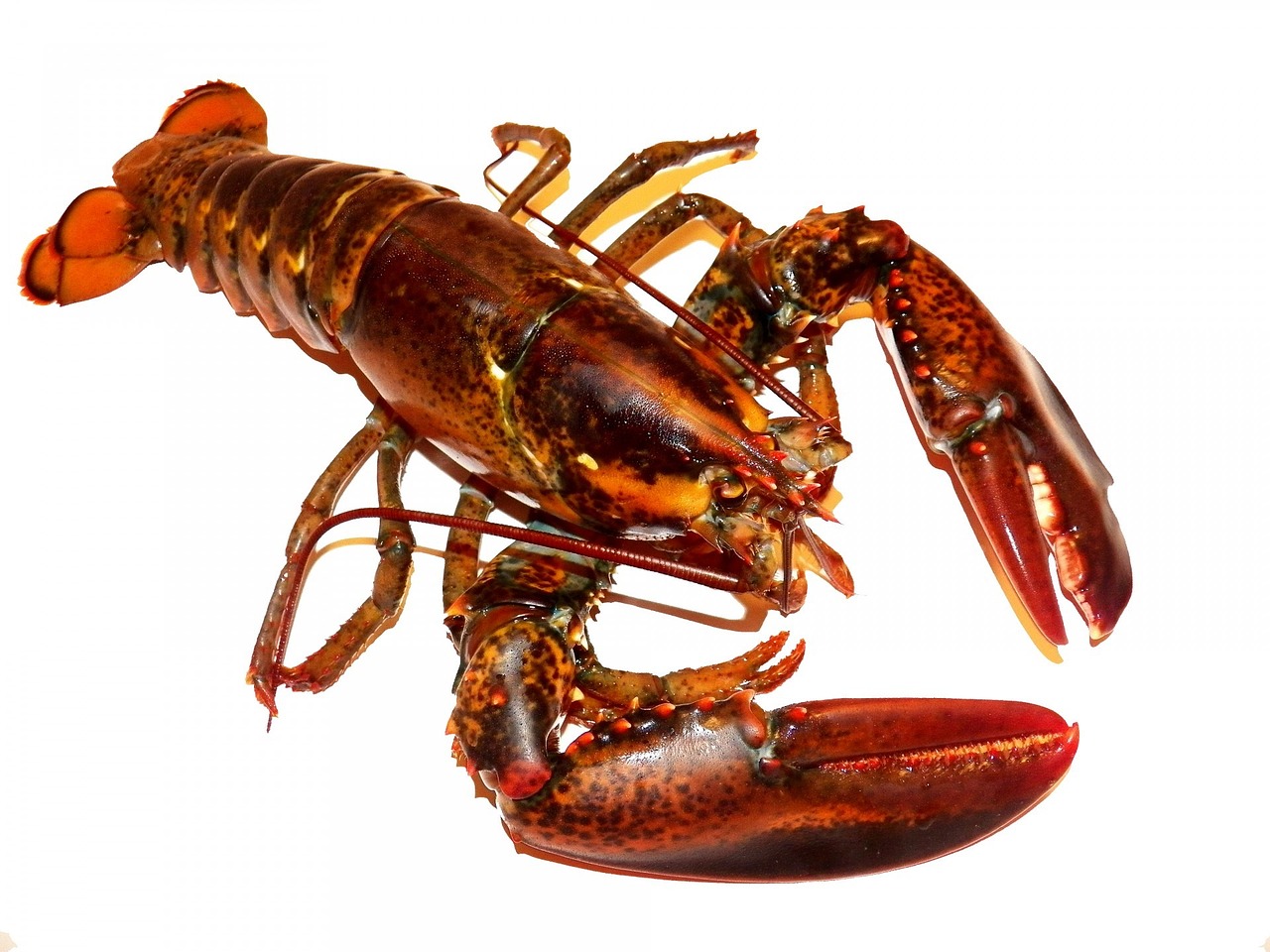
One of the most frequent questions I receive from travelers visiting the Northeast is: "Are live lobsters allowed in carry-on luggage?" The answer is a surprising yes. TSA permits live lobsters to pass through security, provided they are transported in a clear, plastic, spill-proof container.
The inspection protocol here is unique. Unlike a bag of chips, a crustacean cannot simply be sent through the X-ray machine. A TSA officer will visually inspect the lobster and the container to ensure there is no prohibited liquid or hidden compartments. While the TSA says "yes," you must verify specific airline policies. Even if security lets you through, an individual airline may refuse to have a live animal in the overhead bin.
3. Household Appliances: Microwaves and Coffee Makers
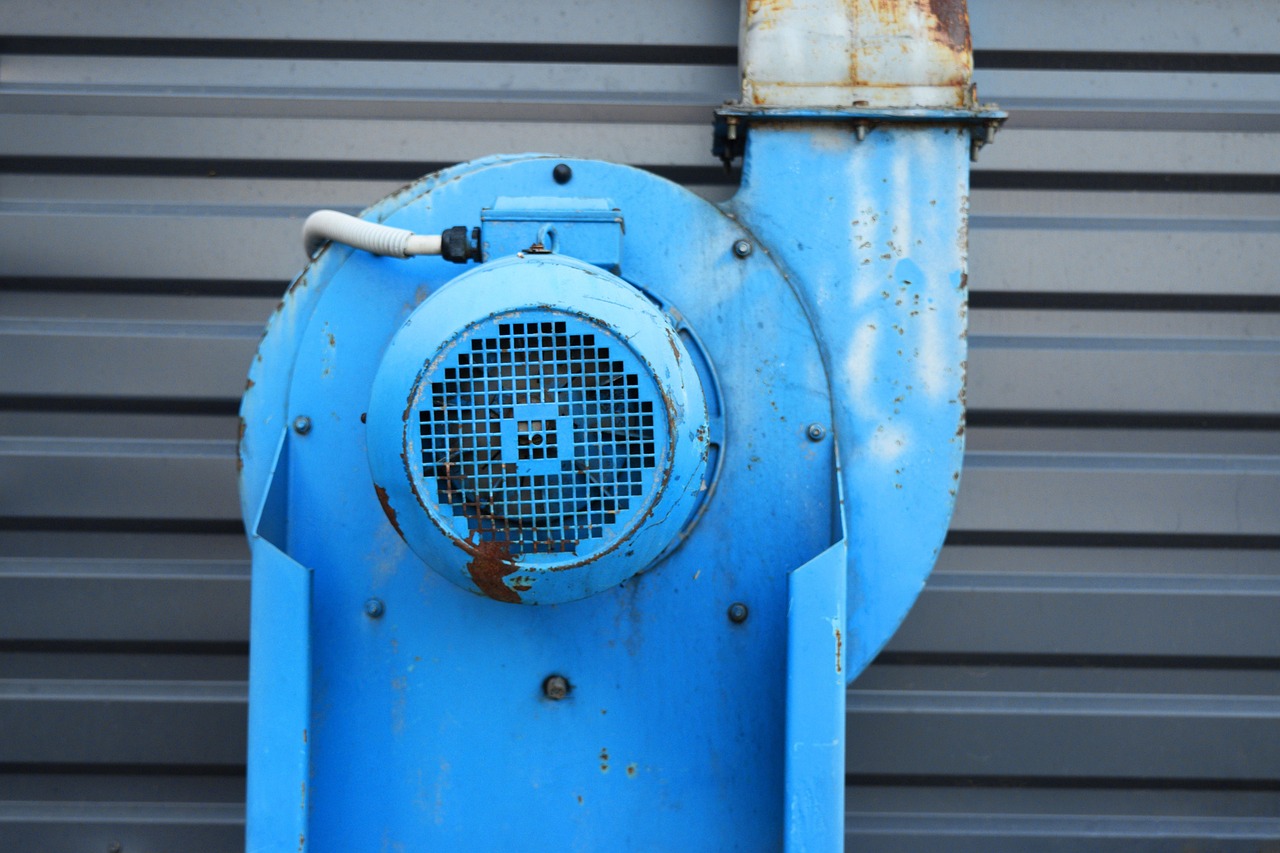
It may seem absurd to lug a kitchen appliance through an airport, but for college students or those relocating, it is a valid option. Large electronics such as microwaves, espresso machines, and even air fryers are 100% allowed through the checkpoint.
The restriction here isn't safety; it’s size. If the appliance can fit through the X-ray tunnel and into a bin, it is permitted. However, like a laptop, these items must be removed from their packaging or suitcase and placed in a separate bin for screening. The internal wiring of a microwave is complex, and officers will likely perform a secondary swab for explosives to be thorough.
Comparison Table: Carry-on vs. Checked Requirements
| Item | Carry-on Allowed? | Checked Allowed? | Special Requirement |
|---|---|---|---|
| Live Lobster | Yes | Yes | Must be in a clear, spill-proof container. |
| Microwave | Yes | Yes | Must fit in the X-ray machine; separate bin required. |
| Tattoo Gun | Yes | Yes | Ink must still follow the 3.4 oz rule. |
| Knitting Needles | Yes | Yes | Plastic or bamboo are less likely to cause a stir. |
| Cowboy Spurs | Yes | Yes | Can be worn or packed; no sharp points allowed. |
4. The Cowboy-Core Travel Kit: Cowboy Spurs
With the rise of "cowboy-core" in fashion and the enduring popularity of equestrian sports, the question of spurs frequently arises. Despite their sharp appearance, spurs are allowed in carry-on bags, checked bags, or—believe it or not—worn on your boots as you walk through the metal detector.
While they are permitted, I suggest packing them rather than wearing them. Metal spurs will almost certainly trigger the walk-through detector, leading to a mandatory pat-down. If you are traveling to a rodeo or a ranch, keeping them in your carry-on is the most efficient path forward.
5. Medically Necessary: Breast Milk and Formula
One of the most important policy distinctions involves families traveling with infants. Does the 3-1-1 rule apply to breast milk? No. The TSA treats breast milk, formula, and baby food as medically necessary liquids. This means they are allowed in quantities far exceeding the standard 3.4 ounces.
Parents do not need to have the child present to transport breast milk, which is a vital clarification for working mothers. When you reach the front of the line, notify the officer immediately that you are carrying these items. They will typically be screened separately, often using a Bottle Liquid Scanner that doesn't require opening the container.

6. Aquatic Friends: Pet Fish and Live Coral
Much like the lobster rule, the TSA accommodates hobbyists who wish to travel with live fish or coral. These are allowed in carry-on luggage even if they are in more than 3.4 ounces of water. The water must be clear, and the container must be spill-proof.
The crucial detail here is the screening process. You should request a visual inspection for your aquatic pets. Sending a live fish through a high-dose X-ray scanner isn't just a security concern; it’s a health concern for the fish. Officers are trained to handle these requests, though it may add five to ten minutes to your transit time.
7. Sporting Gear: Fishing Poles and Tackle
Fishing enthusiasts will be pleased to know that fishing rods and poles are permitted in carry-on luggage. The main hurdle here is not the TSA, but the airline’s overhead bin space. A long, one-piece rod will likely need to be checked.
As for the tackle box, most items are fine. However, large fish hooks or sharp lures should be sheathed, wrapped, or securely stowed to prevent injury to officers during a bag search. Expensive reels should always stay in your carry-on to avoid the potential for damage or theft in checked luggage.
8. Hobbies on the Go: Tattoo Guns and Knitting Needles
The TSA is surprisingly hobby-friendly. Tattoo guns are fully carry-on approved, as they are considered tools rather than weapons. However, remember that the tattoo ink is still subject to the 3.4-ounce liquid limit. If you are an artist traveling with a full kit, you will need to check your inks or ensure they are in small, compliant bottles.
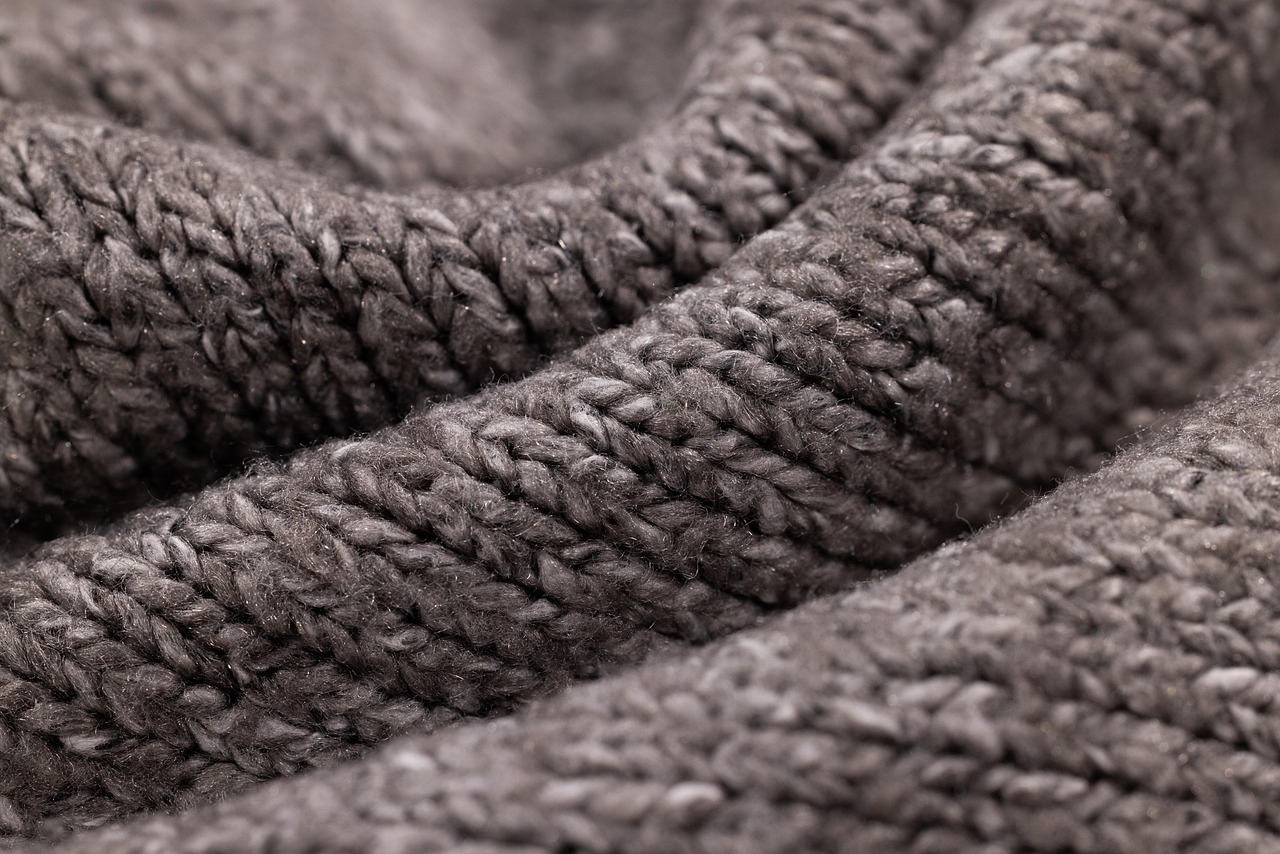
Similarly, knitting needles and crochet hooks are permitted. While there is a persistent myth that these can be confiscated as "pointed objects," the TSA website explicitly lists them as allowed. To avoid any potential issues with a particularly strict officer, many travelers prefer using circular bamboo needles, which appear less "threatening" on the X-ray than long metal ones.
9. Small Souvenirs: Mini Snow Globes
Snow globes are the bane of the holiday traveler. Because they contain liquid and are often sealed, they fall under the 3-1-1 rule. The TSA's compromise is the "tennis ball" rule: if the snow globe is approximately the size of a tennis ball or smaller (and contains less than 3.4 ounces of liquid), it can go in your carry-on. If it is larger, it must be checked. Given how fragile these are, I always recommend shipping them home or wrapping them in several layers of "bubble wrap" within a hard-sided checked suitcase.
10. Dry Ice for Perishables
If you are transporting perishable food that cannot be frozen (like fresh steaks), the TSA allows up to 5.5 pounds of dry ice in either carry-on or checked bags. The container must be vented to allow the carbon dioxide gas to escape; a completely sealed container could explode under pressure. You must also clearly mark the package with "Dry Ice" and the net weight.
11. Antlers
For those returning from a hunting trip or a decor shopping spree, antlers are permitted in both carry-on and checked bags. The primary concern is ensuring they are clean, free of any biological residue, and that the points are wrapped to prevent injury to staff. Again, the overhead bin size is the limiting factor for carry-on transport.
12. Adult Toys and Personal Items
While it can be an awkward topic, it is worth noting for the sake of a comprehensive guide: adult toys are permitted in carry-on luggage. TSA officers are trained to be professional and discreet. My advice is to ensure that any battery-powered devices are switched off or have the batteries removed to prevent them from vibrating during transit, which would trigger a manual bag search and a potentially embarrassing moment at the tray.
Pro-Tips for Seamless Screening
Even with the rules in hand, the checkpoint can be unpredictable. Here are three expert strategies to ensure you never lose a valued item:
- Use 'AskTSA': The TSA maintains a incredibly responsive team on Facebook Messenger and X (formerly Twitter). You can snap a photo of a strange item and message them directly. They usually respond within 20 minutes with a definitive "yes" or "no."
- The "Officer Discretion" Clause: No matter what the website says, the final decision rests with the individual TSA officer at the checkpoint. If they believe an item—even an allowed one—poses a security risk in a specific context, they have the authority to prohibit it. Always remain polite; a confrontational attitude will never help your case.
- TSA-Recognized Locks: If you decide to check a surprising item (like a microwave or a large snow globe), always use a TSA-approved lock. If they need to inspect the item, they can use a master key rather than cutting your lock or damaging your suitcase.
FAQ
Q: Can I bring a blender in my carry-on? A: Yes, but the blade must be removed and placed in checked luggage. The base and the plastic pitcher are fine for carry-on.
Q: Are "solid" spreads like peanut butter or hummus allowed? A: No. The TSA defines "liquids, gels, and aerosols" as anything you can spread, smear, or spill. Peanut butter and hummus are considered gels and must follow the 3.4 oz rule.
Q: Do I need to declare my frozen soup? A: You don't "declare" it like customs, but it is highly recommended to tell the officer: "I have a frozen liquid in this bag." This transparency prevents them from being surprised by the X-ray image.
Prepare for Your Next Journey
Navigating TSA regulations doesn't have to be a gamble. By understanding the data-driven specifics of the 'What Can I Bring?' database and utilizing the "frozen" and "medical" loopholes, you can travel with everything from fresh Maine lobsters to your favorite knitting project.
Search the Full TSA Database →
The key to a stress-free flight is preparation. Pack smart, know the rules, and always leave a little extra time for those "surprising" items. Safe travels.