Quick Facts
- Total Islands: The Venetian lagoon is a shimmering archipelago of 118 islands, connected by a complex web of history and waterways.
- Primary Transport: The Vaporetto (water bus) system; Line 12 is the primary artery for the northern islands.
- Top Culinary Picks: Risotto di gò in Burano and the rare Dorona wine in Mazzorbo.
- Best Value: A 24-hour transport pass for approximately €25 is essential for unrestricted exploration.
- Travel Time: Central Venice to Burano takes approximately 40 to 50 minutes via Line 12.
Standing in the center of St. Mark’s Square, one is often consumed by the sheer, magnificent weight of Venice’s history—the tolling of the Campanile, the flutter of a thousand pigeons, and the relentless hum of the crowds. But look outward, past the stone lions and the gondola-choked canals, and you will see the horizon soften into a hazy blue. This is the Venetian lagoon, a vast, brackish wilderness that holds the city in its ancient embrace.
While the "Main Island" of Venice is a masterpiece of marble and stone, the true soul of the Venetian experience often lies scattered across its archipelago. To understand Venice, one must leave its narrow calli behind and take to the water. Whether you are seeking the pyrotechnic artistry of glassblowers, the neon-bright facades of fishing villages, or the silent, salt-aired vineyards of a forgotten era, the islands offer a sanctuary that feels worlds away from the Rialto.
The Logistics: Navigating the Lagoon
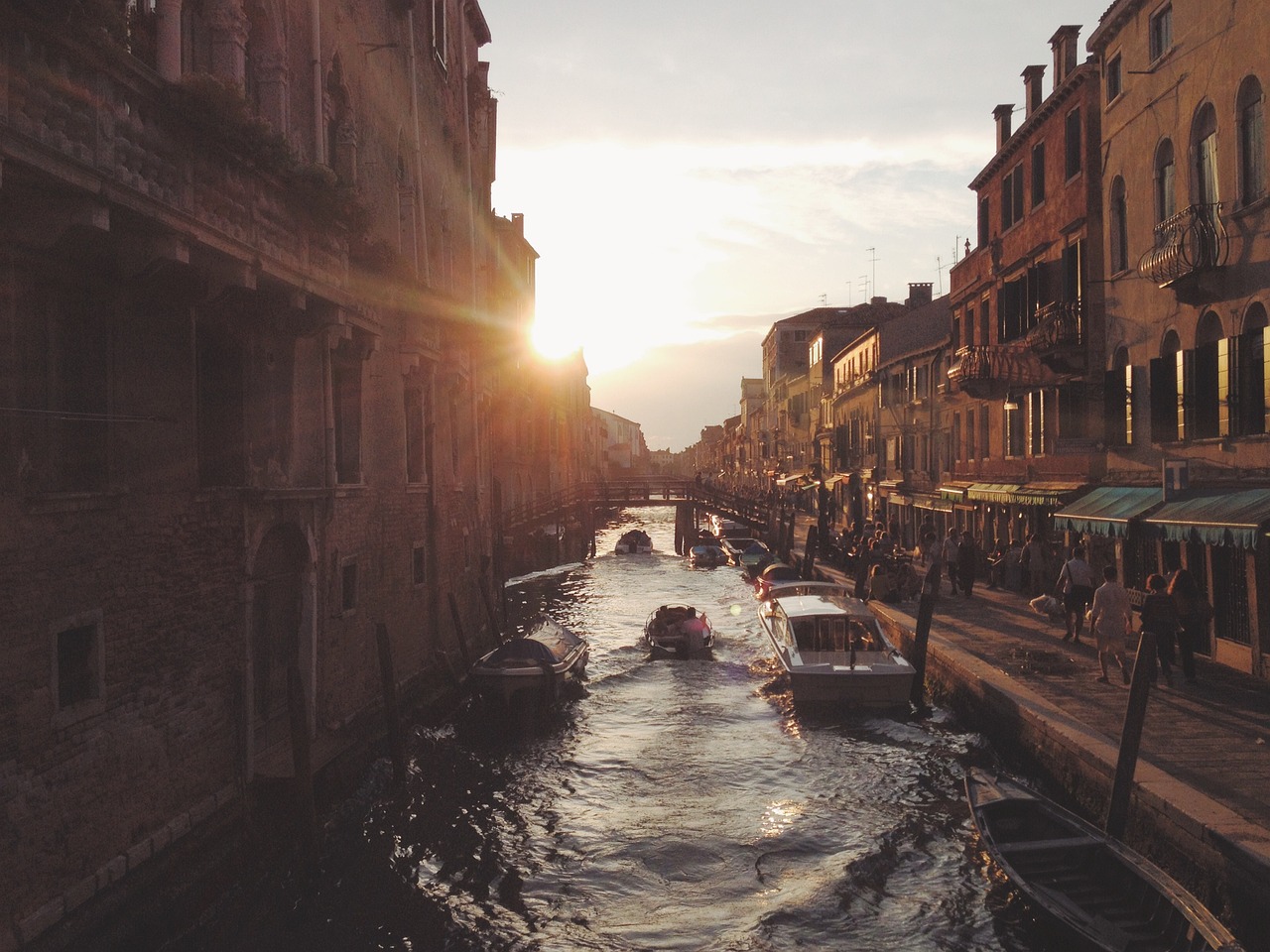
The lifeblood of the lagoon is the Vaporetto, Venice’s iconic water bus system. It is a fleet of sturdy, salt-crusted vessels that serve as the city’s subway, moving with a rhythm dictated by the tides and the schedules of the locals.
The Venetian lagoon consists of an archipelago of 118 islands, each served by an integrated water bus system running every 10 to 15 minutes during peak hours.
For the uninitiated, the system can seem daunting, but it is remarkably efficient once you find your bearings. To begin your journey toward the northern islands of Murano and Burano, you must head to the Fondamente Nove stop on the northern edge of the main island. From here, Line 12 acts as the primary conduit to the outer lagoon.
Travelers should be mindful of the costs, as single tickets are notoriously expensive.
The best way to save money on Venice island hopping is to purchase a 24-hour Vaporetto pass for approximately €25, providing unlimited travel across the lagoon.
Ensure you validate your ticket at the electronic scanners before boarding each time—the fines are steep, and the lagoon’s beauty is best enjoyed without the stress of a ticket inspector’s scowl.
The Classics: Murano & Burano
Murano: The Glass Capital
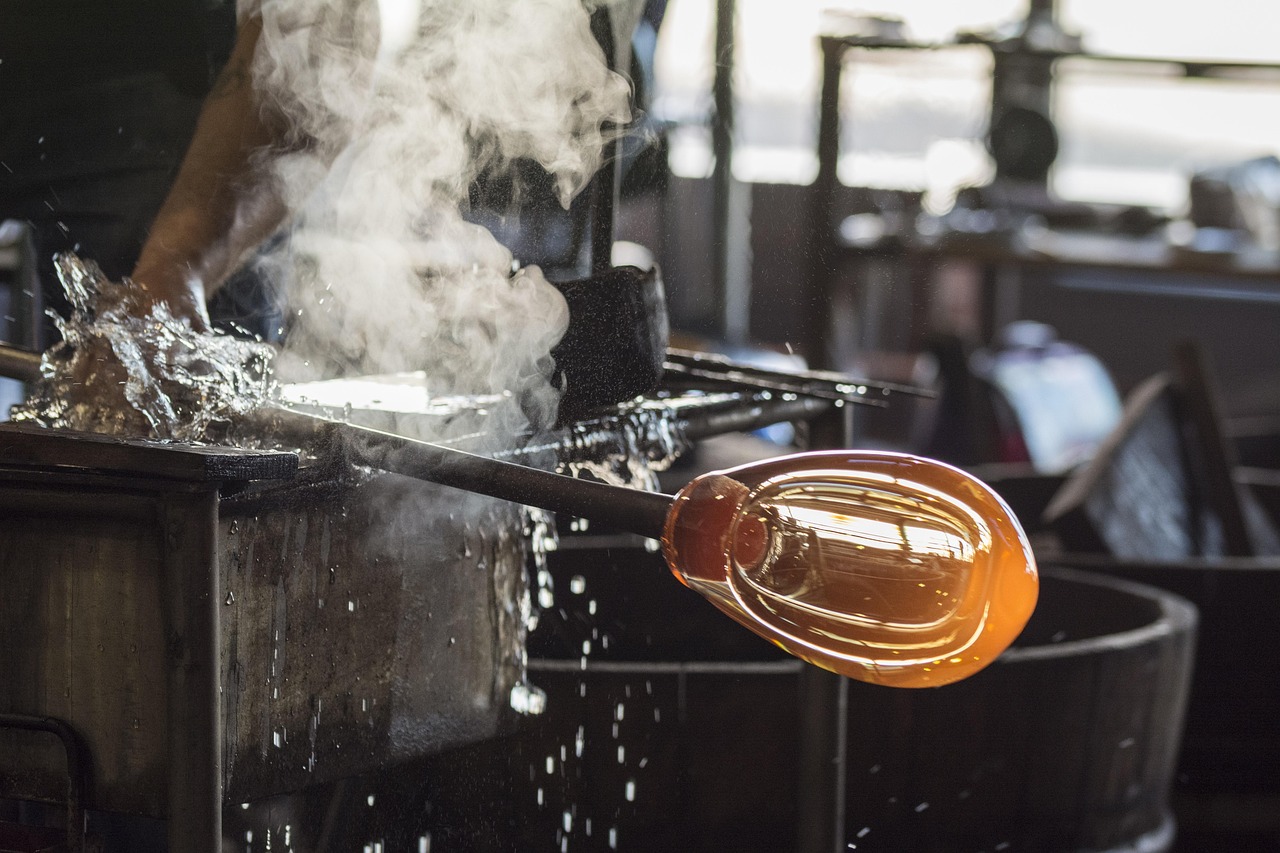
As your Vaporetto pulls away from the city, the first major stop is Murano. This is not one island, but a cluster of seven, linked by bridges and a shared, fiery heritage. In 1291, the Venetian Republic ordered all glassmakers to move their furnaces to Murano to prevent the frequent fires that plagued the city’s wooden structures. In doing so, they inadvertently created a secluded laboratory of artistic innovation.
Walking through Murano today, you can still feel the heat radiating from the open doors of the fornaci (furnaces). The air smells faintly of woodsmoke and silica. While many shops cater to the tourist trade with mass-produced trinkets, a visit to the Museo del Merletto or a tour of a traditional factory like Venini or Seguso reveals the true mastery of Venetian glass. Watch closely as a master artisan transforms a glowing amber blob into a delicate, translucent vase in a matter of seconds—it is a performance that has remained largely unchanged for seven centuries.
To visit Murano and Burano from central Venice, take Vaporetto Line 12 from the Fondamente Nove stop; the journey to Burano takes approximately 40 to 50 minutes.
Beyond the glass, do not miss the Basilica di Santa Maria e San Donato. It is a jewel of Veneto-Byzantine architecture, famous for its intricate 12th-century floor mosaics and the legendary "dragon bones" hanging behind the altar—said to belong to a beast slain by Saint Donatus.
Burano: Colors & Lace
Continuing further into the lagoon, the skyline shifts. The industrial chimneys of Murano give way to the vibrant, almost hallucinogenic hues of Burano. If Murano is a study in fire and elegance, Burano is a celebration of light and folk tradition.
The island is famous for its rainbow-bright houses. Local legend suggests that fishermen painted their homes in vivid shades of magenta, turquoise, and emerald so they could identify them through the thick lagoon fog upon their return. Today, these colors are strictly regulated by the government; if a resident wishes to repaint their house, they must send a request to the local authorities, who will respond with a specific set of allowed colors for that lot.
Burano is also the ancestral home of merletto (lace). In the 16th century, the island’s lace was the most coveted in Europe, worn by queens and popes. At the Museo del Merletto, you can still see elderly women meticulously weaving intricate patterns with needles and thread, a craft that requires a level of patience and eyesight that feels revolutionary in our digital age.
The culinary landscape here is equally rooted in tradition.
For a unique culinary experience, visit Burano for traditional risotto di gò, a local lagoon fish delicacy.
The gò (ghiozzo) is a small, bony fish found in the muddy shallows of the lagoon. When slow-cooked into a risotto, it releases a rich, umami flavor that is the very essence of the Venetian sea. For an authentic taste, secure a table at Trattoria da Romano or Al Gatto Nero, where the recipes have been passed down through generations.

The Relaxing Escapes: Lido & Pellestrina
Lido di Venezia
For a change of pace, take Line 1 or 5.1 to the Lido. Unlike the car-free labyrinth of central Venice, the Lido is a long, slender sandbar where cars are allowed and the atmosphere shifts toward the Belle Époque. This was the original European seaside resort, immortalized in Thomas Mann’s Death in Venice.
Today, it is the home of the Venice Film Festival. In the summer, the island hums with a chic, relaxed energy. Rent a bicycle and pedal along the lungomare, passing grand hotels like the Hotel Excelsior, with its Moorish architecture and private beach cabanas. It is the perfect place to pause for a Spritz al Bitter as the sun begins its descent, casting a golden glow over the Adriatic.
Hidden Gems: Torcello, Mazzorbo & San Michele
Torcello: The Cradle of Venice
If you find Burano too boisterous, a five-minute boat ride takes you to Torcello. It is a hauntingly beautiful, semi-deserted island that was once more populous than Venice itself. Founded in the 5th century, it was the first seat of government in the lagoon before malaria and the silting of its canals forced the population to move toward what is now the Rialto.
The Basilica di Santa Maria Assunta stands as a lonely sentinel of this lost glory. Inside, the 11th-century Byzantine mosaics of the Last Judgment are among the most stunning in Italy. Walking the quiet paths of Torcello, surrounded by salt marshes and the distant call of herons, you feel the profound weight of time.

Mazzorbo: Vineyards & Peace
Connected to Burano by a simple wooden footbridge, Mazzorbo is often overlooked by travelers in a rush. This is a mistake. Mazzorbo is a rural idyll, home to vegetable gardens, fruit orchards, and a very special vineyard.
The island of Mazzorbo is home to the world's only remaining hectare of Dorona di Venezia grapes, producing a highly exclusive yield of only 3,500 bottles annually.
The Venissa estate has resurrected this "golden grape," which was once served at the banquets of the Doges but was nearly lost in the great flood of 1966. Visiting the walled vineyard is a sensory delight—the scent of salt air mixing with ripening grapes. The estate also houses a Michelin-starred restaurant and a more casual osteria, where you can sample the Dorona wine. It is a bottle of liquid history, tasting of stone fruit and sea salt.
San Michele: The Island of the Dead
On the journey between Venice and Murano lies San Michele, identifiable by its high brick walls and elegant cypress trees. This has been Venice’s cemetery since the early 19th century. It is a place of profound silence and architectural beauty.
While it may seem somber, it is a deeply cultural site. Many visitors come to pay their respects at the graves of the composer Igor Stravinsky, the poet Ezra Pound, and the ballet impresario Sergei Diaghilev. The Church of San Michele in Isola, designed by Mauro Codussi, was the first Renaissance church in Venice, its white Istrian stone gleaming against the blue of the lagoon.
Recommended Itineraries
To make the most of your time in the lagoon, consider these curated paths:
- The Northern Loop (Half-Day): Start early at Fondamente Nove. Spend 90 minutes in Murano watching a glass demo, then take Line 12 to Burano for a colorful stroll and a photo op before heading back.
- The Connoisseur’s Journey (Full-Day): Follow the Northern Loop but include a long, leisurely lunch in Mazzorbo at Venissa. Follow this with a quiet walk through the mosaics of Torcello before returning to Venice as the lights of the city begin to twinkle across the water.
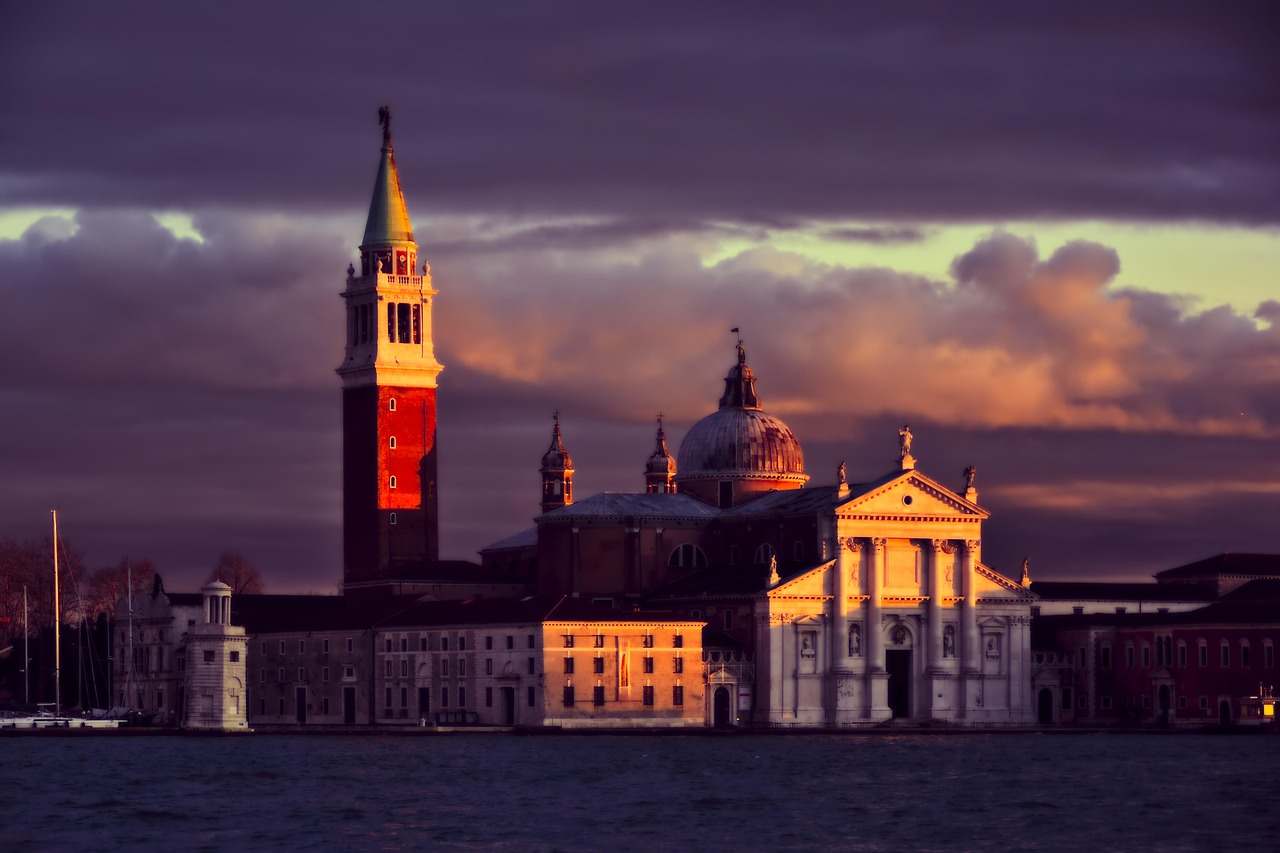
- The Beach & Sunset (Summer Afternoon): Take the Vaporetto to the Lido in the mid-afternoon. Rent a bike, explore the Art Deco villas, and enjoy a swim. As evening approaches, take the boat back, stopping at San Giorgio Maggiore for a view of the sunset over St. Mark’s Basin.
FAQ
Q: Do I need to book Vaporetto tickets in advance? A: It isn't strictly necessary, as you can buy them at major stops like Ferrovia, San Zaccaria, or Fondamente Nove. However, purchasing a digital pass via the AVM Venezia app can save you time standing in line at the kiosks.
Q: How long should I spend on each island? A: Murano and Burano each deserve at least 2 to 3 hours. Torcello and Mazzorbo can be seen in about an hour each, though a meal at Venissa will naturally extend your stay.
Q: Are the islands accessible for those with limited mobility? A: The Vaporettos are generally accessible, but the islands themselves feature many small bridges with steps. Burano is relatively flat, but reaching certain parts of Murano or Torcello may require crossing bridges.
The Venetian lagoon is more than just a setting for a city; it is a living ecosystem of culture and resilience. To hop from island to island is to peel back the layers of the Venetian identity, discovering that the "Floating City" is actually a constellation of stories, held together by the salt water and the spirit of the people who call these shores home.