Quick Facts
- Access Status: Most national parks remain physically "accessible" (roads and trails), but they are not "operational." Expect no visitor services, locked restrooms, and closed visitor centers.
- Staffing: There is a 90% reduction in onsite staffing. Emergency services and law enforcement are limited to a skeleton crew.
- Economic Impact: The National Parks Conservation Association (NPCA) estimates the NPS loses approximately $1 million in entrance fee revenue for every single day of a shutdown.
- Best Alternative: State parks remain fully funded and staffed during federal shutdowns.
- Golden Rule: If you visit, you must follow "Pack It In, Pack It Out" protocols, as trash collection is suspended.
Are National Parks Open During the Government Shutdown? Visitor Guide and Alternatives
As the 2024 federal budget debates continue to dominate the news cycle, travelers often find their vacation plans caught in the crossfire. If you have a trip planned to one of America’s 63 crown jewels, you are likely asking: Are national parks open during the government shutdown?
The reality is more nuanced than a simple yes or no. Under current NPS shutdown contingency plans, the majority of national parks remain physically accessible to the public, meaning gates are often left open and trails remain reachable. However, the "Service" in National Park Service effectively disappears. While you can technically walk into many parks, the infrastructure that makes them safe and enjoyable—visitor centers, restrooms, trash collection, and educational programs—is shuttered due to staff furloughs.
Visiting a national park during a shutdown is an exercise in self-reliance. You are entering a landscape where the primary caretakers have been sent home, leaving the environment vulnerable and the visitor responsible for their own safety and waste management.
The NPS Contingency Plan: What Stays Open and What Closes
The National Park Service operates under a specific legal framework during a funding lapse. To put it simply: outdoor spaces generally stay open if they can be accessed without a heavy staff presence, but indoor and maintenance-heavy facilities close immediately.
Open-Air Access and Outdoor Memorials
In most cases, park roads, trails, and open-air memorials (like those on the National Mall in Washington D.C.) remain accessible. If a park has a "porous" border or a main road that serves as a throughway, it is unlikely to be physically blocked. You can still hike the Bright Angel Trail in the Grand Canyon or drive through parts of Shenandoah, but you will do so without the guidance of a ranger.
Closed Facilities and Suspended Services
The most immediate impact of a shutdown is the locking of doors. Visitor centers, indoor museums, permit offices, and gift shops will be closed. More importantly for the average visitor, many restrooms and comfort stations are locked to prevent sanitation crises. Furthermore, entrance stations are typically unstaffed, which contributes to the staggering $1 million daily revenue loss reported by the NPCA.
The Skeleton Crew Reality
Do not expect a typical level of safety. Law enforcement and emergency services are active but operate at a 90% reduction in onsite staffing. This means response times for search and rescue operations or medical emergencies are significantly longer.
Third-Party Concessionaires
Interestingly, third-party hotels and lodges (such as those run by Xanterra or Aramark) often remain fully operational. Because these are private businesses, they frequently have separate agreements that allow them to stay open even when the federal government is closed. However, check your specific reservation, as access roads to these lodges may occasionally be affected by local park decisions.

The Risks of Visiting During a Shutdown
While the lure of a "free" park entry might be tempting, the ecological and safety costs of visiting during a shutdown are high. History provides a grim preview of what happens when millions of visitors descend on unstaffed federal lands.
Ecological Impact and the "Tragedy of the Commons"
During previous shutdowns, the lack of oversight led to devastating environmental consequences. In Joshua Tree National Park, for example, the absence of rangers resulted in the illegal cutting and loss of over 1,000 Joshua trees as visitors attempted to drive off-road. Without staff to manage crowds, fragile ecosystems are often trampled, and wildlife is put at risk by human encroachment and improperly stored food.
The Sanitation Crisis
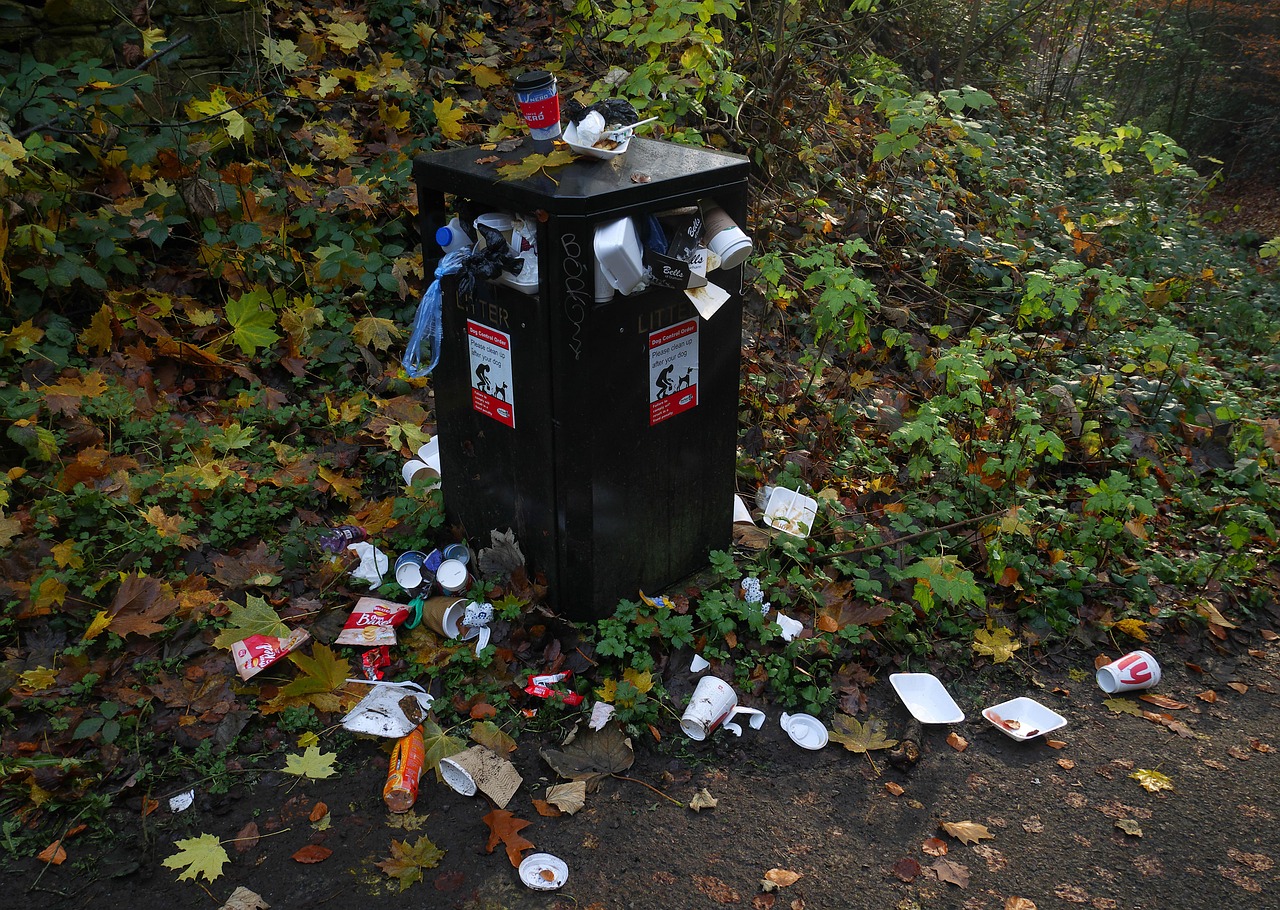
Maintenance is one of the first services to go. During the 2018-2019 shutdown, tons of uncollected waste accumulated in parks across the country. Overflowing trash cans attract bears and other wildlife, habituating them to human food, which often results in the animal having to be relocated or euthanized later.
Safety Concerns for the Unprepared
Without a visitor center to provide weather updates or trail conditions, hikers often find themselves in over their heads. With a 90% reduction in staff, there is no one to tell you that a trail is iced over or that a flash flood is imminent. Visitors are strongly advised to "bite off only what they can chew" and avoid high-risk activities like backcountry solo hiking or technical climbing during a funding lapse.
Essential Tips for Shutdown Visitors
If you choose to visit a national park during a shutdown, you must adopt a "leave no trace" philosophy on steroids. The direct answer for any prospective visitor is: Bring every necessity with you and expect zero federal assistance.
- Waste Management: The "Pack It In, Pack It Out" rule is non-negotiable. If you bring a granola bar wrapper or a water bottle, it must leave the park with you. Since most restrooms will be locked, you should be prepared with "wag bags" (human waste disposal bags) if you plan on spending the whole day in the backcountry.
- Preparation and Self-Sufficiency: Bring significantly more water and food than you think you’ll need. Since visitor center Wi-Fi will be down and cell service is notoriously spotty in parks, download offline maps (such as those on AllTrails or Gaia GPS) before you leave home.
- Communication: Always let someone at home know your exact route and expected return time. In the event of an accident, you cannot rely on a passing ranger to find you.
Pro-Tip: Pack It In, Pack It Out Assume that every trash can you see is already full and will not be emptied. Bring a dedicated heavy-duty trash bag in your vehicle to store all your waste until you return to a municipality with active waste services.

Best Alternatives: State Parks and Local Sites
The best way to ensure a high-quality outdoor experience during a government shutdown is to pivot to state-managed lands. Unlike national parks, state parks rely on state rather than federal funding. They remain fully staffed, with open visitor centers, clean restrooms, and active ranger programs.
Utahraptor State Park and Golden Gate Canyon State Park are two premier examples of sites that offer a comparable experience to their federal neighbors without the risk of closure or neglect.
National Park vs. State Park Alternatives
| National Park (Federal - Limited Services) | State Park Alternative (State - Fully Operational) | Why it’s a Great Alternative |
|---|---|---|
| Arches National Park | Utahraptor State Park (UT) | Similar red rock formations and far fewer crowds. |
| Rocky Mountain National Park | Golden Gate Canyon State Park (CO) | Stunning alpine views, extensive trail networks, and full facilities. |
| Joshua Tree National Park | Anza-Borrego Desert State Park (CA) | Massive desert landscape with unique geological features and wildflowers. |
| Great Smoky Mountains | Panther Creek State Park (TN) | Beautiful Appalachian vistas and well-maintained campgrounds. |
| Big Bend National Park | Big Bend Ranch State Park (TX) | Shares the same rugged "high desert" terrain and Rio Grande access. |
The Joshua Tree Pivot
If your heart was set on the California desert, Anza-Borrego Desert State Park is a world-class alternative. It offers over 600,000 acres of badlands, palm oases, and cacti, providing the same sense of solitude and wonder as Joshua Tree but with the added benefit of a fully functioning visitor center and maintained trails.
Urban Alternatives: Washington D.C. During a Shutdown
A government shutdown often hits the nation's capital the hardest, as the Smithsonian museums and the National Zoo are federally funded and will close their doors. However, Washington D.C. is home to numerous world-class private institutions that remain open.
Instead of the National Mall museums, consider visiting:
- Planet Word: An immersive, high-tech museum dedicated to language.
- The Phillips Collection: America’s first museum of modern art, featuring works by Renoir and Rothko.
- George Washington’s Mount Vernon: Located just a short drive from the city, this historic estate is privately owned and operates normally during federal shutdowns.
FAQ
1. Can I still use my America the Beautiful Pass during a shutdown?
Since entrance stations are typically unstaffed, you won't need to "use" your pass to enter, but you should still display it on your dashboard. However, the pass will not grant you access to closed facilities or services.
2. Are campgrounds in national parks closed?
It depends on the park. Some parks allow existing campers to stay but close the gates to new arrivals. Others may close campgrounds entirely due to the lack of staff to manage fire safety and sanitation. Always check the specific park’s website (or the NPS alert banner) 24 hours before your trip.
3. Will I get a refund for my booked tour or permit?
Refunds are typically processed once the government reopens, but the process can be slow. If your tour was through a private concessionaire, contact them directly, as their cancellation policies may differ from the federal government's.
Support Our Public Lands
While a government shutdown is a frustrating time for travelers, it is a critical time for conservation. If you choose to visit accessible federal lands, please do so with the utmost respect for the environment. Consider donating to the National Park Foundation or local "Friends Of" groups that help mitigate the damage caused by funding lapses.