Checking out of a luxury hotel often feels like a seamless transition from indulgence back to reality. As the heavy door clicks shut, most travelers assume their responsibility ends the moment they drop the key at the front desk. However, as a travel critic who has spent over two decades observing the mechanics of the hospitality industry, I can tell you that the twenty minutes following your departure are some of the most labor-intensive for the unsung heroes of your stay: the housekeeping staff.
The reality is stark. In the United States, the median annual salary for hotel housekeepers hovers around $34,000. It is a physically demanding role where staff are often expected to clean 15 to 20 rooms per shift, regardless of the condition in which they are left. Understanding hotel room etiquette isn't just about being a "good guest"—it's about operational efficiency and professional respect. By making small, informed adjustments to your checkout routine, you can significantly reduce the physical toll on staff while ensuring the next guest enjoys the same high standards you expected upon arrival.
1. The Bed Debate: Why You Should Never Make It
It is a common impulse for polite guests to pull up the duvet and arrange the pillows before they leave. While well-intentioned, this is perhaps the most frequent etiquette mistake travelers make. The "Direct Answer" is simple: leave the bed unmade.
Modern hygiene protocols require housekeeping staff to strip every piece of linen—sheets, pillowcases, and often the duvet cover—immediately upon a guest’s departure. When you make the bed, you create an optical illusion of a "clean" room that can actually slow down the staff. They must unmake what you have just spent time tidying. In some cases, a neatly made bed might even lead a rushed staff member to mistakenly believe the linens haven't been used, though professional standards usually prevent this.
Pro Tip: If you truly want to help, some frequent travelers prefer to strip the bed themselves and pile the sheets in a neat heap. While not required, this saves the housekeeper from the repetitive bending and reaching required to strip a bed, which is the leading cause of back injuries in the industry.
2. The Towel Strategy: Proper Bathroom Placement
Deciding where to leave used towels shouldn't be a guessing game. The industry standard has shifted toward sustainability, but for checkout, the rules are clear. You should never leave wet towels on wooden furniture, carpets, or draped over the back of chairs. Moisture is the enemy of hotel upholstery and can cause long-term damage or mildew.
The most efficient placement for dirty towels is either piled on the bathroom floor or placed inside the bathtub or shower basin. This keeps moisture contained and allows the housekeeper to grab the entire bundle in one motion.
- Bathtub/Shower: The preferred location for all used linens.
- Bathroom Floor: Acceptable if no tub is available.
- Hanging on Racks: Only if you are staying another night and following the hotel’s "reuse" policy.
3. Tipping 101: The New Standards for 2025-2026
Tipping remains one of the most discussed topics in travel reviews. As we look toward 2025 and 2026, the baseline has shifted due to inflation and the increased complexity of room sanitization. Your tips are not merely optional gestures of extreme generosity; they are a vital income supplement for the staff.
The standard tipping amount for 2025-2026 is $2 to $5 per night. However, the timing of the tip is just as important as the amount. You should tip daily rather than leaving a lump sum at the end of your stay. Hotel schedules rotate, and the person who cleaned your room on Tuesday may not be the one who handles your checkout on Friday. Daily tipping ensures the reward reaches the specific individual who did the work.
2025-2026 Tipping Decision Matrix
| Room Type / Scenario | Recommended Tip (Per Night) | Rationale |
|---|---|---|
| Standard King/Double | $2 - $5 | Standard sanitization and reset. |
| Suite with Kitchenette | $5 - $10 | Additional surfaces, dishes, and floor care. |
| Traveling with Pets | $7 - $12 | Extra vacuuming and dander removal. |
| Large Families (3+ kids) | $5 - $10 | Higher volume of trash and linens. |
| Significant Mess | $20+ (One-time) | "Disaster zone" surcharge for deep cleaning. |
4. Factors That Influence Your Tip Amount
While the table above provides a baseline, a sophisticated traveler adjusts their gratuity based on the "labor footprint" they leave behind. If you’ve ordered room service three nights in a row, requested extra towels daily, or had the "Do Not Disturb" sign up for 48 hours (requiring a much deeper clean upon your exit), your tip should reflect that extra effort.
Furthermore, consider the "per person" rule. A single traveler in a room creates significantly less work than four adults sharing the same space. An extra $1 per additional occupant is a thoughtful way to acknowledge the increased laundry and waste management required.
5. Trash Management and Disposal
Data indicates that over 80% of housekeeping tasks are streamlined when guests designate specific areas for trash, used towels, and personal items. In the age of DoorDash and UberEats, hotel rooms often see a higher volume of bulky takeout packaging than they did a decade ago.
Don't leave food containers scattered across the desk or nightstand. Consolidate all waste into the provided bins. If your trash exceeds the capacity of the small room bins, place the excess in a neat pile next to the bin rather than leaving it on the carpet.
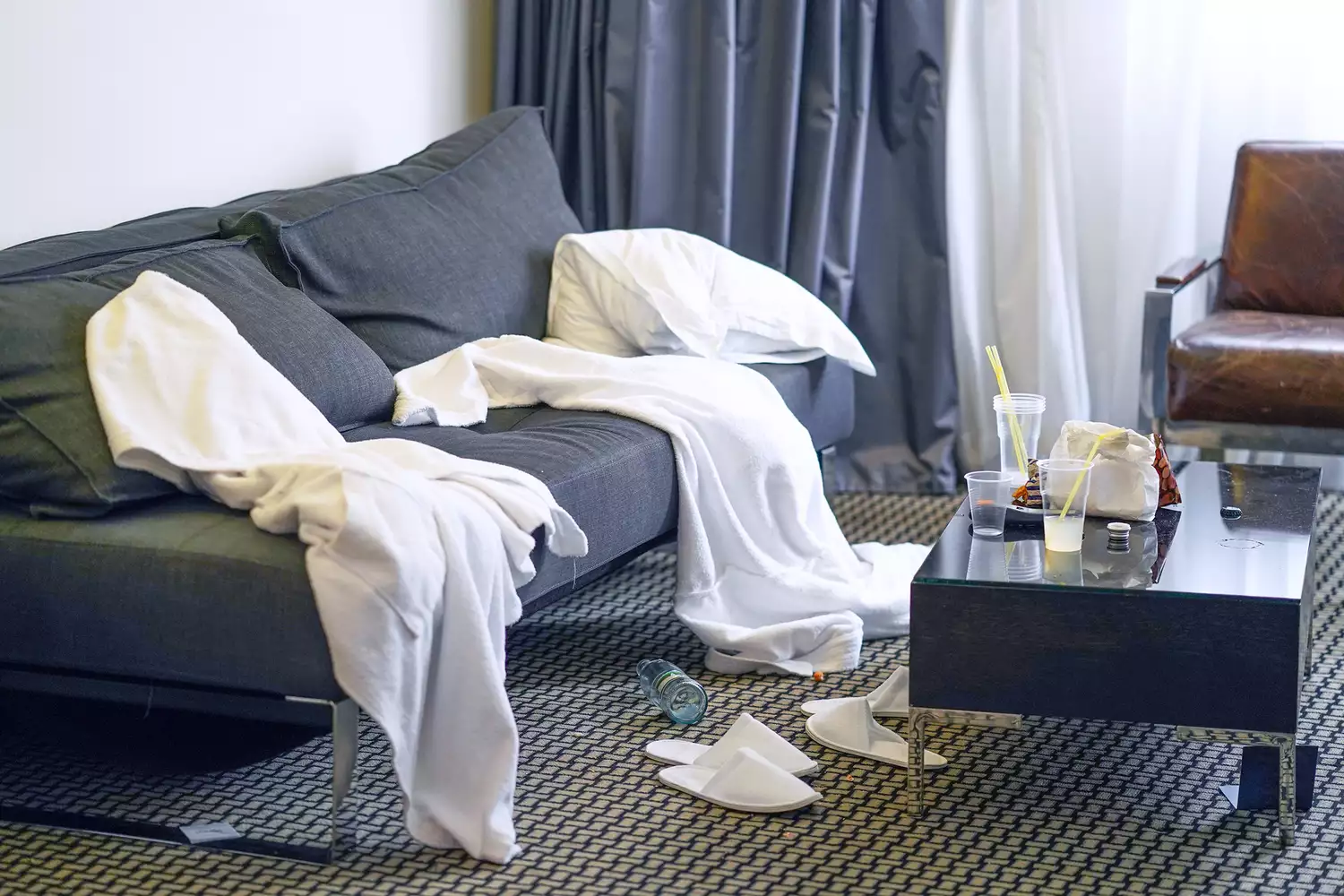
If you have items that are particularly messy or odorous (like seafood remains or baby diapers), consider wrapping them in a plastic laundry bag before placing them in the bin to prevent leaks and lingering smells.
6. Pet Etiquette for Four-Legged Guests
The rise of pet-friendly luxury hotels is a welcome trend, but it brings new etiquette challenges. If you are traveling with a dog or cat, your primary goal is to minimize the "evidence" of their stay.
- Waste Disposal: Never flush pet waste bags down the toilet. Dispose of them in outdoor receptacles if possible, or double-bag them before placing them in the room’s trash.
- The "Accident" Protocol: If your pet has an accident on the carpet, do not simply cover it with a towel and leave. Report it to the front desk immediately. Specialized enzymatic cleaners are required to prevent permanent stains and odors, and the staff would much rather handle it while it's fresh than discover it hours later.
7. Room Service and Hallway Manners
One of the most debated aspects of hotel etiquette is the placement of room service trays. While many guests believe placing a tray in the hallway is the "correct" way to signal it's finished, it actually creates several problems: it’s a tripping hazard for other guests, it creates an unappealing aesthetic in a luxury corridor, and it can attract pests.
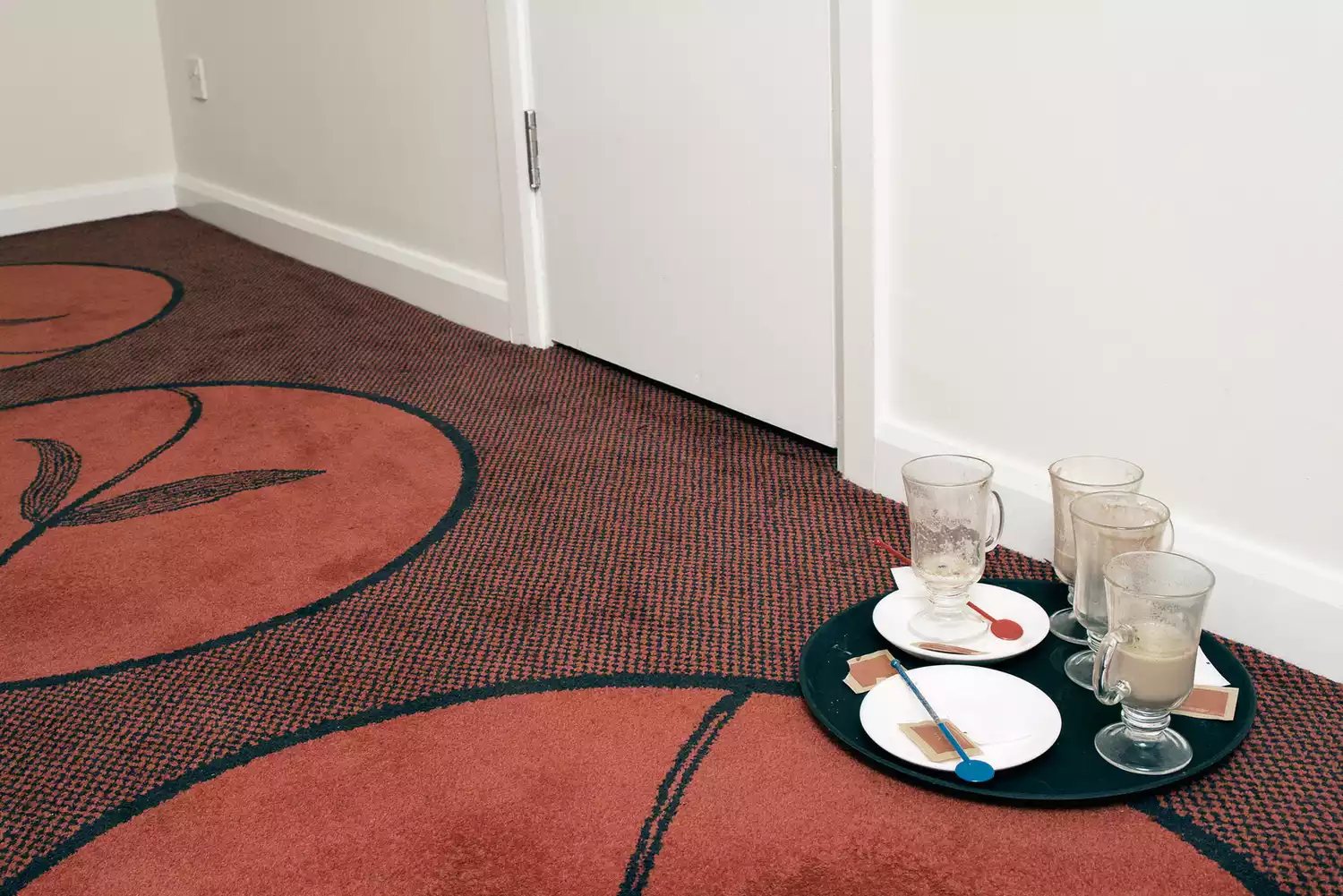
The professional protocol is to call the room service department or the "at your service" button to request a tray pickup. If the hotel specifically instructs you to leave it in the hall (which some mid-range properties do), ensure the tray is tidy and all food scraps are covered with a napkin.
8. Furniture and Electronics: Resetting the Room
We all like to make a hotel room feel like home, which often involves moving a chair closer to a window or unplugging a lamp to charge a laptop. Before you leave, take two minutes to reset the room's "factory settings."
- Furniture: Move chairs and small tables back to their original positions. Housekeepers have a specific "map" for the room, and moving heavy furniture back is a physical strain they shouldn't have to manage.
- Electronics: Reconnect the alarm clock or bedside lamps if you unplugged them. It’s a common frustration for the next guest to arrive and find a "dead" lamp or an alarm clock that hasn't been reset.
9. Energy Conservation and Sustainability
Even if you aren't paying the utility bill, leaving a hotel room with the lights blazing and the AC at 60 degrees is poor form. A sophisticated traveler considers the environmental footprint of their stay.
- Thermostat: Set the temperature to a moderate level (around 68-72°F or 20-22°C). This prevents the HVAC system from working overtime while the room is empty but ensures the housekeeper doesn't have to work in a sweltering or freezing environment.
- Power Down: Turn off the television, the lights, and any fans. This is a clear signal to the staff that the room is vacant and ready for service.
10. The Final Sweep: Double-Checking for Belongings
The most frequent "damage" guests do to themselves is leaving items behind. Before you close the door, perform a systematic sweep of the "high-forget" zones:
- The Safe: Always the number one spot for forgotten passports and jewelry.
- The Shower Ledge: Check for expensive shampoos or razors.
- The Fridge: Don't leave your $40 bottle of wine or leftovers.
- Under the Bed: A quick glance can save a favorite pair of shoes or a charging cable.
If you do happen to break something during your stay—a wine glass, a lamp, or a remote—don't hide it. Leave a note or tell the front desk. The staff is much more likely to waive a replacement fee if you are honest, and it prevents a housekeeper from accidentally cutting themselves on hidden broken glass.
FAQ
Should I strip the bed before I leave? While not mandatory, it is helpful. However, never make the bed. If you want to assist, simply pull the sheets and pillowcases off and leave them in a pile on the floor or the bed frame.
Is it okay to leave my leftover food in the fridge? Generally, no. Housekeeping is required to toss all perishable items. Unless it is an unopened bottle of wine or water that you leave with a note specifically for the staff, you should dispose of leftovers in the trash.
Can I leave a digital tip via the hotel app? Many modern hotel chains are introducing digital tipping. While this is convenient, cash is still king in the hospitality industry. Cash tips are immediate, tax-clear for the employee, and don't require the staff to navigate corporate payroll systems to receive their reward.
Conclusion
Leaving a hotel room "like a pro" is an exercise in empathy and efficiency. It is the final act of a journey that acknowledges the labor behind the luxury. By consolidating your trash, leaving the bed unmade, and providing a fair, daily tip, you ensure that the standard of service remains high for everyone. Travel is a privilege; respecting the spaces we inhabit and the people who maintain them is the hallmark of a truly sophisticated traveler.