Quick Facts
- Top Performer: Singapore maintains its dominance as the most powerful passport 2026, offering its holders access to 192 out of 227 total destinations without a prior visa.
- The Global Gap: The mobility divide has reached a historical peak, with a difference of 168 destinations between the highest-ranked Singapore and the lowest-ranked Afghanistan.
- Secondary Leaders: Japan, South Korea, and the United Arab Emirates share the second spot, providing visa-free or visa-on-arrival entry to 188 countries.
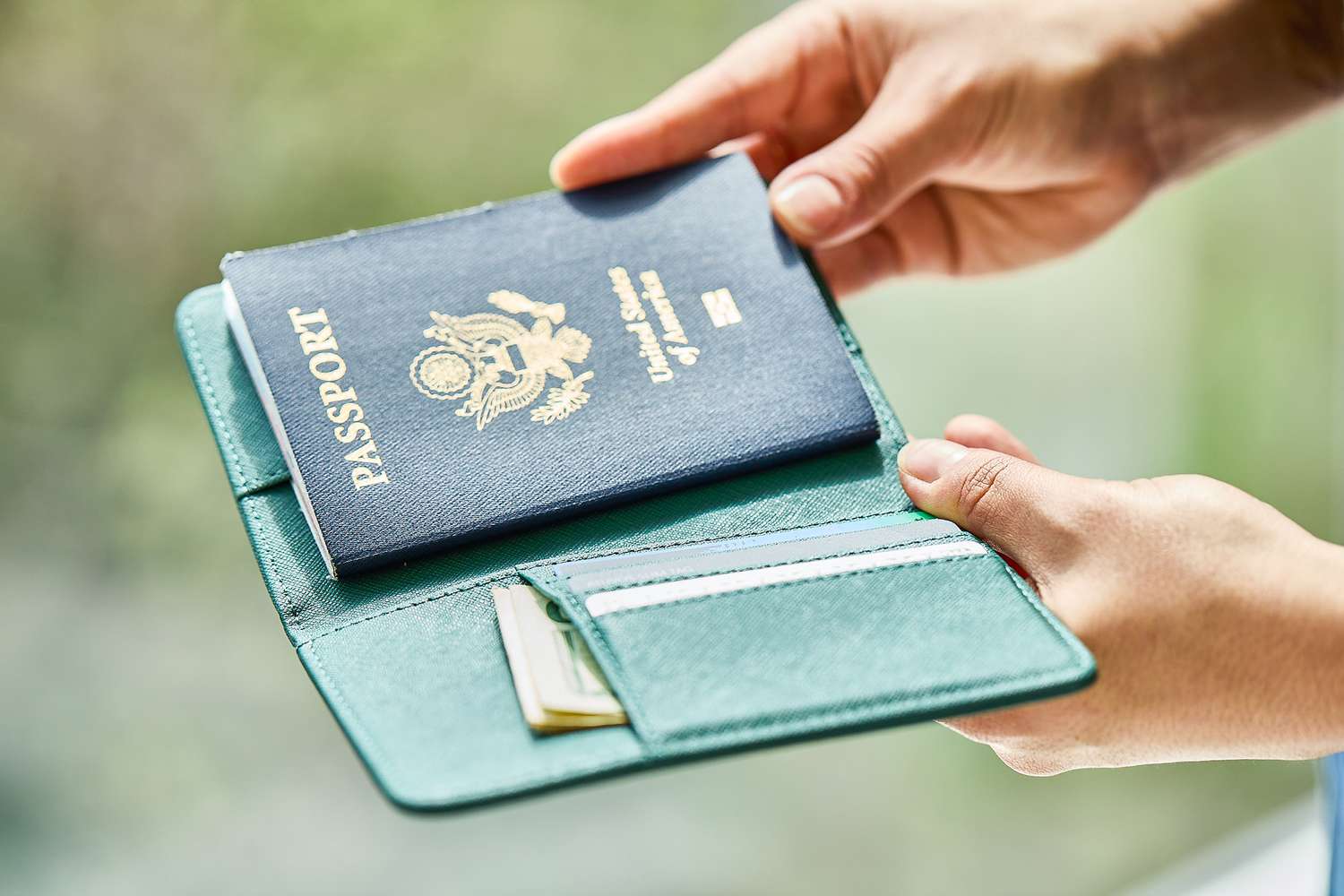
- United States Status: The us passport ranking 2026 remains stable yet stagnant at 10th place, providing access to 180 destinations.
- Emerging Markets: India has shown marked improvement, moving up to the 75th position, while South Africa continues to strengthen its regional standing.
- Travel Volume: The International Air Transport Association (IATA) projects that 5.2 billion passengers will engage in global air travel throughout 2026.
- Regulatory Shifts: The expansion of digital entry systems like ETIAS and various ETA programs is redefining what "visa-free" travel looks like for premium passport holders.
In the latest international passport ranking 2026, Singapore retains the top position, providing its citizens with visa-free access to 192 destinations worldwide. This updated world passport ranking 2026 list reflects the shifting landscape of global mobility, where diplomatic relations and bilateral agreements dictate the ease with which citizens cross borders.

Global Leaders: The Top 10 Strongest Passports in the World
The hierarchy of global travel freedom has undergone significant refinement as we enter 2026. The henley passport index 2026 highlights a persistent dominance by East Asian and European nations, though the most striking narrative remains the meteoric rise of the United Arab Emirates. By securing agreements across South America and parts of Africa, the UAE has solidified its position in the second tier, a feat that would have seemed impossible a decade ago.
Understanding the top 10 strongest passport in the world requires a look at the data provided by the International Air Transport Association (IATA). These rankings are not merely a matter of prestige; they are a direct reflection of a nation's geopolitical influence and diplomatic capital. In 2026, the elite tier is characterized by high levels of reciprocal visa waiver programs and participation in trusted traveler schemes.
| Rank | Country | Visa-Free / VOA Destinations |
|---|---|---|
| 1 | Singapore | 192 |
| 2 | Japan, South Korea, UAE | 188 |
| 3 | Finland, Germany, Italy, Spain | 187 |
| 4 | France, Netherlands, Sweden | 186 |
| 5 | Denmark, Ireland, Luxembourg | 185 |
| 6 | Belgium, Norway, Portugal | 184 |
| 7 | Austria, Greece, Switzerland | 183 |
| 8 | Czech Republic, Malta, New Zealand | 182 |
| 9 | Australia, Canada, Poland | 181 |
| 10 | United States, Estonia, Lithuania | 180 |
The asia passport ranking 2026 continues to be a focal point for critics and economists alike. The fact that three of the top four slots (including ties) are held by Asian nations suggests a permanent shift in the center of gravity for global mobility. For those tracking the singapore passport ranking 2026, the city-state's success is attributed to its "friend to all, enemy to none" foreign policy, which has effectively opened doors in both the West and increasingly the Global South.
The Regional Breakdown: US, Asia, and Africa
While the top of the list remains relatively consistent, the mid-tier and lower-tier rankings tell a story of regional volatility and selective progress. The us passport ranking 2026 is a prime example of stagnation. Despite its high number of destinations, the United States has failed to reclaim its 2014 pole position. This is largely due to a lack of visa reciprocity; while many nations allow Americans in without a visa, the U.S. has been slow to extend similar privileges to newer developing economies, leading to a standstill in its ranking.
In Southern Asia, the indian passport ranking 2026 shows a positive trajectory, landing at 75th place. This improvement is driven by new visa-on-arrival agreements with several Southeast Asian and African nations eager to attract Indian tourists and investors. Conversely, the pakistan passport ranking 2026 remains near the bottom of the index, highlighting the severe limitations placed on its citizens due to ongoing regional instability and limited diplomatic outreach.
Moving to Africa, the south african passport ranking 2026 continues to lead the continent, though it faces increasing competition from nations like Mauritius and the Seychelles. The African Continental Free Trade Area (AfCFTA) has begun to influence travel policies, with more nations moving toward "visa-on-arrival" for fellow African citizens, though this has yet to significantly impact their standing in the global context of the most powerful passport 2026.
Geopolitical influence and Border control priorities have created a stark divide. While European citizens within the Schengen Area enjoy unprecedented internal mobility, the external borders are becoming increasingly digital. For travelers from developing regions, the "paperless" dream remains far off, as traditional stickers and embassy interviews remain the norm.
Methodology Matters: Henley vs. Arton Capital
Travelers often find themselves confused by conflicting headlines regarding which nation holds the most powerful passport 2026. This confusion stems from the different methodologies used by tracking organizations. The Henley Passport Index, which we utilize here, bases its data on the number of destinations reachable without a prior visa. This includes destinations where a visa on arrival or an electronic travel authority can be obtained easily.
In contrast, the Arton Capital Passport Index often uses a "World Openness Score" and weights destinations differently, sometimes resulting in European nations like Sweden or the UAE taking the top spot depending on the time of year and temporary visa bans. To maintain objective analysis, experts look at the following factors:
- Visa-Free Access: The ability to enter a country with just a valid passport.
- Visa on Arrival (VOA): Obtaining entry permission upon landing, usually for a fee, without prior paperwork.
- Diplomatic Relations: The strength of bilateral ties that lead to visa waiver programs.
- Geopolitical Influence: How a nation’s stability affects the perceived risk of its citizens overstaying their welcome.
Glossary of Access
- ETA (Electronic Travel Authority): A digital registration required before travel for visa-exempt foreign nationals (e.g., UK ETA, US ESTA).
- e-Visa: A digital visa applied for and received online before travel, often requiring more documentation than an ETA.
- Schengen Area: A zone of 29 European countries that have abolished internal border controls.
2026 Travel Planning: Navigating Digital Borders
As we look toward the 5.2 billion passengers expected to take to the skies this year, the definition of "visa-free" is evolving. Even for those holding a top-tier passport, the era of simply showing up at the airport with a passport and a ticket is ending. The implementation of the European Travel Information and Authorisation System (ETIAS) means that citizens from previously exempt countries (including the U.S. and Singapore) must now apply for digital clearance before entering the Schengen Area.
For those following travel recommendations for strongest passports 2026, the key is preparation. Just because your passport is powerful does not mean it is exempt from digital friction. We recommend checking the ETA requirements for the United Kingdom, the United States, and the European Union at least 72 hours before departure.
Furthermore, the mobility gap highlights a secondary market: residency and citizenship by investment. As travel freedom becomes a coveted asset, more individuals are seeking "Plan B" passports to bypass the restrictions of their birth citizenship. This trend is expected to grow as geopolitical tensions continue to fluctuate, making the stability of one's travel documents as important as one's financial portfolio.
FAQ
What is the most powerful passport in 2026?
The most powerful passport in 2026 is the Singapore passport. It currently grants its holders visa-free or visa-on-arrival access to 192 different destinations globally, according to the latest research data.
What's the top 10 strongest passport?
The top 10 rankings for 2026 include Singapore at the top, followed by a tie between Japan, South Korea, and the UAE for second place. European nations like Finland, Germany, Italy, and Spain occupy the third spot, while the United States currently ranks 10th.
What rank is US passport?
In the 2026 global mobility rankings, the US passport is ranked 10th. It provides visa-free access to 180 destinations, sharing this position with Estonia and Lithuania.
Is the US passport no longer the most powerful?
The US passport has not held the top spot for several years. While it remains highly influential, it has been surpassed by several Asian and European nations that have been more proactive in establishing reciprocal visa-free travel agreements.
Is the USA a strong passport?
Yes, the USA remains a very strong passport. Holding 10th place globally means that US citizens can access the vast majority of the world's destinations with minimal administrative burden, despite having fallen from the number one spot it held over a decade ago.