Quick Facts
- Optimal Window: The shoulder seasons of April to May and September to November offer the finest equilibrium between clear skies and manageable foot traffic.
- Duration: A minimum of 4 to 5 nights in the Cusco/Sacred Valley region is essential for physiological acclimatization to the high altitude.
- Capacity Caps: For 2026, the Peruvian Ministry of Culture has strictly regulated daily visitor counts between a baseline of 4,500 and a high-demand cap of 5,600.
- Booking Lead Time: High-demand routes, specifically Circuit 3 (Huayna Picchu), require reservations at least 3 to 6 months in advance via the official TuBoleto portal.
The "Citadel in the Clouds" remains one of the world’s most coveted destinations, but for those planning a pilgrimage in 2026, the landscape of travel logistics has shifted significantly. As a critic who has traversed the Andes multiple times, I have observed that Machu Picchu is no longer a destination for the spontaneous traveler. The implementation of the refined TuBoleto ticketing system and the reorganization of visitor circuits have transformed the experience into one governed by precision and foresight.
For the first-timer, the question of "when to go" is no longer just about the weather—it is about navigating a complex regulatory framework designed to preserve the integrity of this UNESCO World Heritage site. My objective analysis suggests that while the dry season offers the most iconic photographs, the "Emerald Window" of the shoulder seasons provides a far superior, more nuanced experience.
The 2026 Ticketing Revolution: What You Need to Know
In 2026, the Peruvian government has solidified its transition to the TuBoleto digital portal, a move aimed at curbing the chaos of the previous "physical line" system in Aguas Calientes. This centralized system dictates every aspect of your visit, from the exact hour you step through the gate to the specific path you must follow once inside.
The most critical data point for any 2026 traveler is the daily capacity cap. The baseline allows for 4,500 visitors, though this is increased to 5,600 during "high demand" periods (typically June through August and major holidays). These slots vanish with remarkable speed. If you intend to climb Huayna Picchu—the iconic peak that looms over the ruins—you are competing for a mere fraction of those tickets.
2026 Pro-Tip: The Ministry of Culture now enforces a strict 30-minute grace period for entry. If your ticket is for 08:00 AM, you must enter before 08:30 AM. Failure to do so may result in denied entry without a refund. Build a "shuttle buffer" into your morning schedule to account for the bus lines in Aguas Calientes.
Seasonal Breakdown: Dry Season vs. Rainy Season
The Dry Season (April - October)
The dry season is the "high season," and for good reason. From May to September, the Andean sky is a piercing, reliable blue, and the risk of rain-slicked stones is at its lowest. For photographers, this is the time when the light is most predictable, hitting the Intihuatana stone with surgical precision.
However, this reliability comes at a cost—both financial and experiential. June and July see the highest density of visitors, coinciding with the grand Inti Raymi (Festival of the Sun) on June 24. Expect temperatures to fluctuate wildly; daytime highs can reach a pleasant 68°F (20°C), but nights in the Andes are unforgiving, often dropping to 35°F (2°C) or lower.

The Rainy Season (November - March)
To the uninitiated, the "rainy season" sounds like a deterrent. To the seasoned critic, it represents an opportunity. The landscape undergoes a radical transformation, turning the dusty brown hills into a vibrant, emerald-green "Cloud Forest." The crowds thin out, and the ruins take on a mystical, mist-shrouded quality that feels more authentic than the polished gleam of the dry season.
The "Split-Season Strategy" is particularly effective here. While the coast of Peru (Lima and Paracas) enjoys its peak summer sun, the highlands are damp. If you can tolerate afternoon showers, you will find better hotel availability and lower airfares. A significant caveat: The Inca Trail is closed every February for maintenance, though the citadel itself remains open.
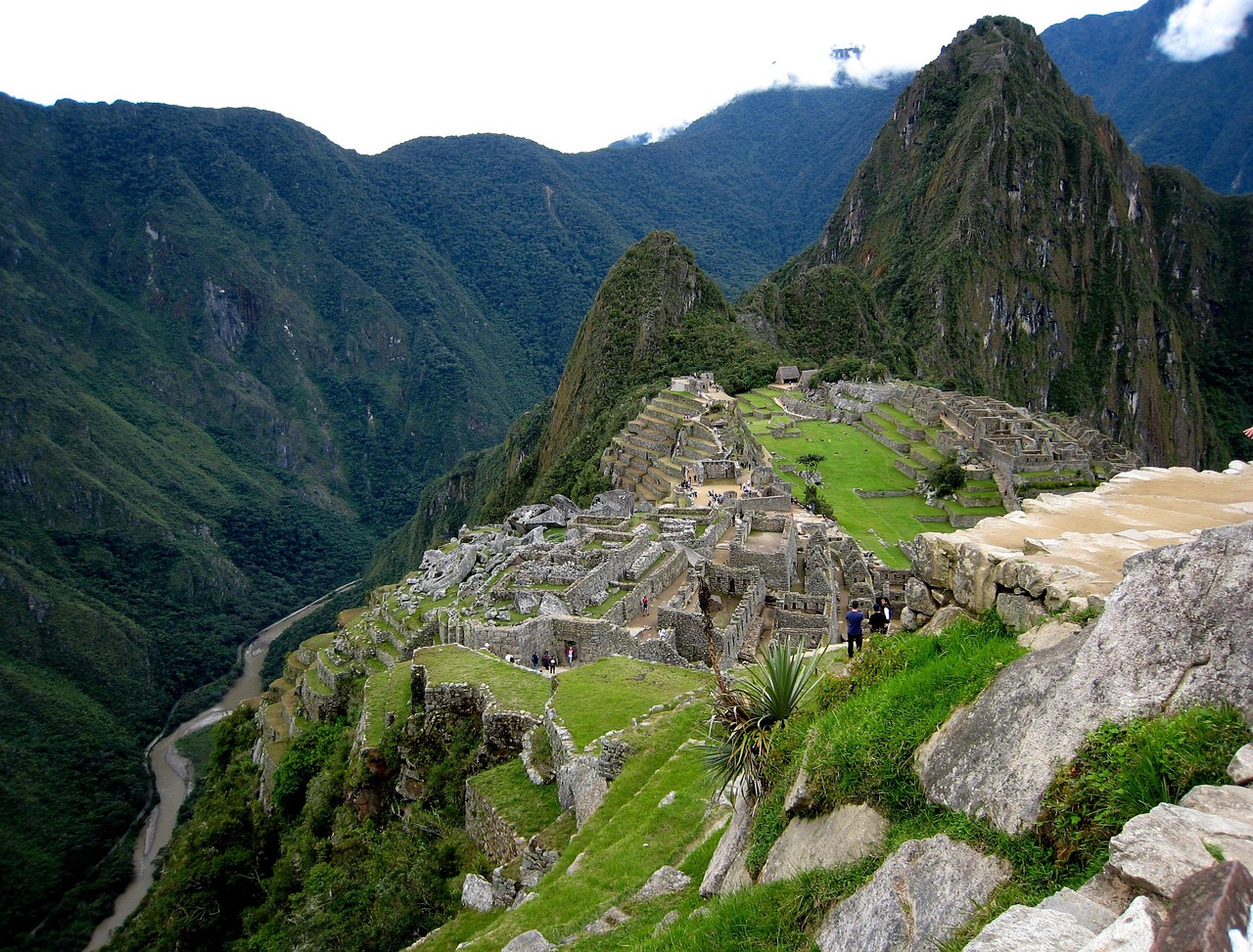
The Month-by-Month Verdict: Finding Your Sweet Spot
Choosing the right month requires a trade-off between climatic stability and visitor density. Based on recent historical data and 2026 projections, here is how the year breaks down:
| Month | Avg. Max Temp | Rainfall (mm) | Tourist Density | Verdict |
|---|---|---|---|---|
| Jan - Feb | 66°F (19°C) | 150+ | Low | Risk / Reward: High rain, but lush and quiet. |
| March | 66°F (19°C) | 120 | Moderate | The transition month. Mists are common. |
| April - May | 68°F (20°C) | 40 | Moderate | The Sweet Spot: Vibrant green and sunny. |
| June - Aug | 68°F (20°C) | 5 | Peak | The High Season: Book 6 months out. |
| Sept - Oct | 70°F (21°C) | 50 | Moderate | The Second Window: Warmer nights, fewer crowds. |
| Nov - Dec | 68°F (20°C) | 100 | Moderate | The rain returns; dramatic lighting for photos. |
Deciphering the 2026 Circuits: Which Path Should You Choose?
In 2026, you cannot simply wander the ruins at will. You must choose a specific "Circuit" at the time of purchase. Understanding these paths is vital for first-timers who often realize too late that they’ve missed the "classic" view.
- Circuit 1 (Panoramic): This focuses on the upper terraces. It is best for those who want that "Postcard View" and includes the option for the Machu Picchu Mountain climb (Route 1-A). Note that you do not enter the lower urban sector here.
- Circuit 2 (Classic): This is the gold standard for first-timers. It includes the classic viewpoint and a comprehensive walk-through of the main urban and agricultural sectors (Routes 2-A and 2-B).
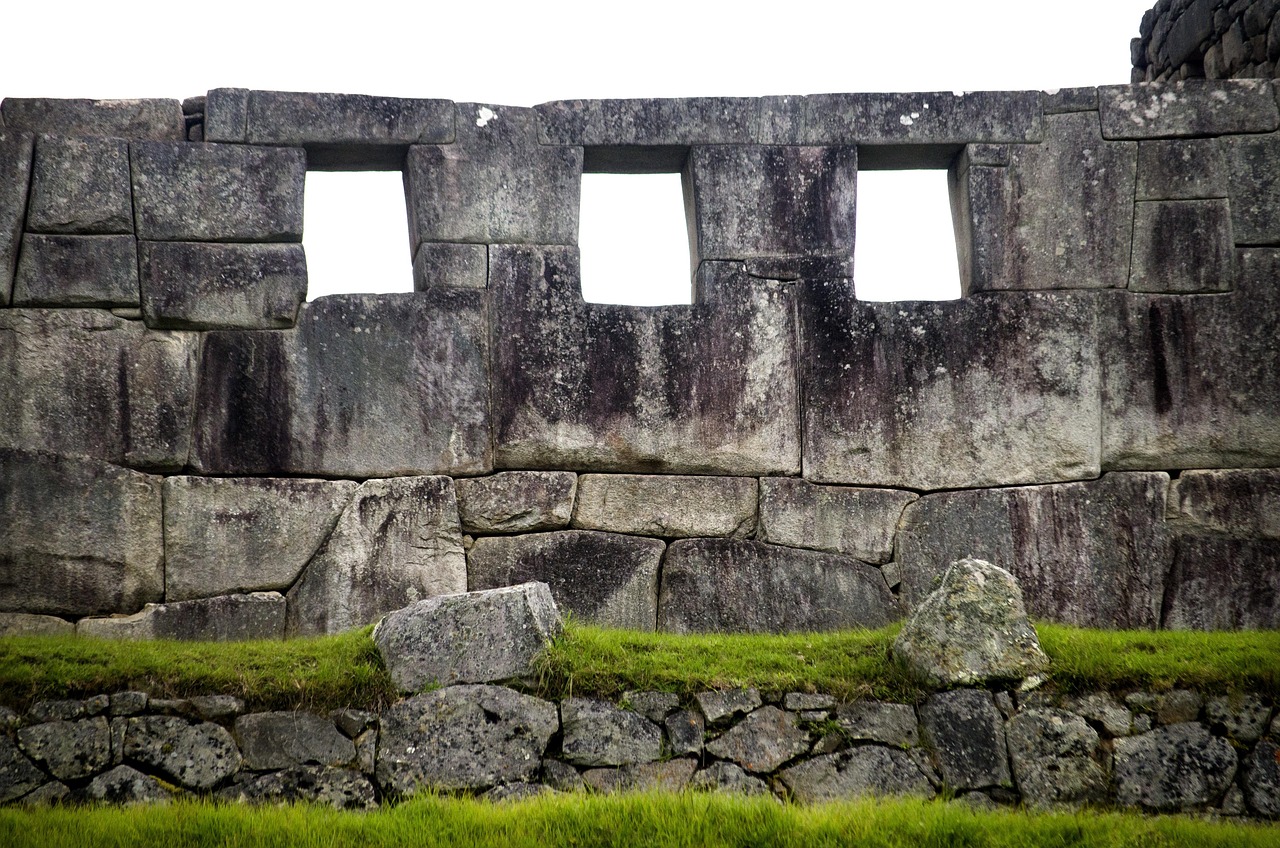
- Circuit 3 (Royalty): This path takes you through the lower sector, including the Temple of the Sun. This is also the circuit required for those climbing Huayna Picchu (Route 3-A).
Important 2026 Update: Certain high-altitude routes, such as the Sun Gate (Intipunku) and the Inca Bridge, are now seasonally restricted and are generally only open from June 19 to November 2 to manage ecological impact.

First-Timer Logistics: Getting There and Staying Healthy
The journey to Machu Picchu is a multi-stage process involving planes, trains, and buses. From Cusco, most travelers take a train to Aguas Calientes (Machu Picchu Pueblo).
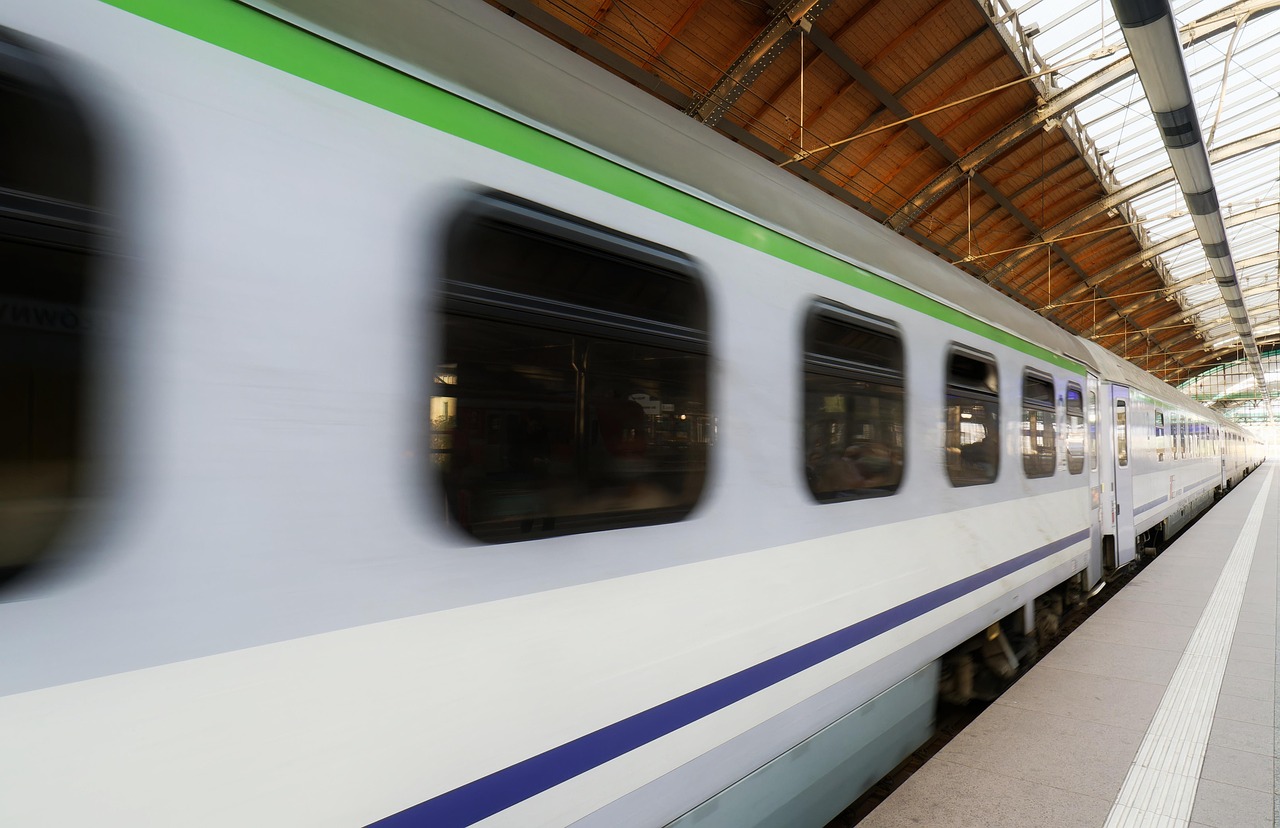
The train experience ranges from the utilitarian to the opulent. The PeruRail Vistadome offers panoramic windows that are excellent for the descent into the cloud forest, while the Belmond Hiram Bingham provides a white-glove service with gourmet meals and live music. Regardless of your choice, the scenery is the star.
However, the greatest logistical hurdle is not the train—it is the altitude. Cusco sits at 11,152 feet (3,400 meters). Arriving here and immediately attempting to hike is a recipe for soroche (altitude sickness).
The Sacred Valley Strategy: I strongly recommend that first-timers head straight from the Cusco airport to the Sacred Valley (Urubamba or Ollantaytambo). At approximately 9,000 feet (2,800 meters), the Sacred Valley is lower than Cusco and provides a much gentler environment for your body to adjust before you head to Machu Picchu.
Where to Stay: From Luxury Lodges to Eco-Boutiques
The choice of accommodation can define your experience. Staying in Aguas Calientes allows for an early morning entry, while staying in the Sacred Valley offers more expansive, resort-style luxury.
- Luxury: For those who want the ultimate convenience, the Belmond Sanctuary Lodge is the only hotel located adjacent to the citadel gates. It allows you to beat the bus crowds from the valley floor. Alternatively, Inkaterra Machu Picchu Pueblo Hotel offers a sprawling eco-reserve experience at the base of the mountain.
- Boutique: Sumaq Machu Picchu Hotel is a standout for its focus on Andean gastronomy and its riverside location.
- Mid-range: Casa del Sol provides a serene, boutique feel with excellent service and proximity to the train station.
FAQ: Common Concerns for 2026 Travelers
Can I visit twice in one day? Technically, yes, but you must purchase two separate tickets for two different time slots. Most visitors find that one 3-to-4-hour circuit is sufficient, but photography enthusiasts often book a morning slot for the mist and an afternoon slot for the clear light.
What is the age restriction for Huayna Picchu? Due to the steepness of the "Stairs of Death," climbers must be at least 12 years old. There is no upper age limit, but a high level of physical fitness is required.
Do I need a guide? While the regulations technically mandate a guide for first-time entries, enforcement can be inconsistent. However, I strongly recommend hiring a licensed professional. The "Llaqta" (the citadel) has no signage; without a guide, you are looking at beautiful stones without understanding the sophisticated astronomical and agricultural genius they represent.
Conclusion
Machu Picchu in 2026 remains a pinnacle of human achievement and natural beauty, but it rewards the disciplined planner. By targeting the shoulder seasons of April-May or September-October, and respecting the new TuBoleto ticketing protocols, you can bypass the frustration of the crowds and the unpredictability of the weather. Give yourself the time to acclimatize in the Sacred Valley, choose your circuit with intention, and you will find that the "Citadel in the Clouds" more than lives up to its legendary reputation.
Ready to start your journey? Ensure your passport is valid for at least six months beyond your travel dates and secure your tickets the moment your 2026 dates are confirmed.