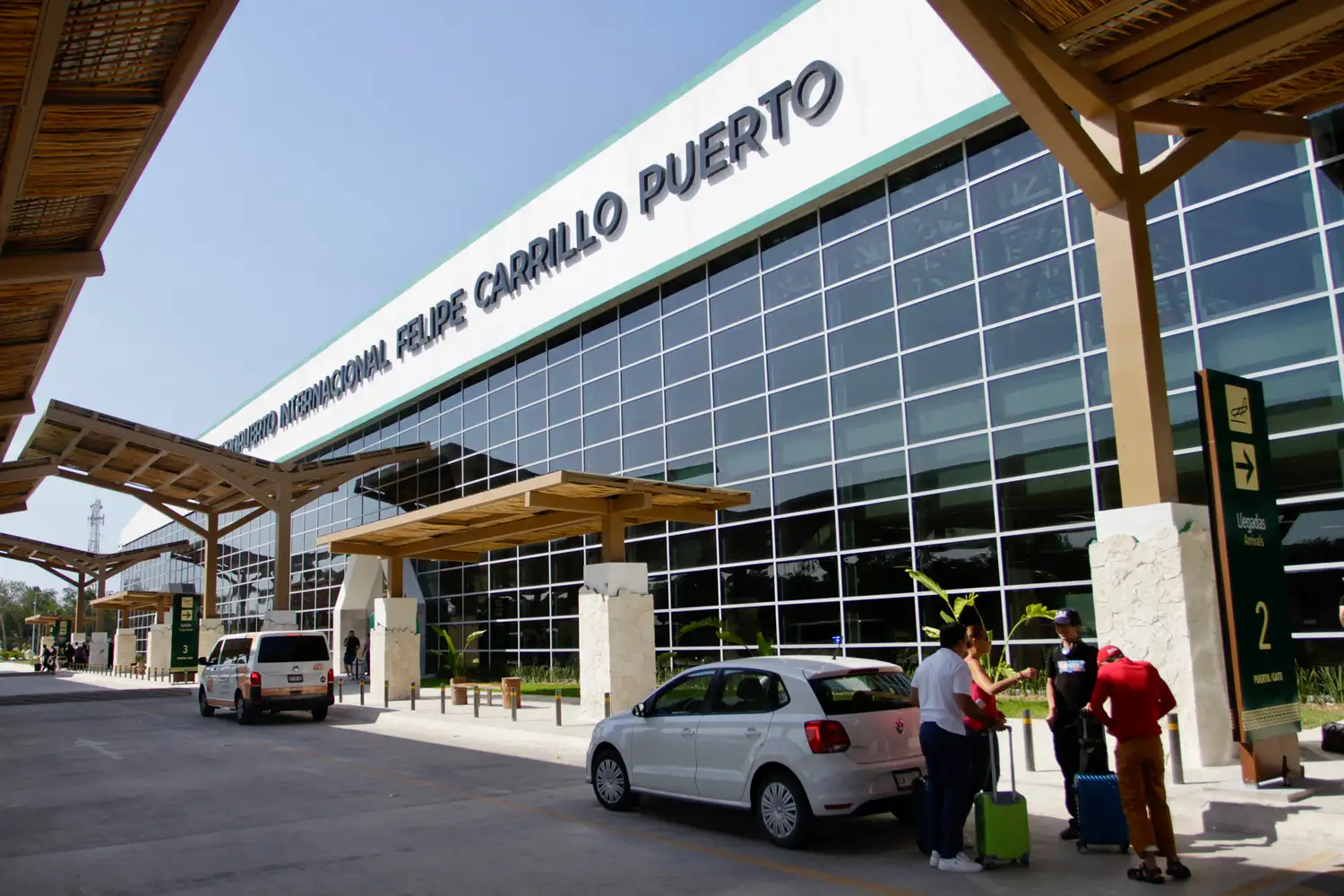
Imagine, if you will, a Tulum from a decade ago. It was a place where the scent of sea salt was interrupted only by the pungent hum of diesel-run espresso machines—the only way to get a caffeine fix in a town still largely off the grid. Back then, "luxury" meant a clean hammock and a mosquito net. Fast forward to 2026, and the metamorphosis is complete. The dusty road is still there, and the copal incense still dances in the air, but the arrival of the Felipe Carrillo Puerto International Airport (TQO) and the Tren Maya has ushered in a new era.
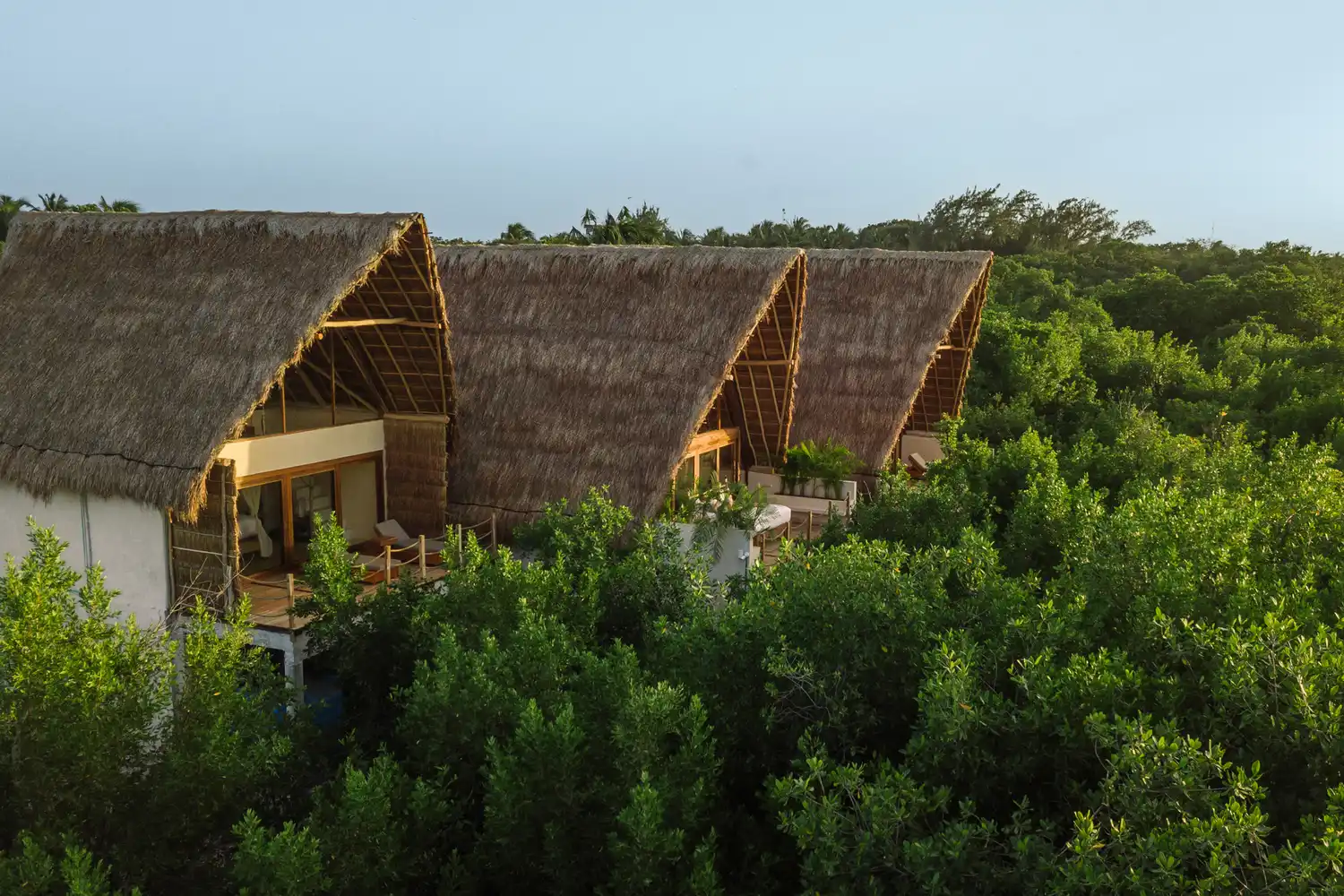
Tulum has transitioned from a spartan backpacker's secret into a global icon of "Boho-Chic." But what exactly defines this aesthetic in 2026? It is no longer just about floor cushions and macramé. Today’s Tulum boutique hotel style is a sophisticated blend of laid-back luxury and sculptural, organic architecture. It’s an intentional marriage of the raw and the refined, utilizing regional materials like honey-hued tzalam wood and rugged limestone to create spaces that don’t just sit on the land, but breathe with it. Here, the jungle floor becomes your living room, and the Caribbean Sea is your infinity pool.
The TQO Factor: How Accessibility Redefined the Escape
For years, the journey to Tulum was a test of patience—a two-hour trek from Cancun International (CUN) that often felt like a barrier to entry. The opening of the Felipe Carrillo Puerto International Airport (TQO) has fundamentally altered the logistics of the escape. By cutting travel time to the hotel zone by over 60 minutes, the journey has become as seamless as the service at a five-star retreat.
This newfound accessibility has triggered a significant shift in the demographic of the region. Since 2024, Tulum has experienced a 35% increase in boutique hotel bookings from international markets, particularly among travelers who previously found the commute prohibitive. The result? A hotel scene that has had to elevate its offerings to meet the expectations of a more discerning, global clientele while fiercely guarding its eco-conscious soul.
Geography of Style: Choosing Your Tulum Base
To understand the evolution of Tulum, one must understand its geography. The town is no longer a single strip of sand; it is a collection of distinct "vibes," each catering to a different facet of the modern traveler's soul.
The Comparison Matrix: Finding Your Sanctuary
| District | The Vibe | Best For | Standout Hotel |
|---|---|---|---|
| Middle Beach | Social, vibrant, high-energy | First-timers & socialites | Hotel Maxan’ab |
| South Beach | Quiet, restorative, sanctuary-like | Couples & honeymooners | La Valise |
| La Veleta | Urban jungle, creative, local | Digital nomads & design lovers | Hotel Milam |
| Aldea Zama | Modern, polished, residential | Families & long stays | Hotel Bardo |
Middle Beach: The Social Heartbeat
This is the Tulum you’ve seen on your social feeds. It’s the epicenter of the "hipster" atmosphere, where beach clubs pulse with organic house music and the fashion is as curated as the cocktail menus. It’s vibrant and undeniably chic.
Key stays here include Hotel Maxan’ab, which offers an intimate, art-forward experience, and Ahau Tulum, famous for its towering wooden sculpture that serves as a gateway to the sand.
South Beach: The Sanctuary of Quiet Luxury
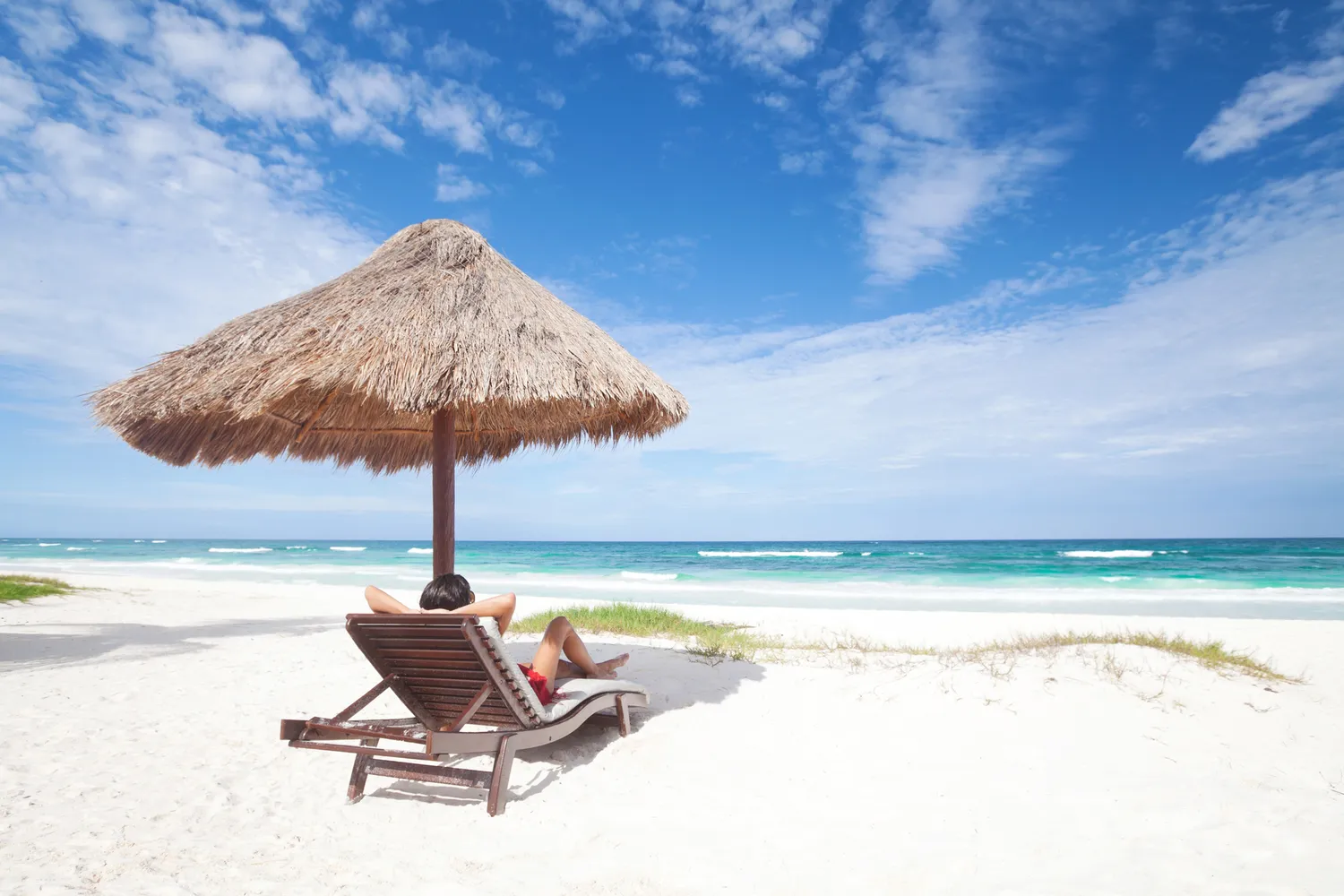
As you move south toward the Sian Ka’an Biosphere, the music fades, the beaches widen, and the architecture becomes more understated. This is the realm of "barefoot luxury."
La Valise remains the crown jewel of this strip. It is famous for its iconic rollout beds that allow guests to sleep literally under the stars, feeling the sea breeze as it filters through handcrafted linens. Next door, Lula Tulum (formerly Sanara) continues to lead the way in wellness-centric hospitality, offering a minimalist aesthetic that clears the mind the moment you step onto the property.
La Veleta & Aldea Zama: The New Jungle Sophistication
While the beach is the draw, the jungle is where the innovation is happening. Districts like La Veleta have evolved into sophisticated hubs for creative professionals. Hotel Milam stands out here, offering a modern interpretation of luxury that trades ocean views for deep jungle immersion and architectural mastery.
The Sculptural Icons: Architecture as Art
In 2026, the best eco-luxe stays in Tulum are those that treat architecture as a form of reconnection. The days of "concrete boxes by the sea" are over.
Azulik remains the most famous example of this movement. It is less a hotel and more a living sculpture. Built without nails or straight lines, its woven wooden pathways and candlelit villas encourage guests to disconnect from technology and reconnect with the self. It is a testament to the "organic architecture" that defines the region’s evolution.
Similarly, Be Tulum utilizes the heavy textures of tzalam wood and copper to create a high-end rustic feel. It feels ancient and futuristic all at once, proving that luxury doesn't need to be polished to be perfect. When you're looking for the top-rated boutique hotels in Tulum for 2026, look for those that honor the raw materials of the Yucatan.
The Wellness Evolution: More Than Just Yoga
Wellness in Tulum has matured. It has moved beyond the "yoga on the beach" cliché into deep, localized Maya healing. It is no longer an amenity; it is the core of the guest experience.
Over 80% of Tulum's leading boutique hotels now offer localized wellness experiences as a standard part of their programming. We are seeing a return to indigenous rituals, such as Temazcal (a traditional steam bath) and Maya cacao ceremonies, which are designed to facilitate emotional and spiritual release.
Places like the Yäan Healing Sanctuary have become world-renowned for their hydrotherapy circuits, while Holistika in the jungle offers sound healing sessions that vibrate through your very soul. This is luxury as a transformative experience, rather than just a comfortable stay.
Curating the Experience: Gastronomy and Exploration
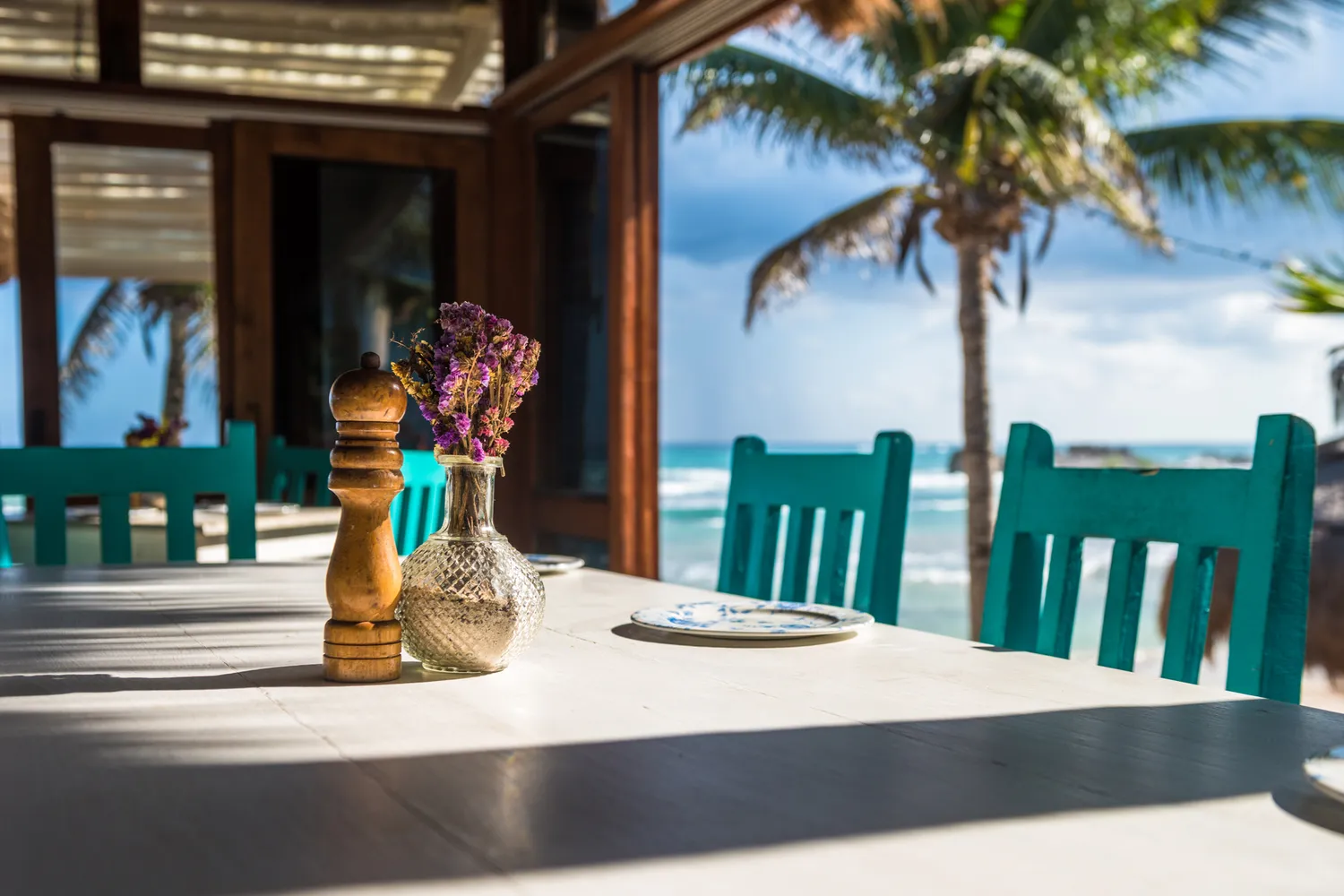
The evolution of the hotel scene has been matched by a culinary revolution. Tulum’s dining scene has moved into the global spotlight, with several establishments earning Michelin nods for their innovation.
Arca, led by Chef Jose Luis Hinostroza, remains the gold standard for open-fire cooking. Dining here is a sensory experience—the smell of burning wood, the flicker of candlelight, and the taste of local ingredients elevated to high art. Nearby, Autor offers a more experimental approach, blending Mexican heritage with global techniques.
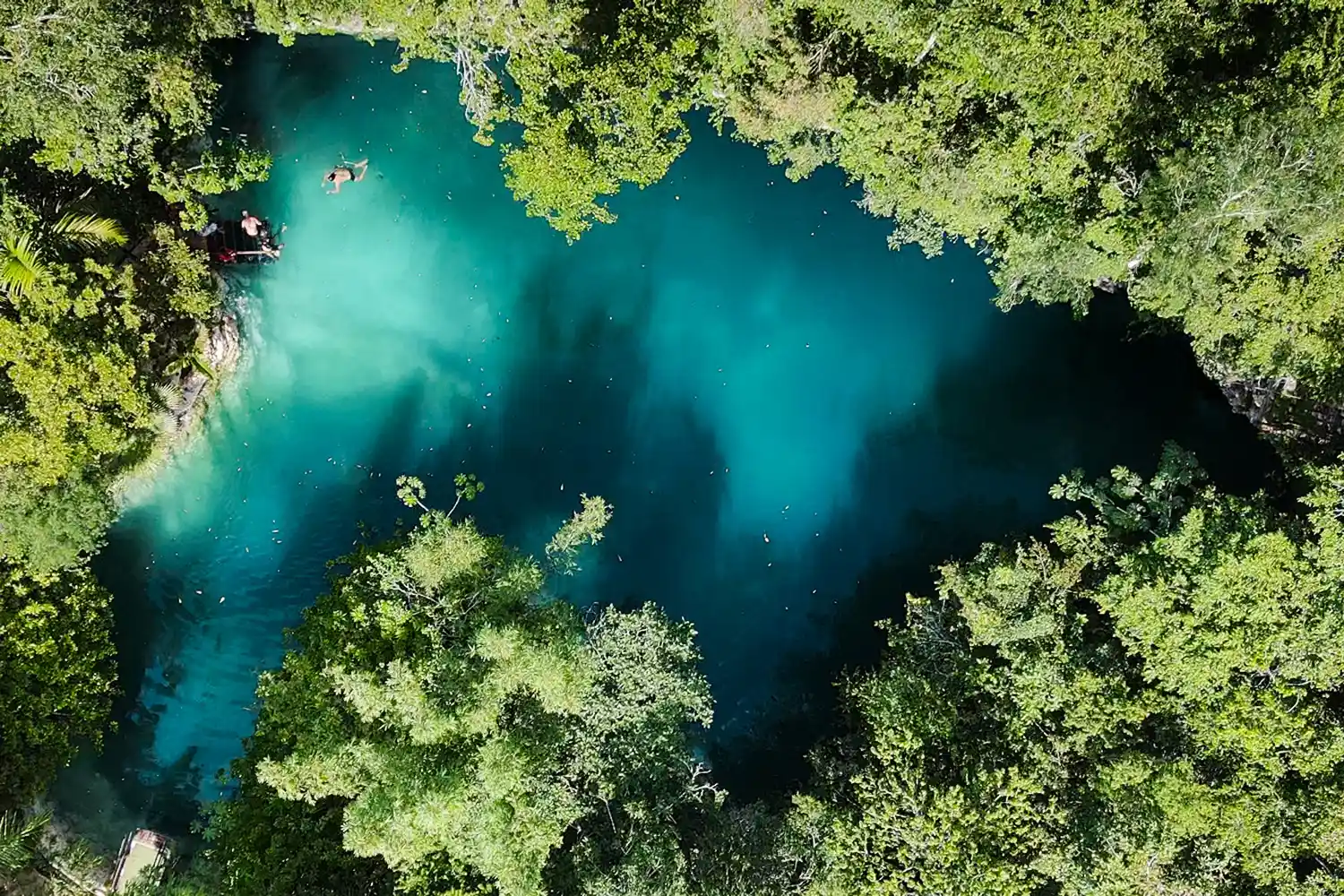
Beyond the plate, the exploration of the natural world has become more refined. While the beach is beautiful, the true magic lies in the Sian Ka’an Biosphere Reserve or the hidden Caracol cenote. These natural wonders offer a mystical connection to the region's ancient history, providing a stark, beautiful contrast to the modern luxury of the boutique hotels.
Planning Your 2026 Retreat
If you are planning to experience the new face of Tulum, timing is everything.
- When to Visit: The dry season (December to April) offers the most reliable weather, but it is also the peak of the social calendar. For those seeking "quiet luxury" and better value, the transition months of May and November offer a more tranquil experience.
- Booking Lead Time: For iconic properties like La Valise or Azulik, I recommend booking at least 4-6 months in advance. These smaller properties (often with fewer than 20 rooms) fill up quickly with returning guests.
- Logistics Tip: Take advantage of the new TQO airport. Even if your flight options are more limited than Cancun, the time and stress saved on the ground are worth the extra connection.
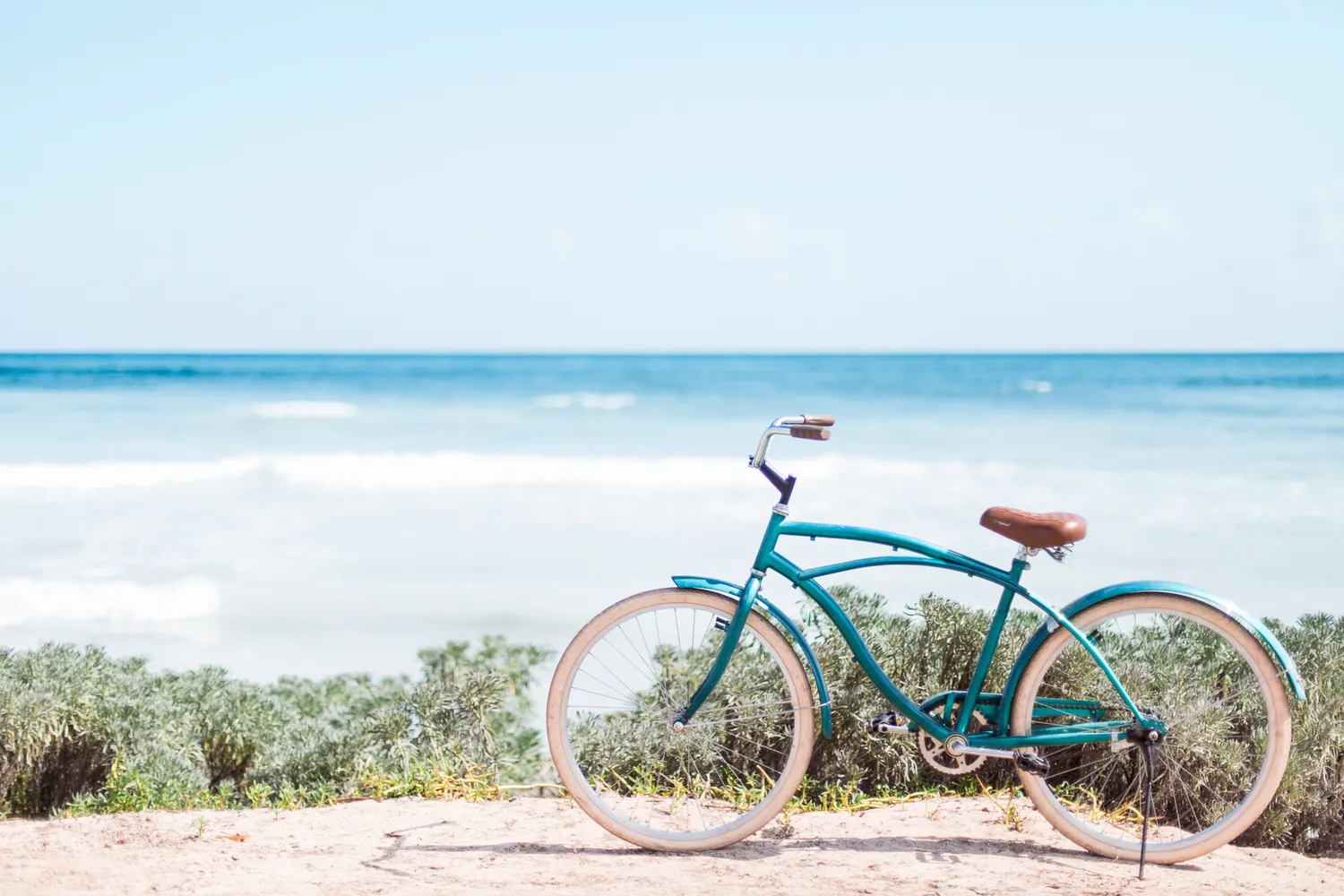
Editor’s Pro Tip: When staying in the jungle districts like La Veleta, rent an electric scooter or a bicycle. It’s the most authentic (and efficient) way to navigate the narrow roads while staying true to the town's eco-conscious ethos.
FAQ
Is Tulum still an eco-friendly destination? While the growth has been rapid, the core boutique hotels are more focused on sustainability than ever. Many operate on solar power, utilize sophisticated water filtration systems, and have strict "no-plastic" policies to protect the delicate ecosystem and the Mesoamerican Reef.
Which part of Tulum is best for a romantic getaway? South Beach is undoubtedly the most romantic. The distance from the busier beach clubs allows for a sense of privacy and "secluded luxury" that is hard to find elsewhere.
How does the Tren Maya affect my stay? The Tren Maya has made day trips to Chichen Itza or Merida significantly easier, allowing you to use Tulum as a luxurious base for exploring the wider Yucatan Peninsula without the need for long, exhausting car rides.
Tulum's evolution from a backpacker’s haunt to a luxury sanctuary has been nothing short of extraordinary. It has managed to grow without losing the "mystical creative energy" that made it famous in the first place. Whether you are sleeping in a sculptural nest at Azulik or watching the stars from your bed at La Valise, the message is clear: the new Boho-Chic is about more than just style. It’s about a deeper, more intentional way of traveling.