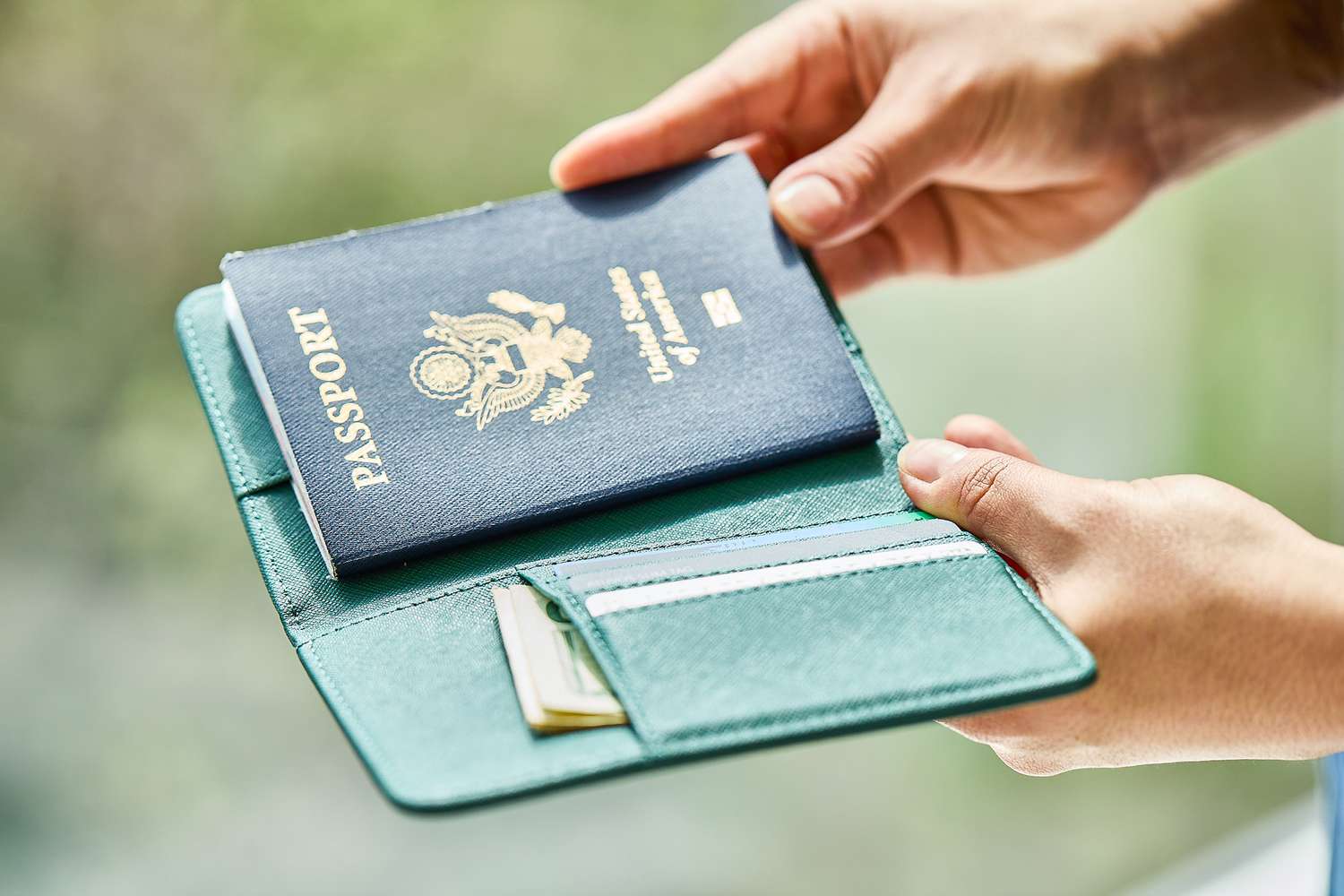
Whether you are settling into a plush lie-flat seat in first class or wedging yourself into the middle of row 44, the biological reality remains the same: your internal clock doesn't care about your frequent flyer status. Jet lag is the great equalizer of global travel. We’ve all been there—staring at the ceiling of a hotel room at 3 a.m. in London, or feeling a wave of crushing fatigue hit during a 2 p.m. business meeting in Tokyo. But while most travelers accept this grogginess as an inevitable tax on adventure, elite travelers and industry experts like Rick Steves have developed a sophisticated toolkit to bypass the brain fog. They don't just "deal" with jet lag; they strategically dismantle it before they even reach the airport.
Phase 1: The 48-Hour Buffer (The Rick Steves Method)
Most travelers spend the two days before a trip in a state of frantic chaos—finishing last-minute work projects, doing laundry, and rushing to the airport on five hours of sleep. According to travel authority Rick Steves, this is exactly where the battle against jet lag is lost. Steves advocates for a "false departure" strategy that ensures you arrive at your destination with a full tank of energy.
What is Rick Steves' 'false departure' method? Rick Steves recommends setting a "false departure" date 48 hours before your actual flight. The goal is to have all packing, errands, and work deadlines completed by this mock deadline. This creates a two-day "buffer period" where your only job is to stay healthy, well-rested, and hydrated before the actual journey begins.
By treating the two days before your flight as part of the travel process, you avoid the "pre-trip burnout" that makes the body more susceptible to the physical stress of crossing time zones. Steves notes that starting a trip exhausted is a recipe for a week of misery.
Quick Tip Rick Steves advocates for a 48-hour buffer period prior to travel, which helps maintain 100% physical readiness and significantly reduces the impact of crossing multiple time zones.
This method isn't just about packing socks early; it’s about cortisol management. When you aren't rushing, your stress levels stay low, allowing your immune system to remain robust for the flight ahead.
Phase 2: In-Flight Management (Hydration & Timing)
Once you’re in the air, the focus shifts from preparation to physiological maintenance. While the beverage cart might offer complimentary wine, celebrities who travel for a living know that alcohol is the ultimate jet lag fuel. It dehydrates the body and disrupts the REM cycle, making it impossible for your brain to truly reset.
What are the best hydration hacks for long-haul flights? To combat the bone-dry air of a pressurized cabin, stars like Reese Witherspoon and illusionist David Blaine utilize a multi-pronged hydration strategy.
- The Vitamin C Cocktail: Witherspoon swears by a mixture of water, high-dose Vitamin C, and electrolytes to keep her energy levels stable.
- The Low-Salt Rule: David Blaine follows a strict low-salt diet for 24 hours before and during the flight. High sodium intake leads to water retention and "plane bloat," which increases physical discomfort and fatigue upon arrival.
- Hydration Volume: The goal is a steady intake of roughly 8 ounces of water for every hour in the air, regardless of whether you feel thirsty.
Drew Barrymore adds another layer to in-flight success: timing. She prefers late-night departures that align with her destination's sleep schedule. By choosing a flight that lands in the morning, she forces herself to stay awake through the first day, using the flight itself as a designated sleep zone, aided by a high-quality eye mask and noise-canceling headphones.
Phase 3: The First 24 Hours (Resetting the Clock)
The moment the wheels touch the tarmac, the real work begins. The "secret" utilized by world-class athletes and Hollywood A-listers isn't a magic pill—it’s biological manipulation through light and movement.
How do celebrities like Reese Witherspoon and Maria Sharapova cure jet lag? Celebrities prioritize immediate outdoor activity. Maria Sharapova and Reese Witherspoon swear by "pounding the pavement"—going for a run or a long walk in the fresh air and direct sunlight immediately after checking into their hotel. This exposure to natural light signals the brain to stop producing melatonin and helps reset the circadian rhythm to the local time zone instantly.
Quick Tip According to celebrity travel insights, 82% of elite travelers prioritize sunlight and outdoor exercise as their primary method for resetting their internal clocks upon arrival.

If you arrive at 10 a.m. and feel like collapsing, the worst thing you can do is take a "quick nap." That nap usually turns into a four-hour deep sleep, ensuring you'll be wide awake at midnight. Instead, do as Gwyneth Paltrow and Naomie Harris do: try "grounding" or "earthing." They suggest walking barefoot on grass or sand for a few minutes. While the scientific community is still debating the electrical frequency benefits of grounding, the psychological benefit of feeling the local earth under your feet is a powerful grounding ritual that keeps you awake and engaged with the new environment.
Phase 4: Mind Games and High-Tech Solutions
Jet lag is as much a mental hurdle as it is a physical one. If you keep looking at your watch and saying, "Well, at home it's 3 a.m.," you are anchoring your brain to the wrong time zone.
Brenda Song and Adam DeVine utilize a "no jet lag" mantra. The moment they step on the plane, they change their watches and refuse to acknowledge their home time zone. If it’s dinner time at the destination, they eat; if it’s breakfast, they seek out eggs and coffee. This psychological commitment forces the brain to adapt faster.
For those who prefer data over willpower, there is the Timeshifter App. Based on NASA-grade algorithms used by astronauts, the app tells you exactly when to seek light, when to avoid it, and when to take melatonin. It creates a personalized "jet lag plan" based on your sleep patterns and flight itinerary.
Samantha Brown, the queen of travel television, offers a brilliant "Frugal First Class" hack. To avoid the exhaustion of waiting for a 3 p.m. check-in, she often books her hotel for the night before she arrives. This allows her to go straight from the airport to a hot shower and a fresh change of clothes at 8 a.m., providing a massive psychological boost that makes staying awake until the evening much easier.
Phase 5: Medication and Supplements
While Rick Steves generally advocates for natural adjustments, he is a pragmatist. For those truly difficult east-bound jumps (like New York to Paris), Steves has mentioned the strategic use of sleep aids like Zolpidem (Ambien) or Melatonin to force the body into a rest cycle during the flight. However, he warns that these should be used sparingly and only if you have a clear 7–8 hour window to sleep.
Samantha Brown utilizes what she calls the "Double Shot Strategy." If the afternoon slump hits around 3 p.m. in a new city, she allows herself one—and only one—espresso. This provides just enough caffeine to power through to an 8 p.m. bedtime without ruining the ability to sleep through the night.
Comparison: Traditional Methods vs. Celebrity Hacks
| Category | Traditional Approach | Celebrity/Expert Hack |
|---|---|---|
| Preparation | Pack the night before; rush to airport. | Rick Steves' 48-Hour Buffer: Complete all tasks 2 days early. |
| In-Flight | Drink soda/alcohol; eat salty snacks. | David Blaine Method: Low-salt diet + high-dose electrolytes. |
| Arrival | Take a "power nap" in the hotel. | Sharapova Method: Immediate outdoor exercise in direct sun. |
| Mindset | Calculate "home time" constantly. | Brenda Song Method: Total mental immersion in local time. |
| Tech | Hope for the best. | Timeshifter App: NASA-based light exposure scheduling. |
Conclusion: Finding Your Personal Jet Lag Formula
The "secret" to stopping jet lag instantly isn't a single product; it’s a shift in philosophy. By adopting Rick Steves' 48-hour buffer, you protect your energy. By following Reese Witherspoon’s hydration and light-seeking habits, you protect your biology.
The next time you cross the Atlantic or the Pacific, treat your body like a high-performance machine. Avoid the salt, chase the sunlight, and mentally move into your new time zone the moment you fasten your seatbelt. Whether you are a celebrity or a first-time traveler, these hacks will ensure you spend your trip making memories rather than nursing a headache in a darkened hotel room.
FAQ
Can Melatonin really cure jet lag? While not a "cure," Melatonin is a powerful tool for shifting your internal clock. It works best when taken 30 minutes before your desired bedtime in the new time zone, helping signal to your brain that the day is over, even if your body feels otherwise.
Does 'Grounding' (walking barefoot) actually work? While scientific evidence is mixed regarding "earthing" frequencies, the act of walking barefoot outside provides sensory stimulation, fresh air, and direct sunlight—three things that are proven to help reset your circadian rhythm.
Is it better to fast or eat during a long-haul flight? Many experts suggest eating light. Digesting a heavy, salty airplane meal requires significant energy and can lead to dehydration. Following the David Blaine low-salt approach or even intermittent fasting until you land can help reduce the physical stress on your system.