Quick Facts
- Primary Causes: Approximately 85% of involuntary downgrades are caused by mechanical "INOP" (inoperable) seat issues or aircraft swaps rather than traditional overbooking.
- Legal Protections: Under US Department of Transportation (DOT) rules, airlines must refund the fare difference between the premium cabin and the cabin received. In the EU and UK, compensation ranges from 30% to 75% of the ticket price based on flight distance.
- Negotiation Leverage: Industry data suggests that 70% of passengers who respectfully escalate their claims receive "goodwill compensation" (miles or vouchers) in addition to the legally required cash refund.
- Immediate Rights: Passengers can choose to accept the downgrade and a refund, or request to be rebooked on the next available flight with a confirmed seat in their original cabin class.
The Reality of Premium Cabin Downgrades
You have spent months planning, thousands of dollars in cash, or hundreds of thousands of hard-earned miles for a "trip of a lifetime" in a business class suite. You arrive at the gate, boarding pass in hand, only to hear the dreaded chime of the scanner and see the agent’s sympathetic wince. Your seat has been reassigned to row 35.
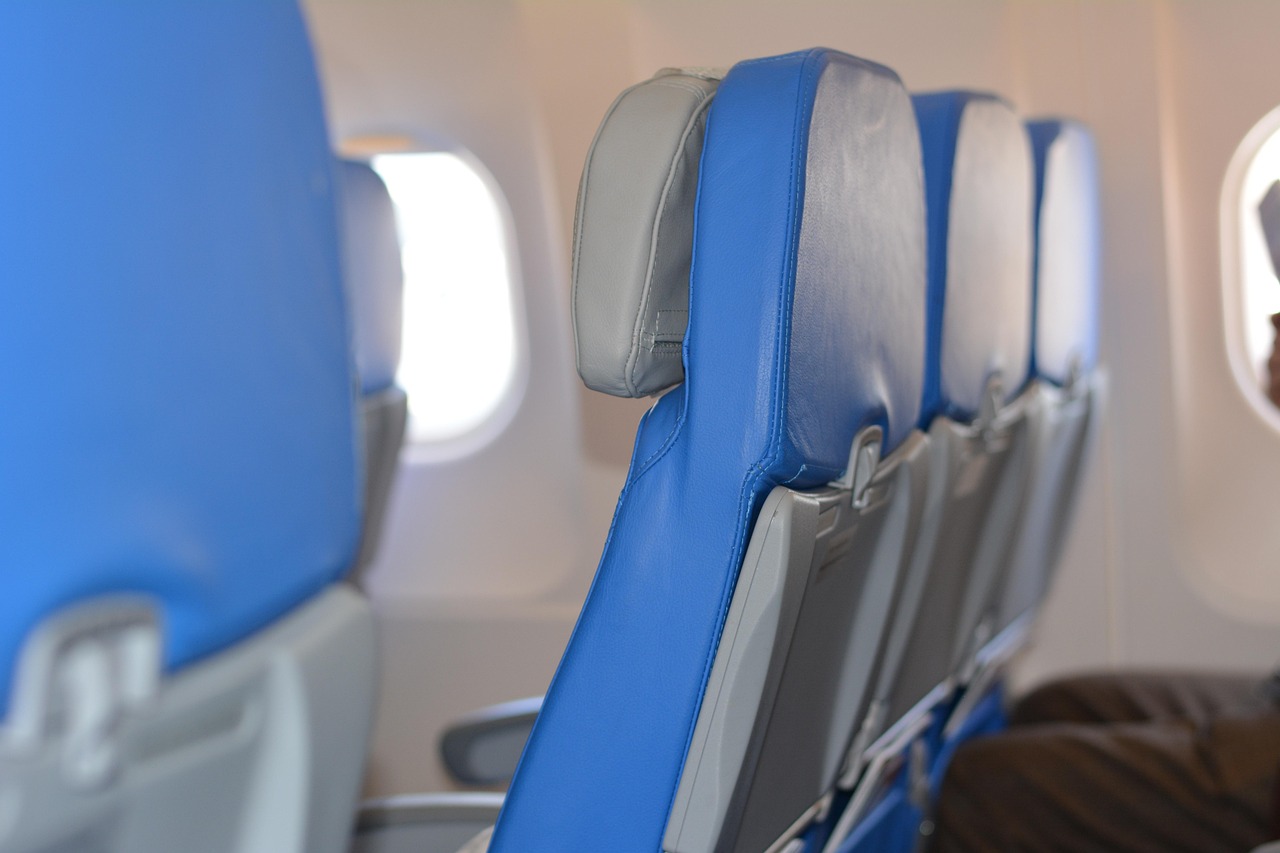
While it may feel like a personal affront, an involuntary downgrade is almost always a result of a cold, calculated operational necessity. From an industry perspective, downgrades are the "necessary evil" of airline logistics. Unlike being "bumped" from a flight entirely due to overbooking—a practice that has declined significantly due to high PR costs—cabin downgrades remain a frequent occurrence. For the traveler, the shift from a lie-flat seat with champagne service to a middle seat in coach is more than a loss of comfort; it is a significant financial and emotional loss that requires immediate, informed action.
Understanding the "Collective Decision" is vital. The gate agent is rarely the person who decided to move you; they are simply executing a directive from the airline’s operations center or a computerized prioritization list. Knowing this allows you to approach the situation not as an adversary, but as a knowledgeable consumer seeking a resolution.
Direct Answer: Why do business class downgrades happen?
Downgrades are typically triggered by three main factors:
- Inoperable (INOP) Seats: If a seat’s safety belt, oxygen mask, or reclining mechanism fails, it cannot be occupied for takeoff or landing.
- Equipment Swaps: A last-minute change from a larger aircraft (e.g., a Boeing 787-9) to a smaller one (e.g., a 787-8) often results in a smaller premium cabin, leaving some passengers without seats.
- Operational Mandates: On ultra-long-haul flights, certain premium seats may be reserved for mandatory pilot rest if the dedicated crew bunks are unavailable.
Why Business Class Downgrades Happen
The internal mechanics of an airline are complex, and the premium cabin is often the first area to suffer when things go wrong. Safety is the primary driver. If a business class seat is designated as "INOP" (inoperable), it isn't just a matter of the television not working. Under FAA and international safety regulations, if a seat cannot lock in the upright position or if its safety restraints are compromised, it must remain empty. In these scenarios, the airline must move a passenger, and that person is often chosen based on status, fare class, or the time they checked in.

Operational logistics play an equally significant role. Aircraft swaps happen frequently due to maintenance delays elsewhere in the network. If the inbound aircraft has a technical fault, the airline may substitute it with a smaller plane to avoid a total cancellation. While this keeps the flight moving, it creates a "surplus" of business class passengers. Furthermore, international mandates regarding crew rest are non-negotiable. If a long-haul flight requires a four-pilot crew, and the designated pilot rest area is broken, the airline is legally required to block off business class seats for them, regardless of who paid for those seats.
Immediate Steps: What to Do at the Gate
When the gate agent informs you of a downgrade, your initial reaction will likely be frustration. However, your behavior in the next ten minutes will largely dictate the level of compensation you eventually receive. You have two primary paths:
Option A: Accept the Downgrade and Claim the Fare Difference
If you must get to your destination on time—perhaps for a wedding or a crucial business meeting—you can choose to fly in the lower cabin. If you take this route, ensure the gate agent "marks" your record. Do not simply walk onto the plane. Ask them to confirm in the system that this was an involuntary downgrade and request a printed document or a receipt stating the change in service class.
Option B: Demand Rebooking on the Next Available Flight
You are not obligated to accept the downgrade. You can request that the airline rebook you on the next available flight (either on their own metal or a partner airline) that has a confirmed seat in your original cabin. In many cases, if the downgrade is due to an equipment swap, there may be seats available on a flight departing just a few hours later.

The Golden Rule: Maintain professional composure. Data from traveler advocacy reports indicates that 70% of passengers who respectfully escalate downgrade claims receive additional "goodwill compensation"—such as 25,000 to 50,000 miles or several hundred dollars in travel vouchers—beyond the legally required fare refund. A screaming passenger rarely gets more than the bare minimum.
Pro-Tip: Gate-Side Negotiation Checklist
- Verify the reason: Ask specifically if it is an INOP seat or an equipment swap.
- Check other flights: Use your phone to look for alternative flights with business class availability before you reach the desk.
- Request a 'Downgrade Kit': Some airlines have physical or digital kits that outline your rights and the next steps for compensation.
- Photograph your boarding pass: Both the original and the new one. These are your primary pieces of evidence.
Understanding Your Compensation Rights
The amount of money you are owed depends heavily on the jurisdiction of your flight. This is where "Airline Math" often complicates matters for the average traveler.
US Department of Transportation (DOT) Rules
In the United States, the rules are straightforward but often less generous than European counterparts. The DOT requires airlines to refund the difference in fare. However, the "difference" is calculated based on what the coach fare was at the time you booked your original business class ticket, not what a coach ticket costs on the day of travel.
In 2024, the DOT introduced new refund updates that mandate automatic refunds for significant service changes, including downgrades to a lower class of service. If you paid with a credit card, the airline is required to process the refund within seven business days.
EU/UK Protections (EC261/UK261)
If your flight departs from an EU/UK airport, or is operated by an EU/UK carrier arriving into the EU/UK, you are protected by much more robust regulations. Instead of a simple "fare difference," you are entitled to a percentage of the total ticket price.
| Flight Distance | Compensation Percentage |
|---|---|
| 1,500 km or less | 30% of the ticket price |
| 1,500 km to 3,500 km | 50% of the ticket price |
| Over 3,500 km | 75% of the ticket price |
Negotiating Beyond the Fare Difference
Airlines are notorious for using "Historical Fare Comparison" to minimize the refund. They might argue that since you bought a $4,000 business class ticket and the "full-fare" coach ticket at that time was $3,800, you are only owed $200. This is logically flawed but legally common.
To counter this, you must pivot the conversation toward "Goodwill Compensation." This is where you ask for miles, lounge passes, or future travel vouchers to bridge the gap between the measly fare difference and the actual loss of experience. If you are a frequent flyer, emphasize your loyalty. If the flight is a long-haul (over 8 hours), point out the physical toll of losing a lie-flat seat.

Award Tickets vs. Cash If you booked your seat using miles, your rights remain identical. You are entitled to a refund of the difference in mileage between the two cabins. If the airline claims they cannot refund miles for a "partial" journey, remind them that DOT policy requires a pro-rated refund regardless of the payment method.
How to File a Formal Claim
Do not expect the airline to contact you with a check. You must initiate the process.
- Submit an Internal Claim: Use the airline’s official "Contact Us" or "Complaints" portal. Be concise. State your flight number, date, original seat, and the seat you were assigned. Use the phrase: "I am requesting the legally mandated refund for an involuntary downgrade under DOT (or EC261) regulations."
- The Timeline: Airlines are generally required to acknowledge your complaint within 30 days and provide a substantive response within 60 days.
- External Escalation: If the airline offers an insultingly low refund or ignores your claim, file a formal complaint with the DOT Aviation Consumer Protection Division. Airlines take these complaints seriously because they are tracked and published in monthly reports that affect the airline's ranking.

FAQ
Q: Can I refuse the downgrade and get a full refund for the entire trip?
A: Yes. If the airline cannot provide the service you paid for, you can treat it as a significant change of contract. You are entitled to a full refund of the unused portion of your ticket and any baggage fees or seat assignment fees paid.
Q: What if only one leg of my multi-city journey is downgraded?
A: You are entitled to a pro-rated refund for the specific segment that was downgraded. The airline will calculate the value of that leg relative to the total ticket price.
Q: Will the airline provide me with food or lounge access if I'm downgraded?
A: While not legally required for the downgrade itself, most premium airlines will allow you to use the Business Class lounge before the flight as a gesture of goodwill, especially if you had access originally. Always ask at the lounge desk.
Take Control of Your Flight Rights
An involuntary downgrade is a significant disruption, but it doesn't have to be a total loss. By knowing the difference between US and EU regulations, documenting every interaction, and negotiating for goodwill miles, you can often recoup a value that far exceeds the literal "fare difference."
Stay informed on the latest passenger rights by visiting official government dashboards: