Quick Facts
- Best for Romance: Rovinj, Croatia
- Best for History: Rothenburg ob der Tauber, Germany
- Best for Nature: Seyðisfjörður, Iceland
- Best Alpine Escape: Zermatt, Switzerland
- Top Hidden Gem: Gangi, Sicily
- Best Cultural Heritage: Telč, Czech Republic
- Best Coastal Alternative: Cadaqués, Spain
Europe’s most beautiful small towns offer diverse experiences ranging from the alpine peaks of Zermatt and Zell am See to the sun-drenched Adriatic coast of Rovinj. Historic destinations like Rothenburg ob der Tauber and Óbidos feature well-preserved medieval architecture and cobblestone streets. These locations provide a slower pace of travel compared to major cities, allowing visitors to immerse themselves in regional gastronomy and authentic local culture.
Looking for the most beautiful small towns in Europe? From the cobblestone alleyways of medieval villages to the dramatic alpine landscapes of hidden gems, Europe offers endless charm beyond its major cities. In 2026, many of the best small towns in Europe provide an authentic local culture and a slower pace for travelers wanting to avoid the crowds. Whether you seek fairytale villages in Europe to visit or underrated coastal gems, this guide highlights 17 must-see destinations for your next journey.
1. Mediterranean & Adriatic Coastal Gems
The allure of the Mediterranean isn't just in its famous capitals but in the quiet salt air of its fishing villages. As travelers look for more intimate connections with the sea, these coastal sanctuaries prioritize historical depth over modern commercialization.
Rovinj, Croatia
- Population: 14,000
- Best For: Romantic sunsets and seafood
- Accessibility: 40-minute drive from Pula Airport
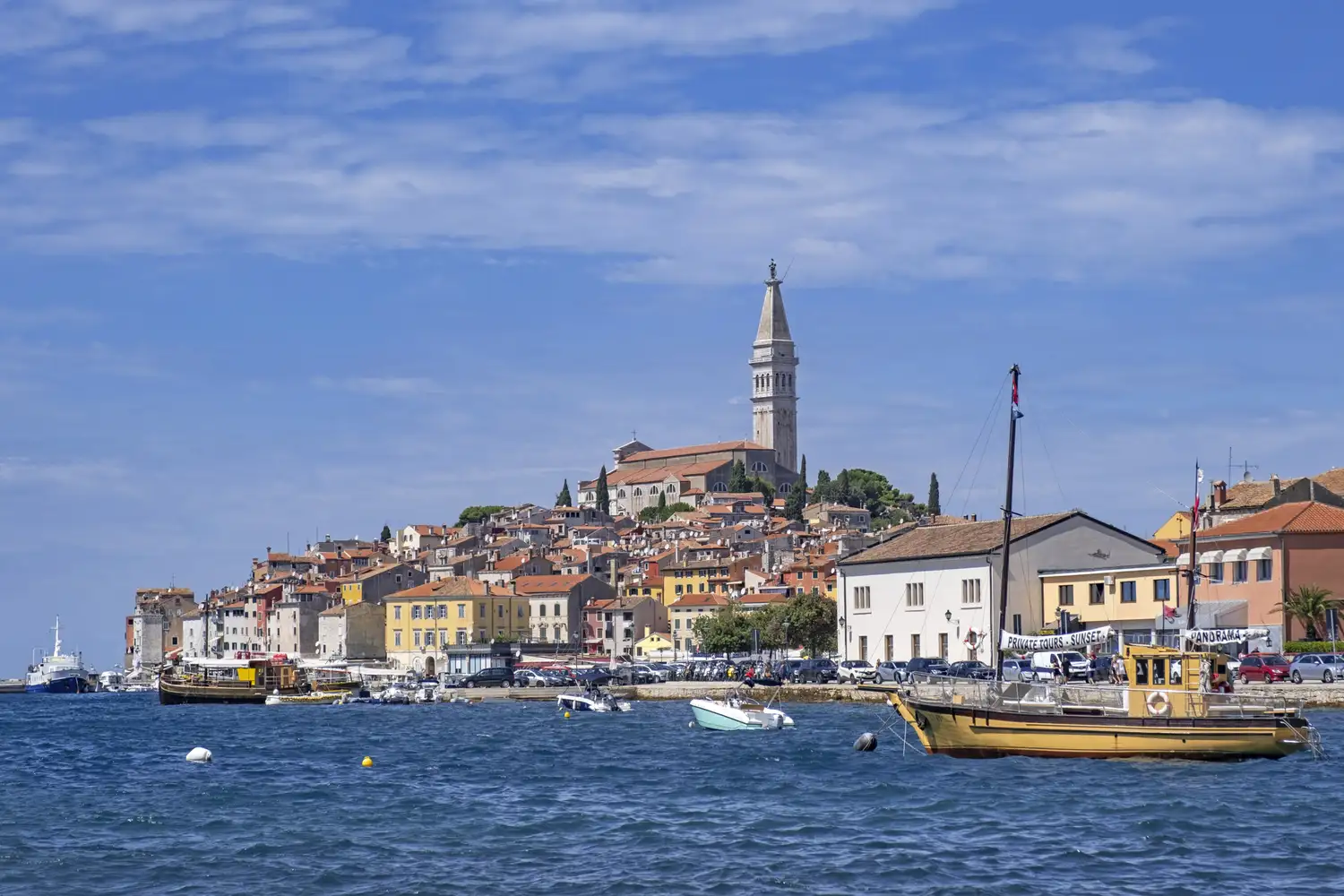
Often called the Venice of the Adriatic, Rovinj sits on a heart-shaped peninsula where houses rise directly from the water. The town is a labyrinth of steep, polished cobblestone alleyways that lead upward to the Church of St. Euphemia. In 2026, it remains a premier choice for those seeking the most romantic small towns in europe, offering a distinct Venetian character without the canals. The local gastronomy features Istrian truffles and freshly caught sardines, best enjoyed at a waterfront table as the sun dips below the horizon.
Pyrgi, Greece
- Population: 1,200
- Best For: Geometric architectural photography
- Accessibility: Daily ferry or flight to Chios, followed by local bus
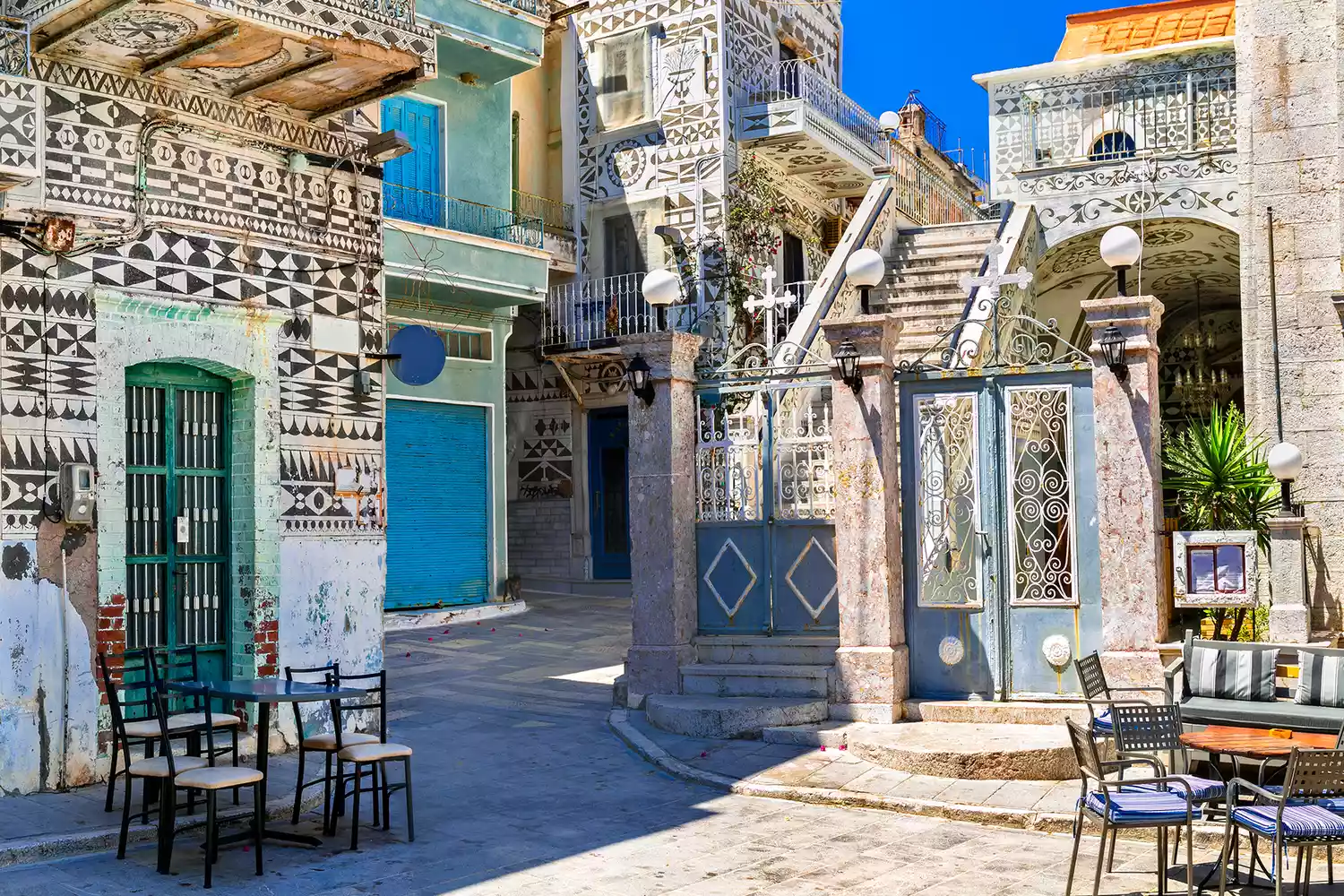
Located on the island of Chios, Pyrgi is unlike any other village in the Aegean. Known as the painted village, it is famous for its xysta, a technique where plaster is engraved with complex geometric designs in black and white. This tradition has been preserved for centuries, creating a visual rhythm that defines every building, from the local bank to the cathedral.
Expert Tip: Visit in late summer to witness the mastic harvest. Pyrgi is the center of the world's only mastic-producing region, and you can see the resin "tears" drying beneath the trees.
Cadaqués, Spain
- Population: 2,700
- Best For: Surrealist history and secluded bays
- Accessibility: Scenic two-hour drive from Barcelona
Once the refuge of Salvador Dalí, Cadaqués serves as a perfect destination dupe for overcrowded party islands like Ibiza. The white-washed buildings and blue shutters provide a stark contrast against the rugged Costa Brava cliffs. It retains an isolated charm because the road into town is famously winding and narrow, keeping large tour buses at bay.
Sozopol, Bulgaria
- Population: 4,300
- Best For: Ancient history and art festivals
- Accessibility: 35-minute drive from Burgas
Perched on a rocky peninsula in the Black Sea, Sozopol is one of Bulgaria's oldest towns. Its historic old quarters feature distinctive 18th-century wooden houses built over stone foundations. If you visit in early September, you can experience the Apollonia Arts Festival, which transforms the amphitheater into a hub of contemporary Balkan culture. It is frequently cited as one of the prettiest small towns in europe for its blend of ancient ruins and sandy beaches.
2. Alpine Peaks and Nordic Wonders
The northern reaches and high altitudes of the continent offer a different kind of drama. Here, the landscape dictates the lifestyle, resulting in communities that are as resilient as they are beautiful.
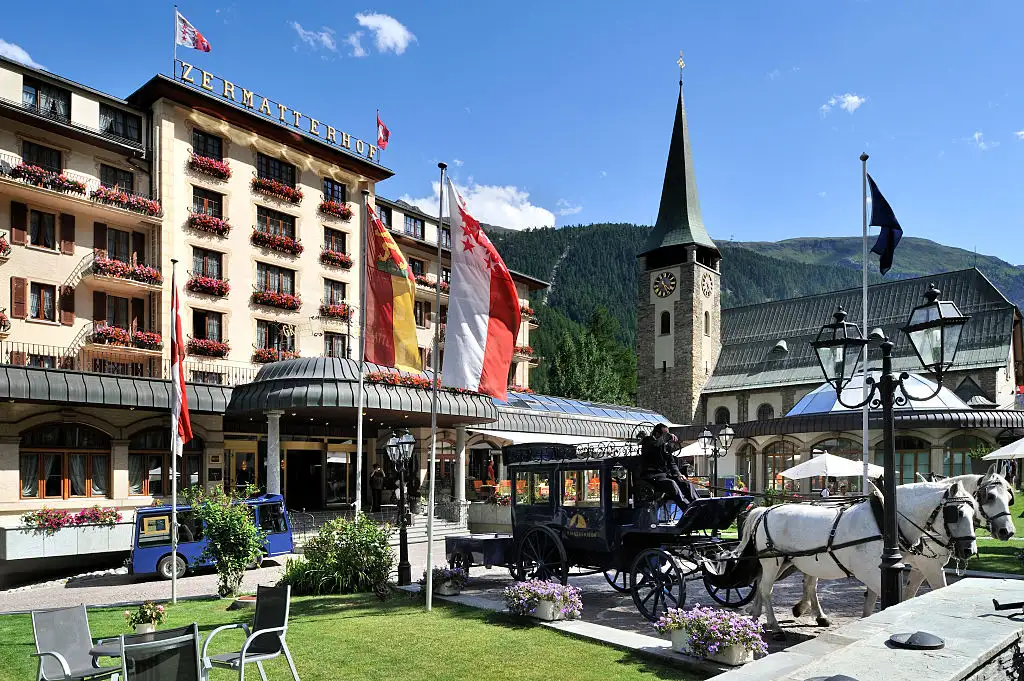
Zermatt, Switzerland
- Population: 5,800
- Best For: Year-round skiing and luxury trekking
- Accessibility: Strictly car-free; accessible via the Matterhorn Gotthard Bahn train
Zermatt is the ultimate alpine escape, defined by the jagged silhouette of the Matterhorn. In 2026, the newly expanded Matterhorn Alpine Crossing allows travelers to transit to Italy via the highest border crossing cable car in the world. Despite its fame, the village maintains a quiet atmosphere because cars are banned; only small electric taxis and horse-drawn carriages navigate the streets. It is a crown jewel among fairytale villages in europe to visit for those who love high-altitude adventure.
Zell am See, Austria
- Population: 10,000
- Best For: Lakeside wellness and vintage rail travel
- Accessibility: Direct trains from Salzburg
Nestled between Lake Zell and the Schmittenhöhe mountain, this town offers a double-threat of activities. While the lake provides crystal-clear swimming in summer, the surrounding peaks offer world-class winter sports. To experience the region's authentic local culture, take a ride on the Pinzgauer Lokalbahn, a narrow-gauge railway that uses vintage diesel and steam locomotives to navigate the valley.
Seyðisfjörður, Iceland
- Population: 700
- Best For: Artistic isolation and fjord scenery
- Accessibility: 30-minute mountain pass drive from Egilsstaðir
Seyðisfjörður is the creative heart of East Iceland. Surrounded by mountains on three sides and a deep fjord on the fourth, its colorful wooden houses were brought over as kit homes from Norway in the early 20th century. The town is famous for its blue church and the rainbow-painted path leading to it, making it one of the most photogenic small towns europe has to offer for those willing to venture off-the-beaten-path.
Ålesund, Norway
- Population: 67,000 (Greater area, town center is compact)
- Best For: Art Nouveau architecture and seafood gastronomy
- Accessibility: International airport with direct flights from Oslo
After a devastating fire in 1904, Ålesund was rebuilt entirely in the Jugendstil (Art Nouveau) style. The result is a town of turrets, spires, and intricate stone carvings that looks more like a film set than a functional port. Climb the 418 steps to the Aksla viewpoint for a panoramic look at how the town's historic old quarters spread across several islands into the Atlantic.
3. Storybook Medieval Architecture
Walking through these towns feels like stepping into a historical record. With well-preserved town walls and half-timbered buildings, they represent the architectural pinnacle of the Middle Ages and the Renaissance.
Rothenburg ob der Tauber, Germany
- Population: 11,000
- Best For: Medieval immersion and Christmas markets
- Accessibility: Regional trains from Nuremberg or Munich
This is the quintessential German town that inspired the Brothers Grimm. Rothenburg is one of the few places where the medieval architecture is almost entirely intact, including its massive stone walls which you can still walk upon today. The town's Plönlein—a small fork in a cobblestone road featuring a yellow half-timbered house—is perhaps the most photographed spot in the country. It remains a staple in any guide to 50 most beautiful villages and small towns in europe.
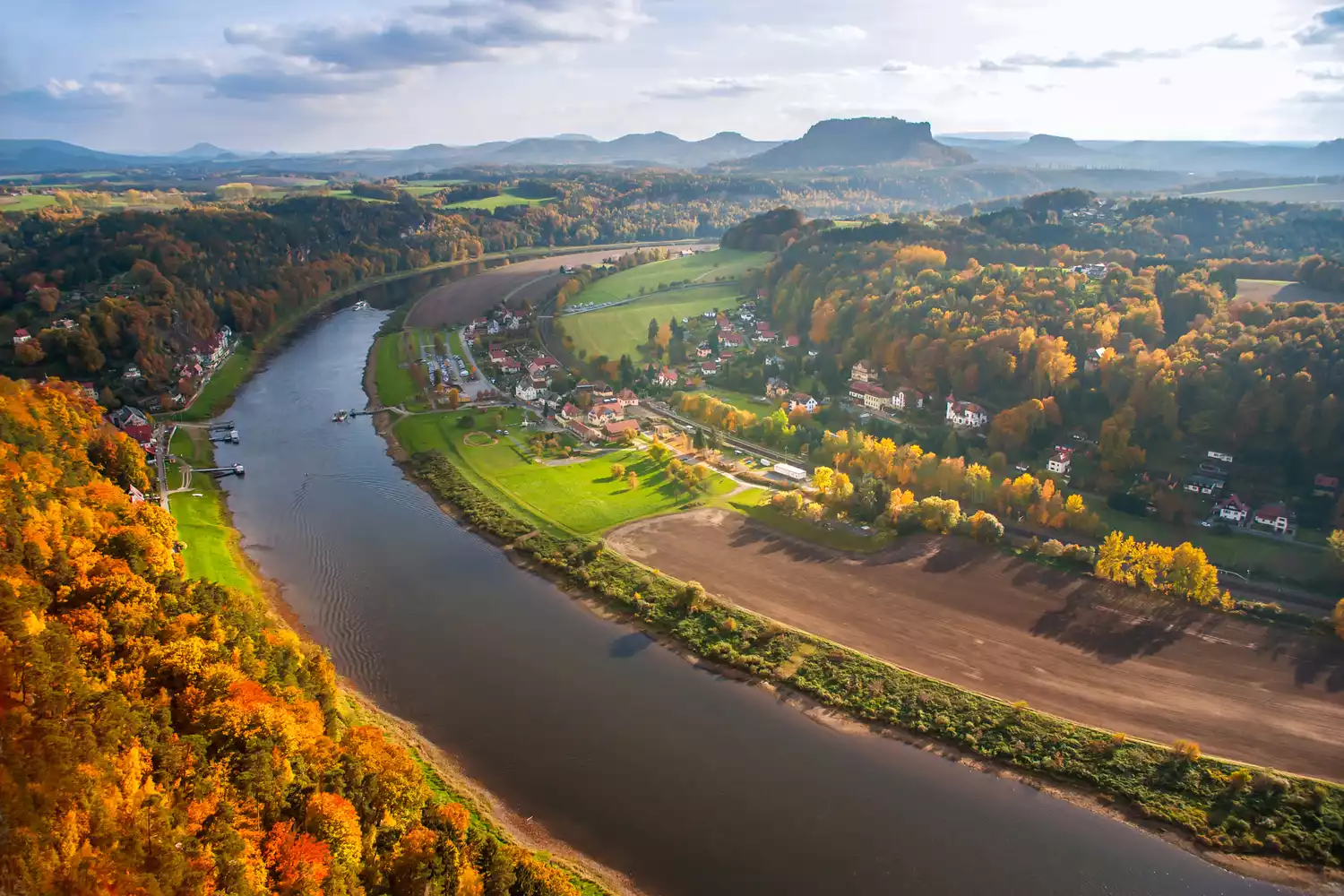
Hallstatt, Austria
- Population: 780
- Best For: UNESCO heritage and salt mine history
- Accessibility: Train and ferry combination via Attnang-Puchheim
Hallstatt looks like it was carved directly out of the mountainside. As a UNESCO World Heritage site since 1997, it holds immense historical value, particularly for its salt mines which date back 7,000 years. However, its beauty has made it a flashpoint for modern travel issues. The town manages daily tourist numbers ranging from 10,000 to nearly 30,000 despite having a permanent population of fewer than 800 people. Visiting during the shoulder seasons of 2026 is essential for a peaceful experience.
Óbidos, Portugal
- Population: 3,100
- Best For: Literature and local liqueurs
- Accessibility: One-hour bus from Lisbon
Surrounded by a classic crenelated wall, Óbidos was traditionally the wedding gift of Portuguese kings to their queens. Today, it is a designated UNESCO City of Literature, where books are sold in converted churches and post offices.
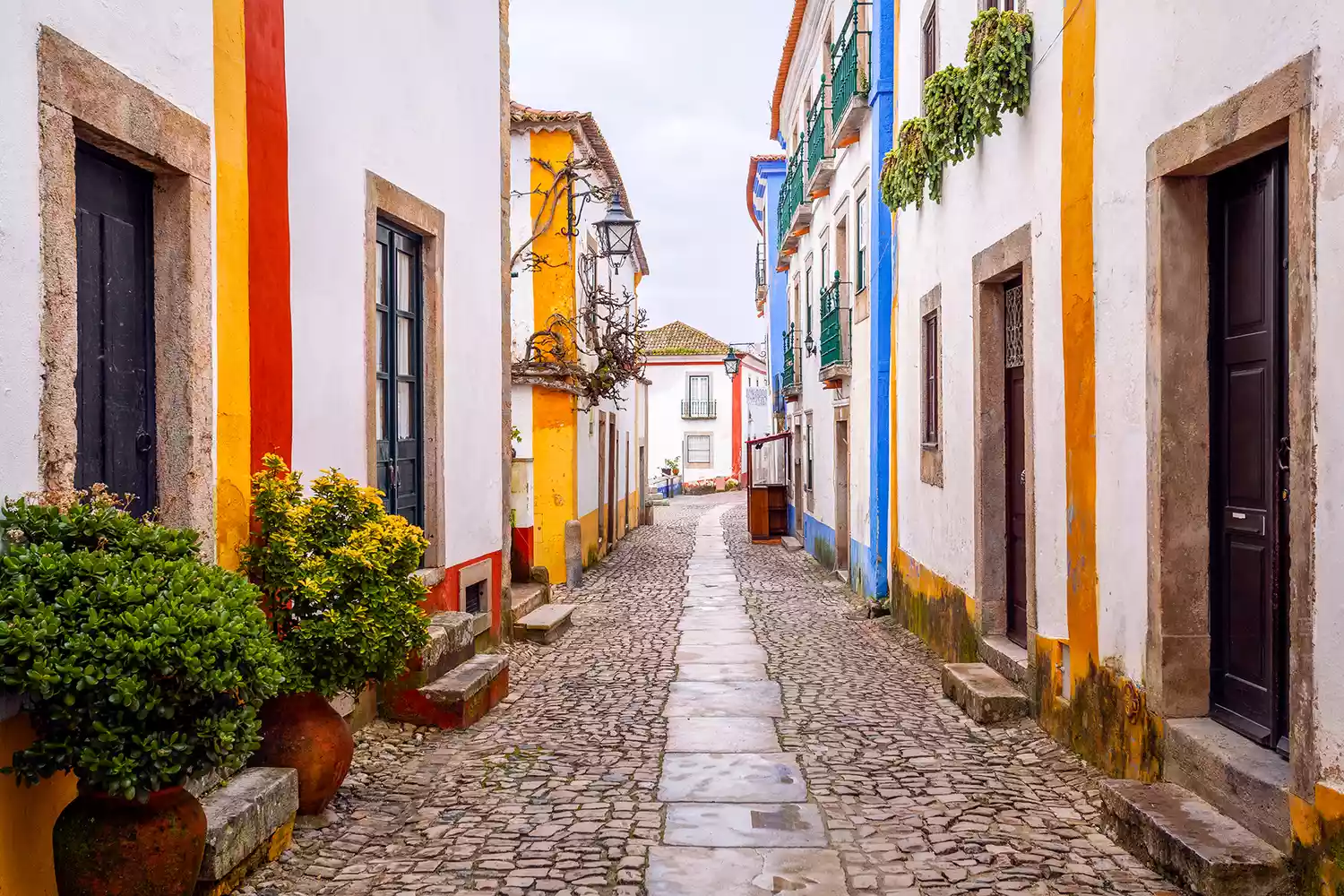
Micro-Destination: Stop at any small tavern to try Ginja de Óbidos. This sour cherry liqueur is served in a small edible chocolate cup—the ultimate example of regional gastronomy.
Telč, Czech Republic
- Population: 5,200
- Best For: Renaissance and Baroque façades
- Accessibility: Three-hour bus or train from Prague
The main square of Telč is often cited as the most beautiful in the Czech Republic. Each house is connected by a continuous system of delicate arcades, with ornate gables painted in pastel shades. It is a Renaissance jewel that feels frozen in time, offering a more tranquil alternative to the crowded streets of Prague while maintaining equally impressive UNESCO-recognized history.
4. Hidden Gems and Overtourism Alternatives
For 2026, the trend of slow travel emphasizes finding underrated small towns in europe with no crowds. These destinations offer the same cultural richness as their famous neighbors but at a fraction of the foot traffic.
Gangi, Sicily
- Population: 6,500
- Best For: Hilltop views and traditional Sicilian life
- Accessibility: Two-hour drive from Palermo or Catania
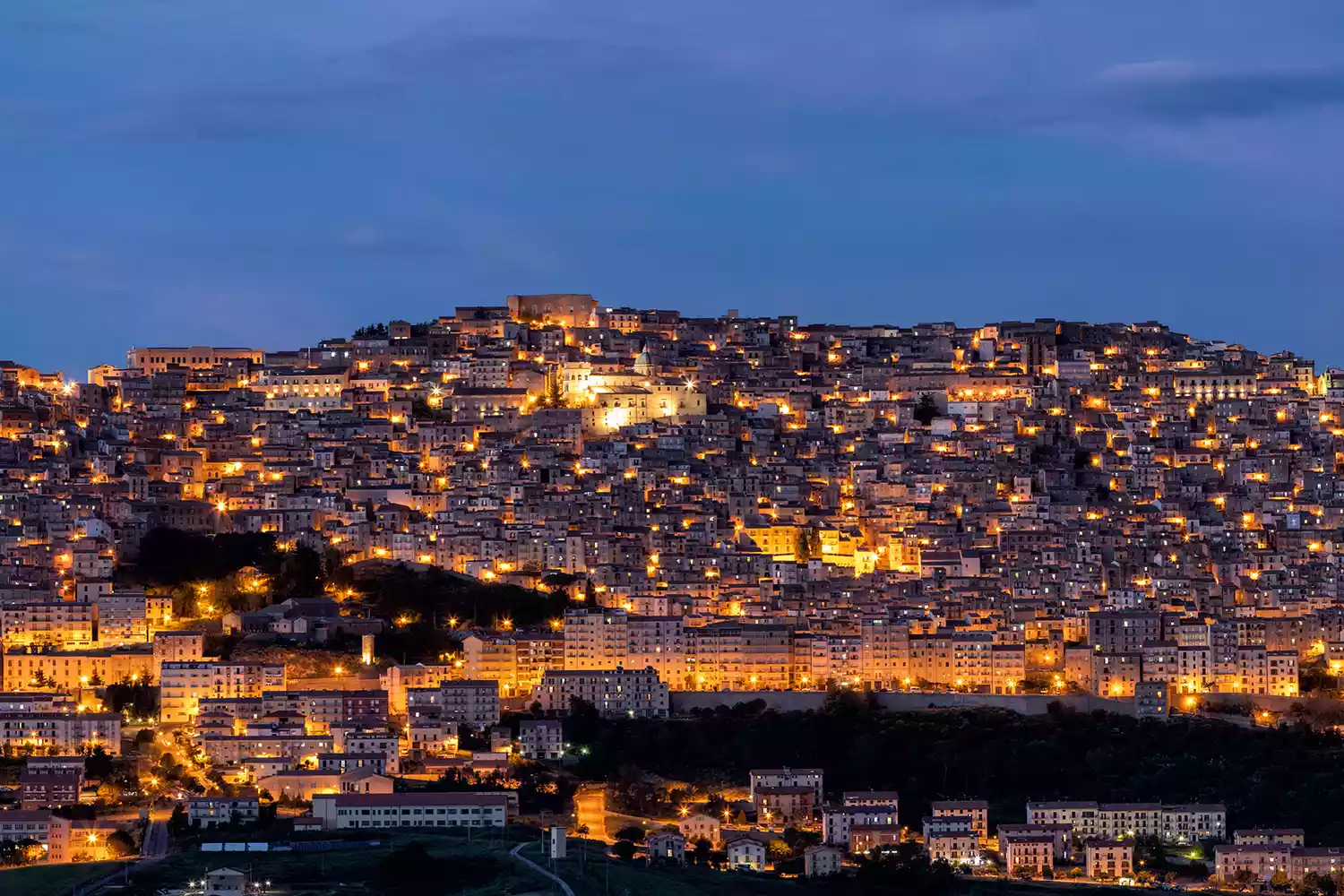
Often referred to as the Pinocchio town because of its wooden craft traditions, Gangi is a vertical labyrinth of stone houses clinging to Mount Marone. It gained fame for its one-euro house schemes, but the true draw is the lack of traditional tourism. Here, you can watch the evening passeggiata (social stroll) in the main square and enjoy authentic Sicilian life without a selfie stick in sight. It is a premier choice for hidden gem small towns in europe 2026.
Saint-Jean-de-Luz, France
- Population: 14,000
- Best For: Basque culture and calm swimming bays
- Accessibility: Short train ride from Biarritz or San Sebastián
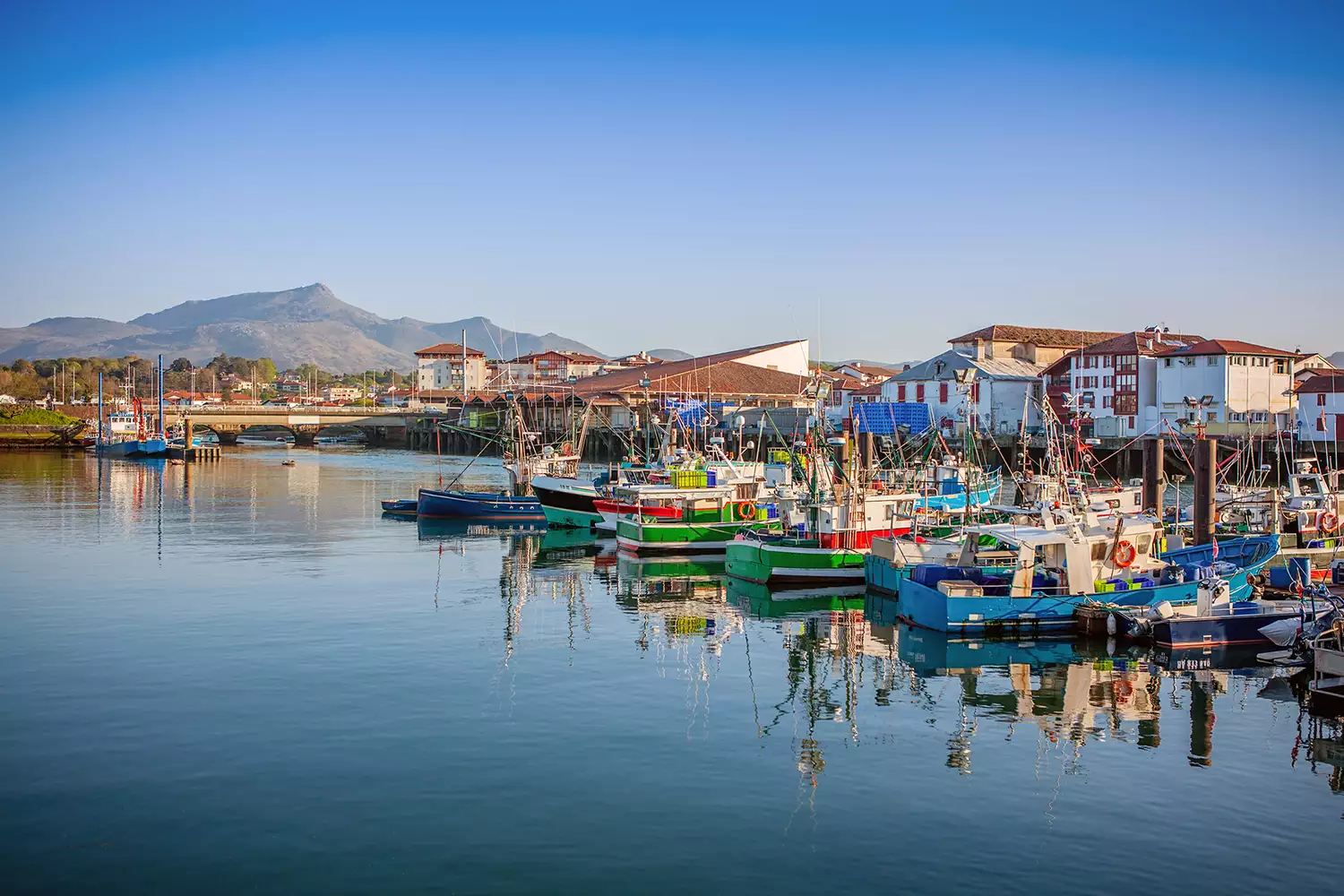
While nearby Biarritz attracts the surfing crowds and high-end boutiques, Saint-Jean-de-Luz remains a quiet fishing port with deep ties to Basque history. This is where Louis XIV married Maria Theresa of Spain in 1660, and you can still visit the ornate church where the royal wedding took place. Its sheltered bay makes it ideal for families seeking a peaceful seaside retreat.
Ambleside, England
- Population: 2,600
- Best For: Lake District hiking and literary history
- Accessibility: Train to Windermere, followed by a local bus or ferry
Located at the head of Lake Windermere, Ambleside is a gateway to some of the most dramatic alpine landscapes in the UK. This town is a hub for walkers and enthusiasts of William Wordsworth and Beatrix Potter. The Bridge House, a 17th-century structure built over Stock Ghyll, is one of the Lake District’s most iconic tiny landmarks.
Otepää, Estonia
- Population: 2,100
- Best For: Winter sports and forest wellness
- Accessibility: Two-hour drive from Tallinn
Known as the winter capital of Estonia, Otepää is situated among rolling hills and lakes. While it thrives during cross-country skiing season, it is a hidden gem in summer for those wanting to explore the deep forests of the Baltics. The local culture is deeply tied to nature, with saunas and forest foraging playing a central role in daily life.
Visby, Sweden
- Population: 24,000
- Best For: Hanseatic history and rose-covered ruins
- Accessibility: Ferry or flight from Stockholm to Gotland
Located on the island of Gotland, Visby is the best-preserved medieval walled city in Scandinavia. During the summer, it becomes a hub of activity, but its Hanseatic heritage is visible year-round in the limestone ruins of its churches. The town is famous for its roses, which bloom throughout the cobblestone alleyways even late into the autumn, earning it the nickname the town of roses and ruins.
FAQ
What are the most beautiful small towns in Europe?
Determining beauty is subjective, but towns like Hallstatt, Zermatt, and Rovinj consistently top global lists due to their unique geographical settings and incredibly well-preserved historic old quarters. Each region offers a different aesthetic, from the white-washed walls of Greece to the half-timbered houses of Germany.
Which small town in Europe is the best to visit?
The best town depends on your travel style. For romance and coastal views, Rovinj is unmatched. For outdoor adventure and mountain scenery, Zermatt is the gold standard. If you are looking for pure historical immersion, Rothenburg ob der Tauber provides the most complete medieval experience.
What are the hidden gems in Europe for small towns?
In 2026, towns like Gangi in Sicily and Otepää in Estonia are perfect hidden gem small towns in europe 2026. These locations allow you to avoid the crowds that often plague major capitals, providing a more intimate connection with the local community.
Is it easy to travel between small towns in Europe?
Yes, particularly in Western and Central Europe where train networks are extensive. Many small towns in europe are connected by local transit systems, though some hidden gems may require a rental car or regional bus to reach.
What is the best way to get around small towns in Europe?
The best way to travel around small towns is a combination of regional trains and walking. Many of these towns have pedestrian-only centers. For more remote locations like those in Iceland or Sicily, a car gives you the flexibility to explore at a slow travel pace.