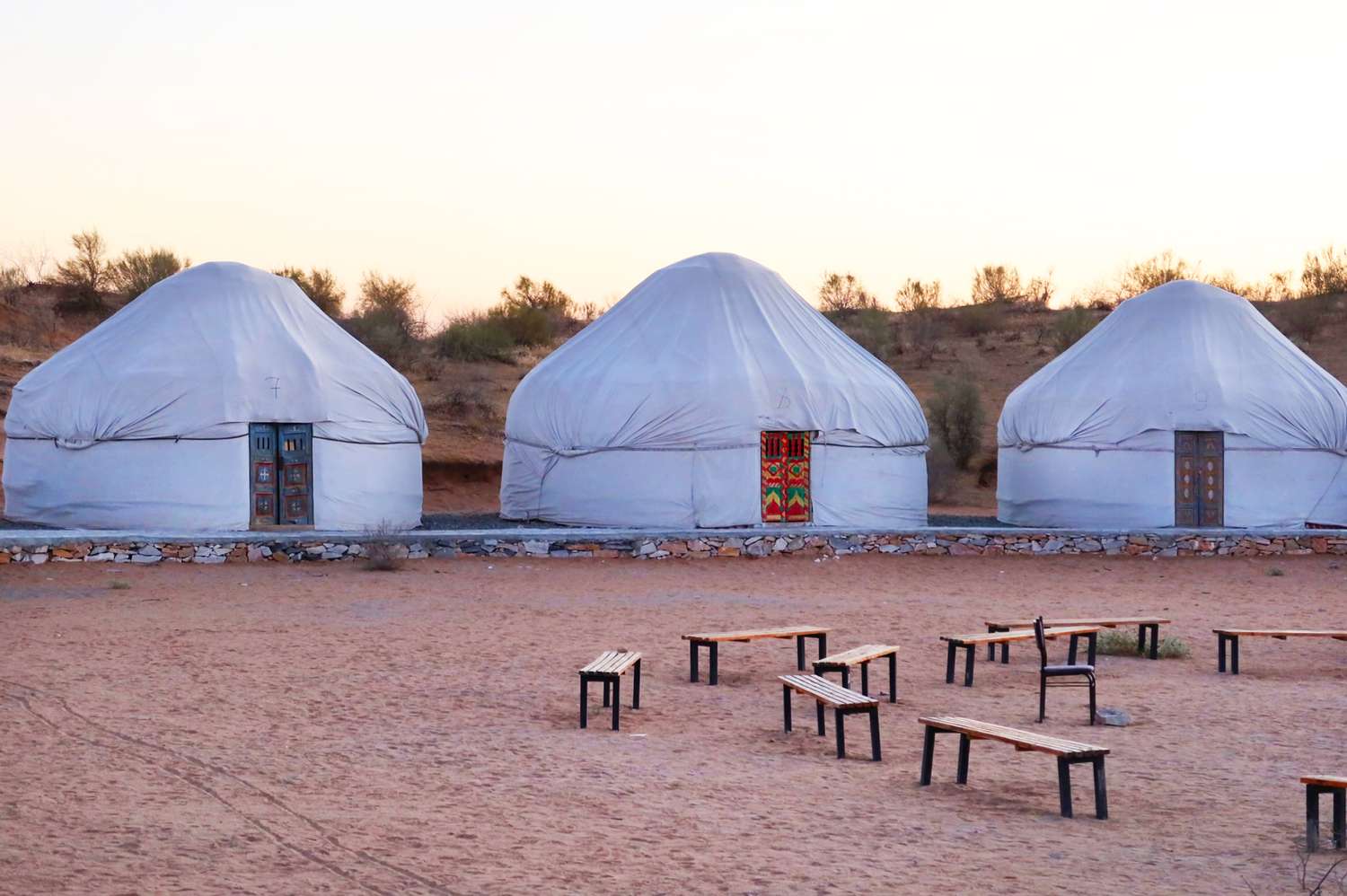
Much of the information available online about Iceland is rapidly becoming outdated. Since 2021, the Reykjanes Peninsula has transformed from a quiet volcanic field into a living laboratory of frequent eruptions, while once-hidden gems have entered the mainstream spotlight. In 2026, traveling to Iceland requires more than just a rental car and a raincoat; it requires an understanding of a landscape that is quite literally being rewritten by fire and ice.
The earth feels alive under your feet here—an island of greenery amidst vast fields of black sand. To truly experience Iceland, one must balance its rugged nature with its sophisticated culture. For nature enthusiasts, the highlights remain the hiking trails of Landmannalaugar, the floating icebergs of the Jökulsárlón Glacier Lagoon, and the thunderous waterfalls of the South Coast like Háifoss. Culturally, the journey is anchored in Reykjavik, where landmarks like the Hallgrímskirkja church and the National Gallery of Iceland offer a deep dive into the Icelandic soul.
For those venturing into the interior, timing is everything: the best window to visit the Highlands, including the iconic Mælifell and Landmannalaugar, is between mid-June and mid-September, when F-roads are cleared of snow and the weather turns milder.
I. Reykjavik: The Cultural Capital
While many use the capital merely as a refueling station, Reykjavik has evolved into a world-class cultural hub. The city’s "101" district is a maze of colorful iron houses, indie boutiques, and galleries that punch far above their weight.
1. Hallgrímskirkja Church
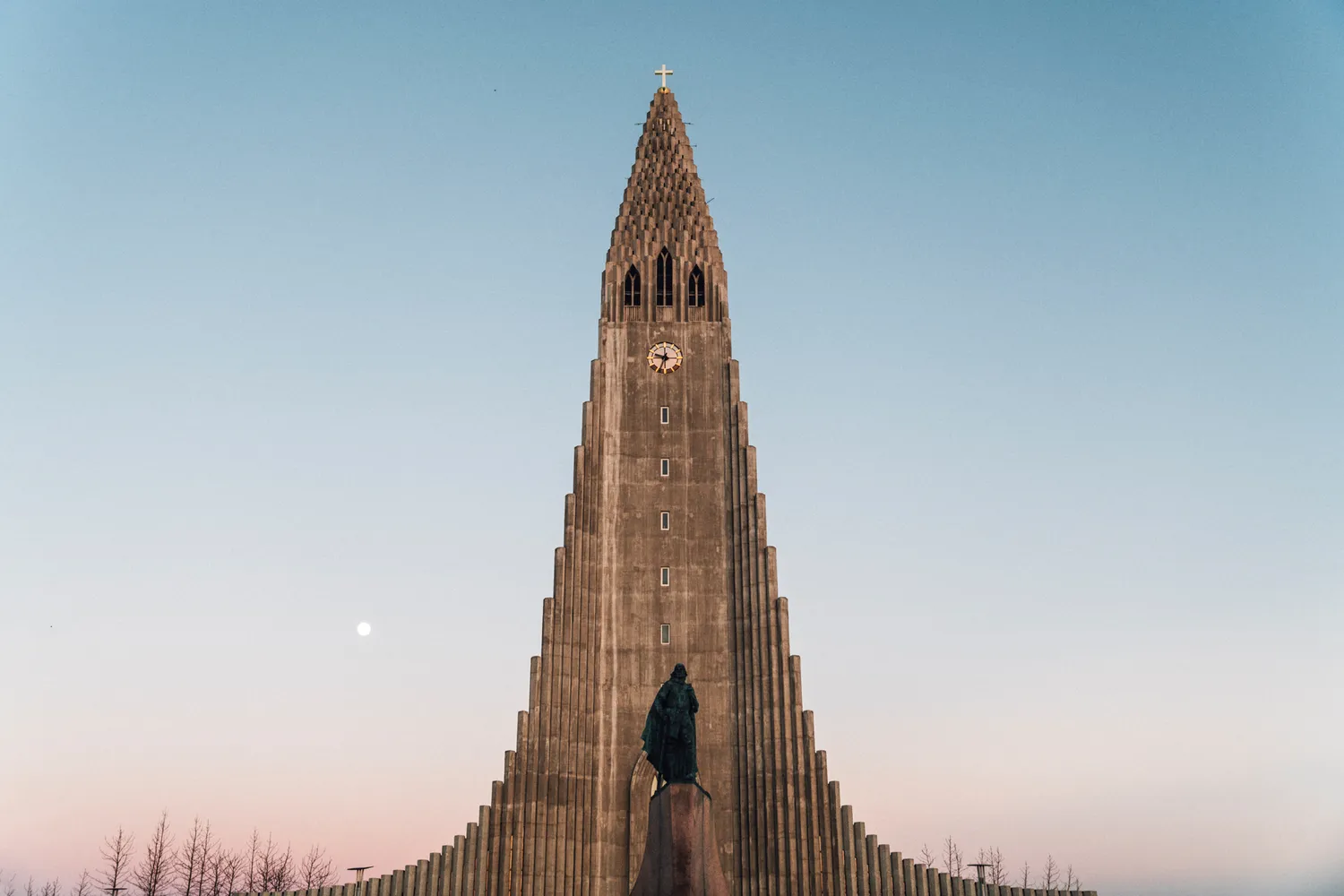
Dominating the skyline at 74.5 meters tall, Hallgrímskirkja is perhaps the most recognizable silhouette in Iceland. Its design, envisioned by architect Guðjón Samúelsson, was intended to mimic the basalt columns found throughout the country. For 1,200 ISK, you can take an elevator to the bell tower for a 360-degree panorama of the city's primary-colored roofs and the surrounding Faxaflói Bay.
2. The National Gallery of Iceland (Listasafn Íslands)
For those who want to understand the Icelandic psyche, this gallery is essential. It houses a massive collection of over 14,000 artworks spanning the 19th, 20th, and 21st centuries. The exhibits often focus on how the island's isolation and volatile nature have shaped its artistic expression, moving from traditional landscape painting to avant-garde installations.
3. Harpa Concert Hall & The Sun Voyager
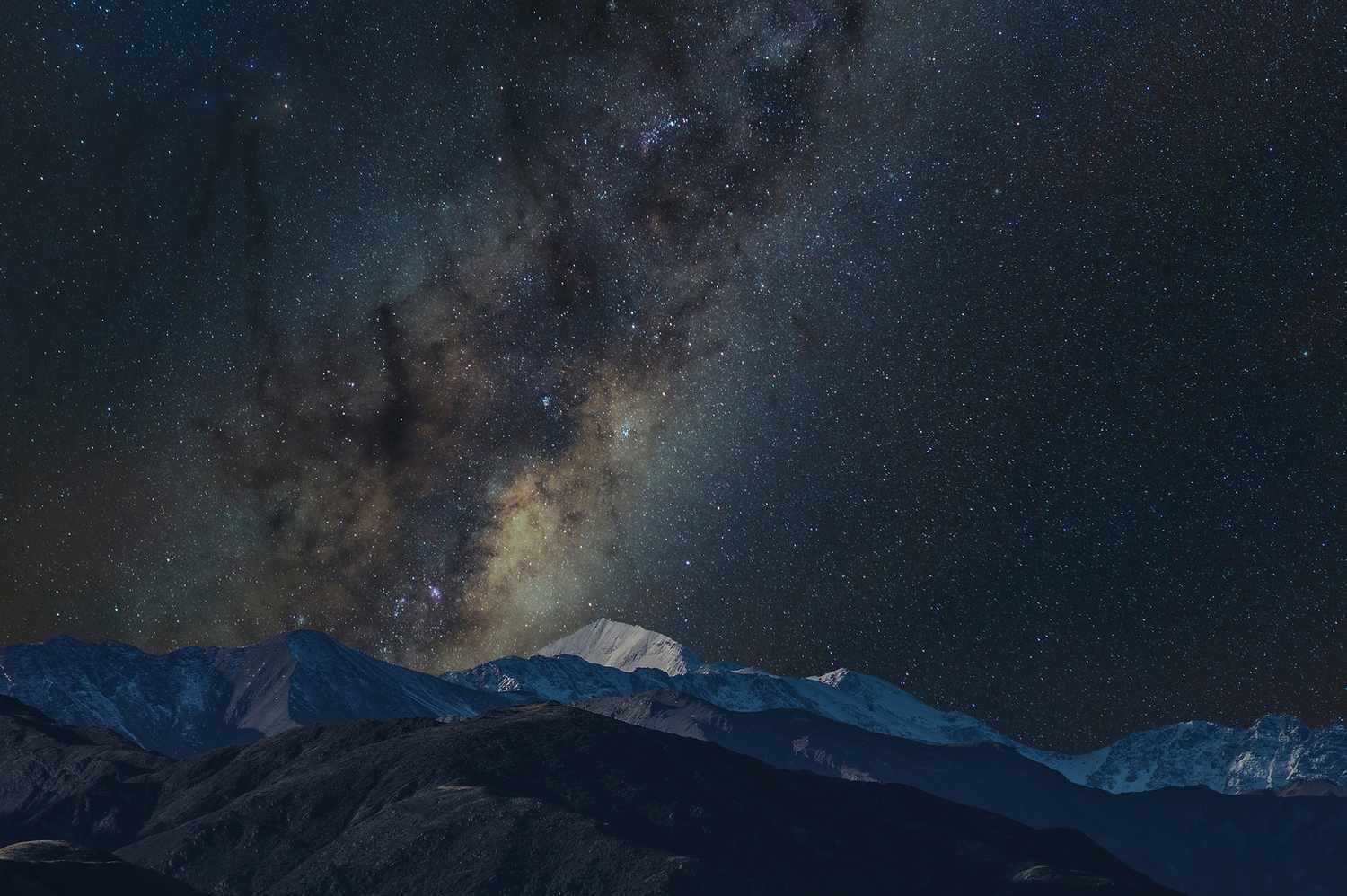
Walking along the waterfront, the Harpa Concert Hall’s geometric glass facade, designed in collaboration with artist Ólafur Elíasson, reflects the Icelandic light in a kaleidoscope of colors. Nearby, the Sun Voyager (Sólfar) sculpture stands as a promise of undiscovered territory. Pro Tip: Visit the Sun Voyager at sunset or during a clear winter night when the Aurora Borealis dances above the steel structure.
4. Dining in 101 Reykjavik
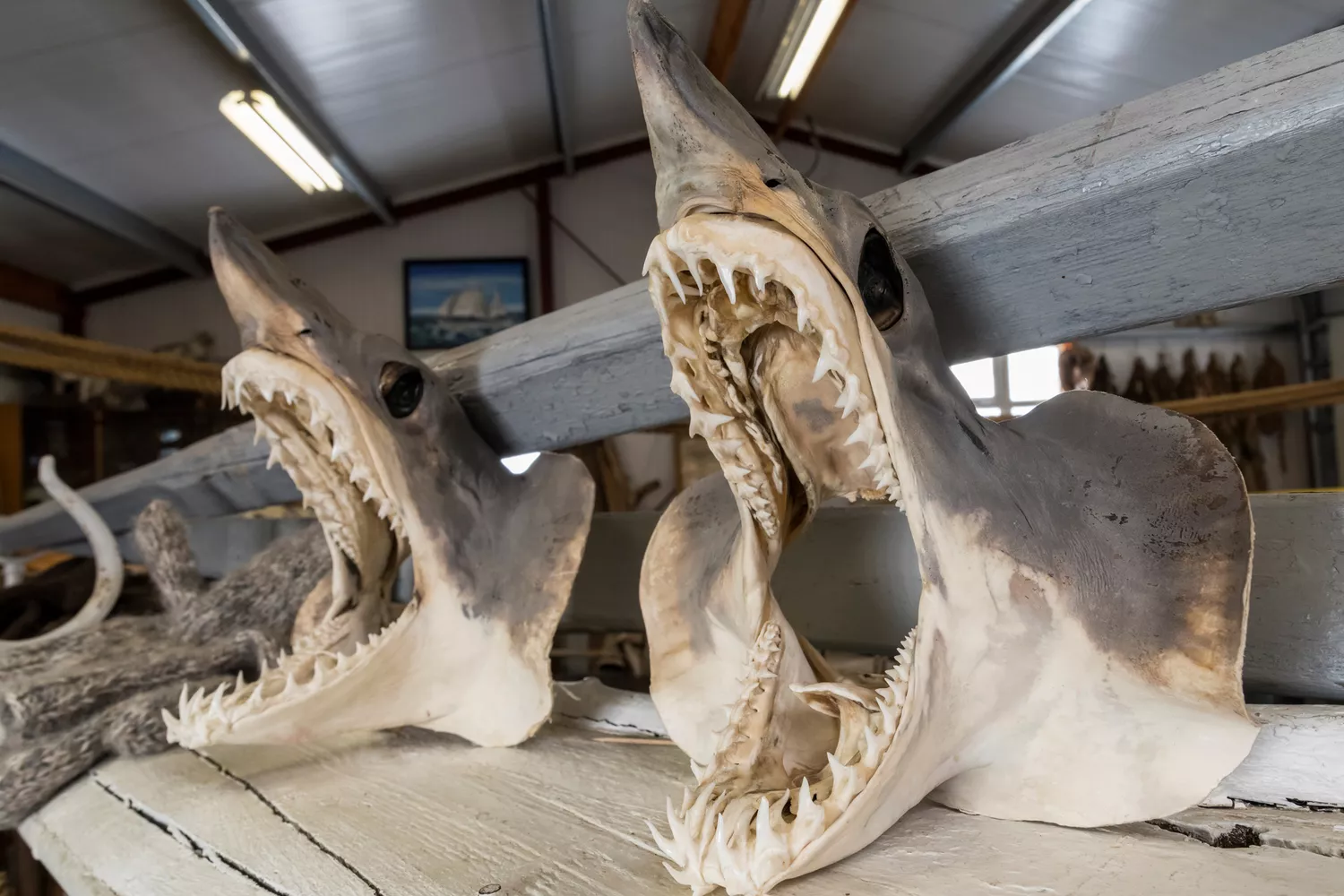
Icelandic cuisine has moved far beyond its survivalist roots. For a taste of the traditional, head to Café Loki for Hákarl (fermented shark) paired with rye bread ice cream. For a more contemporary local favorite, Radagerdi in the nearby Seltjarnarnes area offers exceptional Italian-inspired dishes with local ingredients and a stunning view of the ocean.
Fact Box: The National Gallery of Iceland is the country's leading art museum, maintaining a collection of 14,000+ works that serve as a visual history of the nation's transition into modernity.
II. The Iconic Golden Circle & West Iceland
Leaving the capital, the landscape shifts rapidly. The Golden Circle is Iceland's most famous driving route, but the Snæfellsnes Peninsula to the west offers a "miniature Iceland" experience for those seeking fewer crowds.
5. Snorkel Between Continents at Silfra
Located in Þingvellir National Park, the Silfra fissure is the only place on Earth where you can snorkel directly between the North American and Eurasian tectonic plates. The water is glacial meltwater, filtered through lava rock for 30 to 100 years, resulting in visibility exceeding 100 meters. The experience takes about 3 hours and requires a dry suit—even in summer, the water stays a crisp 2°C (35°F).
6. Strokkur Geyser & Gullfoss
In the Haukadalur geothermal area, the Strokkur geyser erupts with clockwork reliability every 5 to 10 minutes, blasting water up to 20 meters into the air. A short drive away is Gullfoss, the "Golden Falls." This massive double cascade drops 32 meters into a deep canyon, often creating rainbows in the mist that can be seen from the cliffside paths.
7. Mount Kirkjufell & Bjarnarhöfn Shark Museum
Heading west to the Snæfellsnes Peninsula, you’ll find Kirkjufell, the "Church Mountain." It is famously the most photographed peak in the country. To round out the cultural side of the west, visit the Bjarnarhöfn Shark Museum. Here, the history of Hákarl (fermented shark) is explained by the family that has been curing it for generations.
III. The South Coast: Waterfalls and Ice
The South Coast is a corridor of cinematic landscapes, where the Vatnajökull ice cap—the largest in Europe—looms over black sand beaches and glacial lagoons.
8. Seljalandsfoss & Skógafoss
Seljalandsfoss is unique because of the cavern that allows visitors to walk entirely behind the 60-meter-high veil of water. Further east, Skógafoss offers sheer power. For those willing to walk an extra 30 minutes, the "hidden" Kvernufoss waterfall provides a more secluded experience, tucked away in a verdant gorge.
9. Reynisfjara Black Sand Beach
The beach at Reynisfjara is world-famous for its hexagonal basalt columns and the Reynisdrangar sea stacks. However, beauty comes with a warning: this beach is notorious for "sneaker waves"—unusually large waves that can sweep unsuspecting tourists out to sea. Always keep a safe distance from the shoreline.
10. Jökulsárlón Glacier Lagoon & Diamond Beach
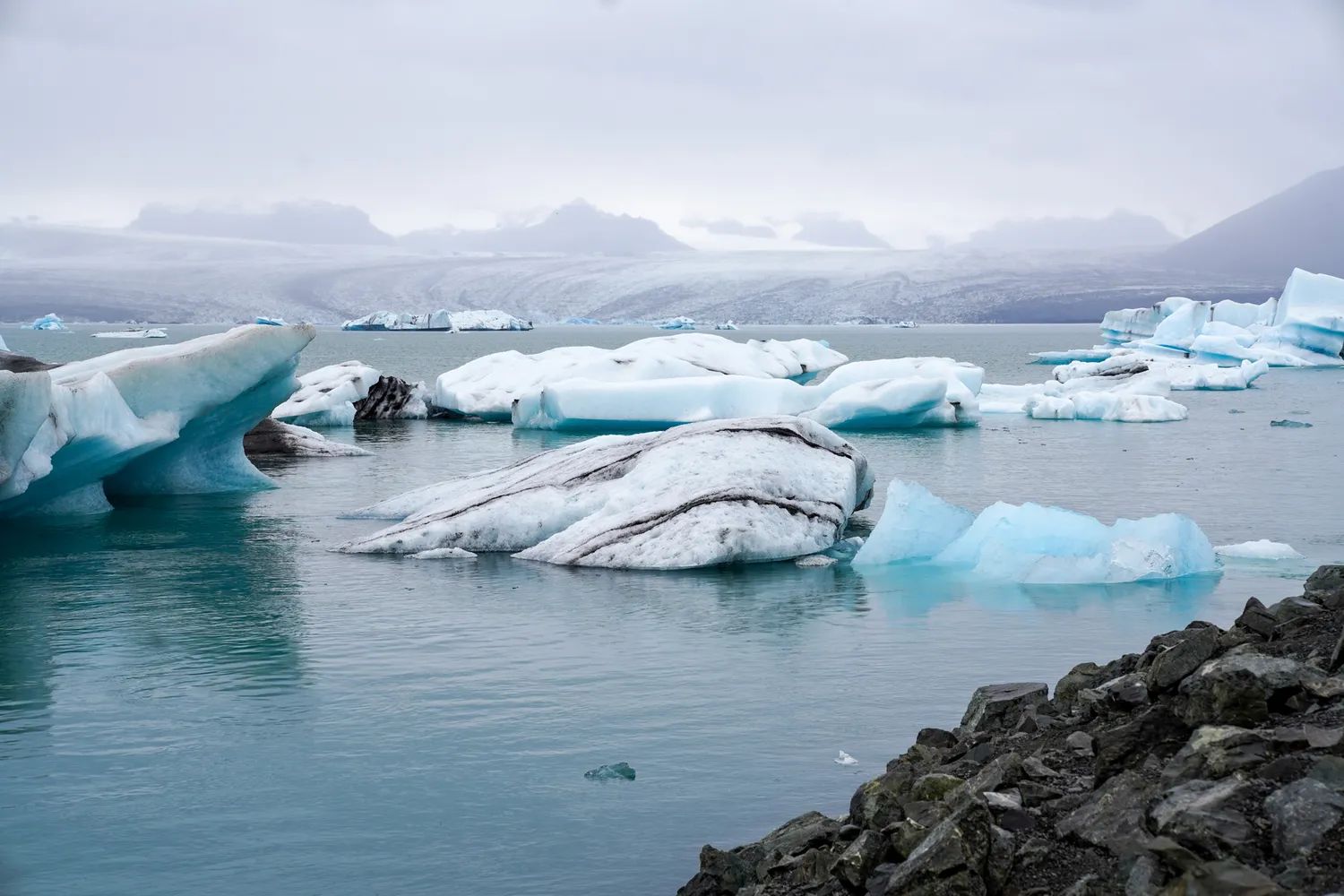
Jökulsárlón is a place of haunting beauty. As the Breiðamerkurjökull glacier retreats, massive chunks of ice break off and float in the lagoon. The ice eventually drifts through a narrow channel to the sea, only to be washed back onto the black sands of Diamond Beach, where they glisten like crystals.
Fact Box: Jökulsárlón is officially the deepest lake in Iceland, reaching a maximum depth of approximately 248 meters (814 feet).
IV. The Highlands & Volcanic Frontiers
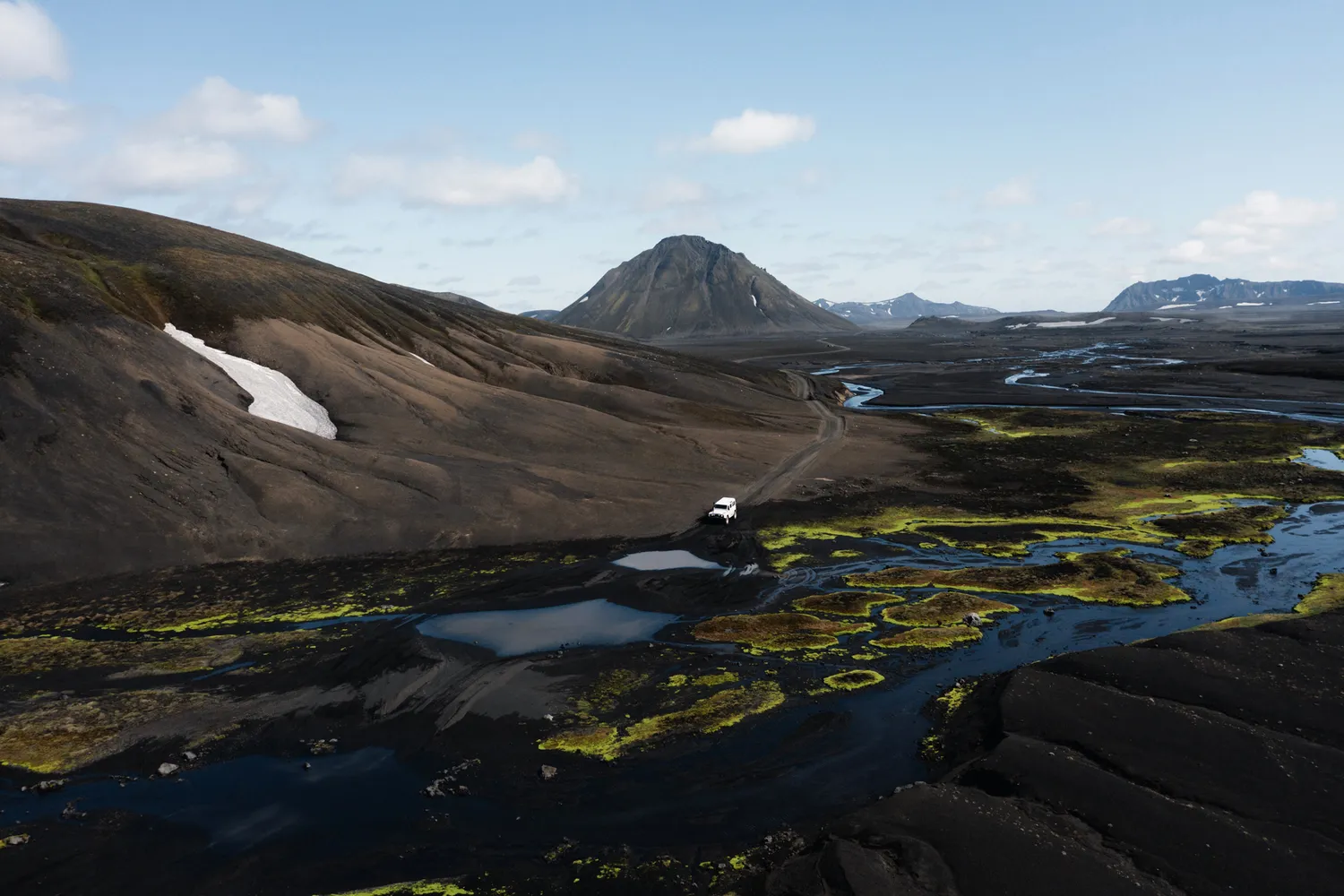
If the coast is Iceland’s face, the Highlands are its soul. This is a region of raw, unvarnished wilderness accessible only by 4x4 vehicles during the summer months.
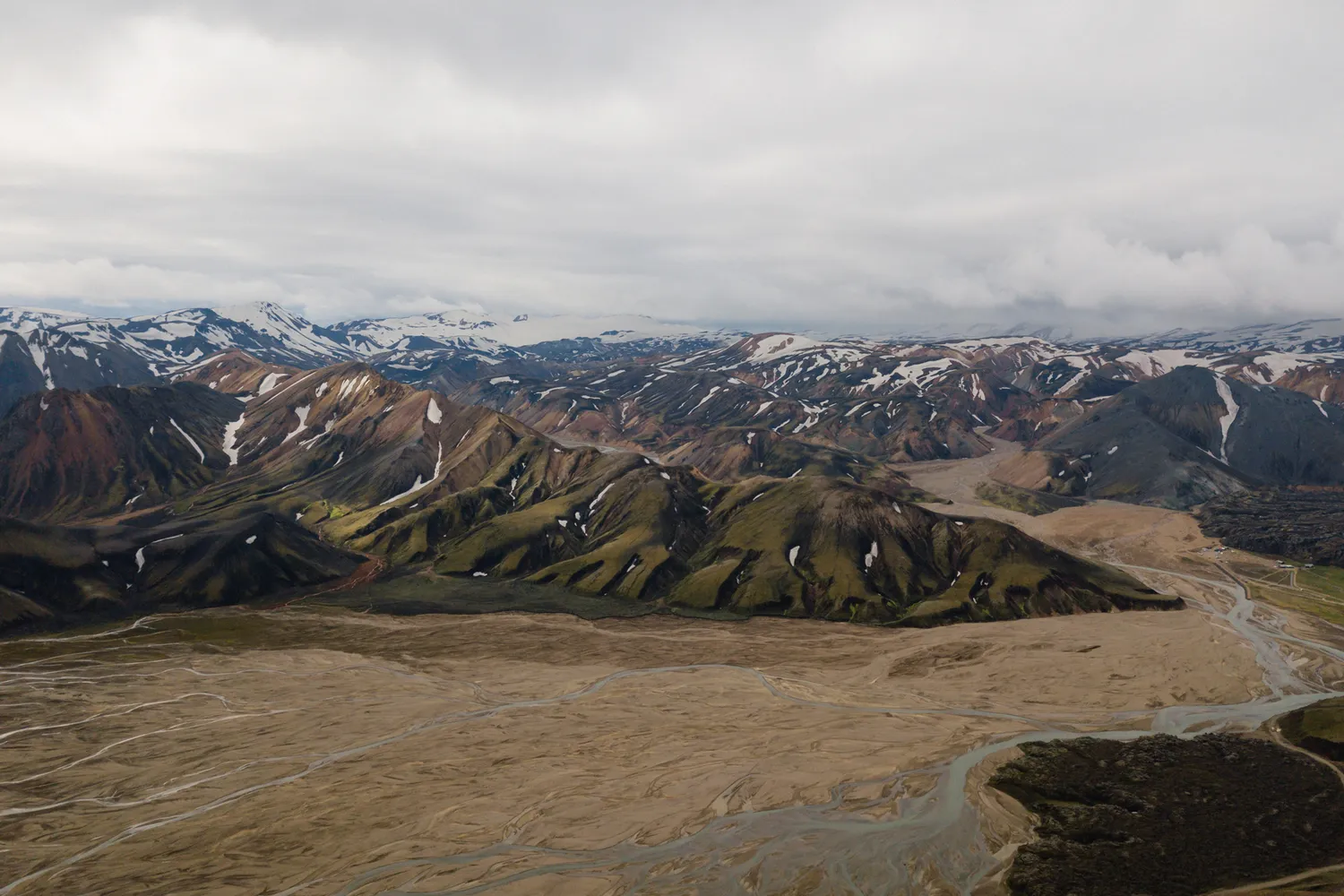
11. Hiking Landmannalaugar
Landmannalaugar is the crown jewel of the Highlands. The mountains here are made of rhyolite, a volcanic rock that creates a spectrum of oranges, pinks, and greens. After a day of hiking the Laugavegur trail, the tradition is to soak in the natural hot springs located right next to the campsite.
12. Mælifell Volcano
Rising from a flat plain of black volcanic grit, Mælifell is a perfect conical volcano covered in a layer of neon-green grimmia moss. It looks like something from a fantasy novel and is best viewed in July or August when the surrounding glacial rivers are crossable by experienced drivers.
13. The 2026 Volcanic Update: Reykjanes
The eruptions at Fagradalsfjall and Litli-Hrútur have changed the topography of the Reykjanes Peninsula. While activity is monitored closely for safety, hiking to the newest lava fields remains one of the most popular activities for 2026. Seeing the Earth's crust cooling into fresh black stone is a humbling reminder of the planet's power.
V. The North & the Diamond Circle
While the South is famous, the North is dramatic. This is the land of the "Diamond Circle," a route that takes you through geothermal wonders and powerful waterfalls.
- Lake Mývatn: Explore the Dimmuborgir lava formations, often called the "Dark Castles," and the Hverir mud pots, where the ground boils and the air smells of sulfur.
- Dettifoss Waterfall: This is Europe’s most powerful waterfall. Standing on its edge, you feel the vibration of 193 cubic meters of water per second crashing into the Jökulsárgljúfur canyon.
- Whale Watching in Húsavík: Known as the whale-watching capital of Iceland, Húsavík offers nearly a 99% success rate for sightings in the summer. You’re likely to see Humpback, Minke, and sometimes even the elusive Blue Whale.
VI. Relaxation: Geothermal Spas
No Icelandic journey is complete without a soak. The country's geothermal energy is used for everything from heating homes to creating world-class wellness retreats.
14. The Blue Lagoon
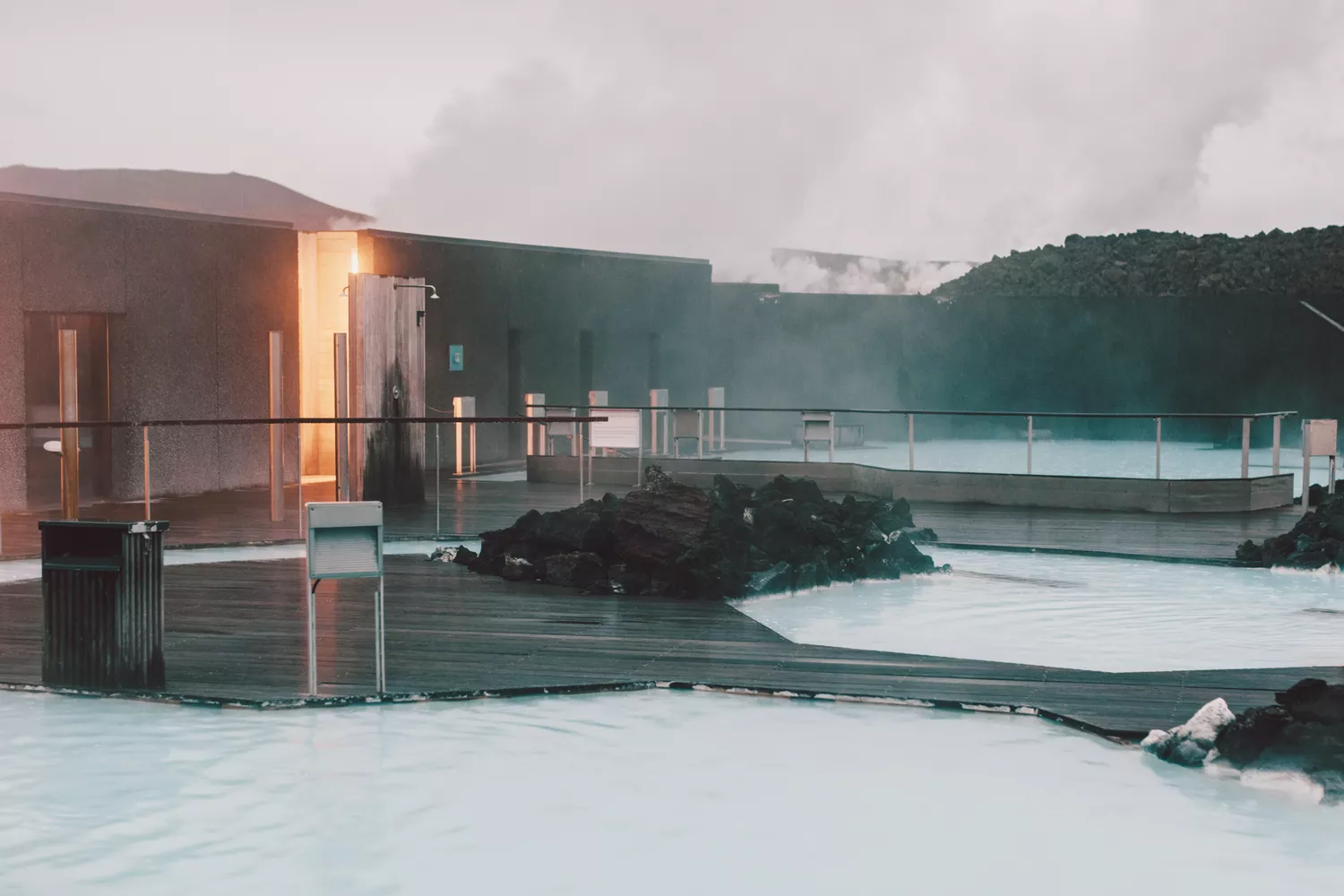
The most iconic of all, the Blue Lagoon’s milky blue waters are rich in silica and sulfur. While it is undeniably touristy, the skin-healing properties and the futuristic setting among lava rocks make it a must-visit.
15. Hvammsvík & Sky Lagoon
For a more contemporary experience, the Sky Lagoon near Reykjavik offers a "7-step ritual" and an infinity pool that overlooks the Atlantic. If you want something more rugged, Hvammsvík Hot Springs features eight natural pools that blend into the ocean. Here, you can partake in the "Atlas Challenge"—alternating between the steaming geothermal water and the freezing North Atlantic.
Know Before You Go: Pool Etiquette
- Shower Naked: It is a strict rule in Iceland to shower thoroughly without a swimsuit before entering any public pool or spa.
- Booking: Pre-booking is essential for the Blue Lagoon and Sky Lagoon, often weeks in advance for 2026.
- Hydrate: The mineral content and heat can dehydrate you quickly; drink plenty of water.
VII. Planning Your 2026 Trip
Navigating Iceland in 2026 requires a choice between the freedom of a rental car and the expertise of a guided tour. For the Highlands, a 4x4 is non-negotiable. For the Ring Road, a standard vehicle suffices, but always check vedur.is for weather updates, even in summer.
Whether you come for the Midnight Sun in June—where the days never end—or the Northern Lights in the winter, Iceland remains a destination that defies expectation. It is a place where the history is written in the sagas and the future is forged in the fire of its volcanoes.
FAQ
When is the best time to see the Northern Lights? The Aurora Borealis is visible from late August to mid-April. However, for the best chances, visit between October and March when the nights are longest and darkest.
Is Iceland expensive in 2026? Yes, Iceland remains one of the most expensive countries to visit. Budget for approximately 3,500–5,000 ISK for a casual meal and 1,500 ISK for a beer. Booking accommodations 6–9 months in advance is highly recommended.
Can I drive the Ring Road in a week? While possible, a 7-day trip is rushed. To truly enjoy the stops and account for weather delays, a 10-to-12-day itinerary is ideal for the full 1,332-kilometer circuit.