I’ve spent the better part of a decade hopping between $5-a-night hostels in Hanoi and cramped long-tail boats in the Thai islands. If there is one thing I’ve learned from years of shoestring adventures, it’s that Southeast Asia is the ultimate testing ground for your gear. The humidity will try to rot your clothes, the budget airlines will try to bleed your wallet dry with "oversized" baggage fees, and the uneven limestone trails will test every fiber of your footwear.
After a recent 23-day multi-city itinerary through Thailand and Vietnam, I’ve refined the "One-Bag" philosophy to a science. Adopting a single-carry-on system isn't just about the freedom of movement; it’s a financial masterstroke. By avoiding checked luggage on regional carriers like AirAsia or VietJet, I saved an estimated $140 in baggage fees alone—money that, let’s be honest, is much better spent on street-side Pad Thai and sunset beers.

The secret to 3 weeks in Asia isn't bringing more; it's bringing better. Here are the 11 essential gear items that will transform your next Southeast Asia adventure from a logistical nightmare into a streamlined, minimalist journey.
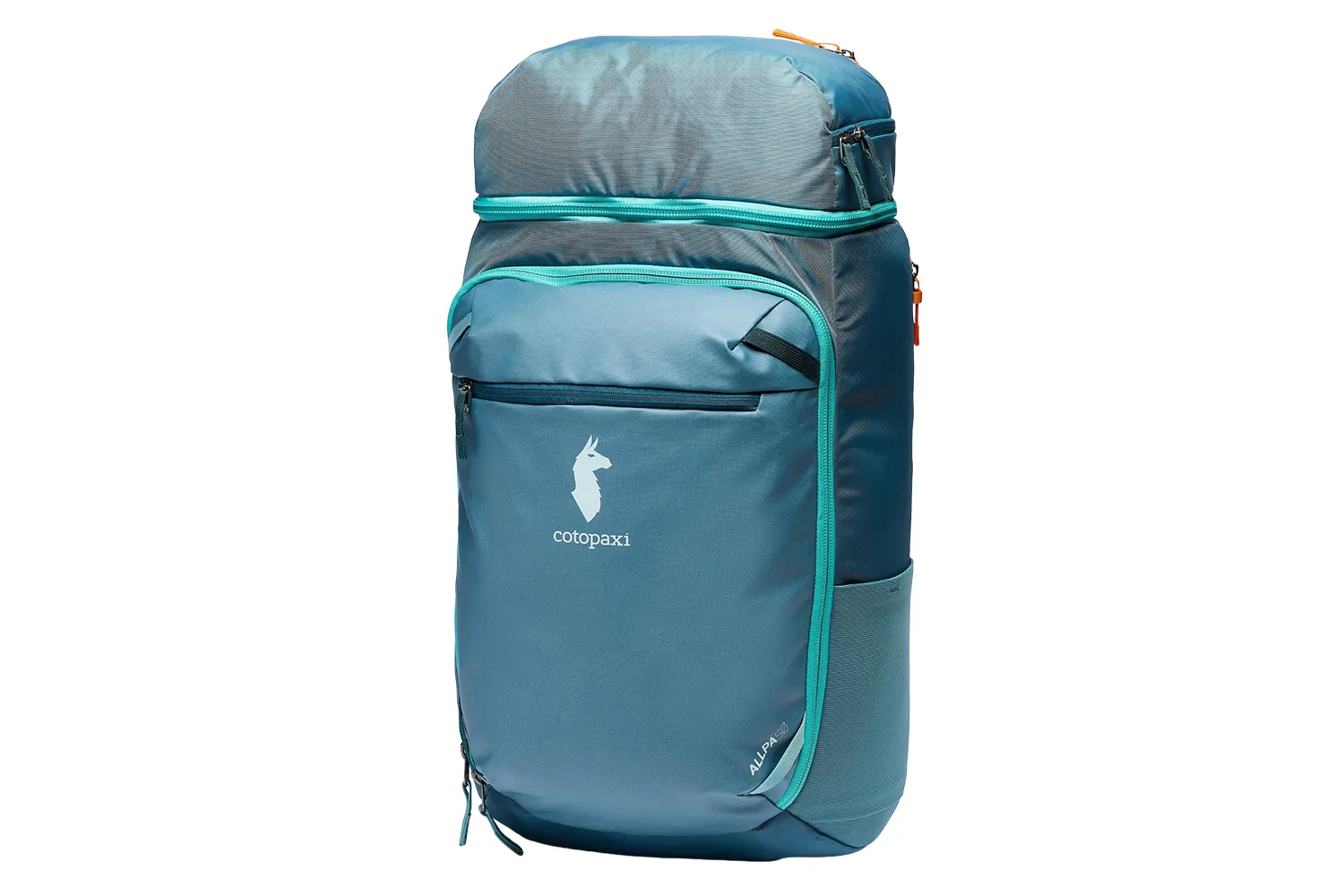
1. The Core Vessel: A Versatile 40-50L Backpack
For a three-week trip, a 40 to 50-liter backpack is the "Goldilocks" size. Anything smaller and you’re doing laundry every 48 hours; anything larger and you’re forced to check it in, losing both money and mobility. The goal is a bag that fits in an overhead bin but carries like a trekking pack.
I’ve found that a "clamshell" opening is non-negotiable. Digging through a top-loading bag to find a clean pair of socks in a dark hostel dorm is a rookie mistake. You want a bag that opens like a suitcase, allowing you to see everything at once.
- Why it's essential: It’s the difference between walking 20 minutes to your hostel or being forced to take a taxi because your luggage is too heavy to carry in 90% humidity.
- Pro Tip: Look for a pack with a stowable harness. When you do have to put it under a bus or in a tight overhead bin, those dangling straps won't get snagged and ripped off.
My Recommendation: Cotopaxi Allpa 50 Adventure Pack This bag is a beast of organization. It features a TPU-coated polyester shell that sheds light rain and a weight-distributing harness that makes a 10kg load feel like 5kg. The eight-liter detachable lid is a stroke of genius—I use it as my "personal item" for under-seat essentials while the main bag goes in the bin.
2. High-Traction, Breathable Trail Runners
The "One-Shoe Rule" is the hardest one for backpackers to follow, but it's the most rewarding. In Southeast Asia, you need a shoe that can handle the slick, oil-stained pavement of Bangkok, the muddy jungle trails of Chiang Mai, and the occasional semi-formal dinner in a rooftop bar.
Traditional hiking boots are too heavy and don't breathe, leading to "jungle rot" (blisters and fungal issues). Conversely, basic sneakers lack the grip for wet limestone. A high-performance trail runner is the only logical choice.
- Why it's essential: It eliminates the need for a second pair of bulky "walking shoes," saving significant space in your pack.
- Pro Tip: Look for shoes with at least 30mm of cushioning. The concrete jungles of Asia are unforgiving on your joints during long transit days.
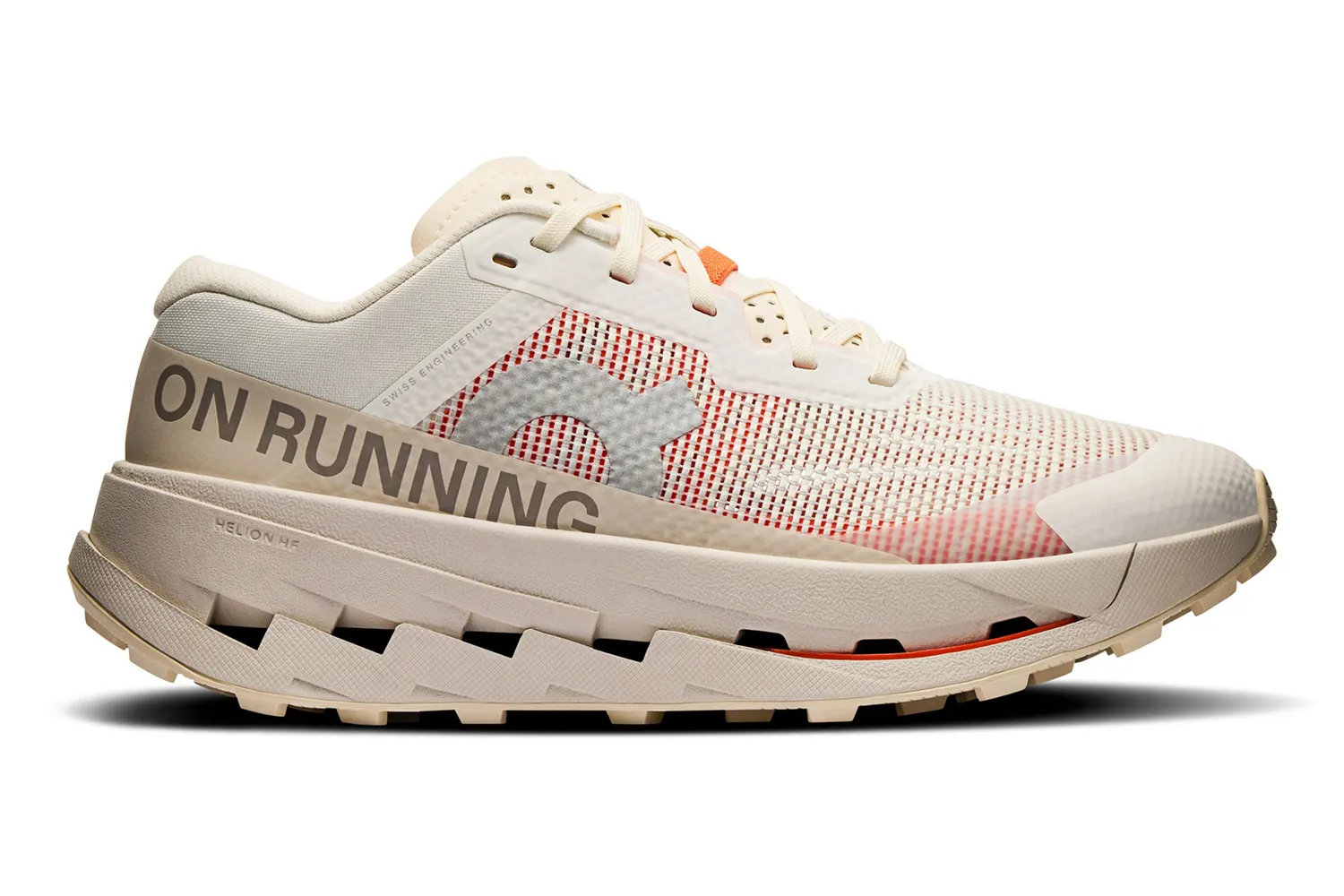
My Recommendation: On Cloudultra 3 Trail Running Shoes The Cloudultra 3 is my go-to because of its Helion™ superfoam and Missiongrip™ outsole. It provides the traction of a mountain goat on trails but looks sleek enough to wear with a pair of linen trousers in the city. More importantly, the mesh upper is incredibly breathable—a must when the dew point hits 75 degrees.
3. Hydration with a Safety Filter
Staying hydrated is the biggest challenge in the tropics, but the environmental cost of buying 4–5 plastic water bottles a day is staggering. Furthermore, tap water in many parts of rural Southeast Asia is a one-way ticket to a ruined week.
A filtration bottle is your insurance policy. It allows you to fill up at any tap or even a clear stream, filtering out bacteria, parasites, and microplastics while improving the taste of chlorinated city water.
- Why it's essential: It ensures safe drinking water anywhere and reduces your plastic footprint to nearly zero.
- Pro Tip: Always carry a spare carbon insert. While the microfilter lasts for thousands of liters, the carbon (which removes the "swimming pool" taste) usually needs replacing every two months.
My Recommendation: Lifestraw Go Series Water Filter Bottle The dual-stage filtration system is the gold standard here. It uses a hollow fiber membrane to stop the nasties and a carbon filter to make the water actually taste like water. It’s saved my stomach in everything from remote Laotian villages to bustling Jakarta.

4. Multi-Purpose Technical Apparel
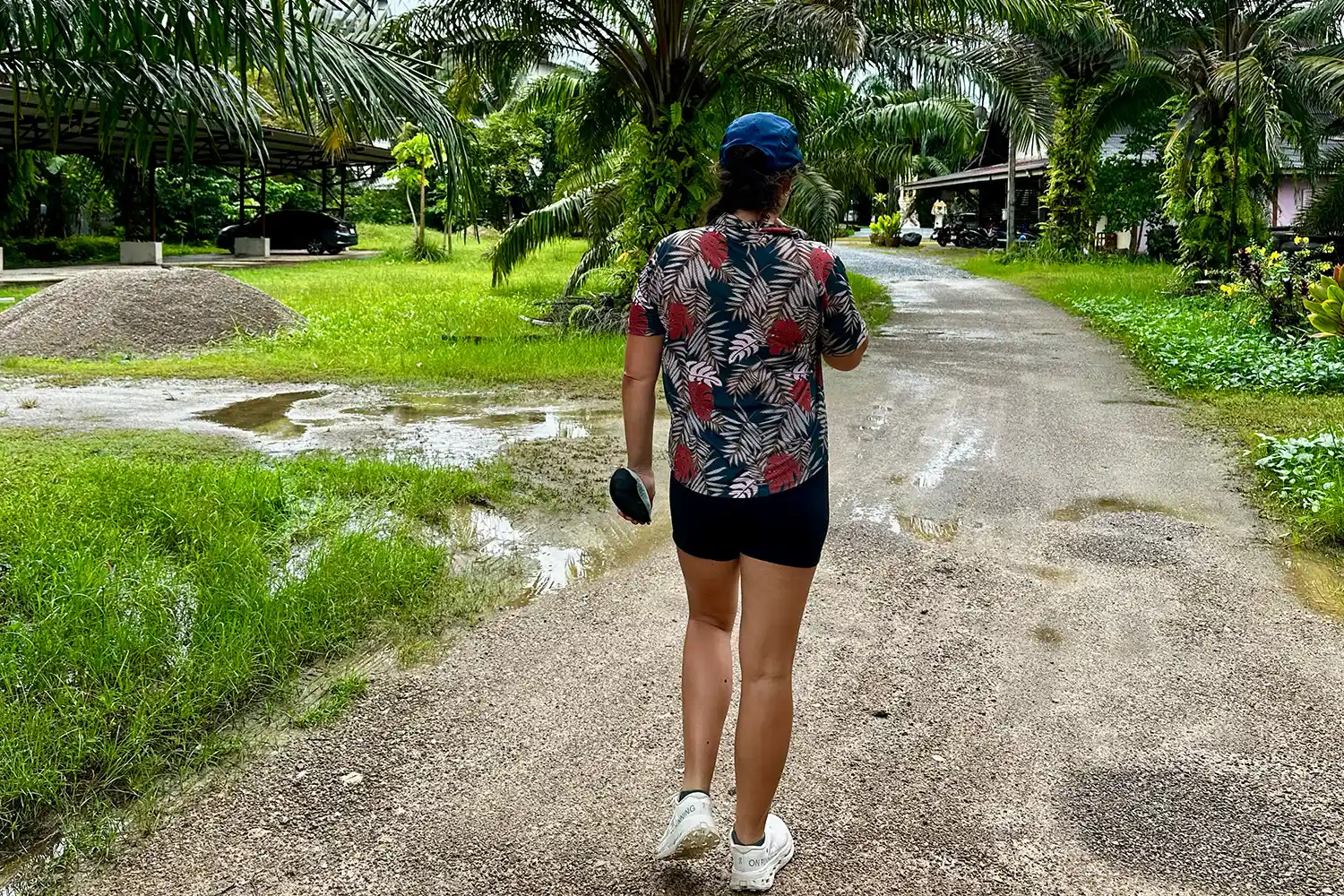
The "Rule of Zero Redundancy" applies most strictly to clothing. If an item can only be used for one activity, it doesn't belong in your bag. I’ve found that mountain bike (MTB) jerseys are the secret weapon of the Southeast Asia traveler.
Think about it: they are designed to be sweat-wicking, odor-resistant, and highly durable. A good tech jersey can be used for a sunrise hike, a humid afternoon of sightseeing, and even as a casual shirt for dinner. Using technical, multi-purpose apparel can reduce your total packing volume by approximately 25% compared to carrying separate casual and activewear sets.
- Why it's essential: One shirt does the work of three, allowing you to pack lighter and wash less frequently.
- Pro Tip: Stick to dark colors or subtle patterns. They hide the inevitable "travel grime" and sweat stains better than bright colors.
My Recommendation: Pearl Izumi Canyon Tech Snap Bike Jersey This doesn't look like a "cycling jersey." It looks like a stylish, button-down short-sleeve shirt. However, it’s made of technical mesh that dries in minutes and feels cool against the skin. I’ve worn this for everything from kayaking in Halong Bay to cocktails in Saigon.
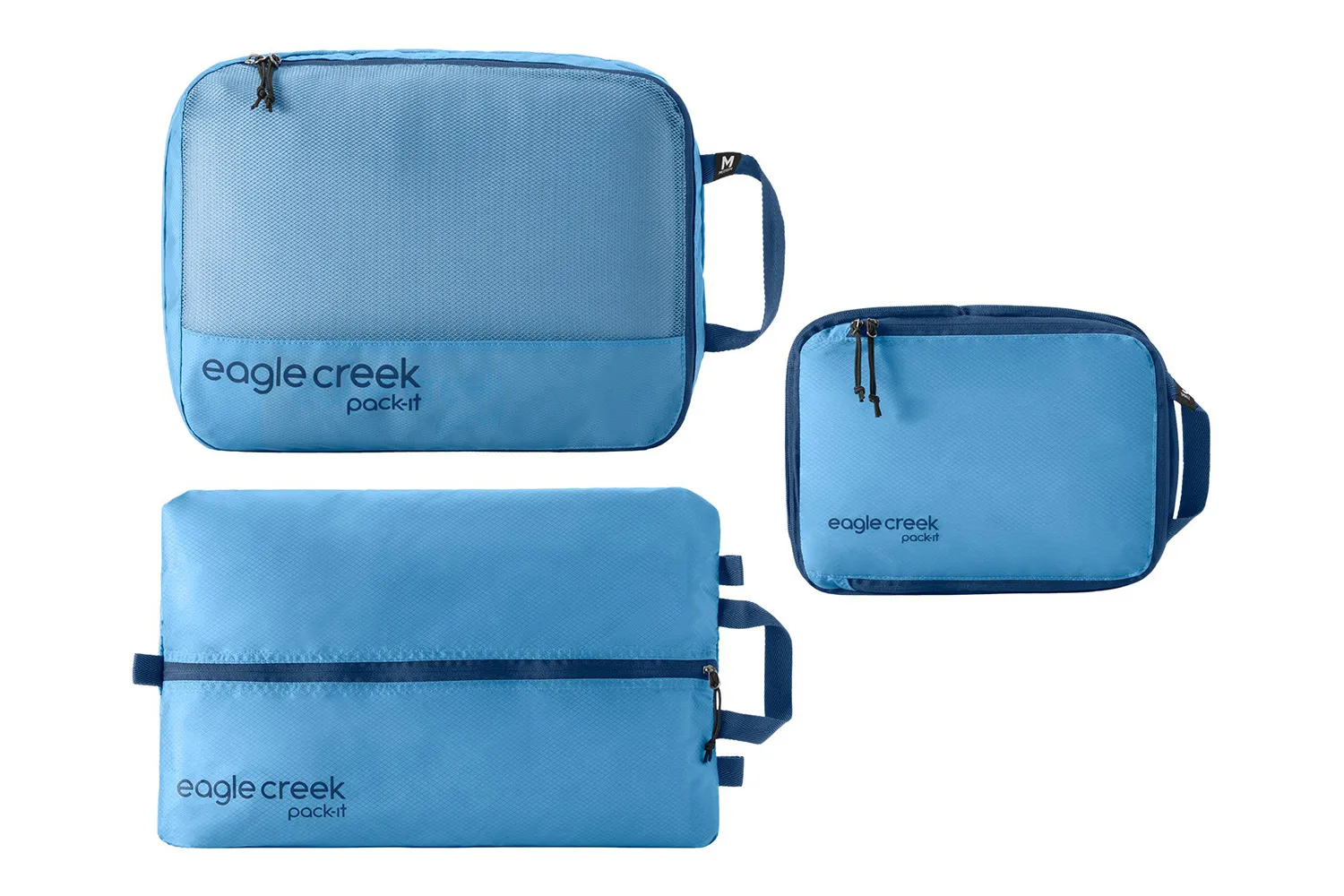
5. Antimicrobial Compression Cubes
In a one-bag setup, organization is your sanity. Without cubes, your backpack becomes a black hole of wrinkled laundry. However, in Asia, you need more than just organization—you need odor control.
Compression cubes allow you to squeeze the air out of your clothes, reducing volume by 30%. When you choose versions with antimicrobial treatments, you prevent the "damp dog" smell from migrating from your worn gym shorts to your clean dinner shirt.
- Why it's essential: They assist "short-term travel memory" by keeping categories separate (e.g., shirts in one, undergarments in another) and maximize every cubic inch of your bag.
- Pro Tip: Roll your clothes instead of folding them before putting them in the cubes. It minimizes wrinkles and maximizes compression.
My Recommendation: Eagle Creek Pack-It Essentials Set These are the industry standard for a reason. They are incredibly lightweight, and the zippers are reinforced to handle the pressure of overpacking. The translucent fabric lets you see what’s inside without unzipping.
6. The 'Brain Pocket' Electronics: Universal Wall Charger
Charging in Southeast Asia is a gamble. You might have one outlet behind a bed in a hostel or a precarious strip in a cafe. You need to maximize every minute of "juice" you get. A universal wall charger with multiple ports is essential for charging your laptop, phone, and power bank simultaneously from a single outlet.
- Why it's essential: It eliminates the need for multiple bulky "bricks" and ensures you're never choosing between a dead phone or a dead camera.
- Pro Tip: Look for "GaN" (Gallium Nitride) technology. These chargers are smaller, more efficient, and run cooler than traditional chargers.
7. High-Capacity Power Bank (10,000mAh+)
Long bus rides through the mountains of Vietnam or 12-hour ferry crossings in Indonesia will drain your phone's battery as it constantly searches for a signal. A power bank isn't a luxury; it's a safety tool for navigation and Grab (the Uber of SE Asia) bookings.
- Why it's essential: It keeps your GPS and translation apps alive when you’re far from an outlet.
- Pro Tip: Keep your power bank in your carry-on! TSA and most Asian aviation authorities (like Thailand's CAAT) strictly forbid power banks in checked luggage due to fire risks.
8. Ultralight Packable Daypack
Once you arrive at your destination, you don't want to lug your 50L pack to the beach or a temple. An ultralight daypack that folds down to the size of a deck of cards is a game-changer. You leave the "Big Rig" at the hostel and take only the essentials for the day.
- Why it's essential: Provides mobility for day trips while keeping your main belongings secure at your base.
- Pro Tip: Choose a daypack with mesh shoulder straps; solid straps will create massive sweat patches on your back within minutes of walking.
My Recommendation: Sea to Summit Ultra-Sil Day Pack It weighs just 2.5 ounces and can carry up to 20kg. It’s tiny enough to clip onto your keychain but large enough for a water bottle, a rain jacket, and your camera.

9. Tropical Comfort: Inflatable Travel Pillow
Night buses in Southeast Asia are an experience—often featuring neon lights, loud music, and very little neck support. While memory foam pillows are comfortable, they are bulky "unitaskers" that take up too much space. An inflatable pillow allows you to adjust the firmness and disappears when not in use.
- Why it's essential: It makes 14-hour transit days actually bearable without sacrificing pack space.
- Pro Tip: Only inflate the pillow to about 70%. A fully inflated pillow is too hard and will bounce your head around; a slightly soft pillow cradles your neck much better.
10. The 'Stinky Bag' (Travel Laundry Bag)
In a climate where humidity stays above 80%, damp clothes never truly dry; they just ferment. You need a dedicated, airtight, or highly breathable laundry bag to separate your "toxic" laundry from your clean gear.
- Why it's essential: Prevents the humidity and odor of dirty clothes from ruining your entire pack.
- Pro Tip: Toss a single dryer sheet into your laundry bag. It won't clean the clothes, but it will stop the smell from becoming overwhelming when you unzip your pack.
11. Security First: RFID-Blocking Travel Wallet
Pickpocketing can be an issue in crowded tourist hubs like Patong or Ho Chi Minh City. A bulky leather wallet in your back pocket is an easy target. A low-profile, RFID-blocking wallet that can be worn as a crossbody or tucked into your waistband is a much smarter move.
- Why it's essential: Protects your physical cash and your digital data from "skimming."
- Pro Tip: Carry two wallets. Keep a "dummy" wallet with a small amount of cash and expired cards in your pocket, and keep your real passport and bulk cash in a secure pouch under your shirt.
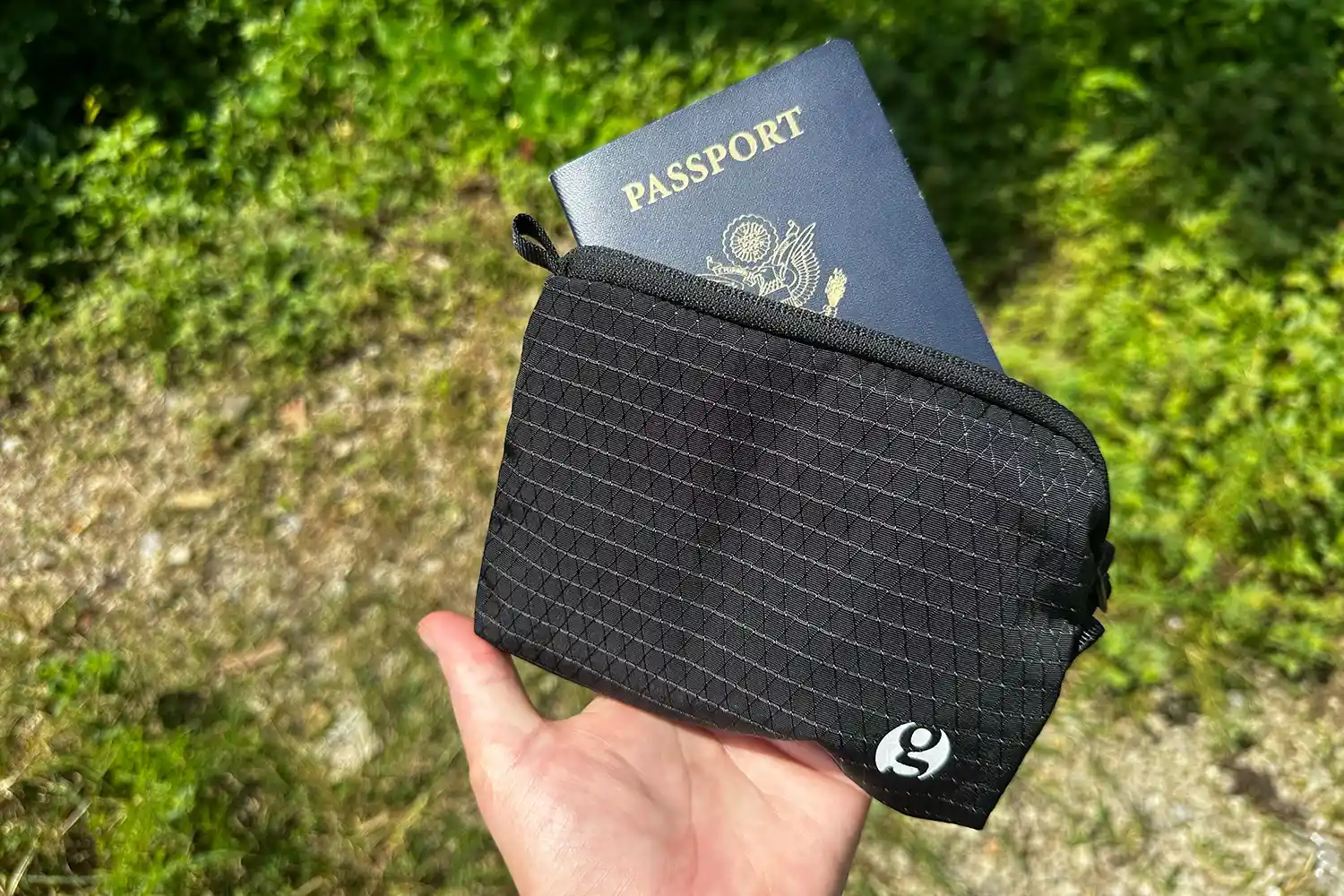
My Recommendation: Gossamer Gear PassPorter It's ultralight, weather-resistant, and can be worn around the neck or clipped to a belt loop. It’s perfect for those transit days when you need your passport and boarding pass at a moment's notice.
Gear Summary: The One-Bag Setup
| Item | Priority | Weight Est. | Space Saving Tip |
|---|---|---|---|
| 50L Backpack | Critical | 1.4kg | Use compression straps to meet carry-on sizes. |
| Trail Runners | High | 0.6kg | Wear them on the plane to save pack space. |
| Filter Bottle | High | 0.3kg | Clip to the outside of the bag with a carabiner. |
| Tech Apparel | Medium | 0.5kg | Use the 'Color Wheel' method for mixing/matching. |
| Packing Cubes | High | 0.2kg | Roll, don't fold, to maximize compression. |
The 'Color Wheel' Packing Hack
To make a minimalist wardrobe work, every top must match every bottom. Stick to a palette of three colors (e.g., Navy, Grey, and Olive). This allows you to create 10+ outfits from just 3 shirts and 2 pairs of shorts. Leave the heavy denim, the "just in case" jewelry, and the extra pair of dress shoes at home. You won't miss them.
FAQ
Is 40-50L really small enough for a carry-on? On most major international airlines, yes. However, budget carriers in Southeast Asia (like AirAsia) can be stricter, sometimes limiting carry-ons to 7kg. The beauty of a 50L pack like the Allpa is that if you don't overstuff it, it fits the dimensions. If you're over the weight limit, wear your heaviest clothes (and those trail runners!) through security.
Do I really need a water filter in cities? Even in cities like Bangkok, the tap water can be heavily chlorinated or contain old pipe sediment. A filter bottle like the Lifestraw Go doesn't just protect you from bacteria; it makes the water taste significantly better, meaning you’ll actually drink enough to stay hydrated.
What should I definitely NOT pack for Southeast Asia? Cotton hoodies and heavy jeans. Once they get wet—either from rain or sweat—they will never dry in the humidity. They become heavy, smelly, and take up 30% of your bag. Stick to synthetic blends or linen.
The transition to one-bag travel is more than a packing strategy; it’s a mindset shift. It’s about realizing that the less you carry, the more you see. By investing in these 11 high-quality, multi-purpose items, you aren't just saving money on baggage fees—you’re buying the freedom to change your plans on a whim, to hop on the back of a motorbike, and to truly immerse yourself in the adventure. Safe travels.