Quick Facts
- Top 2025 Districts: For the most authentic Athenian flavors this year, head to Agios Panteleimonas (multiethnic street food), Kypseli (modern Greek innovation), and Kaisariani (historic tavernas).
- Must-Try Signature Dish: The 'Poor Man’s Plate' (fries, spiced meat sauce, and myzithra cheese) at the legendary Leloudas Taverna.
- The Meat Mecca: Seek out O Spanos in Agios Panteleimonas for what locals consider the city's finest, most unpretentious lamb chops.
- Cultural Context: Traditional Oinomageirion (wine-and-food) eateries have declined by 80% since the late 1900s, making spots like Tsopanakos in Kaisariani essential cultural treasures.
- The Creative Hub: Kypseli has seen a 35% surge in millennial-led culinary startups since 2018, blending Mediterranean traditions with global experimentalism.
Beyond the Plaka: A Culinary Palimpsest
Athens is a city that wears its history like a well-loved linen coat—wrinkled, textured, and deeply personal. While the sun-drenched marble of the Acropolis and the souvenir-laden alleys of Plaka offer a specific kind of romance, the true soul of Athenian gastronomy lives in the neighborhoods where the laundry hangs across balconies and the scent of charred oregano drifts from basement windows.
To eat in Athens in 2025 is to witness a fascinating tension between preservation and revolution. On one hand, the city is mourning the loss of its Oinomageirion (traditional wine-and-cook shops), which have seen a staggering 80% decline in the city center over the last few decades. On the other, districts like Kypseli are experiencing a 35% growth in daring, chef-led bistros that are redefining what "Greek food" can be.
For the traveler seeking the core answer to Athens' culinary map in 2025, the journey leads away from the Parthenon’s shadow and into three specific enclaves: the multiethnic heart of Agios Panteleimonas, the creative revival of Kypseli, and the refugee-rooted tradition of Kaisariani.
1. Agios Panteleimonas: The Multiethnic & Traditional Soul
Agios Panteleimonas is perhaps Athens’ most misunderstood neighborhood. Dominated by one of the largest Orthodox churches in the Balkans, it is a place where the grandeur of early 20th-century neoclassical architecture meets the gritty, vibrant energy of a modern melting pot. For the food traveler, it offers a rare bridge between old-world Greek butcher-culture and Middle Eastern spice trails.
The neighborhood's culinary crown jewel is undoubtedly O Spanos. This is not a place of white tablecloths or curated playlists; it is a temple of fire and meat. Established in a time when the neighborhood was the city's industrial heartbeat, it remains the definitive destination for traditional Greek lamb chops (paidakia). The chops here are sliced thin, seasoned with nothing but sea salt and wild oregano, and grilled until the fat is translucent and the edges are dangerously crispy.
Local Insight: While tourists flock to central grill houses, locals know that O Spanos offers a working-class authenticity that cannot be manufactured. Order a kilo of chops, a side of bitter greens (horta), and a carafe of their house copper-colored wine.
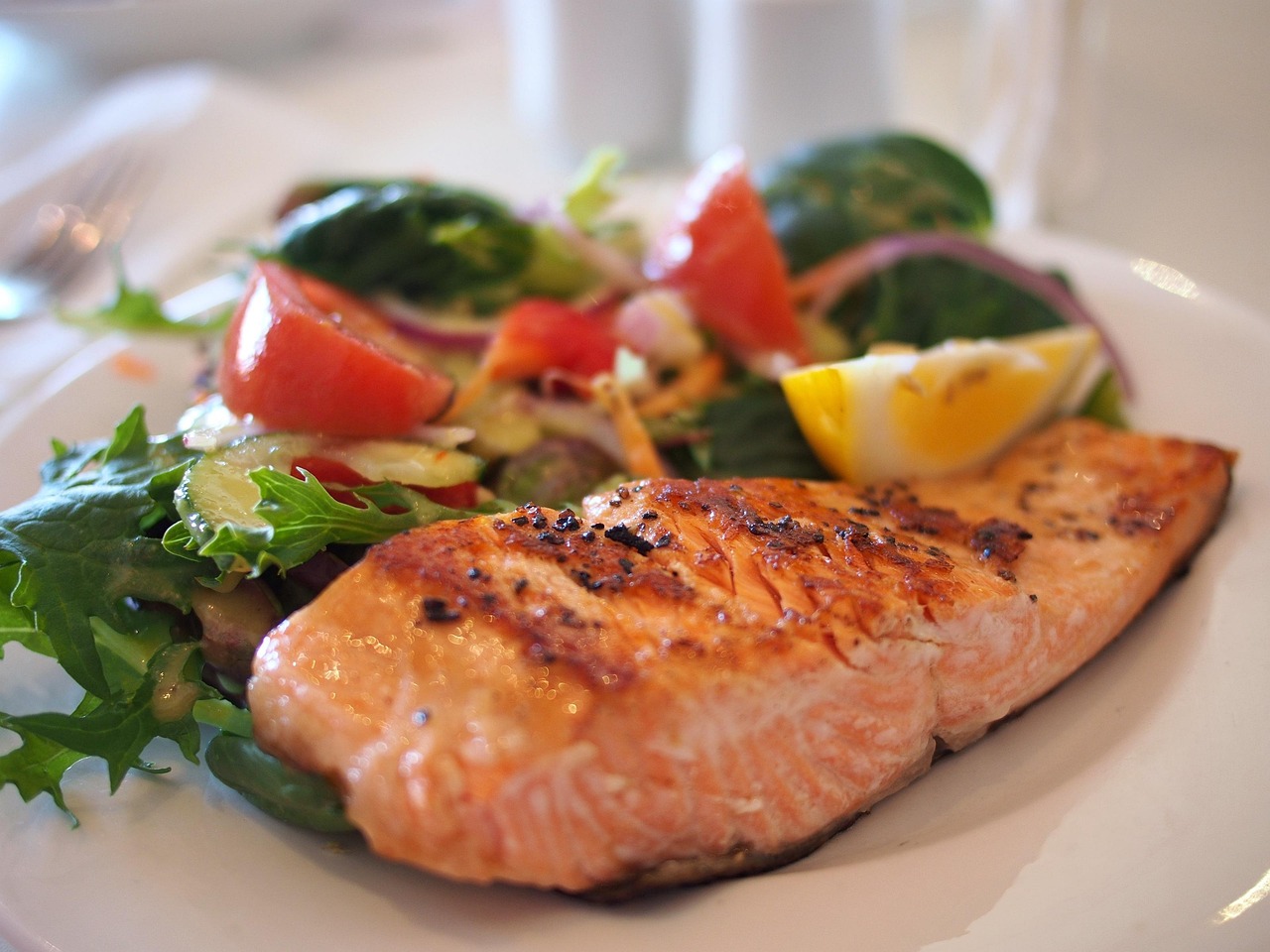
Just a few blocks away, the vibe shifts at Ouzeri tou Laki. Here, the chef takes traditional seafood and adds a multiethnic wink—think sardine moussaka or pasta with sea urchin that tastes like a concentrated breath of the Aegean. It reflects the neighborhood’s evolution: a place where Greek traditions are being seasoned by the diverse communities that now call these streets home.
2. Kypseli: The Millennial Culinary Hub
If Agios Panteleimonas is the city’s soul, Kypseli is its creative pulse. Once the aristocratic playground of the 1930s, Kypseli spent decades in the shadows before being rediscovered by a new generation of Athenians. Since 2018, the district has seen a 35% growth in culinary startups led by millennial chefs who have traded high-end hotel kitchens for the freedom of Kypseli’s Bauhaus-lined streets.
The epicenter of this movement is Agias Zonis Street and the pedestrianized Fokionos Negri. Here, the air is thick with the scent of roasted coffee and the chatter of artists.
- Ntylan (Dylan): A tiny, minimalist spot where the menu changes based on what the chef found at the street market that morning. It is experimental, Mediterranean-fusion at its most accessible.
- Dionysos: For the purists, this is the place for a pork gyro. In an era of "loaded" wraps, Dionysos remains famous for its "naked" approach—perfectly seasoned meat, tomato, and onion, with no fries inside to dampen the crunch of the pita.
- Santo Belto: A bistro-boutique on Agias Zonis that serves artisanal Greek cheeses and small plates that look like Dutch still-life paintings.

Kypseli represents the "new" Athens—a neighborhood that respects its mid-century bones but isn't afraid to garnish its fava with caramelized ginger or serve its sourdough with smoked eel.
3. Kaisariani: Refugee Roots & Mountain Flavors
Nestled at the foothills of Mount Hymettus, Kaisariani is a neighborhood defined by its history. Settled by Asia Minor refugees in the 1920s, the district retains a village-like atmosphere, with low-slung houses and squares shaded by massive plane trees.
Kaisariani presents a delightful culinary paradox: despite being inland and climbing toward the mountain, it is home to some of the city's most legendary fish tavernas. This is a legacy of the Smyrna refugees, who brought their sophisticated seafood techniques to these slopes.
However, the real treasure for the history hunter is Oinomageirion Tsopanakos. As central Athens sees its traditional eateries vanish, Tsopanakos stands as a rare survivor. The walls are a museum of Athenian life—faded photos, vintage wine barrels, and old newspaper clippings. They specialize in "wine-cooked" dishes and mountain-style meats, particularly their legendary lamb chops and clay-pot stews.
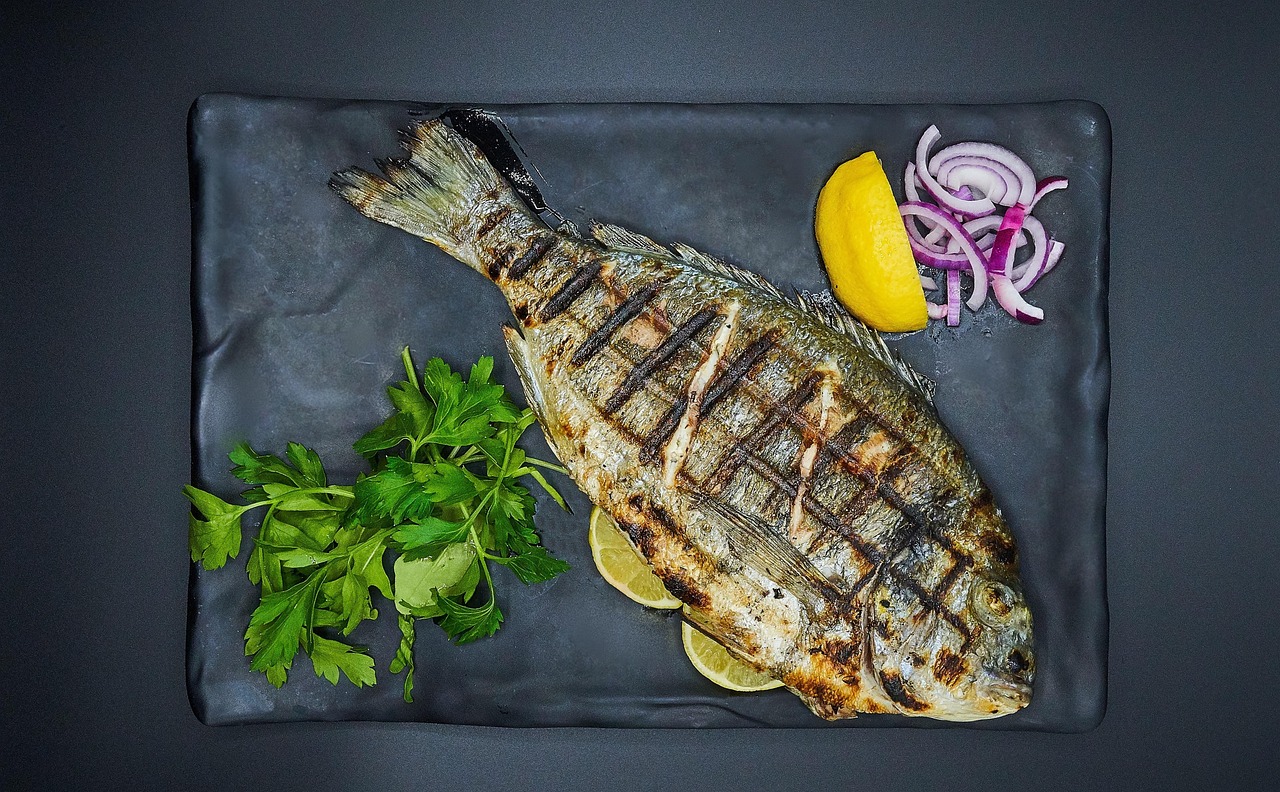
For a taste of the sea, Oinothera 1996 offers a refined take on the neighborhood’s refugee roots. Their cod cakes and artichoke salads are a masterclass in balancing the acidity of lemon with the sweetness of fresh catch.
4. Hidden Gems & Specific Delicacies Across Athens
While the neighborhoods mentioned above provide the context, specific dishes across the city act as landmarks in their own right. If you are willing to look behind unmarked doors and down basement stairs, you will find the flavors that have sustained Athenians for a century.
The Underground Legend: Diporto
Located near the Central Market, Diporto has no sign. You enter through one of two trapdoors into a basement that has functioned as a taverna since 1887. There is no menu; the owner will simply tell you what is in the pots. It might be chickpea soup, or sardines, or a simple Greek salad. It is the purest expression of the Oinomageirion tradition.
The 'Poor Man’s Plate' at Leloudas Taverna
For a dish that tells the story of Athens’ resilience, head to Leloudas in the industrial district of Votanikos. Here, you must order the 'Poor Man’s Plate'.
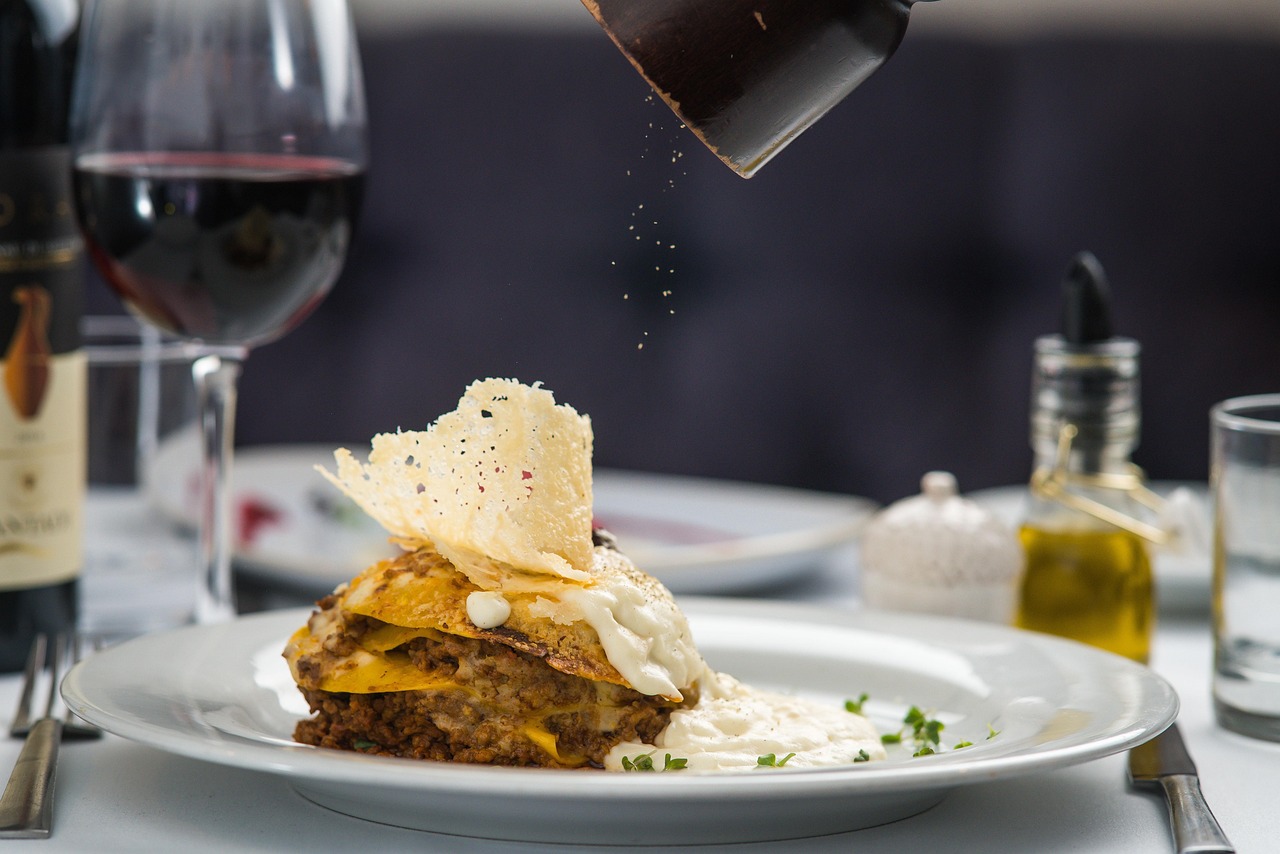
It is a deceptively simple masterpiece: a mountain of hand-cut, golden fries topped with a rich, spiced ground meat sauce (kima) and a generous dusting of sharp, salty myzithra cheese. It is comfort food in its most honest form, a reminder of the days when meat was a luxury and potatoes were the canvas of the working class.
Street Food Essentials
- Kasseropita Kourou at Dodoni: Forget the mass-produced phyllo. Dodoni (near Syntagma) serves a shortcrust cheese pie (kourou) that is buttery, crumbly, and filled with sharp kasseri cheese.
- Galaktoboureko at Kosmikon: For dessert, there is no substitute for this semolina custard pie. The syrup is perfectly balanced, and the pastry remains crisp despite its sweet bath.
5. Practical Tips for the 2025 Food Traveler
Eating in Athens is not just about the food; it is about the social rhythm. To dine like a local, you must adopt the philosophy of siga siga (slowly, slowly).
- Timing is Everything: Lunch is rarely before 2:00 PM, and dinner is a late-night affair. Most authentic tavernas won't even see their first local patrons until 9:30 PM.
- The Art of Mezedes: In the neighborhoods of Kypseli or Kaisariani, avoid ordering individual main courses. Instead, fill the table with mezedes (small plates) meant for sharing. A meal is a collective experience.
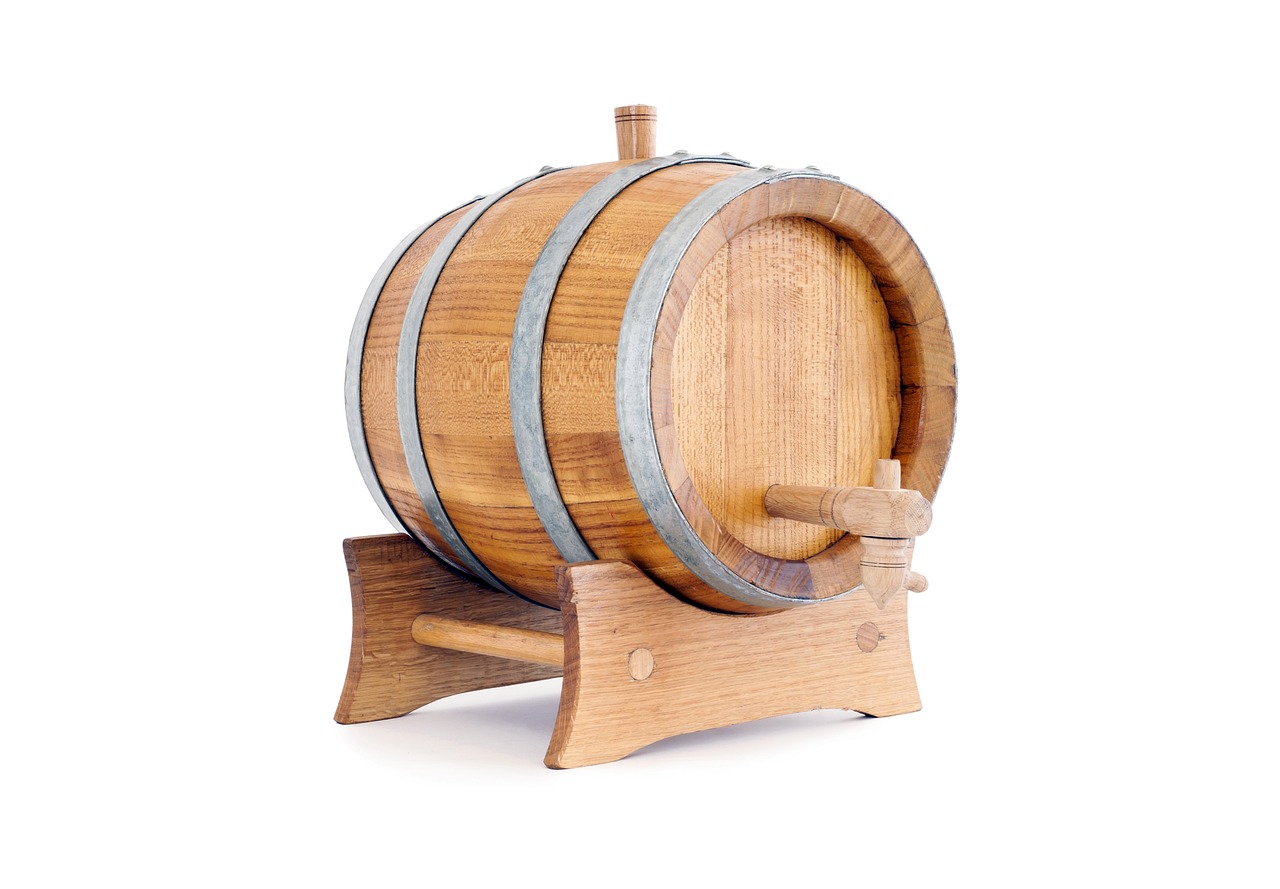
- House Wine over Bottles: Don't be afraid of the "barrel wine." Most traditional tavernas take immense pride in their house bulk wine (white, red, or rosé), served in 500ml or 1-liter copper carafes.
- Seasonality: Visit in Spring (April-May) or Autumn (September-October). The weather is perfect for the outdoor seating that defines the Athenian tavern experience, and the markets are overflowing with wild greens and fresh figs.

Explore More Greek Culinary Traditions →
FAQ: Dining in Athens
Q: Are these neighborhoods safe for tourists? A: Absolutely. While neighborhoods like Agios Panteleimonas have a "grittier" feel than the manicured streets of Plaka, they are vibrant residential areas. Like any major city, exercise standard common sense, but these are the places where you will find the warmest Greek hospitality.
Q: Do I need to book a table in advance? A: For modern spots in Kypseli like Dylan or Santo Belto, a weekend reservation is highly recommended. For traditional tavernas like O Spanos or Tsopanakos, you can usually walk in, though arriving before 9:00 PM increases your chances of snagging a prime outdoor table.
Q: Is it easy to find vegetarian options in these meat-heavy neighborhoods? A: Yes! Greek cuisine is secretly very vegetarian-friendly. Look for "Ladera" (olive oil-based dishes) like Gemista (stuffed vegetables), Gigantes (giant beans), and an endless variety of fresh salads and wild mountain greens.
Conclusion
Athens in 2025 is a city that refuses to be a museum. It is a living, breathing, sizzling culinary landscape where the echoes of the 1922 refugee crisis in Kaisariani meet the ambitious flavors of a new generation in Kypseli. By stepping away from the well-trodden paths of the city center and venturing into these underrated neighborhoods, you aren't just eating; you are participating in the ongoing story of Athens.
So, find a table under a plane tree, order a carafe of wine, and let the city reveal its secrets to you, one plate of lamb chops at a time.