Quick Facts
- The Creative Catalyst: Mary Katrantzou, Bvlgari’s first-ever Creative Director of Leather Goods and Accessories, views Rome as an "open-air museum" that informs 100% of the brand's aesthetic foundation.
- The Art Duality: Her guide balances ancient wonders like the Villa Farnesina with modernist landmarks like the "Square Colosseum" and Zaha Hadid’s MAXXI museum.
- The Rituals: A morning at Sant'Eustachio Il Caffè for a "caffè speciale" and a sunset pilgrimage to the Aventine Hill are non-negotiables for an authentic Roman experience.
- The Culinary Highs: From the cloud-like maritozzo at Pasticceria Regoli to the fresh scampi at Pierluigi, Katrantzou’s picks emphasize tradition redefined.
Introduction: The Magnetic Pull of the Eternal City
"Rome has always held a magnetic pull for me," Mary Katrantzou reflects, her voice carrying the cadence of someone who has found a second home in the amber glow of the Italian capital. For the visionary designer often dubbed the "Queen of Print," Rome is not merely a backdrop for her work at Bvlgari; it is the very marrow of the brand's identity. Katrantzou first encountered the city’s grandeur at the age of 12, a formative pilgrimage that etched the city's scale and historical layering into her creative psyche. Today, as Bvlgari’s Creative Director, she attributes 100% of the brand's design foundation to the historical and aesthetic influence of this ancient metropolis.
To walk Rome through Mary Katrantzou’s eyes is to witness a perpetual dialogue between the weight of history and the lightness of modern reinvention. It is a city of chiaroscuro—where the shadows of the Pantheon meet the sharp, neo-Brutalist lines of the 20th century. For the discerning traveler, her guide offers more than just a list of locations; it provides a blueprint for experiencing Rome as a living, breathing masterpiece of design.
Act I: Design Delights – Where Heritage Meets Modernity
In the Roman lexicon, beauty is never static. Katrantzou’s fascination lies in the tension between different eras. She often finds herself drawn to the Piazza Navona, where the theatricality of Bernini’s Fountain of the Four Rivers serves as a reminder of the city's Baroque soul. Here, the water dances against the stone, a tactile representation of the fluid elegance Katrantzou brings to her leather collections.
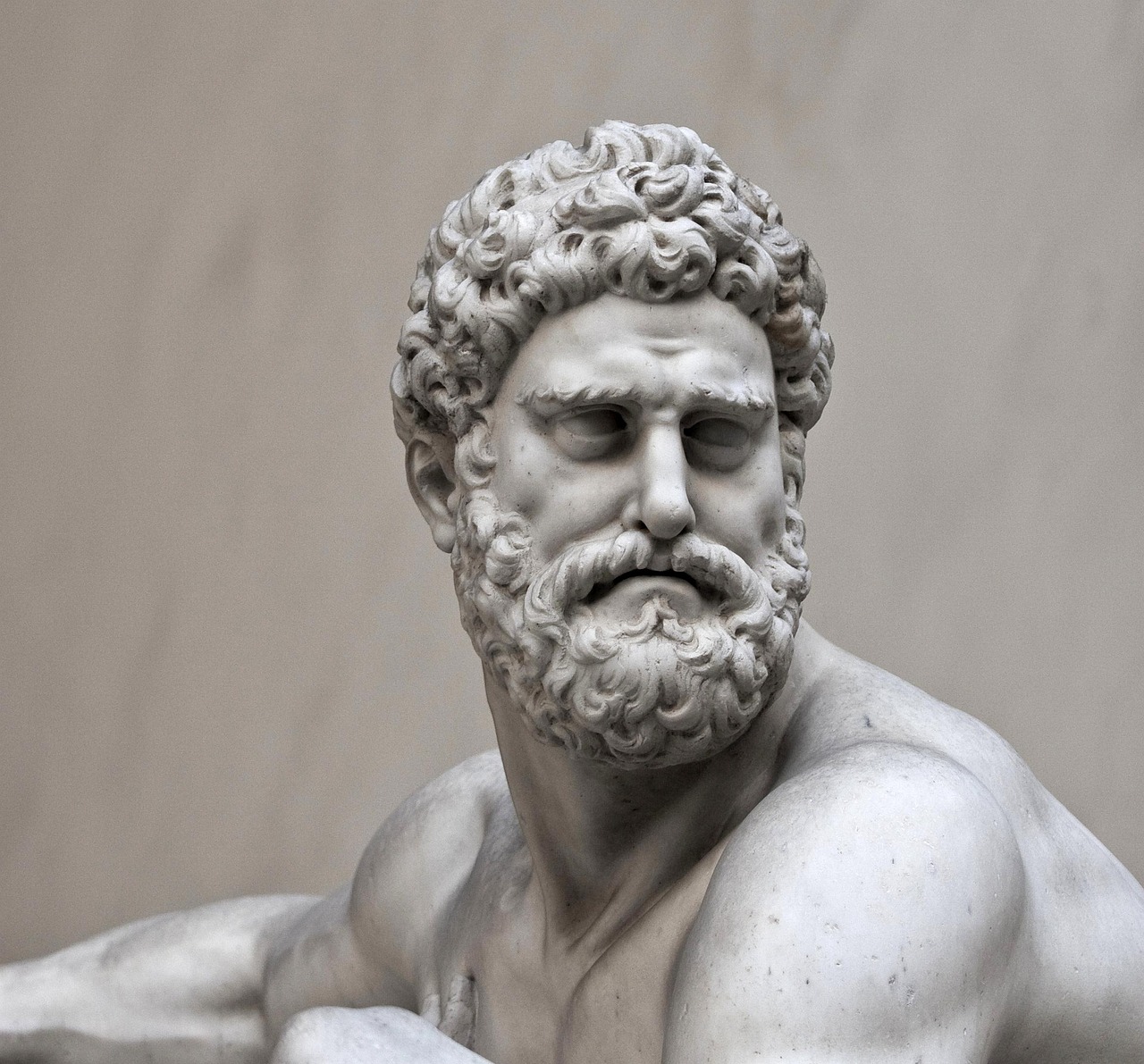
When asked about the best art spots in Rome, Katrantzou’s recommendations span centuries of creative evolution. For those seeking the pinnacle of Renaissance grace, she suggests Villa Farnesina in Trastevere. This 16th-century villa, adorned with frescoes by Raphael, represents a moment in time where art and architecture achieved a perfect, lyrical harmony.
However, her gaze often shifts toward the more rigorous lines of the EUR district. The Palazzo della Civiltà Italiana, famously known as the "Square Colosseum," is a personal favorite. With its rows of symmetrical arches and stark white travertine, it stands as a testament to Rome’s ability to modernize its own classical language. According to fashion experts, Rome is a top-tier inspiration hub where 50% of these featured 'must-see' locations, like the Square Colosseum, represent a delicate balance between heritage and reinvention.
To complete the architectural trifecta, Katrantzou looks toward the future at Zaha Hadid’s MAXXI museum. This concrete-and-glass labyrinth offers a sharp contrast to the city’s ancient ruins, proving that Rome is as much about tomorrow as it is about yesterday.
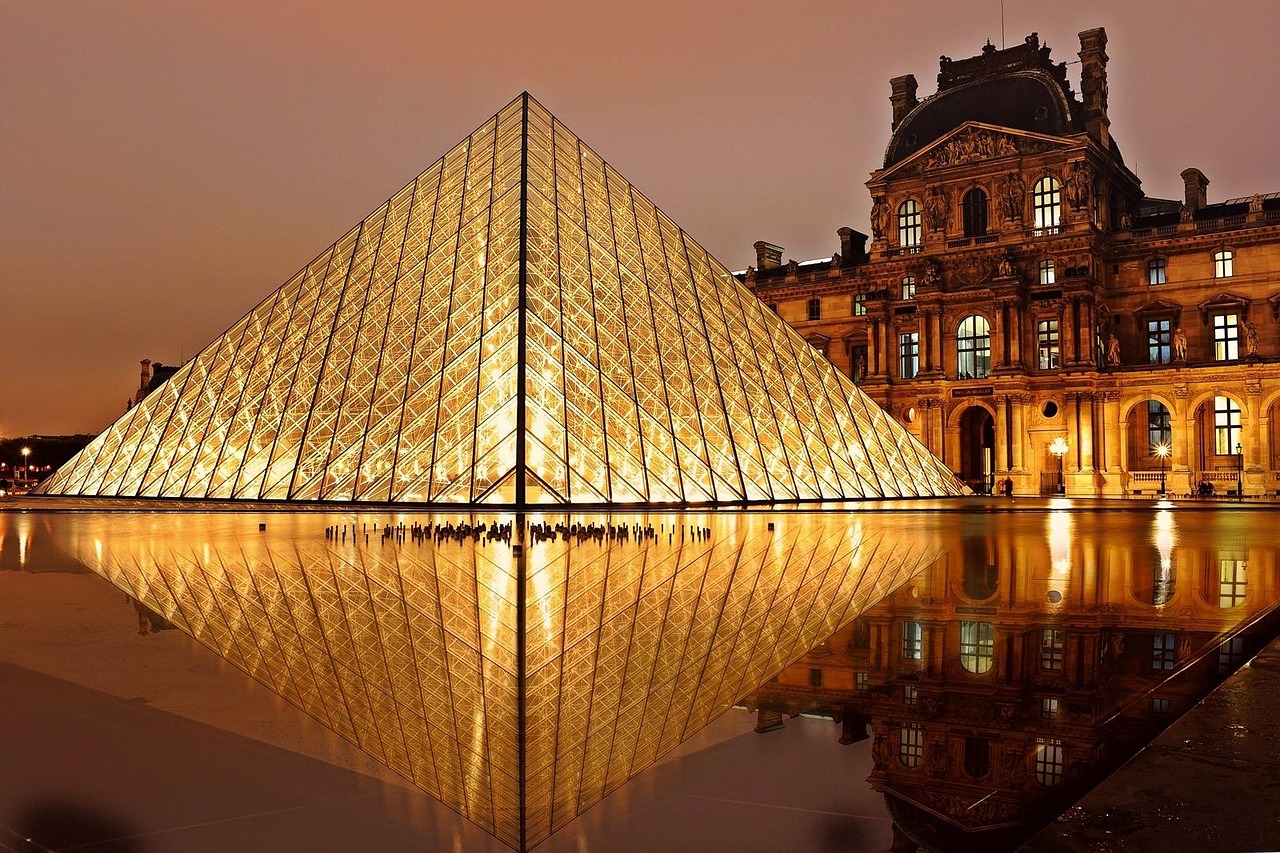
"In Rome, you are never just looking at a building; you are looking at layers of human ambition and artistry. Every arch at the Square Colosseum tells a story of how we reinterpret our past to build our future." — Mary Katrantzou
Act II: Culinary Classics – Embracing the Italian Way
For Katrantzou, the Roman lifestyle is inseparable from its sensory pleasures. The city’s culinary scene is a vibrant tapestry of ritual and indulgence, beginning long before the midday sun hits the cobblestones.
The Morning Gold
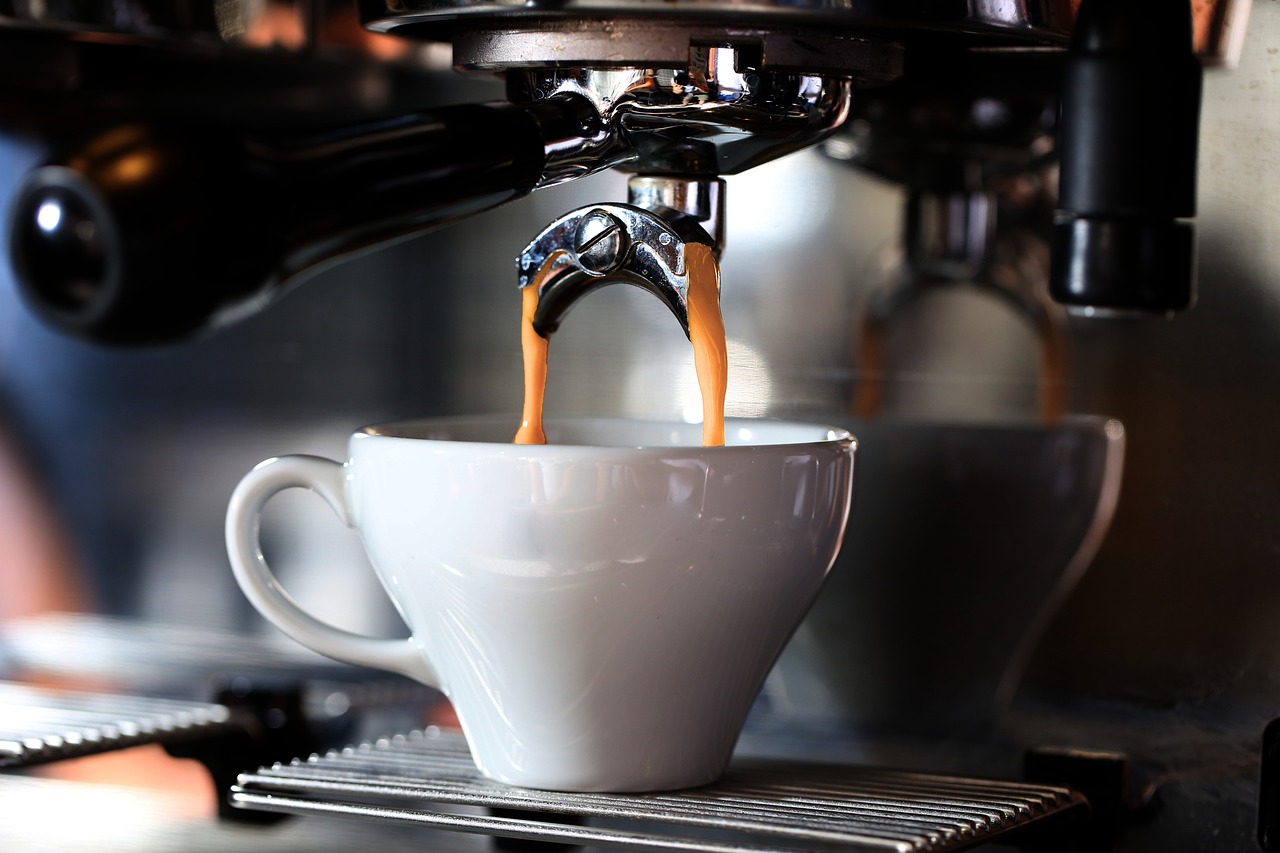
The question of where Mary Katrantzou gets coffee in Rome has a definitive answer: Sant'Eustachio Il Caffè. Nestled near the Pantheon, this historic institution is famous for its secret roasting methods and its signature "caffè speciale." This isn't just an espresso; it’s a frothy, intense experience that Katrantzou recommends for anyone seeking an authentic Roman jolt to the system. The ritual of standing at the wood-paneled bar, surrounded by the aroma of freshly ground beans, is the ultimate Roman "Design Travel" moment.
The Designer’s Table
When the sun begins to set, the destination is often Pierluigi. Located in the charming Piazza de' Ricci, this seafood sanctuary is where the fashion elite gather. Katrantzou favors the scampi and the vibrant outdoor atmosphere, where the clinking of glasses provides the soundtrack to a Mediterranean evening.
Sweet Indulgences
No guide to Rome would be complete without its legendary sweets. Katrantzou’s itinerary includes two essential stops for the sugar-conscious traveler:
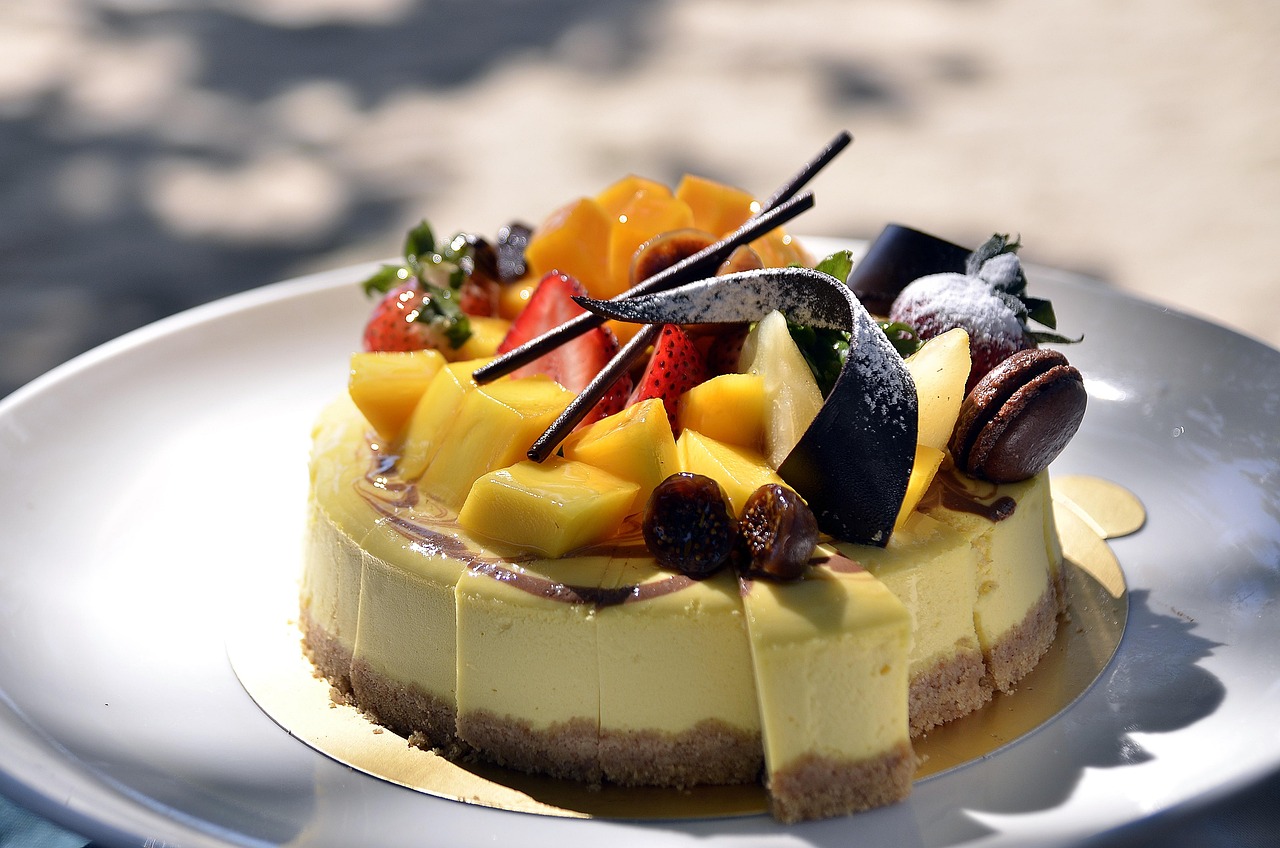
- Pasticceria Regoli: A temple to the maritozzo. This traditional Roman bun, sliced open and filled to bursting with cloud-like whipped cream, is a masterpiece of texture and taste. It is, in Katrantzou’s world, a culinary icon as timeless as a Bvlgari Serpenti bag.
- Otaleg: For gelato, she heads to Trastevere. Otaleg is known for its avant-garde approach, offering flavors like ricotta or hazelnut that are so pure they feel like a tribute to the raw materials of the Italian countryside.
Act III: Quiet Moments – Rome’s Sacred Stillness
Despite its bustling energy, Rome offers pockets of profound silence. Katrantzou finds her "quiet moments" on the Aventine Hill. The Giardino degli Aranci (Orange Garden) provides what she considers the best rooftop view of the city—a panoramic sweep of terracotta tiles and domes bathed in the golden hour's light.
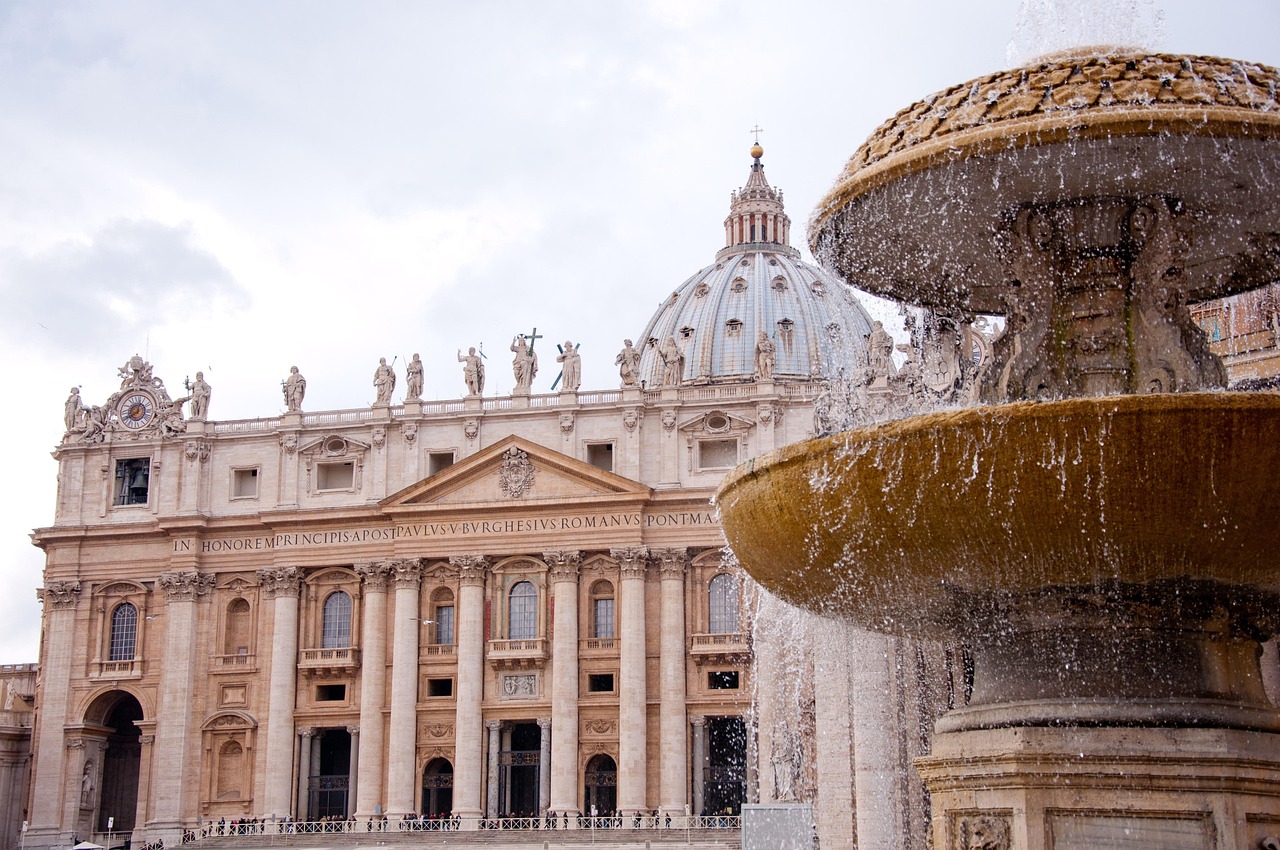
However, the most unique hidden gem suggested by Katrantzou is just a few steps away: The Aventine Keyhole. Located at the Priory of the Knights of Malta, this unassuming green door hides a secret. When you peer through the tiny peephole, you are greeted by a perfectly framed view of the dome of St. Peter’s Basilica, aligned at the end of a manicured garden path.
"It’s a lesson in perspective," she says. "Sometimes the most profound beauty is waiting to be discovered through the smallest lens."
A Fashion Girl’s 24-Hour Design Itinerary
For those looking to replicate Katrantzou’s Roman experience, this structured itinerary balances the city's high-design landmarks with its most soulful flavors.
| Time | Activity | Location | Design Highlight |
|---|---|---|---|
| 09:00 | Morning Coffee | Sant'Eustachio Il Caffè | Mid-century Roman coffee culture |
| 10:30 | Renaissance Dream | Villa Farnesina | Raphael’s mythological frescoes |
| 13:00 | Sweet Lunch | Pasticceria Regoli | The architecture of the Maritozzo |
| 15:00 | Modernist Icon | Square Colosseum | Fascist-era rationalist architecture |
| 17:00 | Contemporary Art | MAXXI Museum | Zaha Hadid’s fluid concrete lines |
| 19:00 | The Secret View | Aventine Keyhole | The perfect visual frame of St. Peter's |
| 20:30 | Seafood Dinner | Pierluigi | Outdoor dining in a Baroque piazza |
FAQ
Q: What is the best time of year to follow Mary Katrantzou’s Rome guide? A: To truly appreciate the "golden light" she loves, visit in late spring (May/June) or early autumn (September/October) when the temperatures are mild enough for long walks between the design landmarks.
Q: Is Sant'Eustachio Il Caffè very crowded? A: Yes, it is a favorite for both locals and tourists. The tip is to do as the Romans do: drink your coffee standing at the bar rather than sitting at the tables outside; it’s faster and more authentic.
Q: Do I need to book tickets for Villa Farnesina or MAXXI in advance? A: While MAXXI is large and usually accessible, Villa Farnesina is a smaller gem with limited hours. It is highly recommended to check their schedule and book ahead to ensure you don't miss the frescoes.
Rome remains an inexhaustible source of wonder for those who know where to look. Through Mary Katrantzou’s eyes, we see a city that isn't just a relic of the past, but a vibrant, pulsing heart of modern creativity. Whether you're peering through a keyhole or sipping a "caffè speciale" near the Pantheon, the Eternal City invites you to find your own inspiration in its layered history.