Quick Facts
- Standard Razors: Disposable razors and cartridge systems (like Gillette or Venus) are permitted in both carry-on and checked luggage.
- Safety Razors: The handle is allowed in carry-on bags, but the sharp, loose blades must be placed in checked luggage.
- Electric Shavers: Fully permitted in all luggage types; however, loose lithium batteries for cordless models must stay in your carry-on for safety.
- Shaving Creams: Subject to the TSA 3-1-1 rule for carry-ons (3.4 oz/100ml limit). Aerosols are permitted in checked bags up to certain volume limits.
- Confiscation Risk: Approximately 1 in 10 grooming-related items seized at TSA checkpoints are loose safety razor blades incorrectly packed in carry-on bags.
You are standing over your suitcase at 4:30 AM, the pre-dawn silence of your bedroom broken only by the hum of anxiety regarding your upcoming 6:00 AM flight. You’re headed to a high-stakes board meeting or perhaps a long-awaited destination wedding. You reach for your shaving kit. At this moment, a simple question becomes a potential logistical nightmare: Can this razor go in my carry-on?
As someone who has navigated hundreds of security checkpoints across five continents, I’ve seen many a high-end grooming kit dismantled by a firm but polite TSA agent. The frustration isn't just about the lost blade; it’s about the delay, the disruption of your rhythm, and the inevitable search for a replacement in an unfamiliar city. Understanding the nuances of transit grooming isn't just about following rules—it’s about maintaining your professional edge without the friction of security delays.
The Quick Verdict: What Flies and What Stays
When it comes to the Transportation Security Administration (TSA) and its international counterparts, the distinction between a "safe" razor and a "dangerous" one comes down to one factor: the accessibility of the blade. If the blade is permanently embedded in a plastic housing, you are generally in the clear. If the blade can be removed and used as a standalone cutting edge, the rules change significantly.
According to recent travel grooming surveys, roughly 65% of frequent flyers now prefer cartridge razors specifically to avoid potential delays during TSA security screenings. This "path of least resistance" strategy is the hallmark of the seasoned traveler.
| Razor Type | Carry-on Bag | Checked Luggage | Note |
|---|---|---|---|
| Disposable Razors | Yes | Yes | Blade is fixed in plastic. |
| Cartridge Razors | Yes | Yes | Fixed blade systems (e.g., Gillette, Harry’s). |
| Electric Shavers | Yes | Yes | Lithium battery rules apply. |
| Safety Razors | No Blades | Yes | Handle is okay; blades must be checked. |
| Straight Razors | No | Yes | Traditional "cut-throats" are prohibited in cabin. |

Breakdown by Razor Type: TSA Specifics
Disposable and Cartridge Razors
For the vast majority of travelers, the standard disposable or cartridge razor (think Gillette Mach3 or the Venus Mini) is the undisputed champion of the carry-on. Because the blades are permanently encased in plastic, they do not pose a "concealable weapon" risk in the eyes of security agencies.
These items are the gold standard for frictionless travel. Whether you are using a premium metal-handled cartridge system or a bag of inexpensive disposables, you can leave them tucked inside your Dopp kit without a second thought. They rarely trigger a secondary bag search, allowing you to breeze through the metal detector and toward your gate.
Electric Shavers and Trimmers
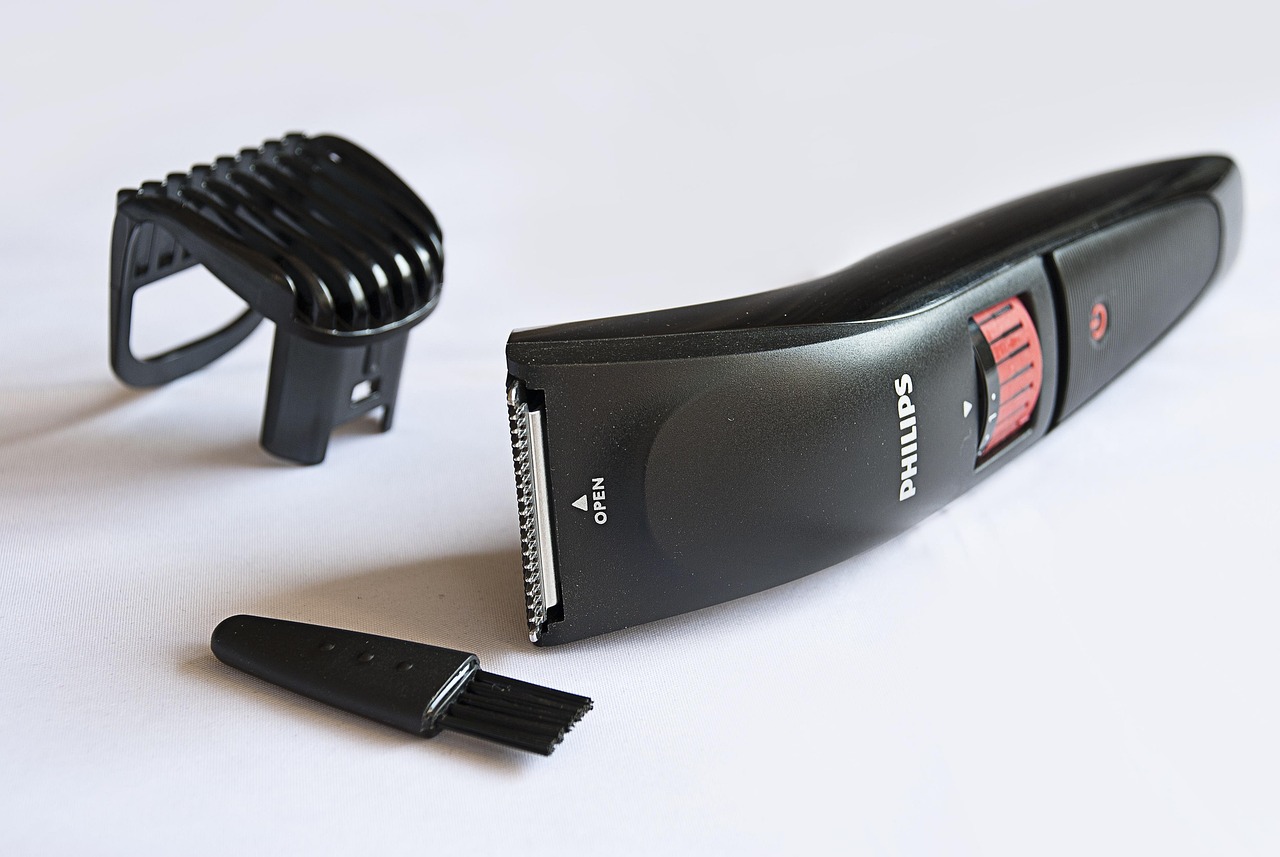
If you prefer a dry shave or need to maintain a specific beard length, electric shavers and trimmers are exceptionally travel-friendly. TSA permits these in both carry-on and checked luggage. The primary concern here isn't the "blade" (which is shielded), but the power source.
Most modern cordless shavers use lithium-ion batteries. While the device itself can be checked, the FAA and TSA generally prefer that devices with integrated lithium batteries remain in the cabin where flight crews can respond to any rare thermal events. If you have loose or spare lithium batteries for a specialized trimmer, these must stay in your carry-on bag.
James’s Recommendation: For the frequent business traveler, the Panasonic ARC5 offers a compact, high-performance shave that bridges the gap between home comfort and portablity. It’s robust enough for a checked bag but slim enough for a briefcase. Shop Panasonic ARC5 →
Safety Razors and Straight Razors: The "Blade-Out" Rule
This is where many enthusiasts of traditional wet shaving run into trouble. Analysis of TSA data suggests that nearly 1 in 10 grooming-related items confiscated at checkpoints are loose safety razor blades incorrectly packed in carry-on bags.
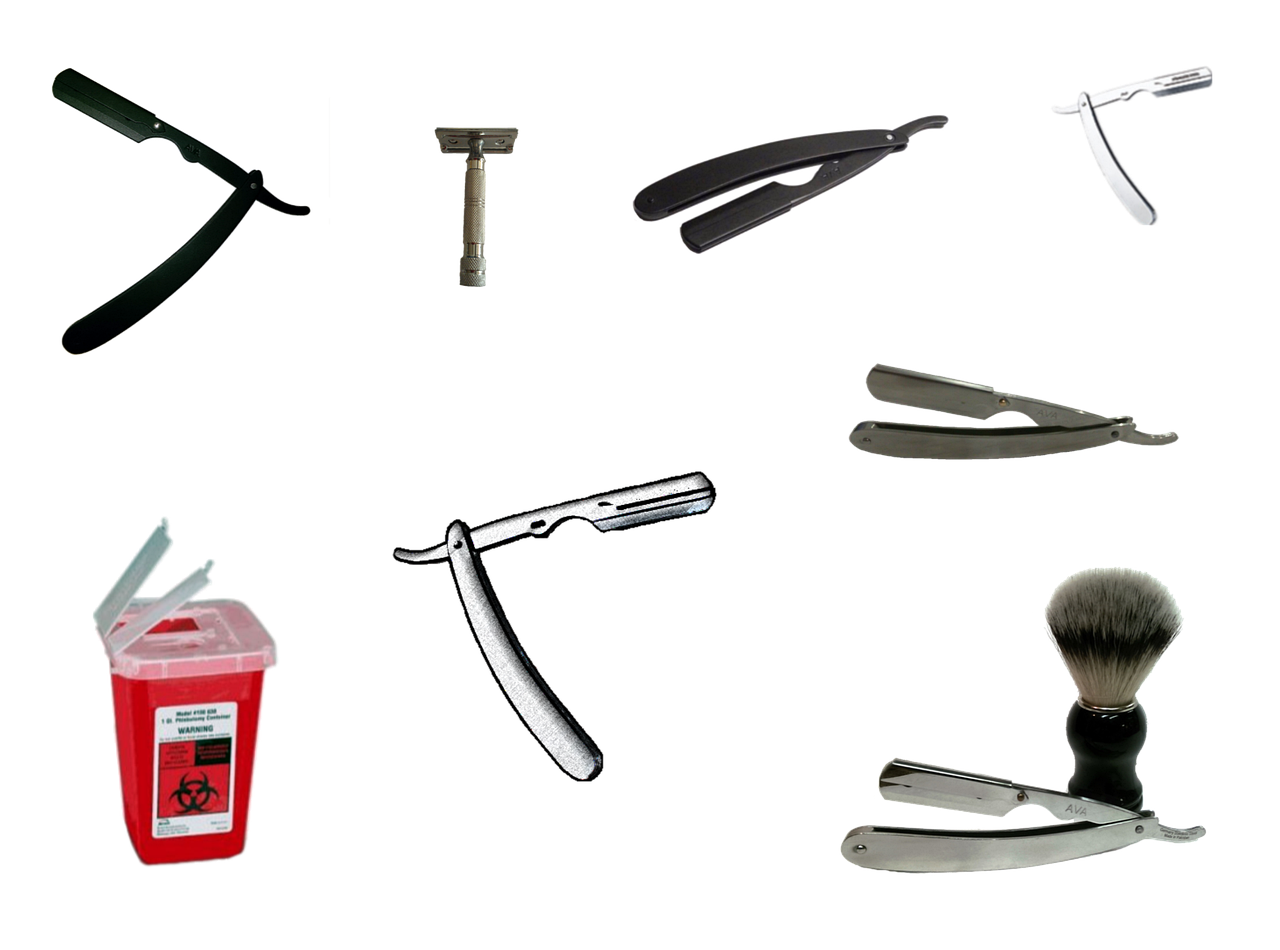
The rule is absolute: Safety razors are allowed in carry-on bags only if the blade is removed. The metal handle itself is perfectly fine, but the loose double-edge (DE) blades must be packed in checked baggage. If you are a carry-on-only traveler, you have two choices:
- Pack your safety razor handle and buy blades at your destination (drugstores like CVS or Boots usually carry them).
- Switch to a cartridge razor for the duration of your trip.
Straight razors—the classic "cut-throat" blades—are strictly prohibited from carry-on luggage regardless of whether they are folding or fixed. These must be securely wrapped and placed in checked luggage to prevent injury to baggage handlers.

TSA Pro-Tip: If you are checking a safety razor with blades, use a "blade bank" or the original plastic packaging to ensure the sharp edges don't pierce your bag or injure someone during a manual bag search.
Navigating the 3-1-1 Rule for Shaving Creams and Gels
A great razor is useless without proper lubrication, but your choice of shaving cream can be just as problematic at security as the razor itself. TSA’s 3-1-1 rule is the gatekeeper here:
- 3.4 Ounces (100ml): All liquids, aerosols, and gels in carry-ons must be in containers of this size or smaller.
- 1 Quart Bag: All those containers must fit into a single, clear, plastic quart-sized bag.
- 1 Bag per Passenger: You get one bag for all your toiletries.
If you are checking a bag, you have more leeway. However, be aware of FAA hazardous materials limits for aerosols. You are generally limited to 18-ounce containers, with a total aggregate limit of 70 ounces per passenger for all medicinal and toiletry aerosols.
The "Solid" Advantage: To bypass these restrictions entirely, I highly recommend transitioning to a solid shaving soap or shave stick. Since it isn't a liquid or a gel, it doesn't count toward your 3-1-1 limit, it won't leak in your luggage, and it often provides a superior lather compared to pressurized cans.

Beyond the Razor: Other Grooming Tools
Your grooming routine likely involves more than just a razor. When packing your Dopp kit, keep these dimensions in mind to avoid a secondary screening:
- Scissors: These are allowed in carry-ons only if the blades are less than 4 inches long from the pivot point. If you use long shears for beard maintenance, they need to go in the hold.
- Tweezers and Nail Clippers: Generally permitted in carry-ons. However, ensure they don't have hidden "knife" attachments which are common on some multi-tool style clippers.
- Protective Wrapping: For any pointed grooming tool, TSA recommends "sheathing" or securely wrapping the item. This is as much for the safety of the inspectors as it is for the protection of your gear.
Expert Packing Strategies for Every Trip
Through years of trial and error, I’ve developed three distinct "grooming profiles" based on the nature of the travel. Choosing the right profile before you pack can save you 15 minutes at the checkpoint and a lifetime of frustration.
1. The Red-Eye/Business Trip (The Frictionless Setup)
When you land at 7:00 AM and have an 8:30 AM meeting, efficiency is king.
- Razor: High-quality cartridge razor (Gillette/Venus).
- Cream: Travel-sized (2 oz) non-aerosol shave gel or a solid shave stick.
- Strategy: Everything stays in a transparent, TSA-approved pouch at the top of your carry-on for quick removal if required.
2. The Long-Haul/Destination Wedding (The Full Kit)
When the photos will last a lifetime, you can't compromise on the shave quality.
- Razor: Your preferred Safety Razor and a fresh pack of DE blades.
- Cream: Full-sized luxury shaving cream and a badger-hair brush.
- Strategy: This belongs in checked luggage. Ensure the blades are in a hard-shell case. Use a structured Dopp kit to prevent the "belly of the plane" pressure from crushing your brush or popping your cream tubes.
3. The Leisure Run (The Minimalist)
For a weekend in the mountains or a coastal escape where a "five o'clock shadow" is acceptable.
- Razor: A high-end electric trimmer.
- Strategy: Pack it in your carry-on. You skip the liquids rule entirely, and you can touch up your stubble in the airport lounge or the Uber on the way to the hotel.

Expert Tip: Invest in a Dopp kit with a waterproof lining. Even if a TSA-approved shaving cream tube fails due to cabin pressure changes, your clothing will remain unscathed. Browse Premium Dopp Kits →
FAQ
Q: Can I bring a razor in my carry-on if it’s a vintage safety razor? A: Yes, but only the handle. The double-edged blades must be removed and placed in checked luggage. If the razor has a blade currently loaded, security will likely ask you to remove and dispose of it at the checkpoint.
Q: Are "shavettes" (straight razors with disposable blades) allowed? A: No. Like safety razors, the blades are prohibited. Even without the blade, many TSA agents will flag a shavette handle because it so closely resembles a traditional straight razor, leading to unnecessary delays. It is best to check these.
Q: Does shaving cream in a pressurized can count as a liquid? A: Yes. Shaving foam and gel are considered liquids/gels by the TSA. They must be 3.4 oz or smaller to be in your carry-on. If you have a larger 7 oz or 10 oz can, it must go in your checked bag.
The Takeaway
Travel is often a series of variables we cannot control—weather, delays, and gate changes. Your grooming routine shouldn't be one of them. By choosing a cartridge razor for your carry-on or properly checking your safety blades, you eliminate a common point of friction.
Remember, the goal of the TSA agent is safety; your goal is a seamless transition from the terminal to your destination. Armed with the right data and a well-organized Dopp kit, you’ll never have to explain your shaving habits to a line of impatient travelers again. Safe travels and stay sharp.