Quick Facts
- The Olympic Legacy: The 1960 Winter Olympics at Palisades Tahoe (formerly Squaw Valley) transformed the region from a remote summer retreat into a world-class winter destination, marking the first time the Games were televised in America.
- Vast Terrain: Lake Tahoe boasts the highest concentration of major ski resorts in the United States, featuring 15 downhill parks and thousands of acres of backcountry.
- The Largest Resort: Palisades Tahoe is the region's heavyweight, offering 6,000 skiable acres across two mountains, now seamlessly connected by the Base-to-Base Gondola.
- Climate & Conditions: Expect an average of 300 days of sunshine per year paired with legendary "Sierra Cement" snowfalls that can dump feet of powder in a single storm.
The Olympic Spark that Transformed the Sierras
Imagine a time when the Sierra Nevada was little more than a quiet summer getaway for Californians escaping the valley heat. Before 1960, the idea of Lake Tahoe as an international skiing mecca was a pipe dream held by a few visionary pioneers. That all changed when the Winter Olympics came to what was then Squaw Valley.
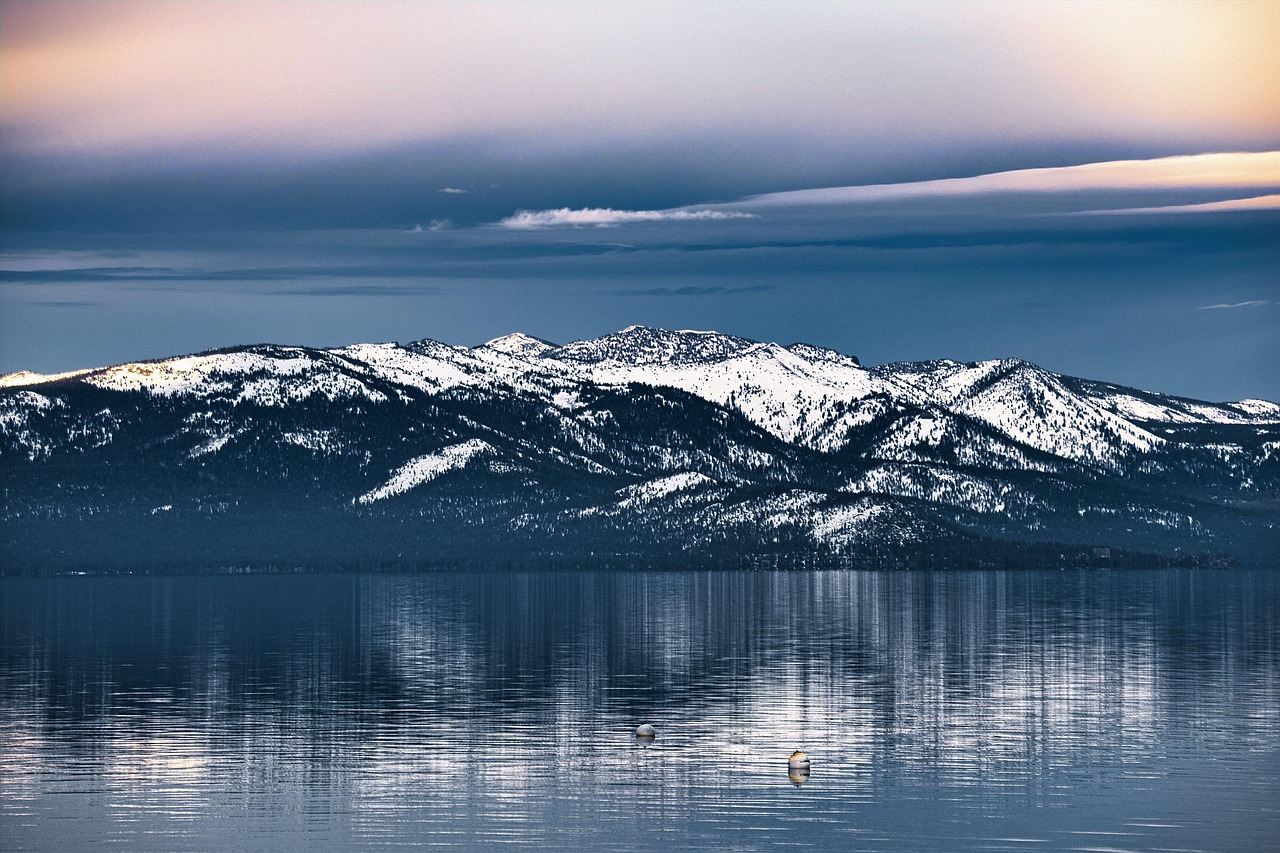
The 1960 Winter Olympics didn't just bring gold medals to the mountains; they brought the infrastructure that defines the modern Tahoe experience. It was a catalyst that triggered massive development, from paved highways to world-class hotels. More importantly, it was the first time the Winter Games were televised in the United States, broadcasting the jagged peaks and cobalt-blue waters of Lake Tahoe into living rooms across the globe. This exposure overnight turned a "remote backwater" into a household name, sparking a decades-long boom that has made the region the premiere winter sports destination in North America.
Today, that legacy is more alive than ever. With 15 major downhill parks and nearly endless backcountry opportunities, Tahoe offers a variety of terrain that few places on earth can match. Whether you are seeking the "Red Bull" intensity of steep chutes or the "hot cocoa" calm of a family-friendly groomer, the spirit of 1960 still echoes through every turn.
Palisades Tahoe: The Mothership of Modern Skiing
If you’re looking for the heart of Tahoe’s competitive soul, you’ll find it at Palisades Tahoe. As the largest resort in the Lake Tahoe region, Palisades offers a staggering 6,000 skiable acres and 43 lifts. For years, the resort was split into two distinct personalities—the rugged, expert-heavy Squaw Valley and the more relaxed, local-favorite Alpine Meadows. In 2021, the game changed forever with the completion of the Base-to-Base Gondola, a 16-minute ride that finally unified these two legendary peaks.
Walking through the village, you can feel the history. You can visit the Olympic Museum at High Camp (8,200 feet) to see memorabilia from the 1960 Games, but the real history is written in the snow. The resort is famous for the "KT-22" chairlift, often cited as the best lift in North America. It serves up a buffet of vertical drops, tight couloirs, and massive cliffs that have served as the training ground for legends like Shane McConkey and Jonny Moseley.
However, Palisades isn't just for the pros. While the Palisades side offers that high-octane "Red Bull" energy, Alpine Meadows provides a more soulful, "hot cocoa" vibe with wide-open bowls and a slower pace. The resort is also leading the charge in sustainable tourism. Their innovative parking reservation and shuttle system has successfully removed 53,000 cars from area roads, preventing 626 tons of CO2 emissions—a crucial effort in preserving the very environment that makes this place so special.
Best for: Hard-chargers, Olympic history buffs, and those who want the biggest and boldest terrain in the region.
Heavenly Mountain Resort: Skiing Across State Lines
There is a specific moment at Heavenly Mountain Resort that every skier needs to experience: standing at the top of the "Ridge Run" trail. To your left, the massive expanse of Lake Tahoe glimmers like a sapphire jewel. To your right, the Carson Valley of Nevada stretches out in a high-desert tapestry.
Heavenly is unique because it straddles the California-Nevada border. You can literally start your morning in California and ski over to Nevada for lunch. With 4,800 acres of terrain, it is the highest resort in Tahoe, which often means better snow quality during warmer spring cycles. The resort is primarily known for its expansive intermediate runs—long, wide groomers that allow you to cruise for miles while soaking in those unobstructed views.
But the Heavenly experience doesn't end when the lifts stop spinning. Because the Nevada side of the resort drops you right into the heart of South Lake Tahoe’s Stateline, you have immediate access to world-class casinos, high-end dining, and a nightlife scene that rivals Vegas. It’s the perfect spot for those who want their mountain adventure served with a side of cosmopolitan energy.
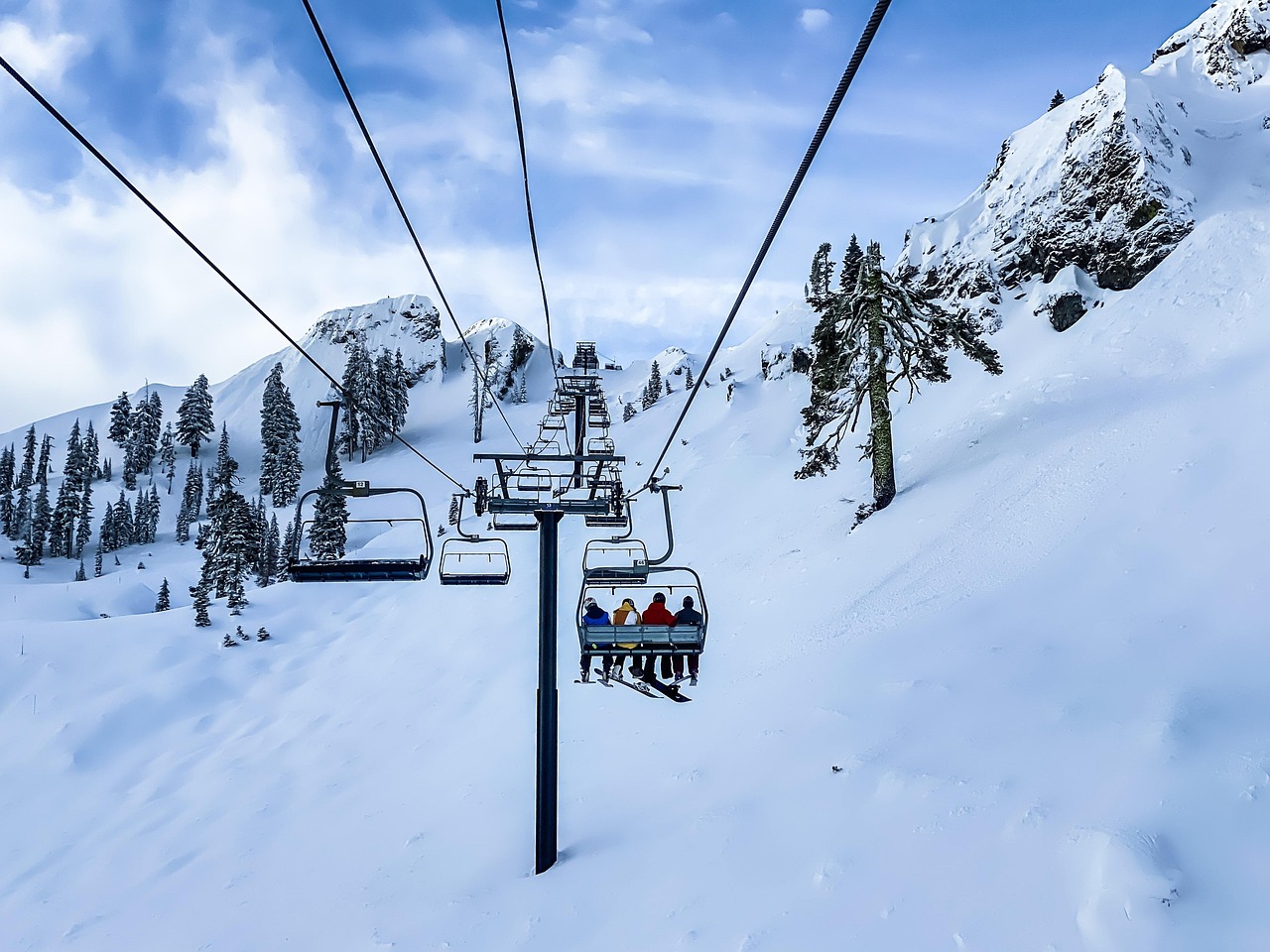
Best for: Intermediate cruisers, vista-seekers, and après-ski enthusiasts who love a good party.
Kirkwood & Sugar Bowl: The Purist’s and the Historian’s Choice
While the "Big Two" get most of the international press, two other mountains offer a more distilled, authentic Tahoe experience.
Kirkwood: Best for Skiing Purists Located about 45 minutes south of the lake on Route 88, Kirkwood (often called "The Wood") is a no-frills destination for those who care about one thing: the snow. Because of its unique geography, Kirkwood often receives significantly more snow than the rest of the basin—a phenomenon locals call the "K-Factor." There is no fancy village here and cell service can be spotty, but the steep chutes of "The Wall" and the deep powder in the back bowls make it a sanctuary for those who want to escape the crowds and test their mettle.
Sugar Bowl: Best for Families and Indie-Resort Supporters On the northern end of the lake, Sugar Bowl sits atop Donner Summit. Founded in 1939 with backing from Walt Disney himself, it retains a distinct "Tyrolean" charm, with architecture inspired by the Austrian Alps. It’s one of the few remaining large independent resorts in a world of corporate giants. Sugar Bowl is perfect for families who appreciate shorter lift lines and a more intimate feel. For those who prefer skinny skis, Sugar Bowl is adjacent to Royal Gorge, which is North America’s largest cross-country skiing area, offering over 200 kilometers of groomed trails.
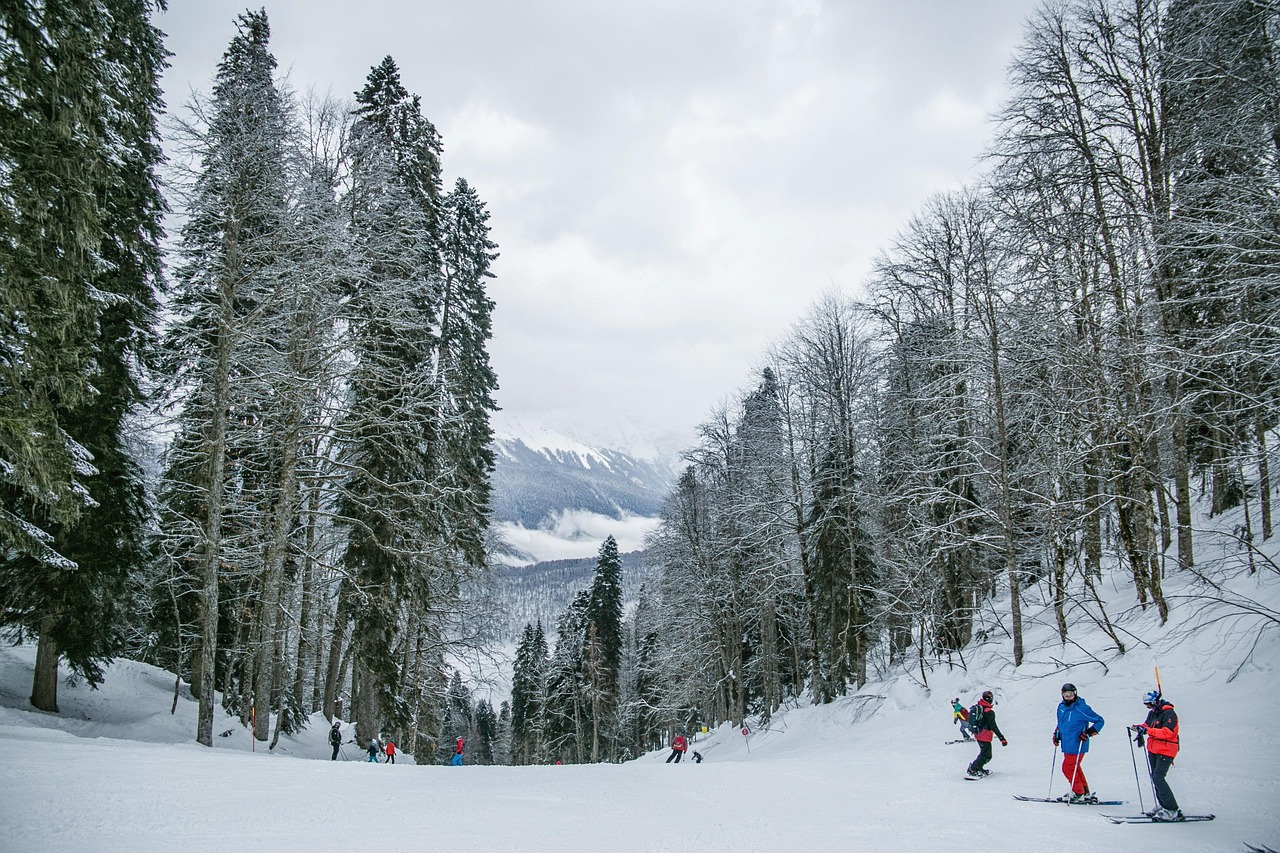
Local’s Secret: Mt. Rose & Diamond Peak
If you want to ski where the locals ski, you head to the eastern side of the lake.
Mt. Rose: Best for Experts and High Elevation Mt. Rose Ski Tahoe boasts the highest base elevation in the region (8,260 feet), meaning the snow stays light and dry long after other resorts have turned to slush. The "hometown hero" of Reno, it features the iconic Mt. Rose Chutes—some of the steepest, most sustained expert terrain in the country. It’s punchy, exciting, and lacks the pretension of the larger resorts.
Diamond Peak: Best for Sunrise Views and Families Located in the affluent community of Incline Village, Diamond Peak is often described as an "enchanted cottage" of a resort. It’s small, but every run feels like it’s dropping you straight into the lake. Because it’s community-owned, it’s remarkably affordable and rarely crowded, making it the best-kept secret for a stress-free family day with world-class views.
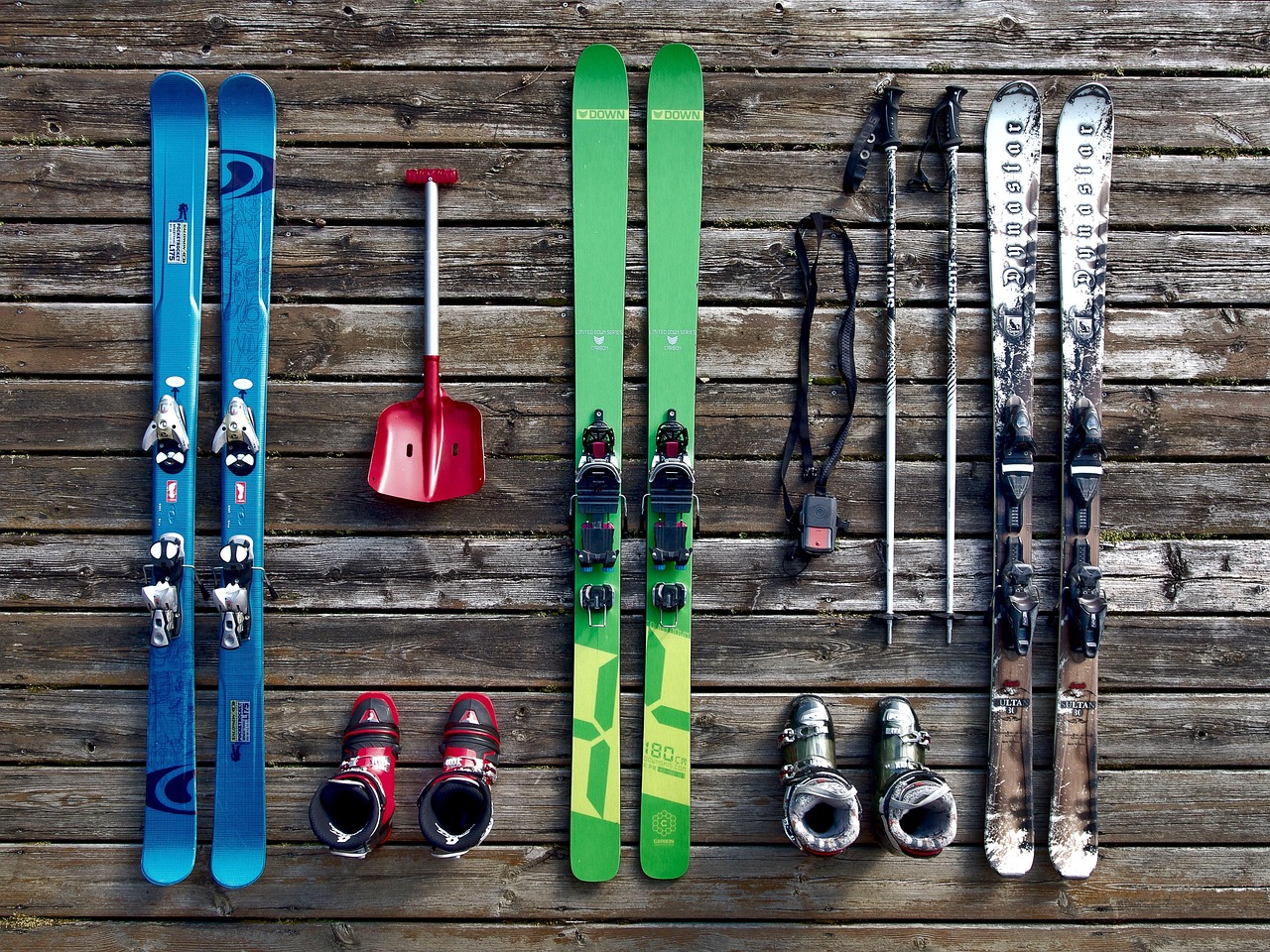
Tahoe Resort Comparison Table
| Resort Name | Acreage | Best For | Pass Type |
|---|---|---|---|
| Palisades Tahoe | 6,000 | Experts & Olympic History | Ikon |
| Heavenly | 4,800 | Intermediates & Views | Epic |
| Kirkwood | 2,300 | Deep Powder & Purists | Epic |
| Sugar Bowl | 1,650 | Families & Indie Vibes | Independent |
| Northstar | 3,170 | Luxury & Terrain Parks | Epic |
| Mt. Rose | 1,200 | High Elevation & Chutes | Independent |
Planning Your Tahoe Adventure: Logistics and Gear
Getting to Lake Tahoe has become significantly easier since the 1960s, but it still requires some strategy. Most travelers fly into Reno-Tahoe International Airport (RNO), which is a scenic 50-to-90-minute drive from most resorts. Alternatively, you can fly into San Francisco or Sacramento and drive up via I-80, though winter storms can make this a 4-to-6-hour ordeal.
When it comes to transport, 4WD or AWD is non-negotiable. The Sierra Nevada is famous for its "atmospheric rivers"—intense storms that can drop three feet of snow in 24 hours. Mountain passes like Donner Summit and Echo Summit frequently implement chain controls. If you are renting a car, ensure it is equipped with all-weather tires at a minimum, though a dedicated 4WD vehicle is your best insurance against being stranded.
For accommodation, your choice depends on your "vibe." If you want the full resort experience, the Village at Palisades Tahoe offers ski-in/ski-out luxury. For something more modern and design-forward, the Desolation Hotel in South Lake Tahoe offers a boutique "cabin-core" experience that feels miles away from the casino neon, yet is only steps from the Heavenly gondola.
Pro Tip: If you're visiting Palisades Tahoe on a weekend, remember to book your parking reservation well in advance. Not only does this guarantee you a spot, but it supports the region's massive CO2 reduction efforts.
FAQ
When is the best time to ski Lake Tahoe? While the season can run from November to May, "Miracle March" is a local favorite. This is when the base is at its deepest, but the sun is out, and the temperatures are mild enough for outdoor après-ski.
Can I ski multiple resorts on one pass? Yes. Tahoe is split primarily between the Epic Pass (Heavenly, Northstar, Kirkwood) and the Ikon Pass (Palisades Tahoe). If you plan on skiing more than four days, these passes usually pay for themselves.
Is Tahoe good for beginners? Absolutely. Northstar California and Diamond Peak are particularly well-regarded for their beginner programs and mellow, well-groomed "learning zones" that are separated from high-speed expert traffic.
Claim Your Piece of the Olympic Legacy
Decades after the 1960 Winter Olympics, Lake Tahoe hasn't just rested on its laurels; it has evolved into a sophisticated, diverse, and environmentally conscious winter playground. Whether you're dropping into the chutes of KT-22 or cruising the ridge lines of Heavenly, you're participating in a sporting tradition that helped define the American winter experience.
The mountains are calling, the lake is blue, and the legacy is waiting. Are you ready to make your own history in the Sierras?