Quick Facts
- Defining the Movement: The Indigenous food movement is a collaborative mission by chefs, producers, and land defenders to reclaim food sovereignty and revitalize traditional Native American culinary traditions erased by centuries of colonialism.
- Key Visionaries: Prominent leaders include Oglala Lakota chef Sean Sherman (The Sioux Chef), White Mountain Apache chef Nephi Craig, and Kickapoo chef Crystal Wahpepah.
- Essential Ingredients: The movement centers on ancestral "pantry" staples such as heirloom maize, hand-harvested wild rice (manoomin), bison, tepary beans, and wild berries like salmonberries and lowbush blueberries.
- Food Sovereignty: This goes beyond "food security" to encompass the right of Indigenous peoples to define their own food and agriculture systems, prioritizing ancestral land access and ecological restoration.
Introduction: Beyond the Menu to Turtle Island
To understand the plate is to first understand the land. Long before the borders of Canada, the United States, and Mexico were etched into maps, there was Turtle Island—the name used by many Algonquian- and Iroquoian-speaking peoples to refer to the North American continent. In this worldview, the earth is a living being, and our relationship with it is mediated through the ritual of the harvest. Today, a quiet but powerful revolution is simmering in kitchens and community gardens across this landscape.
The Indigenous food movement is far more than a culinary trend; it is a profound reclamation of identity. It is a collaborative mission by a new generation of chefs, producers, and land defenders to reclaim food sovereignty—the right to healthy and culturally appropriate food produced through ecologically sound and sustainable methods. By revitalizing traditional culinary traditions that were systematically erased through colonial policies, these "food warriors" are proving that flavors can be a tool for both healing and political reconciliation.

The Visionaries: Leading the Culinary Renaissance
The movement finds its heartbeat in the stories of those who refused to let ancestral knowledge fade. Among the most prominent figures is Sean Sherman, an Oglala Lakota chef popularly known as "The Sioux Chef." His work has been instrumental in defining the parameters of modern Indigenous cuisine—stripping away colonial ingredients like wheat flour, dairy, and cane sugar to focus on what the land naturally provides. His seminal book, The Sioux Chef's Indigenous Kitchen (often referred to in the context of his broader Turtle Island research), serves as a manifesto for this "pre-contact" philosophy, offering a roadmap for decolonizing the plate.
In Whiteriver, Arizona, Nephi Craig of the White Mountain Apache Tribe has pioneered the intersection of culinary arts and restorative justice. Through the Native American Culinary Association, he uses traditional cooking as a therapeutic tool to combat nutritional trauma and substance abuse. Similarly, Crystal Wahpepah, the first Native American chef to compete on Chopped, brings the flavors of her Kickapoo heritage to the forefront in Oakland, California. These chefs are not merely cooking; they are navigating a shift from survival-based "commodity" foods (like frybread) to sophisticated fine dining that honors the complexity of Indigenous agricultural history.
"Indigenous food is the original 'slow food.' It is a system that understands that we do not own the land; we belong to it. When we eat the food of our ancestors, we are eating their resilience." — Common sentiment among movement leaders.

The Living Pantry: Heirloom Seeds and Traditional Ingredients
The "Indigenous Pantry" is a vibrant mosaic of colors and textures, each ingredient carrying a lineage that stretches back millennia. Unlike the homogenized crops of industrial agriculture, these ingredients are deeply tied to specific microclimates and tribal histories.
| Ingredient | Significance | Primary Regions |
|---|---|---|
| Heirloom Maize | Dozens of varieties (blue, red, gold) used for masa, hominy, and flour. | Southwest USA, Mexico |
| Wild Rice (Manoomin) | A sacred grain hand-harvested by canoe; richer and nuttier than commercial rice. | Great Lakes Region (Anishinaabe territory) |
| Bison | A lean, culturally significant protein central to Plains nations' survival and spirituality. | Great Plains |
| Tepary Beans | Drought-resistant legumes with a creamy texture and high protein content. | Sonoran Desert |
| Wild Berries | Salmonberries, Saskatoon berries, and lowbush blueberries used for pemmican and sauces. | Pacific Northwest, Canada |
A critical component of this movement is "Rematriation"—the process of returning ancestral seeds to their original communities. This is an act of biological and cultural preservation. In regions like Oaxaca, Mexico, Indigenous-led seed banks protect dozens of heirloom varieties of maize, beans, and pumpkins. This biodiversity is a crucial safeguard against climate change and the genetic narrowness of GMO farming. By saving these seeds, communities are ensuring that the flavors of the past remain available for the future.

Culinary Destinations: Where to Experience Indigenous Flavors
For the traveler seeking an immersive cultural journey, several destinations across North America offer the opportunity to taste this movement firsthand. These are not just restaurants; they are centers of education and storytelling.
-
Minneapolis, USA: Owamni by The Sioux Chef Perched on the banks of the Mississippi River (a site sacred to the Dakota people), Owamni is arguably the most famous Indigenous restaurant in the world. The menu is entirely decolonized, featuring dishes like cedar-braised bison and roasted sweet potato with maple and chili. Experience Owamni →
-
British Columbia, Canada: Klahoose Wilderness Resort In the heart of Desolation Sound, the Klahoose people invite guests to share in their traditional territory. Here, culinary experiences are intertwined with the landscape; you might spend the morning bear-viewing and the evening enjoying wild-caught salmon prepared over an open fire, accompanied by stories of the Kwakwaka’wakw people.

-
Vancouver, Canada: Salmon n’ Bannock Bistro Vancouver’s only Indigenous-owned restaurant, this cozy bistro uses traditional ingredients like soapberries and game meats to create approachable, soulful dishes. Their signature "Bannock" (though a post-contact bread) is celebrated here as a symbol of contemporary Indigenous community.
-
Oaxaca, Mexico: Origen While the movement is often discussed in a US/Canada context, its roots run deep in Mexico. At Origen, Chef Rodolfo Castellanos explores the connection between ancient teosinte seeds and modern mole, bridging the gap between ancient Zapotec traditions and contemporary gastronomy.
The Foundations of Food Sovereignty
Food sovereignty is the bedrock upon which this culinary renaissance is built. It is defined by six essential pillars that guide Indigenous communities in their quest for self-determination:
- Food Security: Ensuring all community members have enough to eat.
- Access: Breaking down geographical and economic barriers to fresh food.
- Justice: Addressing the systemic inequalities created by land dispossession.
- Governance: The right of tribes to manage their own food policies and resources.
- Sovereignty: The overarching right to define their own food systems.
- Land Access: The most critical pillar—without land to hunt, fish, and farm, sovereignty is impossible.
The resilience of these systems is often tested by environmental disasters. For instance, after the 2010 Deepwater Horizon oil spill—which dumped approximately 210 million gallons of oil into the Gulf of Mexico—Indigenous communities like the Houma Nation were forced to innovate. They have since pioneered sustainable oyster farming and coastal restoration efforts, proving that traditional ecological knowledge (TEK) is a vital tool for modern environmental recovery.

How to Support the Movement
Engaging with the Indigenous food movement requires a spirit of humility and a willingness to learn. Support can take many forms, from tourism to education:
- Stay at Indigenous-led Lodges: Seek out accommodations like the Knight Inlet Lodge or Klahoose Wilderness Resort that prioritize community-led conservation and traditional foodways.
- Read and Watch: Immerse yourself in the philosophy of the movement. I highly recommend 'Braiding Sweetgrass' by Robin Wall Kimmerer for a poetic look at Indigenous botanical knowledge, and the documentary film 'Gather', which follows several "food foragers" across North America.
- Support Non-Profits: Organizations like the Native American Food Sovereignty Alliance (NAFSA) and the First Nations Development Institute work on the front lines of seed preservation and land rights.
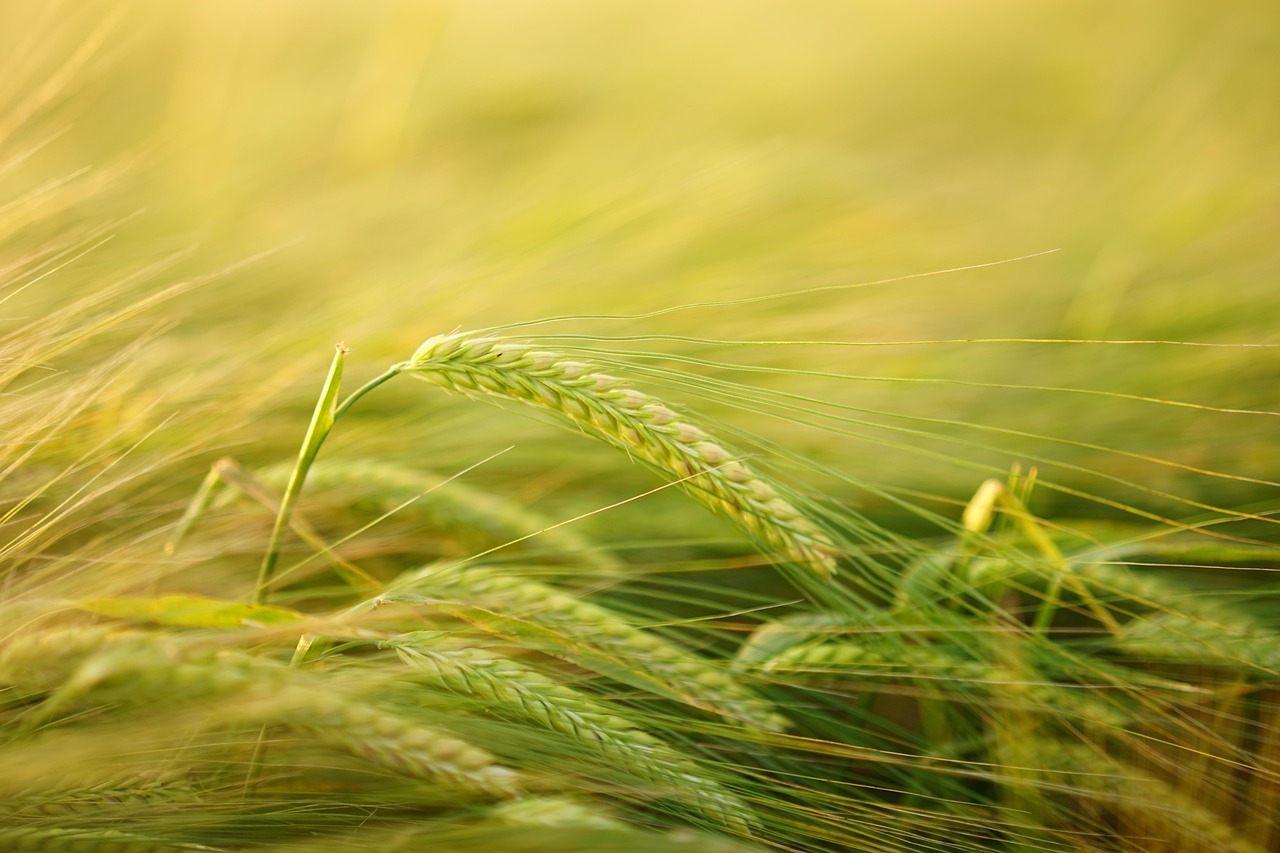
As we sit at these tables, we are doing more than just dining. We are participating in a living history. Every kernel of blue corn and every bite of smoked bison is a testament to a culture that refused to be forgotten—a flavor profile of endurance that is finally receiving the global stage it deserves.
FAQ
What is the difference between Indigenous food and "Native American" food? While often used interchangeably, "Indigenous" is a broader term encompassing the original inhabitants of the entire continent (Turtle Island), including First Nations in Canada and Indigenous peoples in Mexico. "Native American" specifically refers to tribes within the United States. The movement is continental in scope.
Why are some traditional ingredients hard to find in regular grocery stores? Many traditional ingredients, like hand-harvested wild rice or specific heirloom beans, are produced in small batches using labor-intensive traditional methods. They are often sold directly by tribal cooperatives to ensure the profits stay within the community and to prevent the commodification of sacred foods.
Is frybread considered a traditional Indigenous food? Frybread is a "survival food" born of necessity. When Indigenous peoples were forced onto reservations and denied access to their traditional hunting and gathering grounds, the government provided rations of white flour, lard, and sugar. While it has become a staple of contemporary Indigenous gatherings, many chefs in the movement are moving away from it in favor of "pre-contact" ingredients that are healthier and more culturally authentic.
Call to Action
Are you ready to explore the deep roots of North American flavor? Seek out an Indigenous-owned restaurant in your region or support a tribal seed-saving initiative today. By choosing where we eat, we choose which stories we help keep alive.