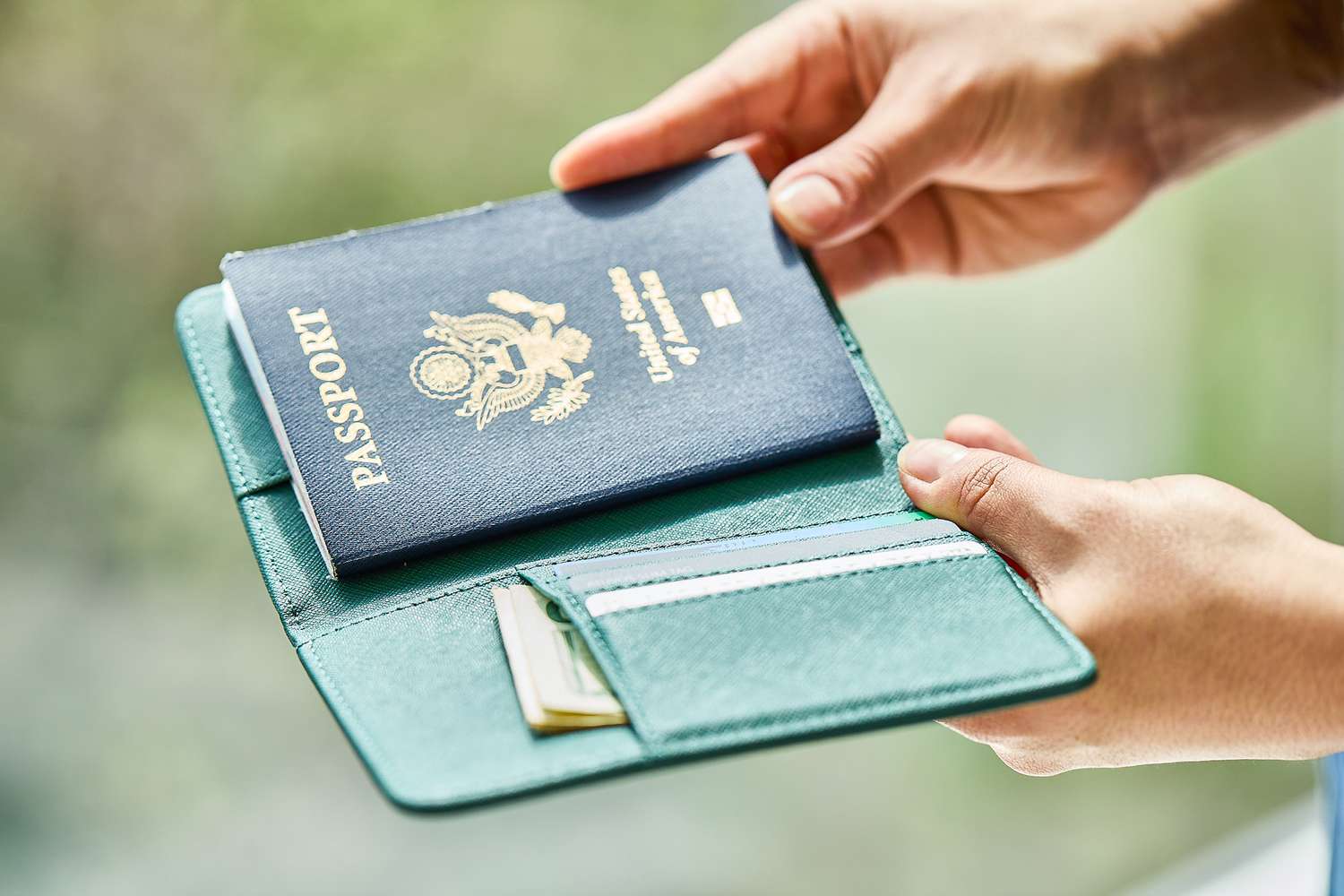
Quick Facts
- Current Fee: $45 for TSA ConfirmID identity verification.
- Payment Method: Mandatory payment via Pay.gov; digital or printed receipt required.
- Validity Period: The verification and fee cover a 10-day travel window.
- Verification Time: Typically takes 10 to 30 minutes at the checkpoint.
- Arrival Buffer: Arrive at least 2 hours before your scheduled departure.
- Expired IDs: State IDs and passports are accepted up to 24 months past expiration.
- REAL ID Deadline: Mandatory compliance required as of May 7, 2025.
You can engage in flying without id within the United States by completing the TSA ConfirmID identity verification process at the airport. This protocols requires travelers to pay a $45 fee via Pay.gov and present the receipt at the TSA security checkpoint to initiate a verification against public record databases. While this pathway allows you to proceed to your gate, the identity verification process typically takes 10 to 30 minutes and involves additional screening measures, with no guarantee of entry if your identity cannot be confirmed.
The New TSA ConfirmID System: A 2026 Policy Overview
The landscape of American aviation security underwent a significant shift on February 1, 2026, when the Department of Homeland Security officially launched the TSA ConfirmID system. This program was designed to formalize the process for passengers who arrive at the checkpoint without a physical, valid identification document. Unlike the previous ad-hoc manual verification methods, ConfirmID is a structured, cost-recovery service that ensures travelers can still reach their destinations while maintaining rigorous security standards.
The most notable change for the modern traveler is the implementation of a mandatory $45 fee. This fee is not a penalty for forgetfulness but rather a service charge to cover the administrative costs of accessing third-party public record databases and the dedicated personnel required for secondary screening. It is critical to understand that this payment must be processed through the official Pay.gov portal before you reach the front of the security line. TSA officers are not authorized to accept cash, credit cards, or mobile payments directly at the podium.
According to early 2026 data, high levels of compliance have been recorded, with 95% to 99% of travelers presenting a REAL ID or another acceptable form of identification. However, for the small percentage of travelers caught in a bind, the ConfirmID system provides a vital safety net. Once the fee is paid, the verification remains valid for a 10-day travel period, which is particularly helpful for passengers who lose their wallet at the start of a round-trip journey.
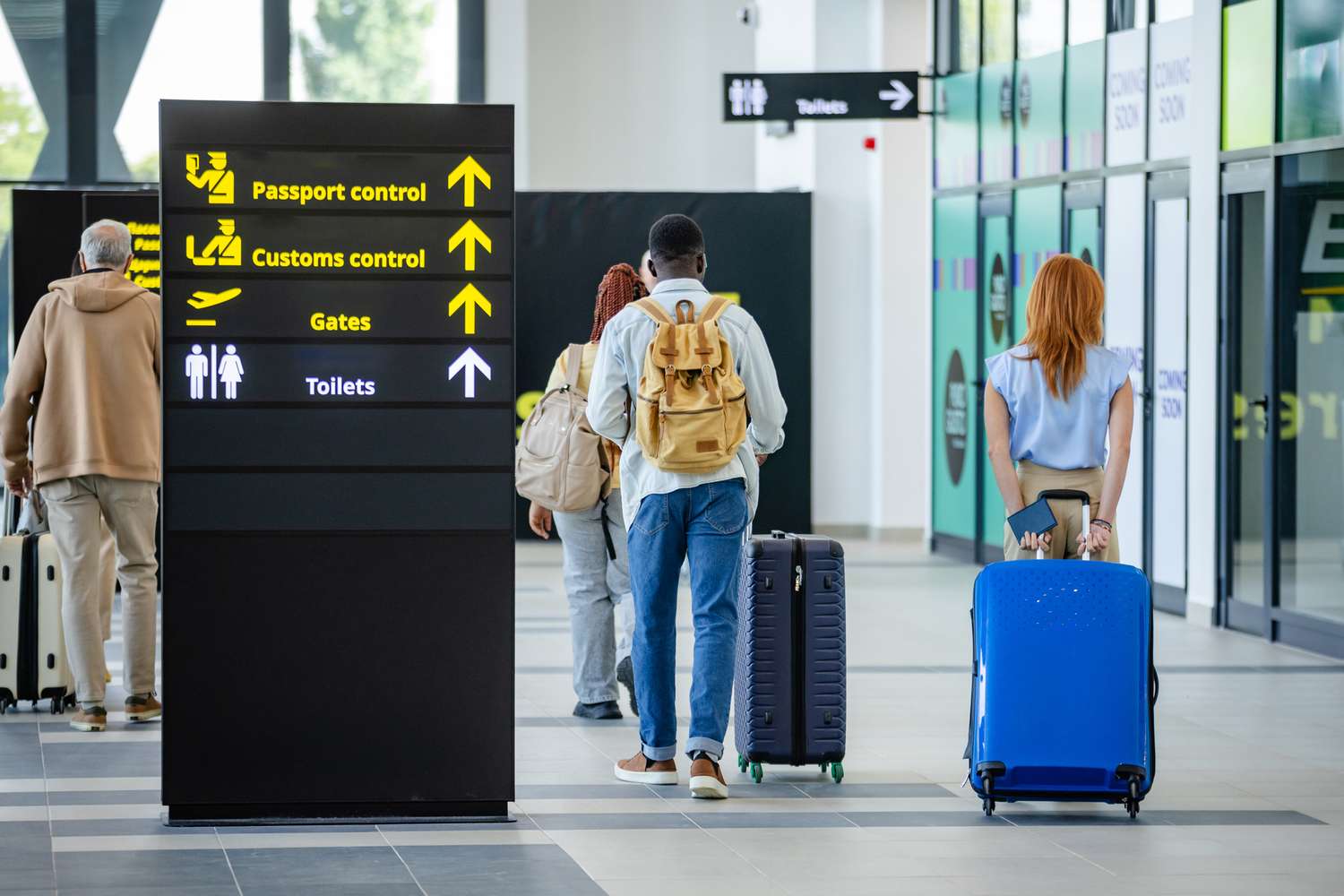
What to Do If You Forgot Your ID at Home
Realizing you have forgotten your wallet or driver's license while standing in the departures hall is a high-stress scenario, but it is no longer an automatic reason to cancel your trip. If you find yourself in this situation for domestic flights, your priority should be transparency and preparation.
First, navigate to Pay.gov on your smartphone to settle the TSA ConfirmID fee. You will need to provide your full legal name, date of birth, and social security number during this digital application. Once the transaction is complete, save a screenshot of your receipt. When you approach the TSA screening officers, inform them immediately that you are flying without id and present your digital receipt alongside your boarding pass.
It is important to note that temporary paper licenses issued by the DMV are not considered valid standalone identification for air travel. Similarly, digital IDs stored in Apple or Google Wallets are currently only accepted in a limited number of participating states and at specific airports. If your state or the specific airport does not support digital credentials, you must proceed with the full identity verification process. The average of 10 to 15 minutes spent at the checkpoint for this verification can easily double during peak travel hours, so adjusting your timeline is essential.
Can You Fly with an Expired ID? The 2-Year Rule
A common misconception among travelers is that an expired driver's license is completely useless at the airport. In reality, the TSA maintains a relatively generous grace period for documentation. If your state-issued identification or U.S. passport expired within the last 24 months, it is still considered an acceptable form of identification for flying.
This policy recognizes that renewing a license can sometimes involve bureaucratic delays. However, this grace period does not exempt you from the REAL ID Act compliance requirements. If your expired ID is not REAL ID-compliant and the federal deadline has passed, you will likely be directed to the ConfirmID process regardless of the expiration date.
For those whose IDs expired more than two years ago, the document is considered invalid for travel. In these instances, you will need to follow the same steps as someone who forgot driver's license for domestic flight, including the $45 payment and the secondary identity confirmation via public record databases.
Building Your Case: Alternative Documents TSA Accepts
While the TSA ConfirmID system relies heavily on digital database checks, presenting alternative documentation can significantly expedite the identity confirmation process. TSA officers are trained to look for a "preponderance of evidence" that links your face to your name and personal history.
If you have lost your primary ID, look through your carry-on or personal items for any of the following:
- A voter registration card or social security card.
- Prescription labels or medical records that match the name on your boarding pass.
- Utility bills or bank statements (accessible via your smartphone).
- A library card, student ID, or even a wholesale club membership card (like Costco).
- Credit cards or business cards.
These items are not considered primary IDs and cannot be used to bypass the security checkpoint alone. However, they serve as crucial supporting evidence during your interview with the TSA officer. By providing these physical links to your identity, you help the officer verify the information provided by the public record databases more quickly. Note that even with a photo of my id on a phone, the TSA will still require the formal ConfirmID check and additional screening for flying without id to ensure the digital image hasn't been tampered with.
Traveling with Minors and Special Name Situations
The tsa id requirements for domestic flights are notably different for children. Currently, the TSA does not require passengers under the age of 18 to provide identification when traveling with a companion within the United States. The adult companion will, however, need to meet all standard identification requirements.
For unaccompanied minors, the rules vary slightly by airline, but the TSA generally allows them to pass through security with their boarding pass after a brief verbal confirmation of their identity. If an unaccompanied minor is using TSA PreCheck, they should ensure their Known Traveler Number is correctly attached to their reservation to enjoy the expedited screening process.
We also frequently see concerns regarding name mismatches, specifically with suffixes like Jr., Sr., or III. The TSA has clarified that as long as the primary names match your government-issued ID, the presence or absence of a suffix on your boarding pass will not prevent you from flying. If you have recently changed your name due to marriage or court order and your ID does not yet reflect it, carrying a copy of the marriage certificate or legal decree can prevent delays at the security checkpoint.
FAQ
How can I fly if I don't have an ID?
You can fly by using the TSA ConfirmID system. You must pay a $45 fee via Pay.gov and arrive at the airport early to undergo an identity verification process. TSA officers will use public databases to confirm your identity based on information like your name, address, and social security number.
What to do if you lose your ID right before a flight?
If you lose your ID immediately before travel, do not panic. Head to the airport at least two hours early, access Pay.gov to pay the $45 verification fee, and inform the TSA officer at the start of the security line. Bring any secondary documents you might have, such as credit cards or prescription bottles, to help verify your identity.
Can I fly with a picture of my ID on my phone?
A photo of your ID is not accepted as a primary form of identification. While it may help a TSA officer during the secondary screening process to confirm your details, you will still be required to pay the $45 ConfirmID fee and undergo the full identity verification and additional security screening.
Is TSA going to charge for no REAL ID?
As of February 2026, if you do not have a REAL ID-compliant license or an alternative like a passport, you will be required to use the TSA ConfirmID service, which costs $45. This fee is mandatory for those who cannot provide an acceptable form of identification at the security checkpoint.
What if I lost my ID and I fly tomorrow?
You can still fly tomorrow. Ensure you have a smartphone or computer to pay the $45 fee on Pay.gov tonight or at the airport tomorrow. Make sure you have your Pay.gov receipt ready and arrive at the airport significantly earlier than usual to allow time for the manual identity confirmation.
Will TSA accept a picture of my ID on my phone?
No, the TSA does not accept a picture of an ID as a valid standalone document for boarding. You must either present a physical, acceptable ID or go through the official TSA ConfirmID identity verification process, which includes the $45 fee and secondary screening.
Final Recommendations for the Modern Traveler
Navigating airport security without a driver's license or passport is a logistical challenge, but the 2026 TSA security protocols have made the process predictable, if slightly more expensive. The key to a successful journey lies in early intervention. Do not wait until you are at the podium to realize you are missing your credentials.
If you find yourself without documentation, the $45 investment in a TSA ConfirmID receipt is your only reliable path forward. It is also a stark reminder of the importance of the REAL ID Act compliance. As air travel continues to modernize, the margin for error with physical documentation is narrowing. I strongly recommend that all travelers maintain a valid U.S. passport as a secondary backup, even for domestic air travel, to avoid the costs and delays associated with the ConfirmID process.
Always check the current security wait times at your specific airport and remember that even with a paid receipt, the final decision on whether you are allowed to pass the security checkpoint rests with the individual TSA officers and their ability to successfully verify your identity. Stay calm, be cooperative, and ensure you have all digital receipts ready on your device.