Quick Facts
- Current Status: The U.S. Department of State has expanded a pilot program requiring a US World Cup visa bond for travelers from 50 designated nations.
- Cost: Refundable deposits are set at $5,000, $10,000, or $15,000, determined during the consular interview.
- Who it Affects: Primarily B-1 and B-2 visitor visa applicants from countries with high visa overstay rates, including five 2026 World Cup qualifiers.
- Timeline: The policy was notably expanded as of April 2, 2026, impacting the final wave of ticket-holding fans.
- Refundability: Bonds are returned only after the traveler departs the U.S. in full compliance with their visa terms.
As the 2026 FIFA World Cup approaches, the logistical landscape for international fans is becoming increasingly complex. While the tournament promises a historic three-nation spectacle across North America, certain travelers face a significant financial hurdle before they can even book a flight. The U.S. Department of State has implemented a security measure that requires specific applicants to post a refundable deposit, known as a US World Cup visa bond, to ensure compliance with FIFA World Cup entry requirements. For fans from over 50 nations, this bond represents a prerequisite for entry that requires both early planning and substantial liquid capital. This guide provides an authoritative breakdown of who is affected, the costs involved, and how to navigate the adjudication process.
1. The Bottom Line: Can You Attend the 2026 World Cup?
The short answer is yes, but your path to the stadium may require a five-figure deposit. Under current World Cup travel restrictions, the U.S. government utilizes visa bonds as a mechanism to discourage visa overstay incidents. During your mandatory consular interview for a B-2 visa, a consular officer will evaluate your "social and economic ties" to your home country. If those ties are deemed insufficient to guarantee your return, you may be issued a visa contingent upon posting a bond.
Expert Verdict: The Security Bond Mandate As of April 2026, the US World Cup visa bond program is a mandatory security deposit for selected international visitors. Consular officers determine on a case-by-case basis whether an applicant must post a refundable deposit, typically ranging from $5,000 to $15,000. This bond is intended to combat illegal overstay rates and is returned to the traveler after they successfully depart the United States within the permitted timeframe.
2. Who Must Pay? Affected Countries and World Cup Qualifiers
The Department of State has identified 50 countries where visa applicants are most likely to be subject to these requirements. This list is primarily composed of nations with historically high overstay rates. While the bond is not a blanket requirement for every citizen of these countries, it is a high-probability scenario for general fans without significant property ownership or long-term employment in their home nations.
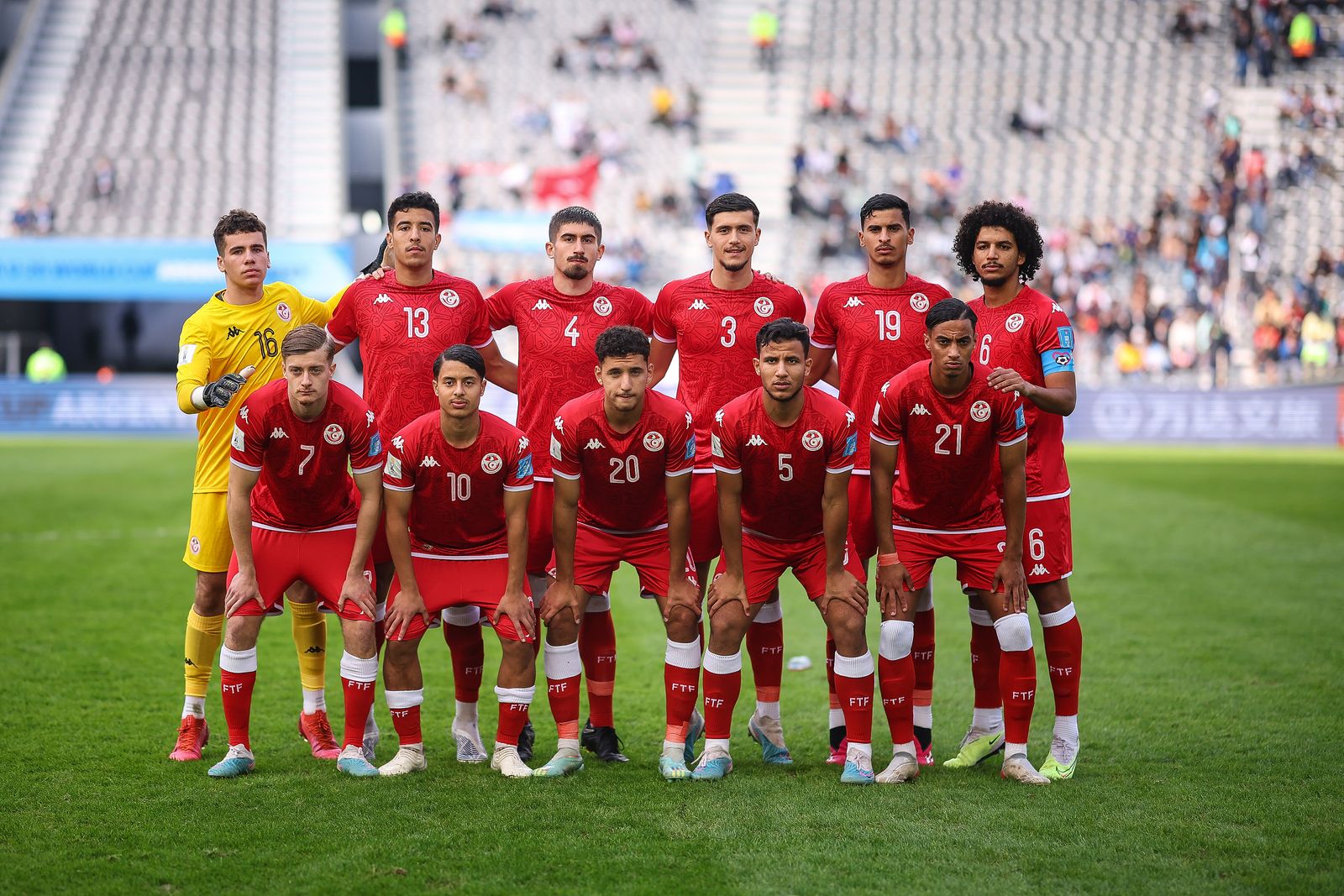
The impact of visa bonds on African fans attending World Cup matches is particularly pronounced. Five countries that have qualified for the 2026 tournament—Algeria ??, Cape Verde ??, Ivory Coast ??, Senegal ??, and Tunisia ??—are among the nations subject to the expanded visa bond requirements as of April 2, 2026.
When determining countries required to pay visa bonds for World Cup travel, the adjudication process focuses on:
- Financial Ties: Proof of steady income, bank statements, and assets.
- Social Ties: Family obligations and community standing in the home country.
- Previous Travel History: A record of timely departures from the U.S. or other host nations.
3. The Financial Barrier: US World Cup Visa Bond Cost and Payment
The cost of US visitor visa bonds for football fans is not a flat fee but a tiered system. The U.S. Visa Bond Pilot Program requires applicants from designated countries to post a bond of $5,000, $10,000, or $15,000 before a visa can be officially issued.
| Bond Amount | Typical Applicant Profile |
|---|---|
| $5,000 | Applicants with moderate ties, first-time U.S. visitors, or younger fans. |
| $10,000 | Applicants from countries with high overstay statistics and limited asset proof. |
| $15,000 | Maximum bond for high-risk profiles or those with previous minor immigration issues. |
The US visa security deposit must be paid through official channels, specifically via Pay.gov using DHS Form I-352. It is critical to understand that this is a per-person requirement. A family of four could potentially be asked to secure $40,000 or more in liquidity before their visas are approved. What happens if I cannot pay the visa security bond? Unfortunately, if the bond is a condition of the visa issuance and you cannot post the funds, the visa will be denied under Section 221(g) of the Immigration and Nationality Act.
4. Operational Hurdles: Processing Delays and Entry Restrictions
One of the most significant challenges for the 2026 tournament is the visa processing delays for international sports fans. The bond process adds an administrative layer that can take several weeks to resolve even after a successful interview. The Department of State must record the payment, verify it with the Department of Homeland Security, and only then print the visa foil.
Furthermore, fans must be aware of World Cup travel restrictions regarding re-entry. Because the tournament is hosted across the US, Canada, and Mexico, many fans plan to cross borders multiple times to follow their teams. However, visas issued with a security bond are frequently single-entry visas. If a fan leaves the U.S. to watch a match in Mexico City or Vancouver, their bonded visa may be voided upon exit, requiring a new application and a potentially a new bond for re-entry.
5. How to Get a Refund for US Visa Security Bonds
The most common question regarding this program is how to get a refund for US visa security bonds. The bond is designed to be a "guarantee of departure." To reclaim your funds, you must provide proof that you exited the United States before your authorized stay (I-94 date) expired.
The process is not instantaneous. According to official data, nearly 1,000 travelers have been issued visas under the bond pilot program, with 97% of those individuals departing the United States on time. To ensure your refundable deposit is returned:
- Maintain Departure Records: Keep your boarding passes and ensure your exit is scanned by the airline, which communicates with U.S. Customs and Border Protection.
- Submit Form I-391: This is the Notice of Cancellation of a Bond. Once the government confirms your departure, this form is processed to release the funds.
- Wait for Processing: Refunds typically take 4 to 8 weeks to be credited back to the original payment method or a designated bank account.
The refund will be forfeited if you overstay by even a single day or if you attempt to change your visa status (e.g., from B-2 visa to a student visa) while inside the United States.
6. Exemptions: Who Doesn't Need a Bond?
Not every traveler to the 2026 World Cup will face these financial demands. It is essential to distinguish between general fans and those traveling under different categories.
- ESTA Users: Citizens of countries in the Visa Waiver Program (e.g., UK, Germany, Japan) do not require a visa and therefore are not subject to the bond.
- P-1 Visa Holders: Professional athletes and essential team personnel travel on P-1 visas, which generally do not require a security bond.
- Official Media: Journalists with 'I' visas are usually exempt from the bond pilot program.
The World Cup travel restrictions are specifically targeted at the visitor class (B-1/B-2) from high-risk jurisdictions. If you are a fan from a country like Senegal or Tunisia, the bond is a reality you must budget for alongside your tickets and accommodation.
FAQ
How to get a refund for US visa security bonds?
To receive a refund, you must exit the U.S. within the timeframe authorized by your visa. The Department of Homeland Security will verify your departure via flight manifests. You then submit a request for bond cancellation, and the funds are returned to your account within approximately two months.
What happens if I cannot pay the visa security bond?
If a consular officer determines a bond is necessary for your visa issuance and you are unable to provide the funds, your visa application will be refused. The bond is a mandatory condition of the visa in these specific cases; there are currently no waivers for financial hardship for World Cup fans.
Does the US visa security deposit cover my travel to Canada and Mexico?
No. The U.S. visa bond only applies to your entry into the United States. If your team is playing in Toronto or Mexico City, you must also satisfy the entry requirements for those nations. Be cautious, as many bonded U.S. visas are single-entry, meaning you may not be allowed back into the U.S. without a new visa if you leave for a match in a neighboring country.
Conclusion
The US World Cup visa bond is undoubtedly one of the most controversial elements of the 2026 tournament’s preparation. However, for fans from the 50 affected nations, it is an objective reality of the current U.S. border policy. By understanding the FIFA World Cup entry requirements early and preparing for the financial commitment of a refundable deposit, you can mitigate the risk of a last-minute travel disaster.
The Department of State continues to emphasize that the bond is a security measure, not an entry fee. As long as you respect the terms of your stay and depart on time, the capital remains yours. My recommendation to all international fans is to begin the application process at least 12 months in advance to account for administrative friction and ensuring your funds are properly positioned for the bond requirement.