Quick Facts
- Immersion is Key: The most authentic way to experience Ho Chi Minh City’s labyrinthine alleys is via an after-dark Vespa tour, sampling street-side staples like bánh xèo and lemongrass chicken.
- The Agricultural Heart: Known as the ‘Rice Basket of Vietnam,’ the Mekong Delta supplies over 50% of the nation’s total produce and rice from its fertile, sun-drenched riverlands.
- Depth Over Distance: Slow travel focuses on multi-day cycling through rural Khmer and Cham villages, moving away from transactional tourism toward genuine relational hospitality.
- Optimal Timing: Plan your journey between November and April to avoid the monsoon, and take advantage of the newly expanded 90-day e-visa for a truly unhurried itinerary.
Introduction: The Pulse of Saigon
As the sun dips below the horizon in Ho Chi Minh City, a singular, low-frequency hum begins to vibrate through the soles of your feet. It is the sound of 11 million souls finding their way home—or perhaps finding their way to dinner. In this sprawling metropolis, where over 9 million motorbikes weave a chaotic yet strangely fluid tapestry across the asphalt, the first-time visitor might feel a sense of vertigo. The air is thick with the scent of charcoal-grilled pork and the humidity of a tropical evening, a sensory overload that defines the "fast" side of Vietnamese life.
However, to truly understand the soul of Vietnam, one must learn to oscillate between these frenetic urban tempos and the languid, water-bound rhythms of the countryside. This is the essence of slow travel. It is not merely about moving at a lower speed; it is about intentionality. It is the choice to trade a cramped tour bus for the back of a vintage Vespa, and the highway for a dirt path through a durian grove. In the transition from the neon-lit skyscrapers of Saigon to the emerald expanse of the Mekong Delta, we find a country that reveals its secrets only to those patient enough to listen.

Navigating the Urban Energy: Ho Chi Minh City After Dark
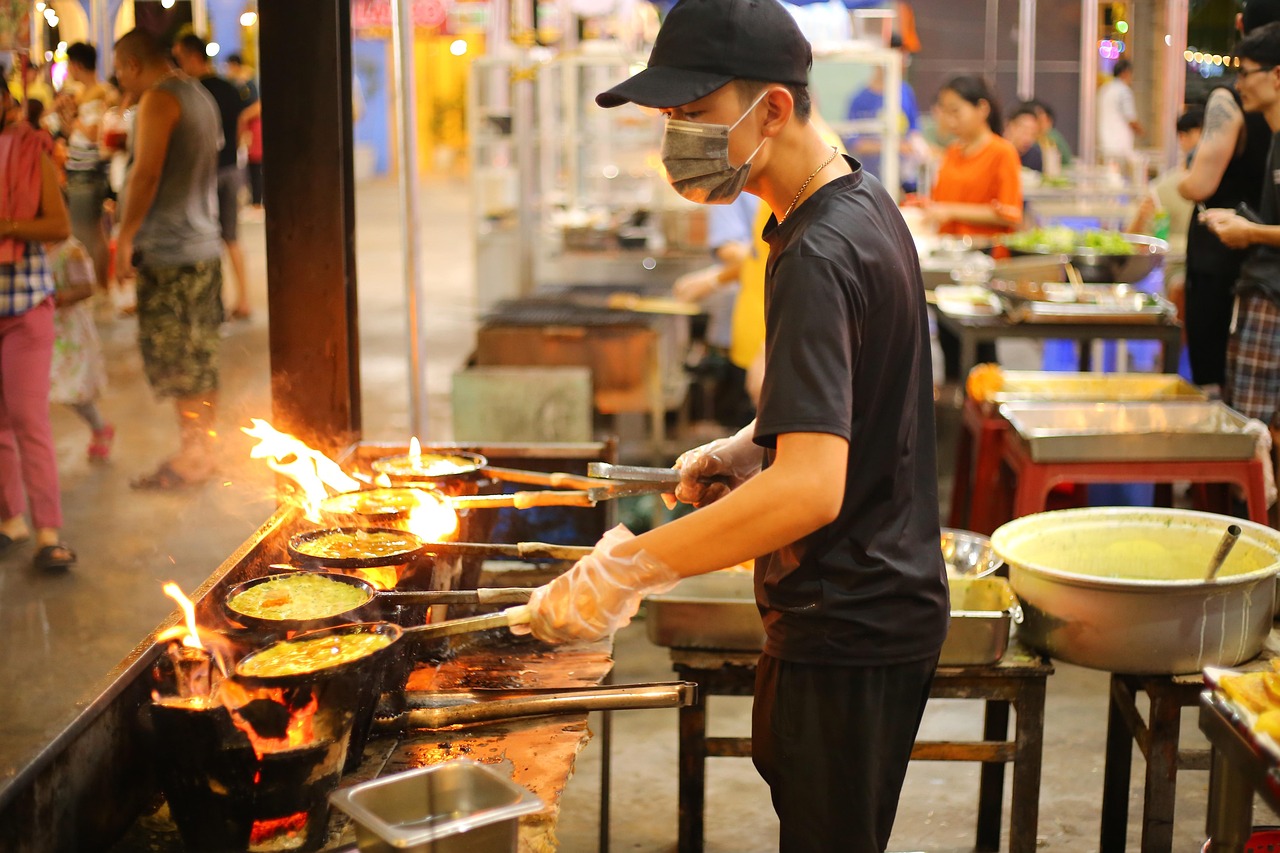
To witness Ho Chi Minh City (HCMC) from the window of a car is to see a movie with the sound turned off. To truly feel its pulse, you must mount a Vespa. As the evening cooling begins, an after-dark Vespa tour emerges as the most immersive way to navigate the city’s vibrant, narrow alleys. Away from the tourist traps of District 1, these vintage scooters zip through the "real" Saigon—places like the Binh Thanh district, where the architecture is a jumble of French colonial remnants and mushrooming modern lofts.
The culinary landscape here is a masterclass in balance. At a nondescript stall tucked behind the historic Mong Bridge, you might find the best bánh xèo of your life—a sizzling crepe colored with turmeric, stuffed with plump shrimp and bean sprouts, and wrapped in mustard leaves that bite back. This is where the slow travel philosophy applies to the palate: taking the time to learn the ritual of the wrap, the dip, and the crunch.
Pro Tip: The Modern Sip For a contemporary twist on local flavors, head to a rooftop in Thu Duc City. Look for bars serving "Pho-flavored G&Ts," where gin is infused with star anise, cinnamon, and cardamom, mimicking the aromatic profile of Vietnam’s national soup.
The night often ends not in a club, but on a plastic stool by the roadside, sharing a plate of lemongrass chicken and sea snails with locals. This is HCMC at its most authentic: loud, flavorful, and deeply communal.
The Shift to Stillness: Entering the Mekong Delta
Leaving HCMC for the Mekong Delta is like stepping out of a rock concert into a cathedral. As the suburban towers vanish into the rearview mirror, the landscape begins to soften. The concrete gives way to a shimmering mosaic of green and silver—the legendary "Rice Basket of Vietnam." This region is the agricultural heart of the nation, a feat of nature and engineering that produces more than half of Vietnam’s total rice and produce.
In the Delta, life is dictated by the rise and fall of the Mekong River’s nine "dragons" (the branches of the river). To travel here slowly is to respect this water-bound logic. The transition from engines to e-bikes marks the beginning of a different kind of journey. As you cross the narrow bridges spanning the maze of canals, the frantic honking of Saigon is replaced by the rhythmic "thwack" of a farmer’s machete clearing brush and the distant call of a fruit seller.

Cycling Through the 'Rice Basket'
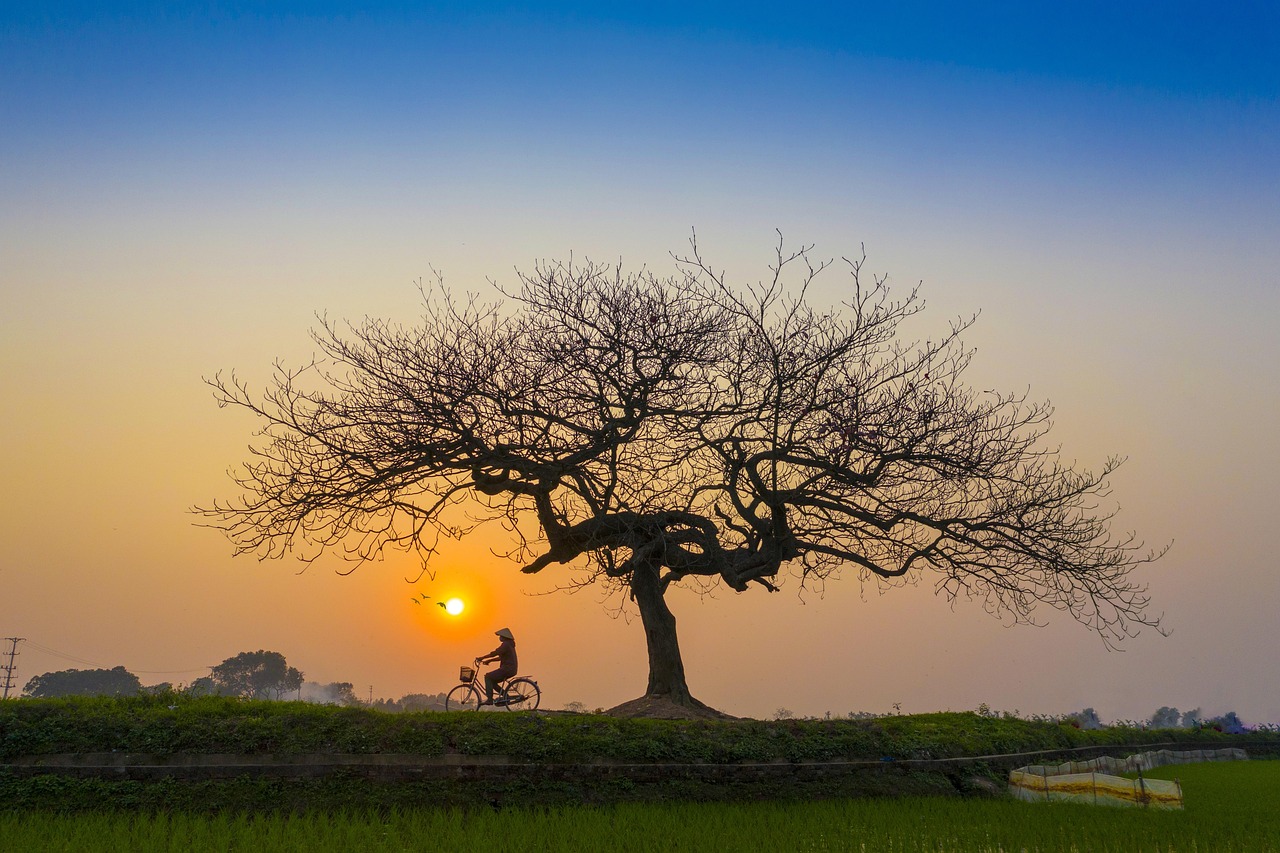
A multi-day cycling itinerary is the gold standard for slow travel in the Delta. On two wheels, the scale of the landscape becomes human. You aren't just passing through villages; you are part of them. You pedal through durian groves where the heavy, spiked fruit hangs like prehistoric lanterns, and through citrus orchards where the air is sweet with the scent of pomelo blossoms.
One afternoon, you might find yourself invited under the shade of a thatched porch to escape a sudden sun-shower. This is where "relational hospitality" happens. A local farmer might offer you a shot of rượu đế (banana moonshine), a potent liquid that tastes of earth and fire. These encounters aren't on any brochure, but they are the bedrock of authentic Vietnam travel experiences.
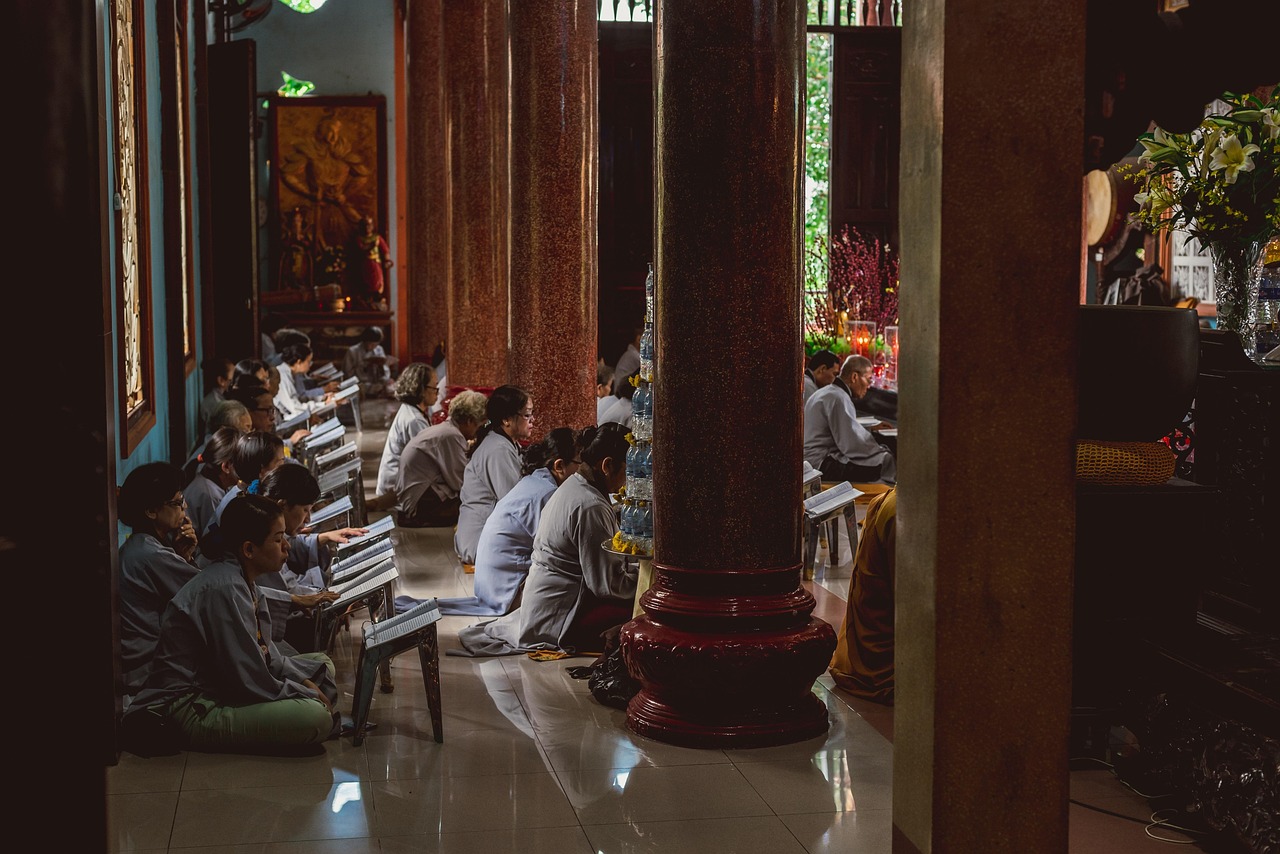
Slow travel here is about deep immersion—engaging with the diverse cultures that call this fertile land home. As you move deeper into the provinces of Tra Vinh or Soc Trang, the landscape changes. The Vietnamese đình (communal houses) give way to the soaring, gilded roofs of Khmer pagodas, reflecting the region's complex ethnic tapestry.
Water Rhythms: Floating Markets and Diverse Cultures
The Delta's rhythms are best observed at dawn. In Can Tho, the morning air is cool and misty as you board a long-tail boat for the Cai Rang Floating Market. Unlike the curated markets of Thailand, Cai Rang is a working commercial hub. Large barges laden with sweet potatoes, pineapples, and watermelons anchor in the current, their "calling cards"—the produce they sell—tied to long bamboo poles (the cây bẹo) for all to see.
Breakfast here is a floating affair. You pull alongside "Auntie Bai’s" noodle boat for a bowl of hủ tiếu. Watching her balance a pot of simmering broth on a rocking boat while assembling delicate bowls of pork and translucent noodles is a lesson in grace.
Beyond the markets, the Delta reveals a cultural mosaic. In the outskirts of Châu Đốc, you can visit the floating villages of the Cham people, a Muslim minority whose stilt houses and weaving traditions offer a window into a different era. There is a local proverb often quoted in these parts: "Bán anh em xa, mua láng giềng gần"—A nearby stranger is better than a relative far away. This philosophy of collaboration is evident in how the river communities support one another, sharing the bounty of the water and the land.
Why Slow Travel Beats Fast Itineraries
The most common mistake travelers make in Vietnam is underestimating the geography. On a map, the distance between HCMC and the coastal towns of the Delta looks short, but the winding river roads and ferry crossings mean that travel times are often double what you expect. "Fast travel" leads to what I call the "checklist fatigue"—seeing five pagodas in one day but remembering the name of none.
A 14-day slow travel itinerary allows for the "empty spaces" where the best memories are made. It turns a transaction into a relationship. Staying longer in one village reduces your carbon footprint, supports the local economy more directly, and, surprisingly, often costs less.
| Feature | Fast Itinerary (The "Sprint") | Slow Travel (The "Stroll") |
|---|---|---|
| Transportation | Domestic flights & private AC vans | Vespas, e-bikes, and local ferries |
| Accommodation | International hotel chains | Boutique homestays and heritage lodges |
| Dining | Buffet lunches in tourist rest-stops | Market-side stalls and "farm-to-table" |
| Primary Focus | Sightseeing landmarks (Hanoi-Hue-HCMC) | Cultural immersion and local interaction |
| Pace | 1-2 nights per location | 3-5 nights per location |
Practicalities for the Conscious Traveler
Planning a slow journey requires a bit more logistical foresight than a standard tour. Fortunately, Vietnam has made this easier with recent policy shifts.
- Visas: The new 90-day e-visa is a game-changer for slow travelers. It allows you to wander without the pressure of a looming expiration date. Apply online at least two weeks before your arrival.
- Connectivity: Purchase a local SIM card (Viettel or Vinaphone) at the airport. Data is incredibly cheap and essential for using navigation apps in the Delta’s maze of backroads.
- Urban Transport: While the Vespa is the romantic choice, the "MVP" of daily travel in Saigon is GrabBike. It’s the local version of Uber for motorbikes—safe, affordable, and the fastest way to hop between hidden cafes.
- Currency: While cards are accepted in HCMC hotels, the Delta is a cash economy. Carry small denominations of Vietnamese Dong (VND) for market purchases.
FAQ
Q: Is it safe to ride on a Vespa or motorbike in Saigon? A: Yes, provided you are a passenger with a professional driver. Local drivers have an innate "flow" that looks like chaos to Westerners but is actually highly coordinated. Always wear the provided helmet and keep your knees tucked in.
Q: I’m not an avid cyclist. Can I still do the Mekong Delta tours? A: Absolutely. Most slow travel operators now use e-bikes, which take the strain out of the humidity. The terrain in the Delta is remarkably flat, making it accessible for almost any fitness level.
Q: When is the "Green Season" in the Delta? A: The rainy season (May to October) turns the Delta into a lush, vibrant green paradise. While it rains daily, it’s usually in short, dramatic bursts. If you don't mind a little mud, this is the best time for photography and seeing the "Rice Basket" at its most fertile.
Plan Your Slow Journey
The rhythms of Vietnam are not found in its museums or its monuments, but in the space between the motorbikes and the mangroves. By choosing to slow down, you aren't just visiting a destination; you are participating in a way of life that has endured for centuries. Whether it’s the adrenaline of a Saigon night or the meditative silence of a Mekong sunrise, your most profound discoveries will happen when you stop rushing.