Quick Facts
- Total Distance: The Michinoku Coastal Trail spans over 1,000 kilometers (600 miles), making it one of Japan's premier long-distance trekking routes.
- The Best Time to Visit: Mid-to-late October through November is prime time. You'll catch the iconic red maples and golden ginkgo leaves in a climate that is crisp and perfectly suited for heavy exertion.
- Difficulty Level: Varies by section. The Tanesashi Coast is a breezy stroll, while the Kitayamazaki Cliffs offer a vertical workout that will test your knees.
- Essential Gear: High-traction hiking boots, rain gear (the "misty forests" are misty for a reason), and a bear bell—Tohoku is home to a significant Asiatic black bear population.
- Cultural Significance: The trail is a living monument to recovery, connecting 61 tsunami memorial sites along the 3.11 Densho Road.
The mist in the Oirase Gorge doesn't just hang in the air; it clings to you like a second skin. It’s thick, cool, and smells of ancient moss and wet stone. I remember standing there last October, the roar of the stream drowning out everything else, surrounded by a canopy of beech leaves turning a defiant shade of gold. This is Tohoku—Japan’s "Deep North"—a region that feels worlds away from the neon-soaked chaos of Tokyo.
If you’re looking for a landscape that challenges your legs while quieting your mind, you’ve found it. The Michinoku Coastal Trail is a 1,000-plus kilometer hiking route stretching along the Pacific coast from Hachinohe, Aomori, to Soma, Fukushima. It was created to support the region’s recovery after the 2011 earthquake and tsunami, transforming a coastline of tragedy into a path of resilience. Whether you’re trekking the rugged Sanriku cliffs or practicing shinrin-yoku (forest bathing) in the inland woods, Tohoku offers a visceral connection to nature that few other places on earth can match.
The Michinoku Coastal Trail: Japan’s Newest Long-Distance Legend
Stretching over 1,000 kilometers, this trail isn't just a hike; it’s a pilgrimage through history and hope. It stitches together old fishing paths, forest trails, and coastal roads into a unified route. One of the most moving aspects of the trek is the 3.11 Densho Road, which features 61 officially designated tsunami memorial sites and museums. You aren't just walking for the views; you're walking through the story of a region that refused to break.
Key Section 1: The Tanesashi Coast (Aomori)
For those just getting their trail legs, the Tanesashi Coast is the perfect entry point. Unlike the jagged cliffs further south, this area is famous for its "natural lawns"—resilient green grass that grows right up to the edge of the Pacific.
- The Vibe: Energetic, salty, and surprisingly pastoral. You’ll walk past wildflowers and curious rock formations sculpted by centuries of Pacific swells.
- Marcus’s Tip: Don't rush this part. It’s one of the few places in Japan where the forest, the meadow, and the ocean meet in such a seamless transition.
| Distance | Time Required | Difficulty |
|---|---|---|
| 12 km | 4 - 5 hours | Easy / Beginner |
Key Section 2: The Kitayamazaki Cliffs (Iwate)
This is where the trail gets serious. Known as the "Alps of the Sea," the Kitayamazaki Cliffs are a 200-meter-high fortress of volcanic rock. The path here is a relentless series of ups and downs—mostly involving steep wooden stairs that will make your quads scream.
- The Highlight: The view from the Uniosaki Observatory. You’ll see sea stacks topped with hardy pine trees, looking exactly like a traditional sumi-e ink painting come to life.
- The Experience: You’ll navigate narrow tunnels carved into the rock and descend into hidden sea caves where the tide thunders against the walls. It’s raw, it’s rugged, and it’s arguably the most beautiful coastline in the country.
| Distance | Time Required | Difficulty |
|---|---|---|
| 8 km | 5 - 6 hours | Strenuous |
Key Section 3: Jodogahama (Miyako)
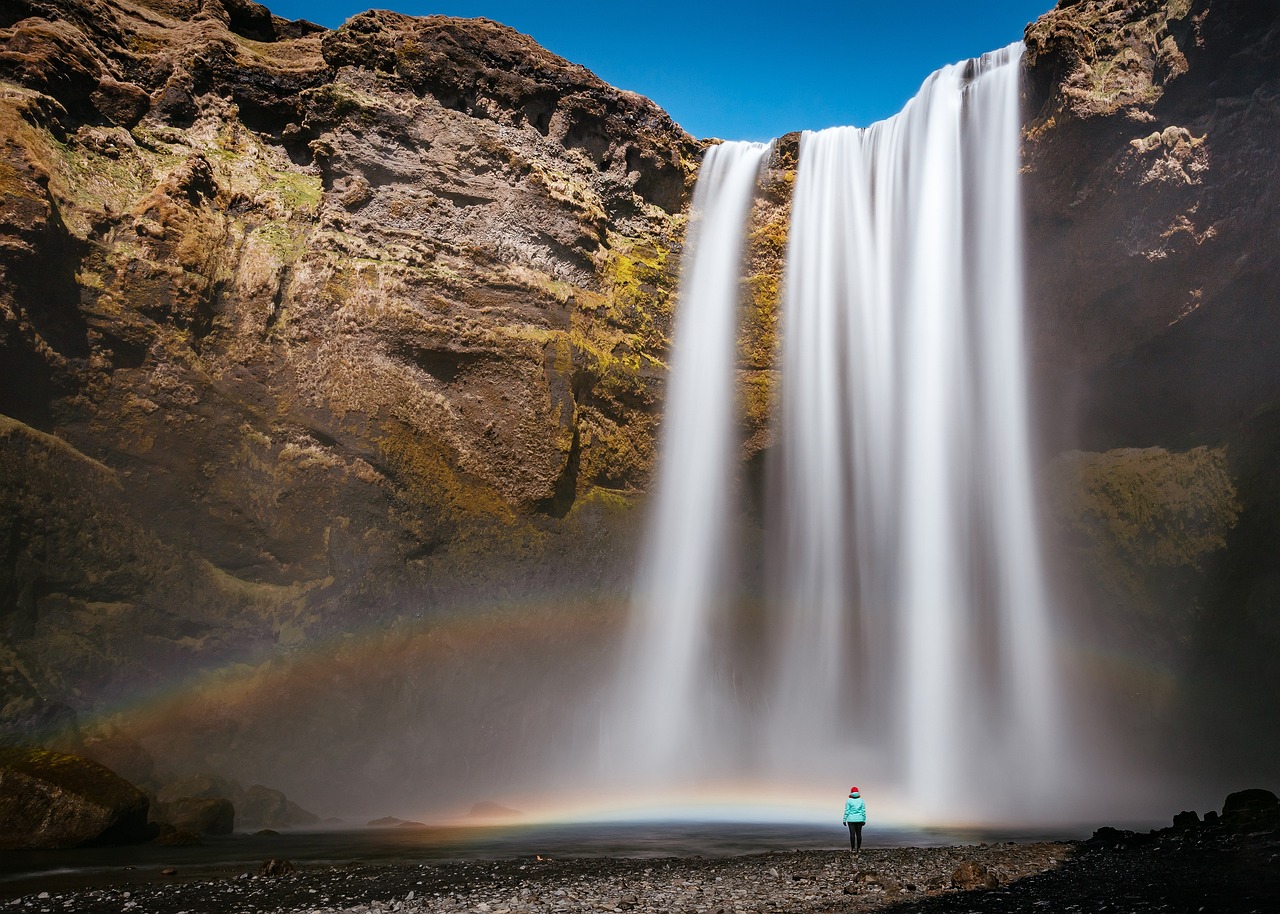
After the intensity of Kitayamazaki, Jodogahama (meaning "Pure Land Beach") feels like a sanctuary. The water here is a calm, translucent turquoise, protected by a phalanx of jagged white rhyolite rocks. It’s the kind of place that demands you stop, take off your boots, and just breathe.
Into the Mist: Oirase Gorge & Forest Bathing
If the coastal trail is about the power of the ocean, the Oirase Stream in Towada-Hachimantai National Park is about the power of the earth.
Expert Insight: The Oirase Stream is famous for its ancient beech forests, hundreds of moss species, and numerous waterfalls, making it a premier destination for traditional Japanese forest bathing (shinrin-yoku). The best time to hike here is during the autumn months from late September to November, when the canopy explodes into shades of fire.
The trail runs for 14 kilometers alongside the crystal-clear Oirase River. It’s a flat, well-maintained path, but you’ll find yourself moving slowly because there is simply too much to see. Every rock is a miniature world of moss and ferns. Every turn reveals a new waterfall—like the towering Kumoi Falls or the wide, curtain-like Choshi Otagi Falls.
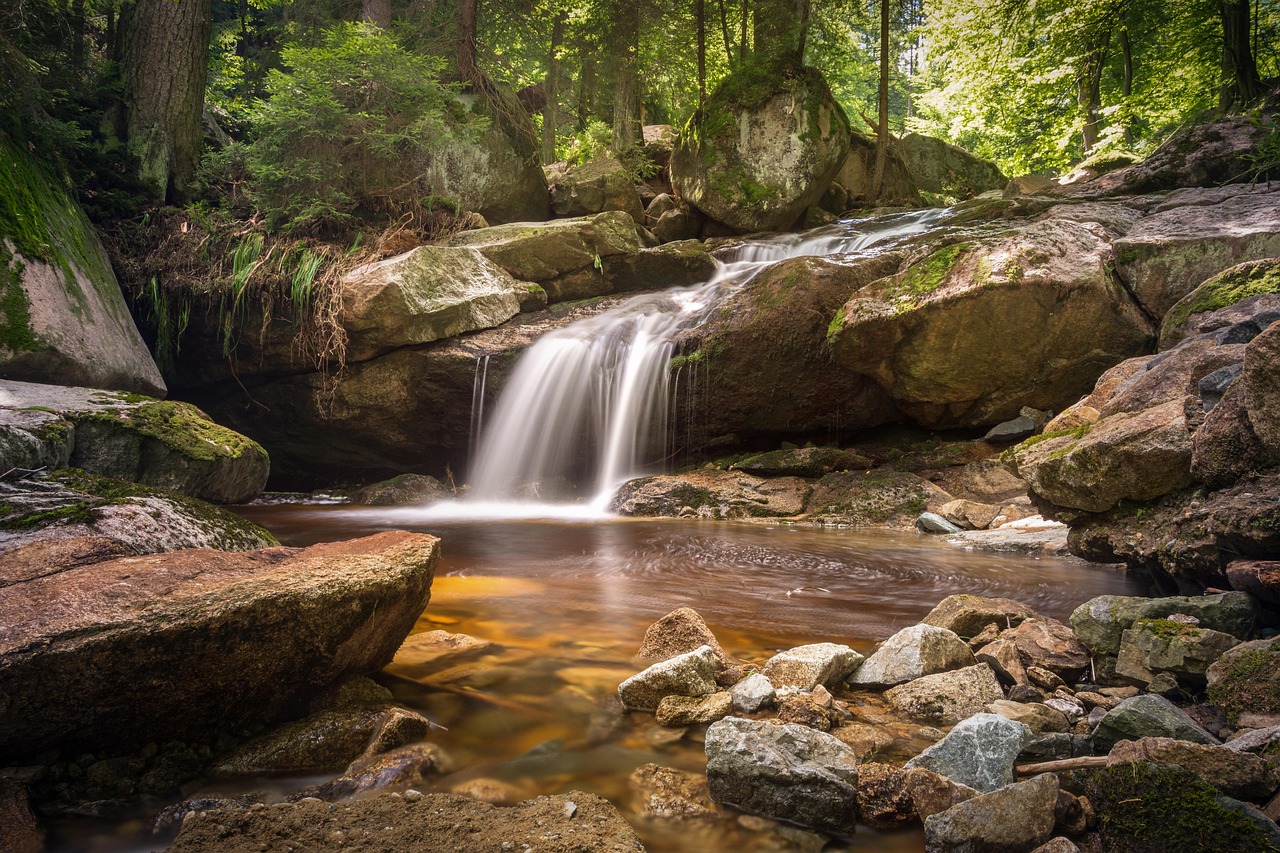
I recommend starting early in the morning when the mist is heaviest. There’s a spiritual quality to the silence here, interrupted only by the rhythmic "shush" of the water. This isn't a hike you do for the "summit"—it’s a hike you do to disappear into the green.
The Sacred Climb: Yamadera Mountain Temple
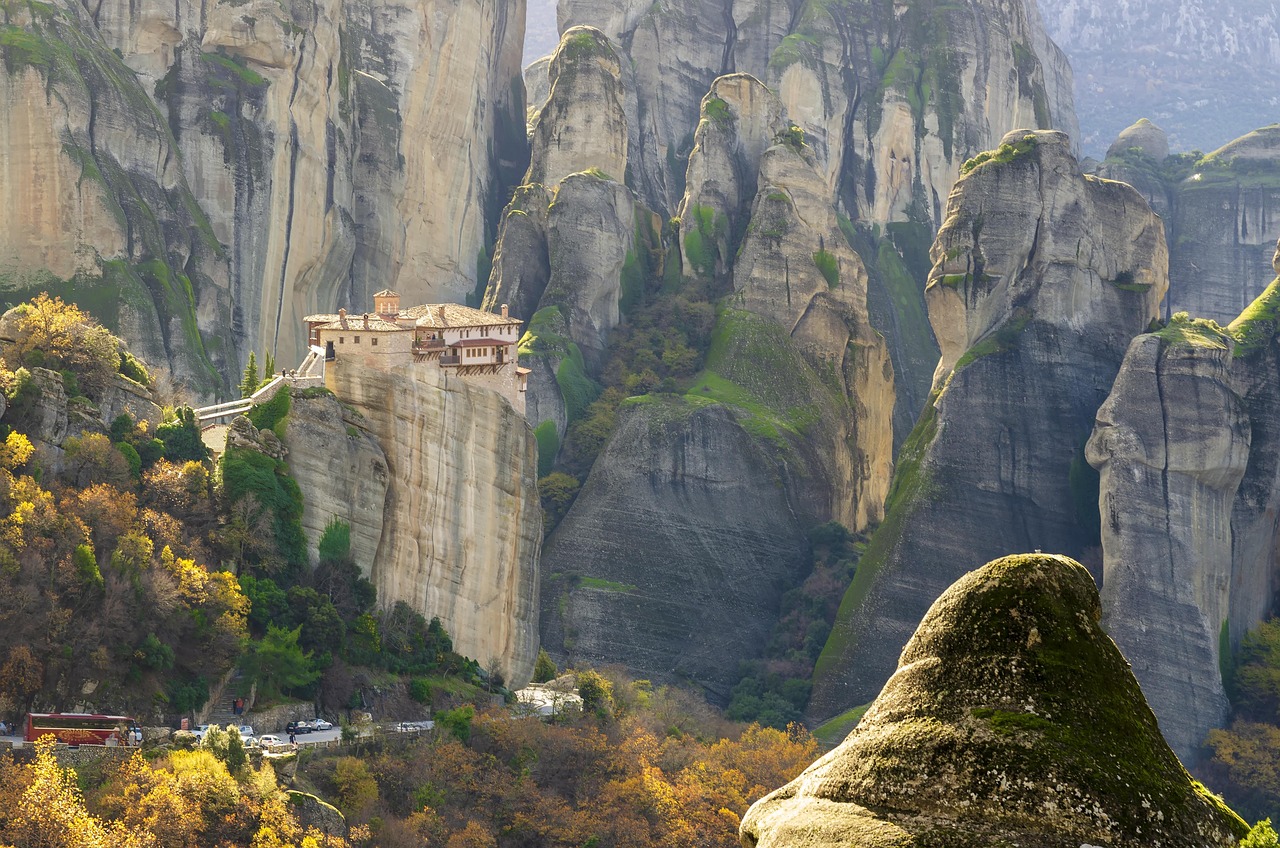
You can’t visit Tohoku without testing your spirit at Yamadera (Risshaku-ji). Perched precariously on the side of a mountain in Yamagata Prefecture, this temple complex requires a climb of 1,015 stone steps through a cedar forest.
The poet Matsuo Basho famously wrote a haiku here about the silence soaking into the rocks. As you climb, the air cools, and the sound of the valley below fades away. When you finally reach the Godaido Hall—a wooden deck jutting out over the cliff—the reward is a panoramic view of the rural valley that looks exactly as it did centuries ago.
Practical Logistics for the Trekker
Planning a trip to Tohoku requires a bit more legwork than a trip to Kyoto, but that’s exactly why the crowds are non-existent.
When to Go
- Autumn (Late Sept – Nov): The gold standard. Low humidity and stunning foliage.
- Spring (May – June): Fresh greenery and "cherry blossom trekking" in higher elevations.
- Winter: Beautiful, but many trail sections are impassable without snowshoes and serious winter experience.
Getting There & Around
The JR East Shinkansen (Bullet Train) is your best friend. You can reach Hachinohe from Tokyo in about three hours. For the coastal trail, the local Sanriku Railway offers incredible views and serves as a great "shuttle" between hiking segments.
Where to Stay
- Minshuku: These family-run inns are the heart of the Michinoku experience. You’ll eat what the family catches that morning, sleep on tatami mats, and likely hear some incredible stories about the region's history.
- Onsen Resorts: For post-hike recovery, look for Ryokans in areas like Hanamaki or Sukayu. There is nothing—and I mean nothing—like soaking in a sulfurous hot spring after 20 kilometers on the trail.
Post-Hike Recovery: Food & Onsen
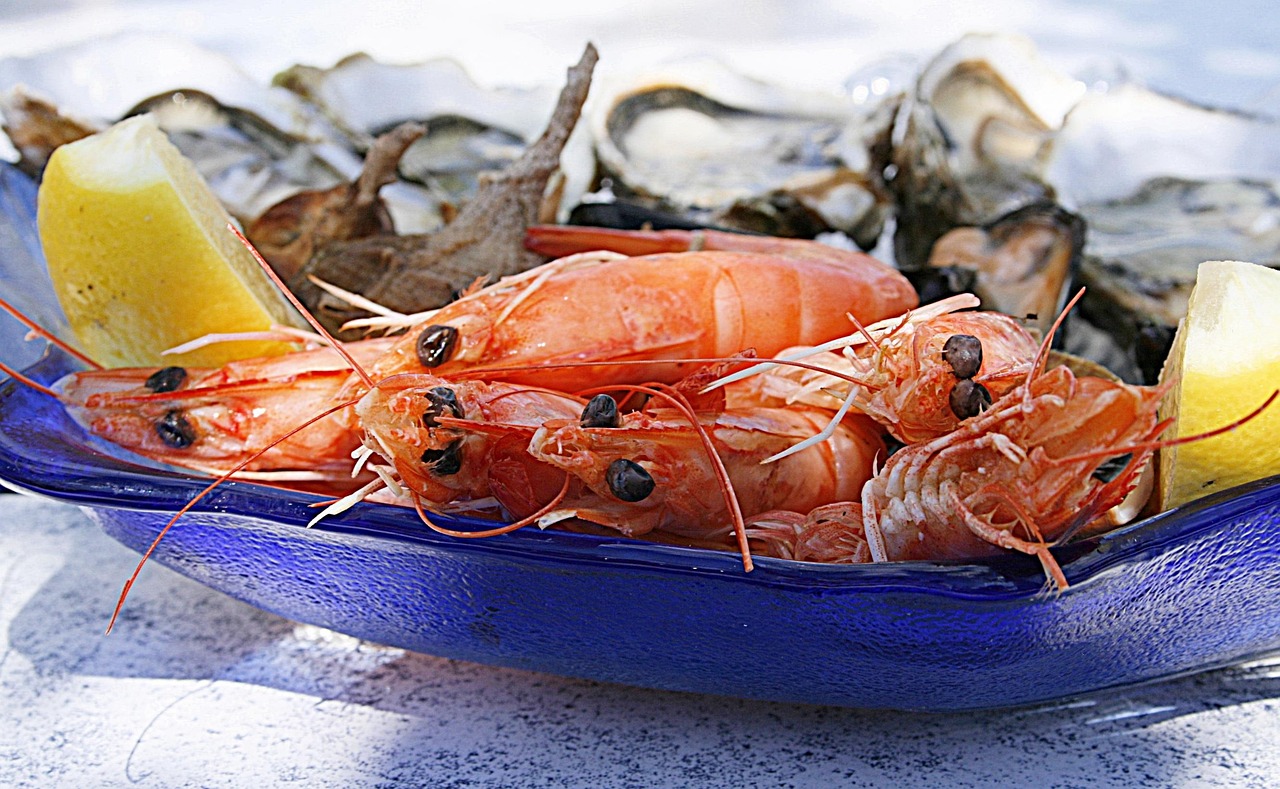
In Tohoku, the "reward" is just as important as the hike. Because you’re trekking along the Sanriku coast, the seafood is unparalleled. We’re talking about scallops the size of your fist and oysters so fresh they taste like the cold Pacific mist.
Try the hoya (sea squirt) if you’re feeling adventurous—it’s an acquired taste, metallic and sweet, but a true local delicacy. After dinner, head straight for the onsen. The region is geothermally hyperactive, meaning the water is rich in minerals that do wonders for sore muscles.
FAQ
Is the Michinoku Coastal Trail safe for solo hikers? Absolutely. Japan is one of the safest countries for solo travelers. However, because some sections of the trail are remote, always let your accommodation know your intended route for the day and carry a physical map alongside your GPS.
Do I need to speak Japanese to hike in Tohoku? While major hubs have English signage, the deep trail sections are less catered to Western tourists. Learning basic phrases and having a translation app (that works offline!) is highly recommended. The locals are incredibly helpful, even if there’s a language barrier.
Are there bears in Tohoku? Yes, Asiatic black bears. While they are generally shy, they can be dangerous if surprised. We recommend wearing a bear bell on your pack—the constant ringing alerts them to your presence so they can move away before you arrive.
Ready to Hit the Trail?
Tohoku isn't just a destination; it's a feeling of vastness and resilience. Whether you're standing on the 200-meter cliffs of Kitayamazaki or lost in the green silence of the Oirase Gorge, you’re experiencing a side of Japan that most travelers never see. It’s hard work, it’s muddy, and it’s occasionally exhausting—but that first soak in an onsen after a long day on the Michinoku Coastal Trail makes every single step worth it.