The air in Sapporo has a specific, crystalline quality. In the winter, it carries the sharp scent of sea salt and pine; in the summer, it softens into a lush, herbal breeze from the surrounding plains. But for the traveler who views a map through the lens of a menu, the true soul of this city is found in the steam. It rises from the vents of hidden basement ramen shops, from the sizzling cast-iron grills of jingisukan dens, and from the delicate teacups of quiet cafes. While Tokyo remains the world's Michelin-heavyweight champion and Kyoto the guardian of imperial tradition, Sapporo has quietly emerged as Japan’s most exciting culinary frontier.
This is a city defined by its "Frontier Spirit." Established only in the late 19th century, Sapporo was built with a grit and openness that traditional Japan sometimes lacks. Here, the rules are lighter, the portions are heartier, and the ingredients—plucked from the cold, nutrient-rich depths of the Pacific or the volcanic soil of the Ishikari Plain—are arguably the best in the world. It is no wonder that the air route between Tokyo’s Haneda Airport and Sapporo’s New Chitose is the second busiest flight path on the planet. Most of those passengers aren't just traveling for business; they are food pilgrims embarking on a northern crusade.
The Miso Ramen Origin Story
To understand Sapporo, you must start with its most famous export: Miso Ramen. While ramen exists across the archipelago, the addition of fermented soybean paste to the broth was a post-war innovation born right here in the Nijo Market area. It was designed to provide warmth and calories for the workers building this northern capital.
The classic Sapporo bowl is a marvel of engineering. It features a rich, lard-topped broth—meant to act as an insulating layer against the Hokkaido chill—and thick, wavy, yellow noodles that have enough "chew" to stand up to the robust soup.
Spotlight: Menya Saimi
Located about a 30-minute subway ride from the city center, Menya Saimi is often cited by locals as the pinnacle of the craft. The chefs begin prepping the broth at 5:00 AM, simmering pork bones and vegetables until they reach a velvety consistency. Their signature bowl is topped with a slice of buttery roasted pork shoulder and a dollop of fresh ginger that cuts through the richness like a flash of lightning.
Quick Info: Menya Saimi
- Address: 5-3-12 Misono 10-jo, Toyohira-ku, Sapporo
- Hours: 11:00 AM – 3:15 PM, 5:00 PM – 8:00 PM (Closed Mondays)
- Signature Dish: Miso Ramen with extra chashu
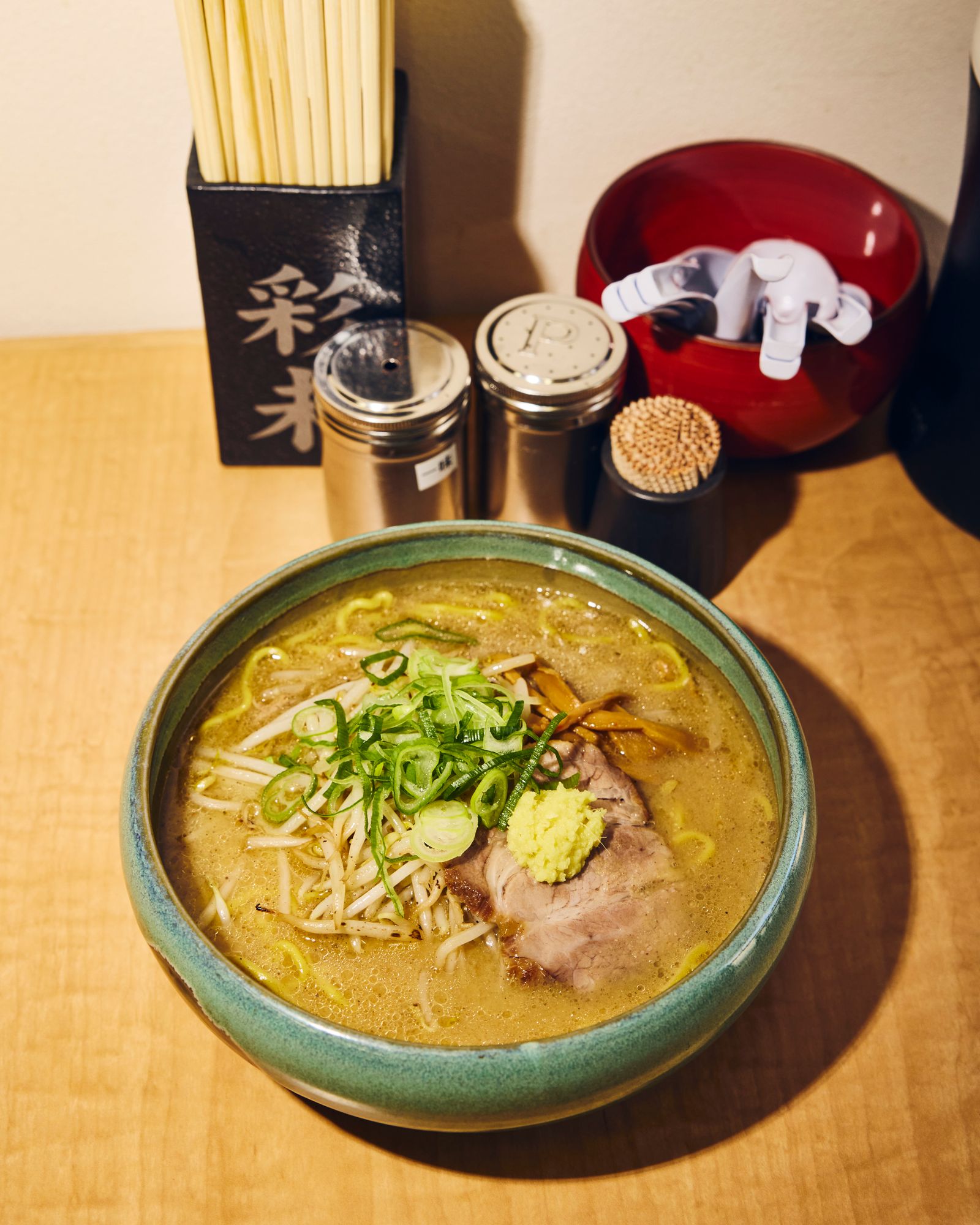
If you prefer a more central experience, head to Ganso Ramen Yokocho (Ramen Alley) in the neon-soaked district of Susukino. This narrow corridor houses 17 legendary shops, each with its own secret recipe. It is the spiritual home of the dish, where the clatter of chopsticks and the "slurp" of satisfied diners provide the evening's soundtrack.
Grilled Soul: Jingisukan and Soup Curry
Beyond the noodles, Sapporo’s food scene is anchored by two dishes that embody its unique history. The first is Jingisukan (Genghis Khan), a DIY barbecue named after the Mongol emperor. It features succulent slices of lamb or mutton grilled on a raised, helmet-shaped cast-iron skillet. As the meat sears at the peak, its juices run down the sides, seasoning a moat of onions, cabbage, and bean sprouts.
For an elevated experience, seek out Sumibiyaki Jingisukan Ishida. They serve rare Suffolk lamb, which lacks the gaminess of older sheep, offering instead a delicate, almost beef-like tenderness. For a more boisterous atmosphere, Jingisukan Daruma has been a Susukino staple since 1954, where the smoke-filled room and communal seating make every meal feel like a festival.
Then there is Soup Curry. Unlike the thick, gravy-like curry found elsewhere in Japan, Sapporo’s version is a thin, medicinal, and intensely fragrant broth. It is less a sauce and more a complex stew, filled with huge chunks of flash-fried local vegetables—lotus root, pumpkin, and peppers.
- SOUP CURRY GARAKU: Famous for its wood-heavy, "lodge" vibe and its rich, spice-forward broth.
- Suage+: Known for sautéing their onions for a full eight hours to create a natural sweetness that balances the heat.
Seafood from the Cold Depths
Hokkaido is the undisputed king of Japanese seafood. The meeting of cold and warm currents creates a "bounty of the depths" that is unparalleled. In Sapporo, the morning ritual begins at Nijo Market, a century-old complex where the air smells of brine and ice.
Here, you should prioritize the kaisendon (seafood bowls). Look for "Uni-Ikura-Don"—a bowl topped with creamy sea urchin and glistening salmon roe that pops in the mouth like salty jewels. The horsehair crab (Kegani) is another local obsession; its meat is sweeter and more delicate than its larger cousins, often served simply steamed to let the natural flavor shine.
Editor’s Tip: While Tokyo’s Tsukiji (now Toyosu) is about efficiency and volume, Nijo Market is about the relationship between the fishmonger and the guest. Don't be afraid to ask for a sample; the "Frontier Spirit" means locals are often eager to share their pride in the catch.
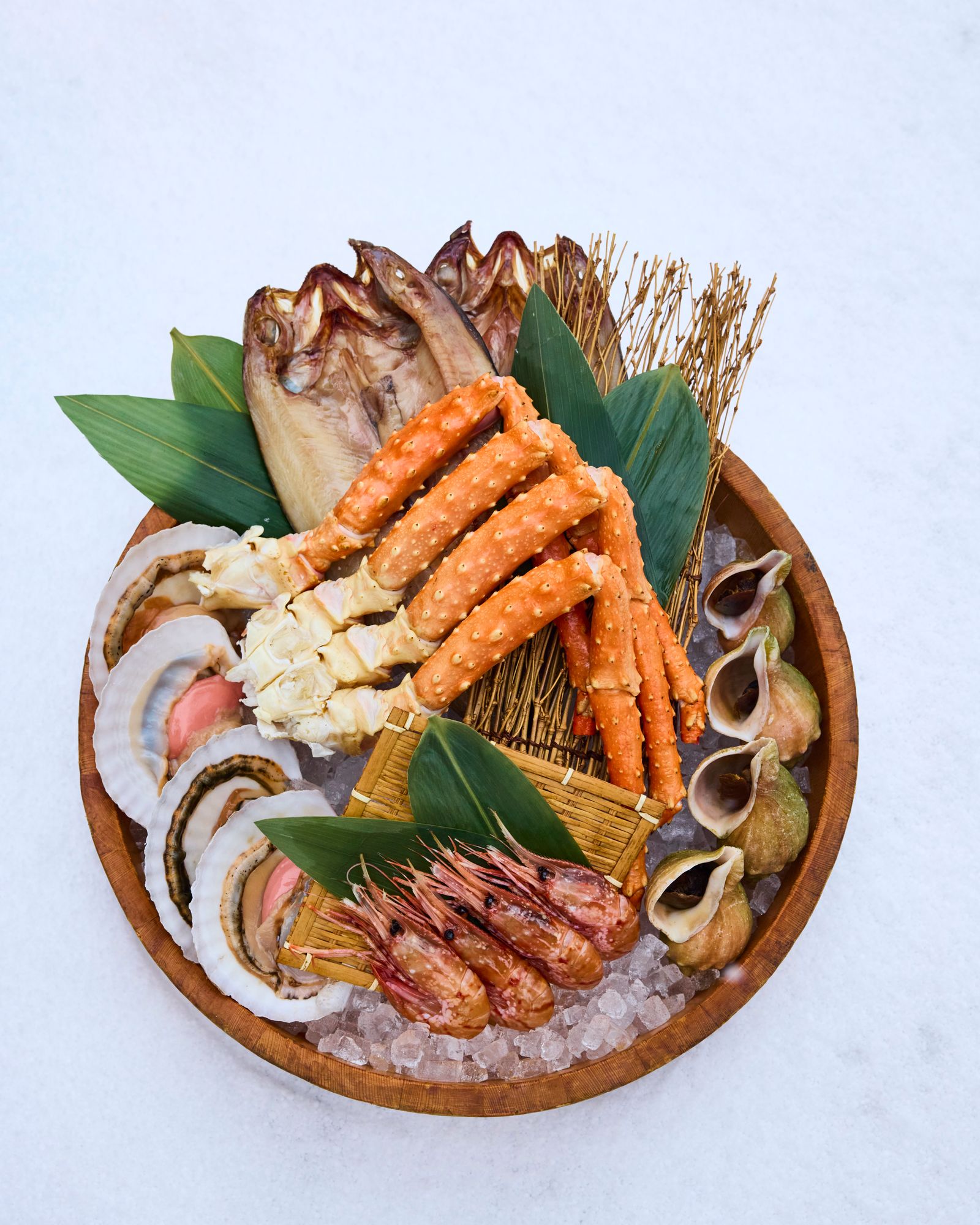
For those seeking the pinnacle of refinement, Sushi Miyakawa offers a three-Michelin-starred experience. Chef Miyakawa focuses on "lingering taste," using aging techniques to coax maximum umami from the fish. If you want a taste of history, Suginome is the city’s oldest ryotei (traditional high-end restaurant). Set in a stone warehouse built in 1915, they serve massive 2.5lb horsehair crabs in private tatami rooms, a true "bucket list" experience for any gourmand.
The Hokkaido Wine Revolution
Is Hokkaido wine worth your time? A decade ago, the answer might have been a polite "perhaps." In 2026, the answer is a resounding "yes."
The region of Yoichi, just a short train ride from Sapporo, has become the darling of international sommeliers. The cool climate and volcanic soil are remarkably similar to certain parts of Burgundy, but with a Japanese twist.
Takahiko Soga, the winemaker behind Domaine Takahiko, has achieved cult status. His Pinot Noir (specifically the Nana-Tsu-Mori) is not fruity in the traditional sense; it is "umami-rich," tasting of forest floor, dried shiitake, and the very earth of Hokkaido. Because the vines are buried under meters of snow in the winter, which acts as a natural insulator, the grapes develop a unique stress-induced complexity.
In central Sapporo, wine bars like Cave d'Eclat allow you to sample these rare bottles alongside "experimental" natural wines that are currently redefining the Japanese palate.
The 'Shime' Tradition: From Dairy to Parfaits
Perhaps the most charming aspect of Sapporo’s food culture is how it ends. In most Japanese cities, a night of drinking ends with "shime ramen" (finishing ramen). In Sapporo, they have perfected the Shime Parfait.
This tradition is fueled by Hokkaido’s superior dairy. The milk here is legendary—thick, high-fat, and naturally sweet. In fact, some of the city's premium artisanal ice cream shops require up to 14 hours of continuous simmering to concentrate the flavor of the cream before it is even churned.
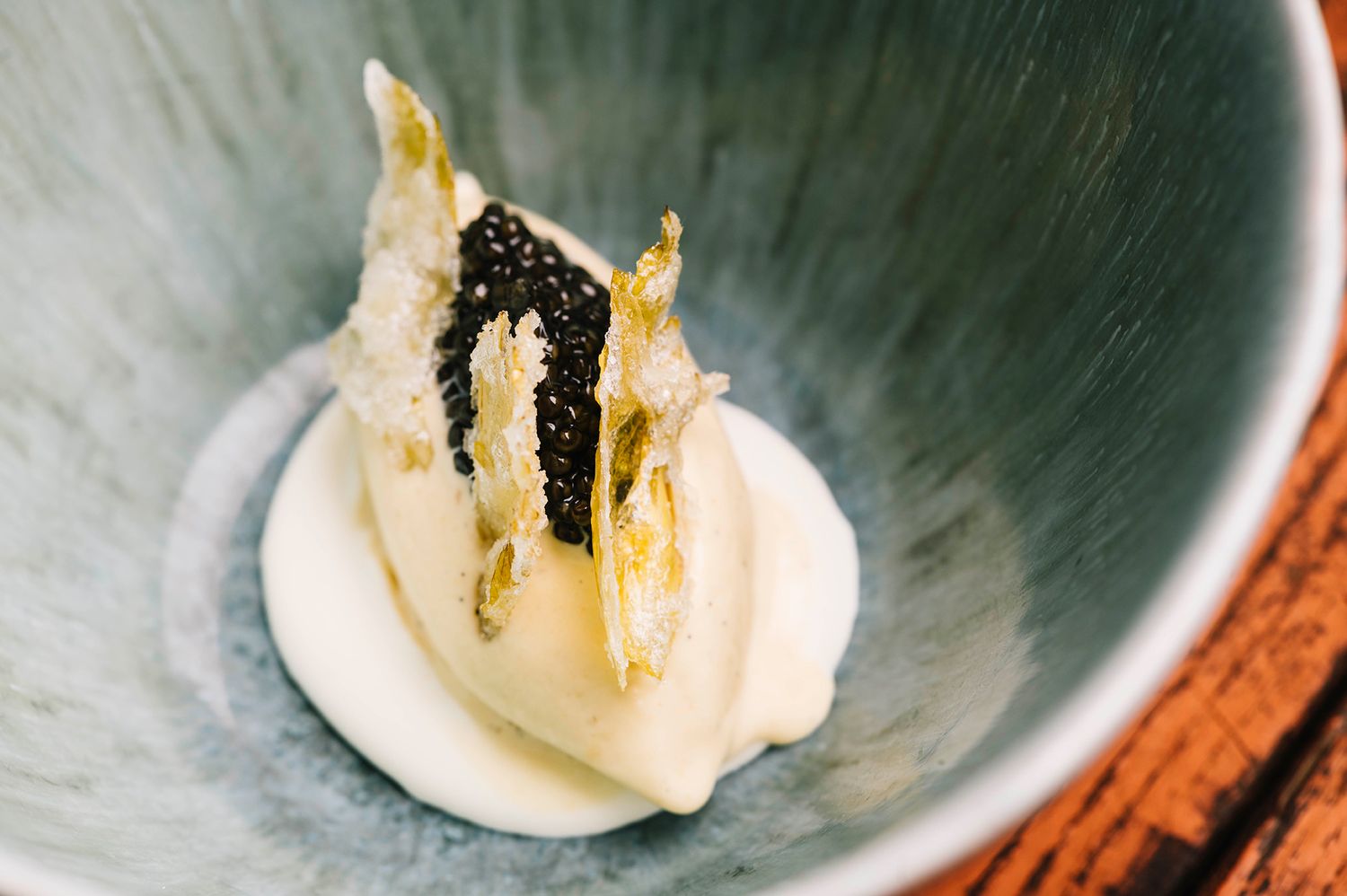
Nanakamadou in Susukino is the cathedral of this movement. Here, you can find parfaits standing 1.5 feet tall, constructed with up to 20 different components: yuzu sorbet, Hokkaido cream, chiffon cake, match gelee, and seasonal fruits. It is a whimsical, sophisticated way to end a night, turning the childhood joy of an ice cream sundae into an adult ritual.
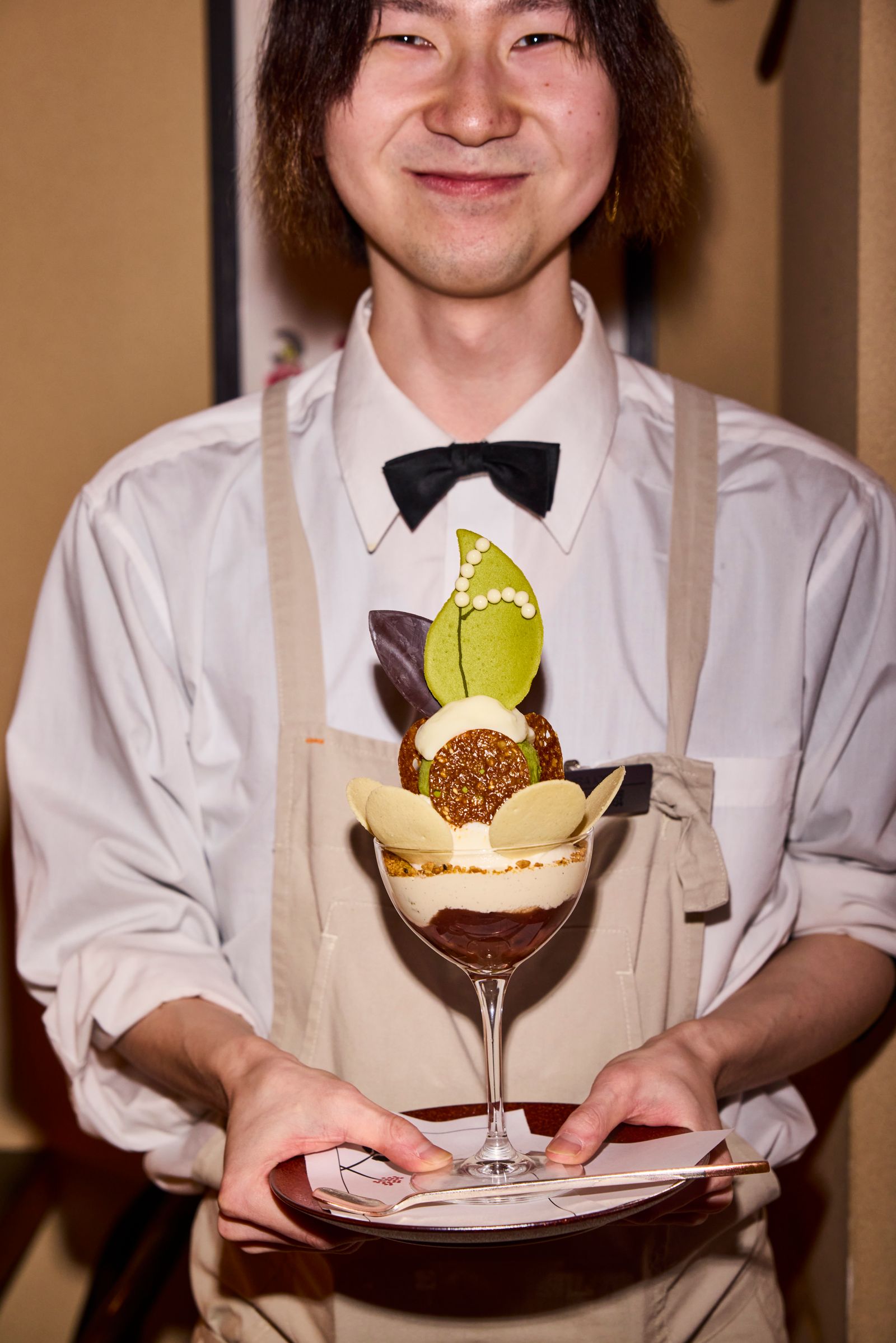
For a unique hybrid, visit Gyokusuien, a traditional tea shop that serves a "parfait" featuring high-grade matcha ice cream and, surprisingly, smoked venison jerky—a nod to the hunting heritage of the northern frontier.
High-End Craft: Tempura and Fine Dining
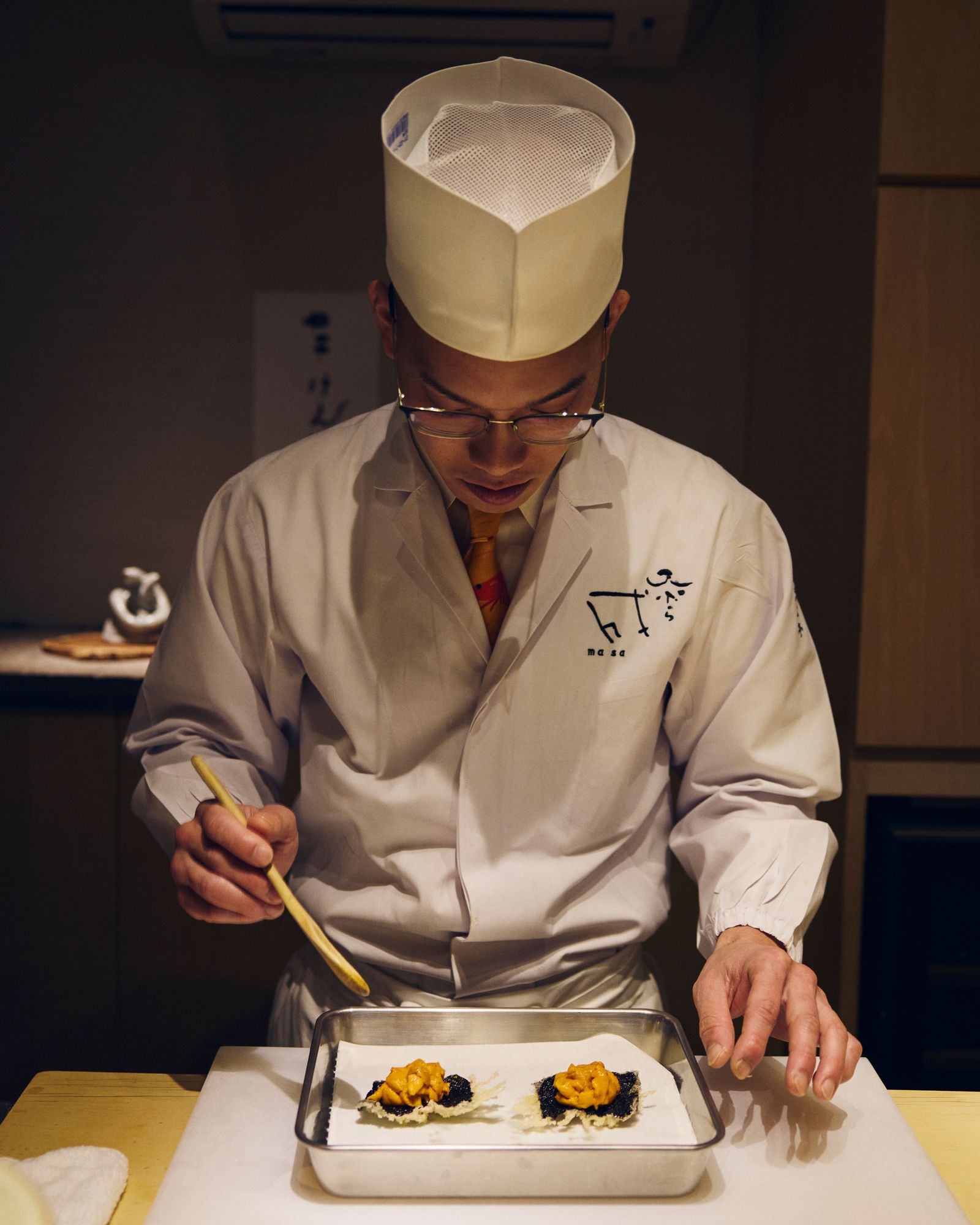
As we look toward 2026, Sapporo’s fine dining scene is becoming increasingly confident. Tempura Masa is a masterclass in precision. Here, the chef flash-fries delicate Hokkaido vegetables and scallops in a batter so light it feels like a crisp autumnal leaf, often paired with the very Domaine Takahiko wines mentioned earlier.
Then there is Moliere, a restaurant that represents the absolute pinnacle of "Hokkaido-style" French cuisine. Chef Hiroshi Nakamichi uses French techniques to celebrate local ingredients—think a simple "broccoli" dish that is so perfectly prepared it tastes more like broccoli than the vegetable itself. It is food that is cerebral yet deeply rooted in the land.
Logistics and Planning for 2026
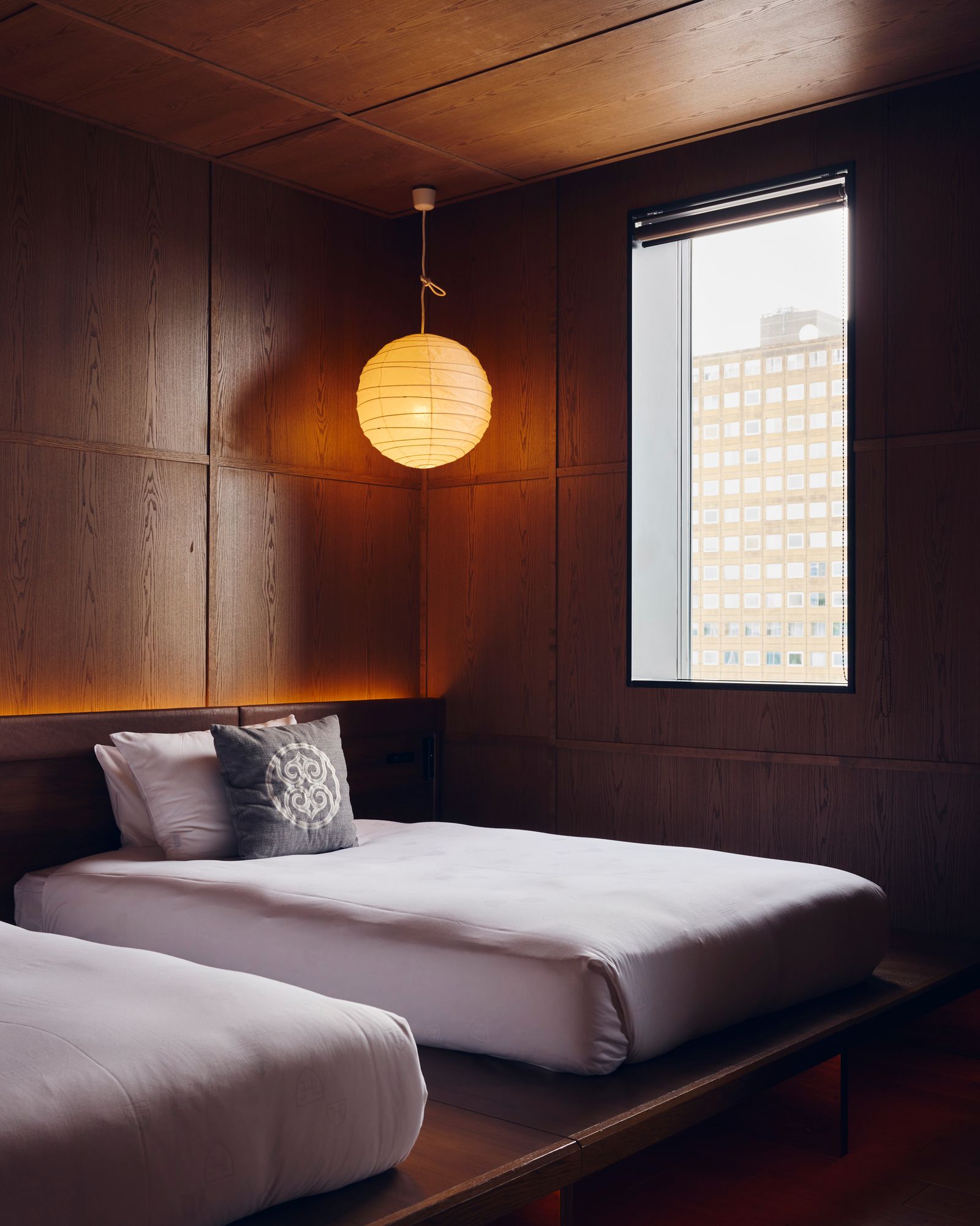
To truly experience Sapporo's culinary breadth, you need a home base that reflects the city's modern evolution.
- Where to stay: The JR Tower Hotel Nikko Sapporo offers unparalleled views and a 22nd-floor onsen that uses natural hot spring water. For something more contemporary, the Royal Park Canvas features rooftop firepits—perfect for sipping a local craft beer under the stars.
- Best Seasons:
- February: The Snow Festival. The air is freezing, but the street food (grilled scallops and hot corn soup) is at its peak.
- July-August: The Lavender season. The weather is perfect, and the summer produce is vibrant.
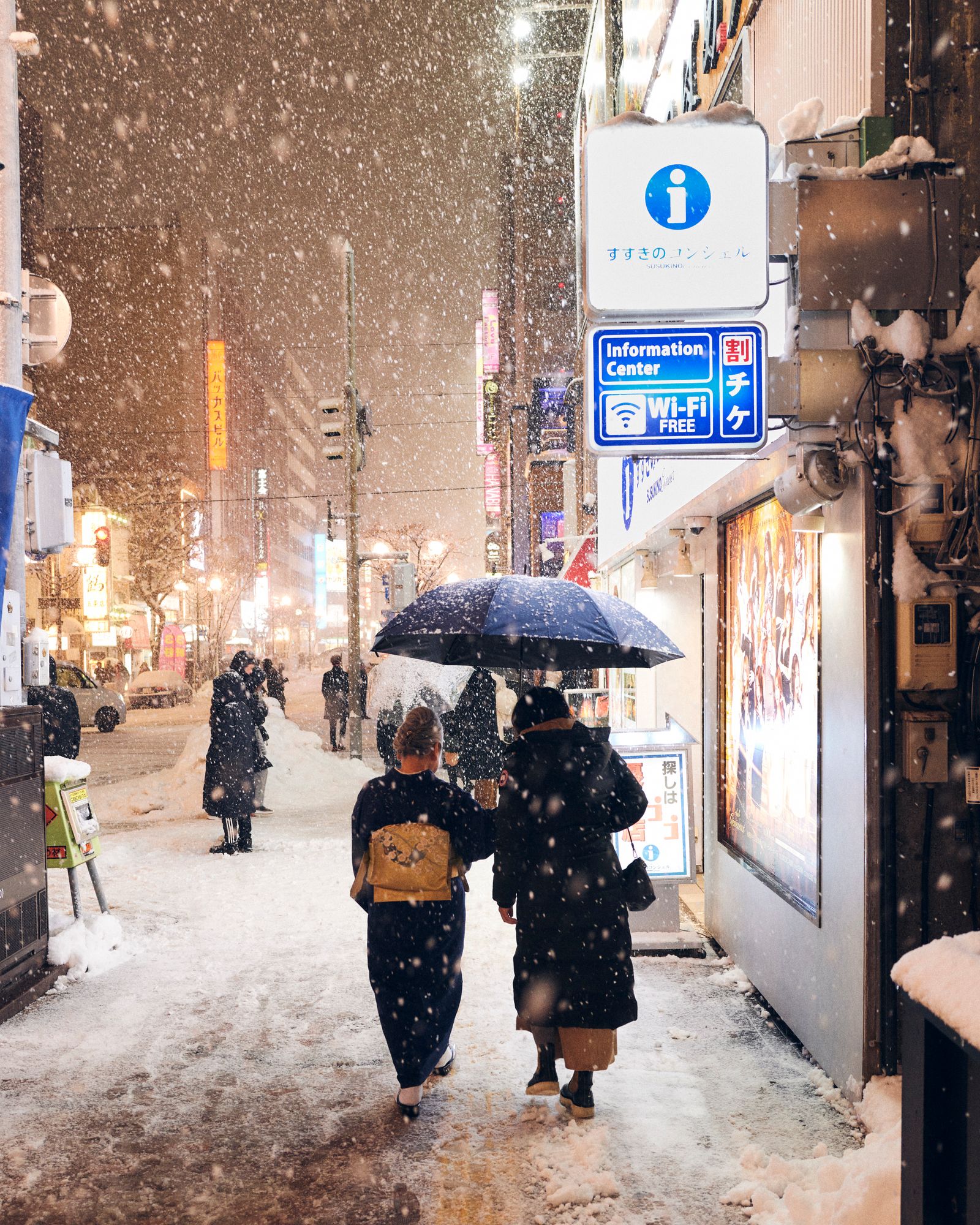
Getting around is simple. The city is laid out on a logical grid (a rarity in Japan), and the underground walkways mean you can traverse almost the entire downtown area without ever stepping into the snow.
FAQ
What are the must-try dishes in Sapporo? Visitors should prioritize miso ramen (which originated near Nijo Market), soup curry, jingisukan (grilled lamb), and fresh Hokkaido seafood like horsehair crab and sea urchin. Don't leave without trying a "shime parfait" in Susukino.
What makes Sapporo's food culture unique compared to Tokyo? Sapporo features a "frontier spirit" with fewer rigid traditions, allowing for eclectic fusion and creative freedom. It also has direct access to Hokkaido’s superior dairy and produce, which are often expensive imports in Tokyo.
Is it difficult to get reservations at top restaurants? For places like Sushi Miyakawa or Moliere, you should book at least 2–3 months in advance. However, for ramen and soup curry, you can usually just join the queue—though for popular spots, a 30-to-60-minute wait is standard.
Sapporo is no longer just a winter destination; it is a year-round sensory feast. Whether you are standing in a steam-filled ramen stall or sipping an "umami-rich" Pinot Noir in a sleek wine bar, the city offers a taste of Japan that is bold, fresh, and unapologetically itself. In 2026, make sure you bring an empty suitcase for souvenirs—and two stomachs for the journey.