Quick Facts
- The Melting Pot Metric: Houston is arguably the most diverse city in the United States, with a population of 2.3 million where 45% of residents identify as Hispanic or Latino and 25% identify as Black, creating a "fusion-first" cultural DNA.
- A Culinary Frontier: The city’s dining scene is defined by its refusal to stick to tradition, birthing unique genres like Viet-Texan BBQ and "Jollof Jambalaya" that reflect its history as a major international port.
- Art as Community: Beyond the white-cube galleries, Houston’s art scene is rooted in social practice, exemplified by Project Row Houses, which has grown by 100% since its inception to span five city blocks.
- When to Visit: Spring (March) is peak season for the legendary Houston Livestock Show and Rodeo, while the fall offers temperate weather for exploring the expansive Museum District.
The Big Heart of the Bayou City: A Renaissance in Real Time
To understand Houston in 2025 is to understand the rhythm of a city that never stops breathing. It is a sprawling, sweltering, and kaleidoscopic metropolis where the air is often thick with the scent of humidity and smoked brisket, and the soundscape is a rhythmic blend of Spanish, Vietnamese, and the slow drawl of the American South. For decades, Houston was perhaps unfairly characterized as a mere oil-and-gas hub—a concrete jungle of highway loops. But today, the "Bayou City" is experiencing a profound cultural renaissance, driven by a demographic engine that makes it a blueprint for the American future.
This isn't a renaissance of gentrification, but one of reclamation and synthesis. With over 2.3 million people, the city’s identity is anchored by its status as a premier port city, a gateway that has welcomed waves of migration from Central America, Southeast Asia, and West Africa. This "port-city mentality" has fostered a unique "fusion-first" identity. Here, culture isn't something preserved behind glass; it is something lived on the plate, painted on the walls of historic wards, and meditated upon in subterranean cisterns. For the traveler, Houston offers a journey into the soul of a city that is simultaneously international and unapologetically Texan.
The Plate as a Story: Houston’s Melting-Pot Food Scene
If you want to taste the history of Houston, you have to look at how its communities have bled into one another. The culinary scene here is no longer defined by the simple binary of Tex-Mex or Steakhouse. Instead, it is a laboratory of flavor.
Take, for instance, the recent buzz around Late August in the Ion District. The restaurant isn't just serving food; it’s honoring the legacy of Lucille B. Smith, a Black culinary pioneer. The menu weaves together African American soul food with the global influences of the modern city. In the same vein, the rise of West African flavors is no longer a niche occurrence. At ChòpnBlok in Montrose, the "Jollof Jambalaya" is a literal bridge between West African traditions and Creole history—a dish that feels like a homecoming for both cultures.
Then there is the sheer brilliance of the Viet-Texan movement. Decades of Vietnamese migration to the Gulf Coast have resulted in a culinary marriage that is perhaps Houston’s greatest gift to the world. At places like Blood Bros. BBQ or the newer Agnes and Sherman in Houston Heights, the low-and-slow smoke of Texas barbecue meets the bright, acidic, and herbaceous notes of Vietnamese aromatics. It is common to see smoked brisket served alongside pickled daikon or ribs glazed in gochujang and lemongrass.
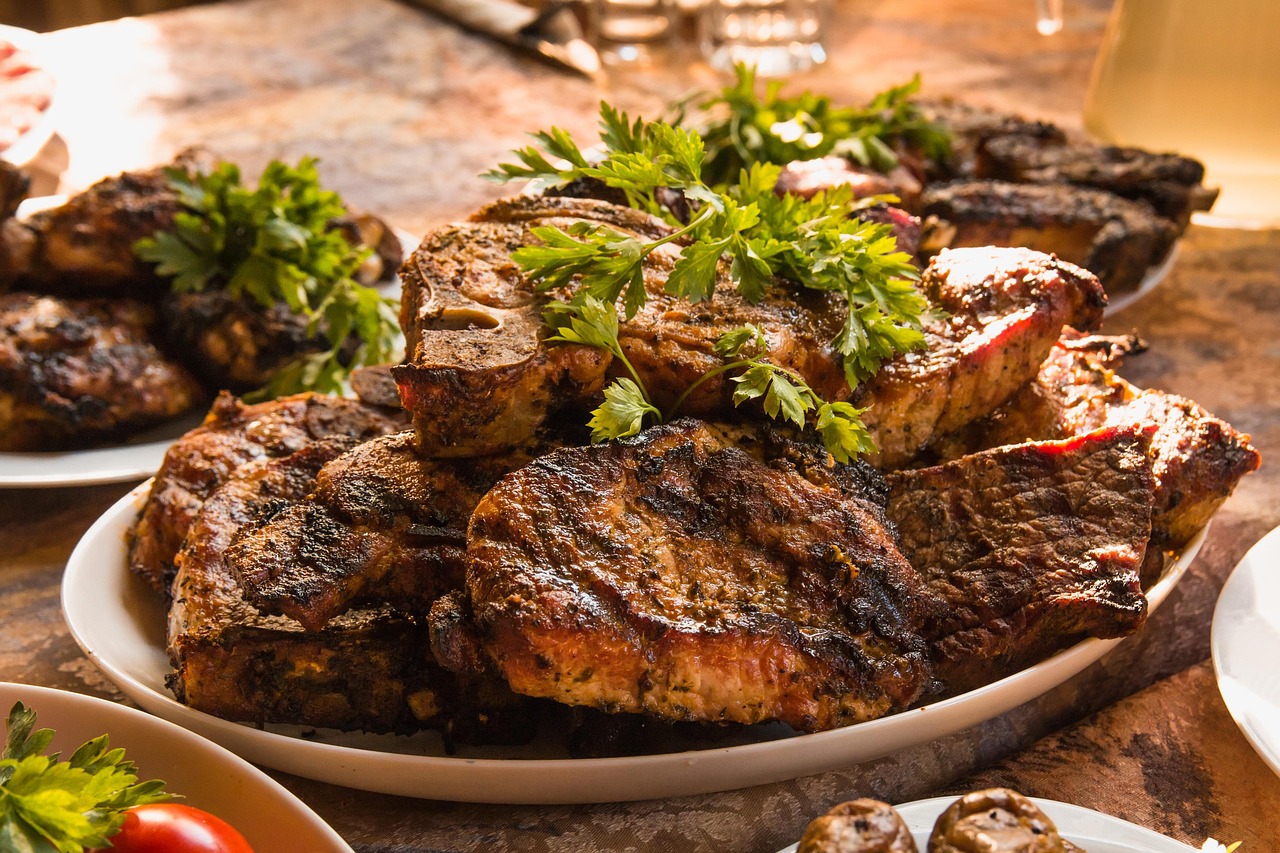
The world has finally taken notice. The arrival of the Michelin Guide in late 2024 served as a formal coronation for a scene that locals have championed for years. Establishments like Bludorn have elevated the dining experience to a global standard, while smaller, community-focused spots continue to push boundaries.
Editor’s Note: Do not leave the city without trying a banana-pudding-stuffed churro. It is the ultimate Houston dessert—a decadent marriage of a Southern Sunday staple and a classic Latin American street treat, perfectly encapsulating the city’s sweet, syncretic heart.
Best New Restaurants for Your 2025 Itinerary
- ChòpnBlok (Montrose): For an elevated take on West African fast-casual that feels like a cultural lesson in every bowl.
- Agnes and Sherman (Houston Heights): A masterclass in Asian-American innovation, where the flavors of the diaspora meet the grill.
- Tatemó (Spring Branch): A semi-finalist for James Beard awards, this spot focuses on the nixtamalization of heirloom corn, turning the humble tortilla into a work of high art.
- March (Montrose): An obsessive, research-heavy exploration of Mediterranean sub-regions that changes its entire menu and theme seasonally.
Art Beyond the Gallery: Community and Contemplation
In Houston, art is a "call-and-response" institution. It is deeply intellectual yet profoundly accessible. The spiritual heart of the city’s art scene remains The Menil Collection, a 30-acre neighborhood of art that feels more like a private sanctuary than a public institution. Within its bounds lies the Rothko Chapel, a non-denominational space containing 14 gargantuan, meditative canvases by Mark Rothko. To sit in the silence of the chapel is to feel the weight of Houston’s introspective side—a quiet contrast to the city's external hustle.
However, the renaissance is perhaps most visible in the Buffalo Bayou Park Cistern. Once a forgotten underground water reservoir, this 87,500-square-foot space has been transformed into a hauntingly beautiful subterranean canvas. The echoes last for 17 seconds, and the rotating art installations use the architecture of the 25-foot tall columns to create immersive light and sound experiences that feel otherworldly.
While the Museum District offers high-culture refinement, the Third Ward provides the city’s social conscience. Project Row Houses is a testament to the power of community-driven art. What began in 1993 as a group of 22 abandoned shotgun-style houses has grown into a campus of nearly 40 reclaimed buildings across five city blocks. This 100% growth in its footprint isn't just about real estate; it’s about providing a space for Black artists to engage with the neighborhood's history and future. It is a living, breathing monument to the idea that art belongs to the people.
Neighborhood Deep-Dive: Where Culture Meets the Street
Houston is a city of distinct "villages," each with its own micro-culture. To truly experience the renaissance, you must leave the downtown skyscrapers and head into the wards and districts where the real magic happens.
Montrose: The Artsy Heart
Long known as the "Bohemian" center of Houston, Montrose is where you’ll find the city’s best independent boutiques, antique shops, and the spectacular Hotel Saint Augustine (a new favorite for those seeking a curated, boutique experience). It is a walkable pocket of the city where high-end galleries sit next to dive bars that have seen decades of history.
The Museum District: A Concentration of Wonder
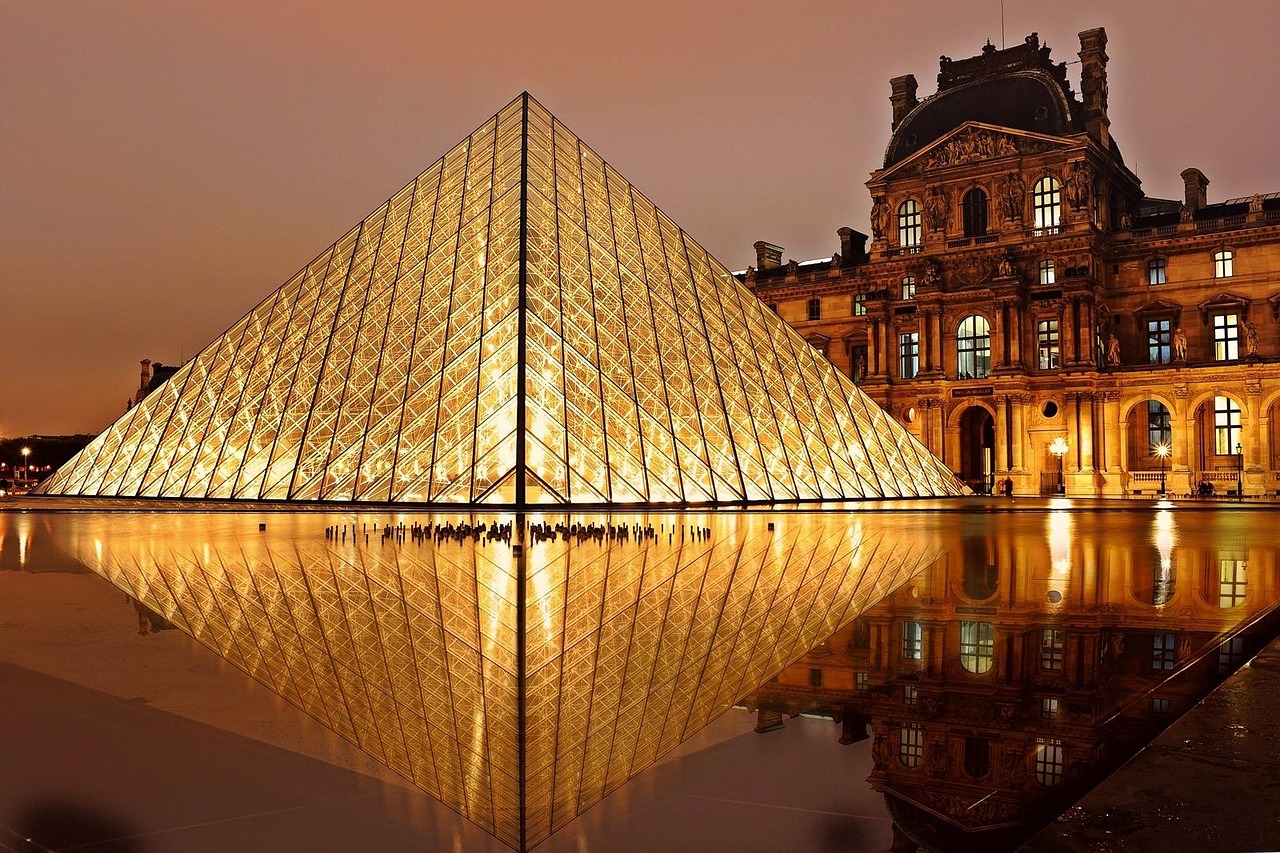
With over 20 institutions within walking distance, this is the cultural anchor of the Southwest. The Museum of Fine Arts, Houston (MFAH) recently expanded with the Nancy and Richie Kinder Building, a luminous space dedicated to modern and contemporary art. Nearby, the Asia Society Texas center—designed by Yoshio Taniguchi—is an architectural marvel that hosts cutting-edge exhibitions and performances reflecting the city’s deep ties to the Pacific Rim.
The Third Ward: Historic Soul
This is the epicenter of Houston’s Black history. Beyond Project Row Houses, the area is seeing a revitalized energy with the opening of the Hotel King David, a luxury boutique stay that honors the neighborhood's heritage. It’s a place to explore the murals of the "Emancipation Economic Development Council" and feel the pulse of a community that has resisted erasure for generations.
Houston Heights: Trendy and Timeless
"The Heights" is where the 19th-century architecture meets 21st-century dining. 19th Street is a haven for vintage shopping, while the surrounding streets are home to some of the city's most innovative new eateries. It feels like a small town tucked inside a mega-city, characterized by its wide porches and leafy streets.
Planning Your 2025 Trip: Essential Logistics
Best Time to Visit
While Houston is a year-round destination, the Spring (late February through March) is arguably the most vibrant. This is when the Houston Livestock Show and Rodeo takes over the city. It is the largest event of its kind in the world, a three-week celebration of cowboy culture, massive carnival rides, and nightly concerts from global superstars. It is a visceral, loud, and deeply fun manifestation of Texas pride.
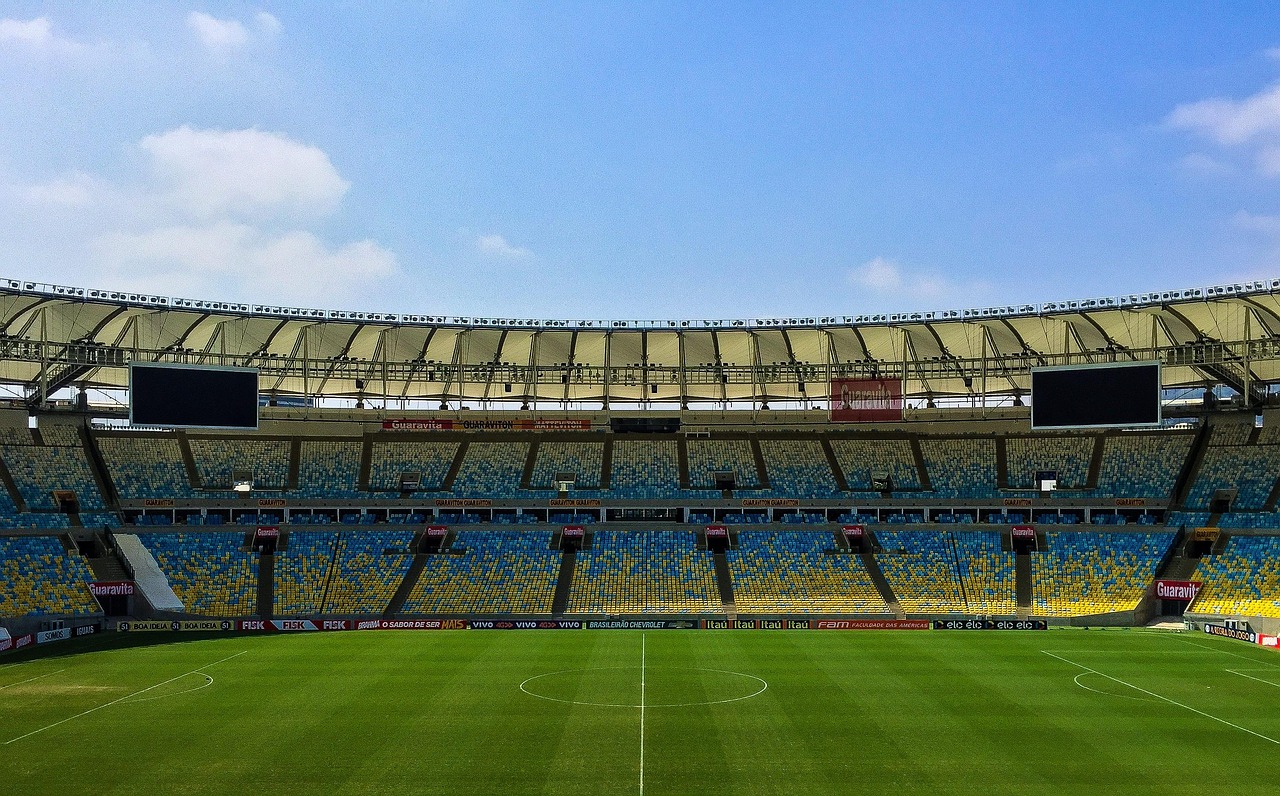
Alternatively, the Fall (October to November) offers crisp air and a slew of art festivals, making it the perfect time for walking tours of the murals in the East End or the sculpture gardens of the Museum District.
Where to Stay in 2025
| Neighborhood | Hotel Recommendation | Vibe | Price Range (USD) |
|---|---|---|---|
| Downtown | Thompson Houston | Ultra-modern luxury with skyline views | $300 - $550 |
| Montrose | Hotel Saint Augustine | Art-centric, boutique, and intimate | $250 - $450 |
| The Heights | Hotel Daphne (Opening 2025) | Trendy, localized, and chic | $280 - $400 |
| Third Ward | Hotel King David | Historic, community-focused, elegant | $220 - $350 |
| Museum District | Hotel ZaZa | Playful, opulent, and theatrical | $280 - $500 |
Budgeting for the Renaissance
Houston is surprisingly accessible compared to coastal hubs like New York or LA.
- Daily Estimate: $250 - $300 USD per person (covering a luxury stay, two high-end meals, and museum entries).
- Pro Tip: Many of the city's best museums, including The Menil Collection and the Contemporary Arts Museum Houston (CAMH), are free to the public every day. The MFAH offers free general admission on Thursdays.
FAQ
Is Houston walkable? Generally, no. Houston is a car-centric city. However, specific neighborhoods like Montrose, the Museum District, and the Heights are very walkable once you are there. For the best experience, rely on rideshares or the METRORail, which conveniently connects Downtown to the Museum District and the Texas Medical Center.
What is the "must-see" cultural landmark for a first-timer? If you only have time for one, visit the Rothko Chapel and the adjacent Menil Collection. It represents the perfect intersection of Houston’s wealth, its commitment to world-class art, and its surprisingly soulful, contemplative nature.
How do I experience the food scene without a reservation? While the Michelin-starred spots require planning, Houston’s soul is found in its "strip mall gems." Head to Bellaire Blvd for incredible Cantonese and Vietnamese food, or the East End for authentic Mexican panaderias. Some of the city's best food is served through a window or on a plastic tray.
Discover the Heart of the Bayou
Houston is no longer a city of the future—it is the city of now. Whether you are standing in the silent glow of a Rothko painting or sharing a tray of brisket-stuffed bao in a bustling food hall, you are participating in a cultural experiment that is succeeding against all odds.