Quick Facts
- The World's Fragrance Capital: Grasse, France, remains the global epicenter of perfume, protected by UNESCO for its ancestral savoir-faire.
- The Longevity Leader: Florence is home to the world’s oldest operating pharmacy-perfumery, Officina Profumo-Farmaceutica di Santa Maria Novella, established in 1221.
- A Growing Movement: Perfume tourism is no longer a niche hobby; the market is projected to grow from $1.12 million in 2024 to approximately $2.08 billion by 2033.
- Modern vs. Ancient: Global olfactory travel ranges from the 400-year-old hydro-distillation techniques in Kannauj, India, to AI-powered custom scent creation in Dubai.
I know travelers who navigate the globe via their palates, chasing the perfect truffle in Piedmont or the smokiest mezcal in Oaxaca. For me, however, the map of the world is drawn in top notes, heart notes, and base notes. I travel for the invisible. I travel for the way a city's soul is distilled into a glass vial—the "olfactory immersion" that tells a story far deeper than any photograph ever could.
We are currently witnessing a profound shift in how we experience the world. No longer content with just seeing a destination, travelers are seeking to smell it. This rise in perfume tourism is reflected in the numbers: as the global perfume tourism market prepares to surge toward a $2.08 billion valuation by 2033, it’s clear that our collective noses are leading the way. From the sun-drenched jasmine fields of Provence to the ancient, rain-scented attars of India, here are the seven cities every fragrance lover must visit at least once.
| City | Signature Note | Must-Do Experience |
|---|---|---|
| Grasse, France | Rose & Jasmine | Flower harvesting on Mimosa Hill |
| Florence, Italy | Iris & Bergamot | Visit the 13th-century Santa Maria Novella |
| Paris, France | Aldehydes & Powdery Notes | Sniffing rare archives at the Osmothèque |
| New York, USA | Metallic & Modern Accords | Custom blending at Olfactory NYC |
| Dubai, UAE | Oud & Amber | AI-powered scent creation |
| Marrakech, Morocco | Orange Blossom | Exploring the Souk El Attarine |
| Kannauj, India | Mitti Attar (Rain) | Witnessing traditional hydro-distillation |
1. Grasse, France: The World’s Fragrance Capital
To arrive in Grasse is to step into a living, breathing laboratory. Nestled in the hills of the Alpes-Maritimes, this town’s microclimate—sheltered from sea winds and blessed with abundant sunshine—has made it the undisputed cradle of modern perfumery. Here, the air doesn't just feel different; it smells of heritage.
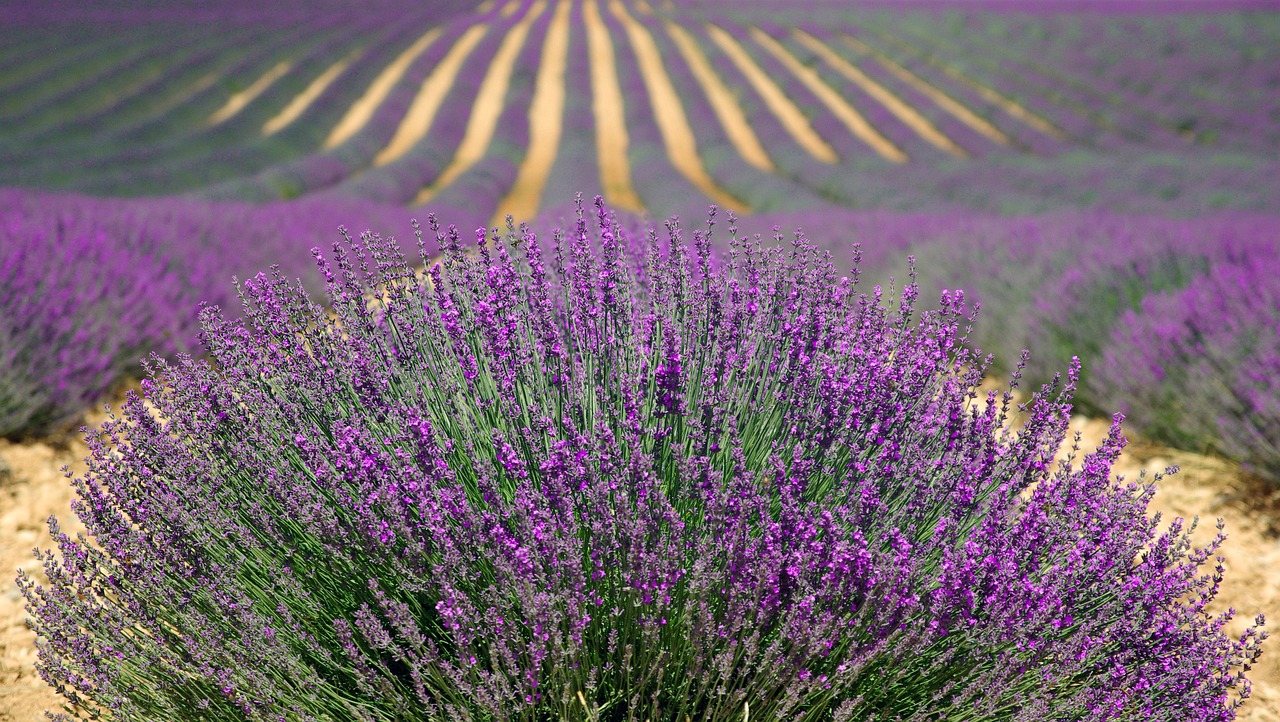
The town’s UNESCO-recognized heritage is built on the backs of three flowers: the Centifolia rose, the Grandiflorum jasmine, and lavender. Walking through the narrow, winding streets, you feel the weight of history. For the ultimate immersion, one must visit the "Big Three" houses: Fragonard, Molinard, and Galimard. Each offers a distinct window into the craft, from historical museums to hands-on workshops.
Can't-Miss Experiences
- Molinard’s Creation Workshop: Spend an hour with a nose to blend your own signature eau de parfum. It is a humbling and exhilarating exercise in balance.
- International Rose Festival: If you visit in May, the town is literally draped in pink for the Fête du Rose.
- Jasmine Harvest: In late summer, the fields on Mimosa Hill come alive. Witnessing the dawn harvest, when the jasmine petals are at their most potent, is a spiritual experience.
2. Florence, Italy: Renaissance Roots and Regal Scents
If Grasse is the laboratory, Florence is the sanctuary. The Florentine approach to fragrance is inextricably linked to the Renaissance and the Medici family. It was here that Catherine de' Medici’s personal perfumer, Renato Bianco, honed the scents that would eventually captivate the French court.
The crown jewel of Florence is the Officina Profumo-Farmaceutica di Santa Maria Novella. Established by Dominican friars in 1221, it is the oldest operating perfumery in the world. Walking into the Great Sales Hall is like entering a cathedral; the frescoed ceilings and walnut cabinetry house scents that have remained virtually unchanged for centuries, such as Acqua della Regina, a citrusy homage to Catherine herself.
Niche Exploration
- AquaFlor: Located near Piazza Santa Croce, this "perfume house" feels like a hidden alchemist’s den. Master Perfumer Sileno Cheloni offers the Casa Profumoir experience, where you can explore a library of over 1,500 rare raw materials.
- Museo Villoresi: Don’t miss the "Osmorama" room at the Lorenzo Villoresi museum, which contains a sprawling collection of notes that allows you to train your nose like a professional.

3. Paris, France: The Heart of Haute Perfumery
While Grasse grows the flowers, Paris sells the dream. The city is a playground for the "niche-curious," particularly along the Rue Saint-Honoré. I like to call this stretch "Scent Street," where the storefronts of Byredo, BDK, and L'Artisan Parfumeur stand as modern temples of olfactory art.
No trip to Paris is complete without a pilgrimage to Guerlain’s 68 Champs-Élysées flagship. It is a gilded palace of sillage where you can find exclusive bee bottles and rare extraits that aren't available anywhere else in the world. However, for the true perfume historian, a day trip to Versailles is required to visit the Osmothèque. This is the world’s only scent archive, preserving over 5,000 fragrances, including those lost to time, like the original Fougère Royale or the perfumes of Napoleon.
Where to Linger
- Jovoy Paris: The ultimate destination for independent and rare niche brands. The staff are true curators.
- Serge Lutens (Palais Royal): The purple-hued, mystical décor of this boutique perfectly matches the complex, poetic juices within.

4. New York City, US: The Future of Niche Innovation
New York City’s fragrance scene is much like its subway: fast, diverse, and unapologetically modern. The epicenter is Nolita, where Elizabeth Street has become a "Fragrance Row." Here, you’ll find Elorea, a brand that brilliantly blends Korean scent heritage with a minimalist perfume-café concept—perfect for a mid-afternoon "scent flight" accompanied by a signature cocktail.
For those who want to get their hands dirty (metaphorically), Olfactory NYC offers an accessible, modern take on the custom perfume workshop. Unlike the formal, two-hour affairs in France, this is a snappy, intuitive process that results in a scent tailored to your personal "vibe."
The NYC Aesthetic
- Bond No. 9: Each scent is a love letter to a specific Manhattan neighborhood.
- Aedes de Venustas: A baroque, velvet-draped boutique in the Lower East Side that feels like a portal to another era.
5. Dubai, UAE: Ancient Resins Meet AI Technology
In Dubai, fragrance is not an accessory; it is a way of life. The air in the malls and souks is heavy with the intoxicating scent of Oud, Bakhoor (incense), and Myrrh. This is a culture that has mastered the art of "layering" scents long before it became a Western trend.
The Al Shindagha Museum’s Perfume House offers a beautiful look at the Silk Road legacy, explaining how Emirati families created their own signature blends for generations. But Dubai is also looking forward. At the Museum of the Future, you can engage with AI-powered fragrance experiences that analyze your biometric data to suggest the scents that will most affect your mood.
Sensory Highlights
- The Spice Souk: Here, you can buy raw agarwood chips and frankincense tears by the kilo.
- Ajmal Perfumes: A heritage brand where you can learn about the intricate process of extracting Oud, one of the most expensive raw materials in the world.
6. Marrakech, Morocco: A Spice-Infused Sensory Escape
Marrakech is a city that vibrates with sensory energy. From the earthy musk of the tanneries to the sweet, heady waft of orange blossoms in the riad courtyards, the city is a masterclass in raw materials. Many of the world’s finest notes—Atlas Cedarwood and Neroli—are sourced right here in Morocco.
In the Souk El Attarine, the air is thick with the scent of cumin, cinnamon, and dried rosebuds. For a more refined olfactory experience, visit Héritage Berbère, a boutique that creates home and body scents inspired by the landscapes of the Maghreb.
Wellness and Scent
- Traditional Hammams: Many high-end riads use Maison d’Asa oils, which blend Argan with aromatic essential oils for a deeply traditional, scented spa experience.
- Le Jardin Secret: A tranquil spot to smell the medicinal herbs and flowers used in Islamic garden design.
7. Kannauj, India: The Grasse of the East
While the other cities on this list have modernized, Kannauj is a time capsule. Known as the perfume capital of India, this town on the banks of the Ganges has been practicing the art of hydro-distillation for over 400 years.
The most famous creation here is Mitti Attar—the scent of the earth after the first rain. Distillers capture this by distilling baked clay into a base of sandalwood oil using traditional copper degs (stills). It is an ancient, painstaking process that results in a fragrance that feels primordial and deeply comforting.
The Artisan Heritage
- Deg-Bhapka Method: Watch as artisans manage the wood fires beneath copper stills, a technique that has been passed down through generations.
- Gulab Bari: The rose water of Kannauj is legendary, used in everything from religious ceremonies to culinary masterpieces.
Practical Tips for Your Scent-ari
Travel for perfume requires a bit of logistical planning. Here is how to ensure your olfactory journey is a success:
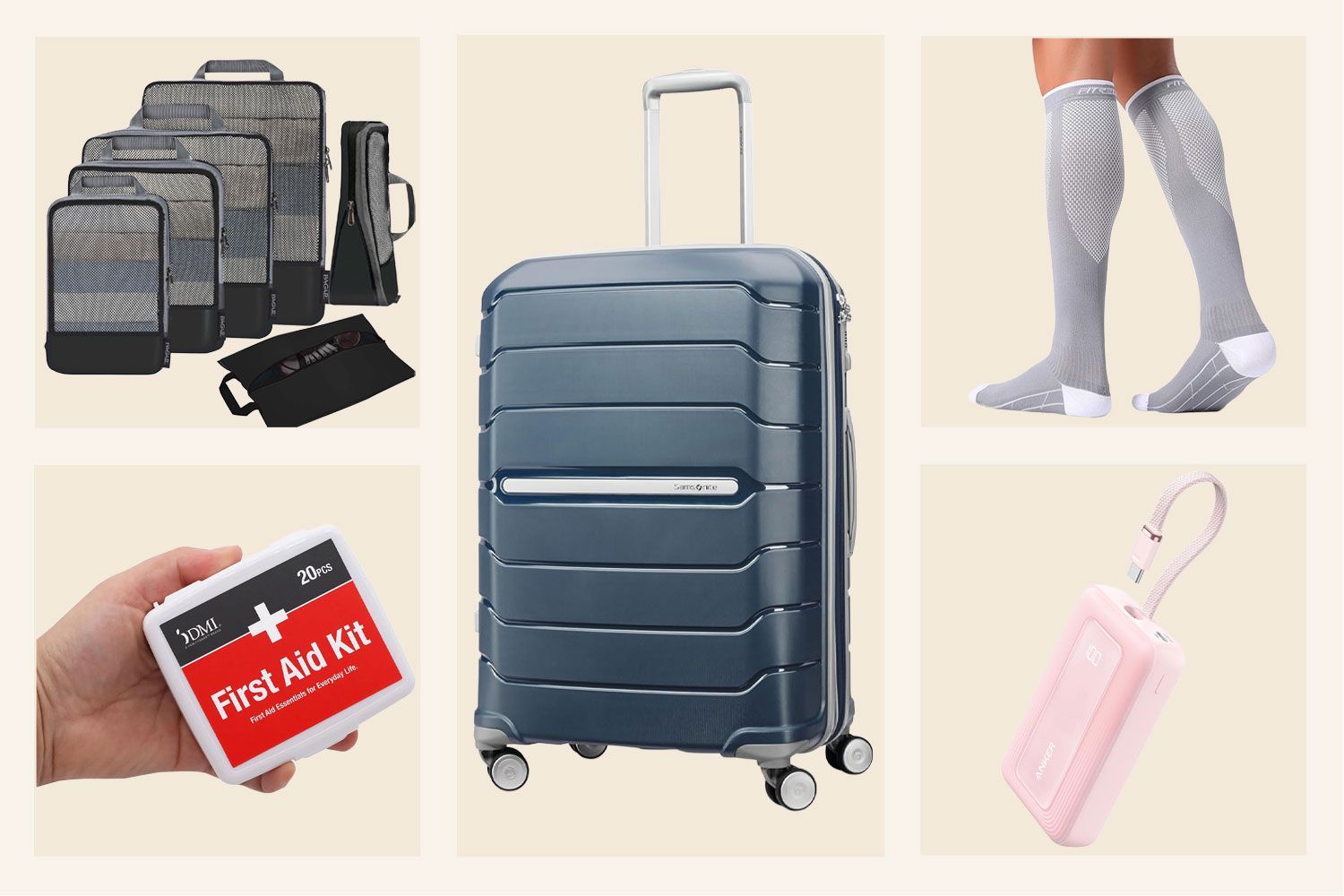
- Transport with Care: If you are buying full-sized bottles, always pack them in your checked luggage. Use bubble wrap or, better yet, tuck them inside thick socks. The pressure changes in the cabin can sometimes cause leaks, so ensure the caps are tightly sealed.
- Timing is Everything: If you want to see the flowers in the fields, time your visit. Rose season in Grasse is May; Lavender is July. In Kannauj, the vetiver and jasmine harvests follow the monsoon cycle.
- Book Ahead: Custom blending workshops, especially at popular spots like Molinard or Santa Maria Novella, often book up weeks in advance.
- Olfactory Fatigue: When testing perfumes in the shops, don't sniff more than three or four in a row. Carry a small bag of coffee beans, or simply smell your own skin (the crook of your elbow) to "reset" your nose.
FAQ
Q: Can I really make my own perfume in these cities? A: Absolutely. Most of these destinations—specifically Grasse, New York, and Dubai—have dedicated studios where you can work with a professional to blend your own scent. Prices range from $60 to $500 depending on the materials used.
Q: Is it cheaper to buy perfume at the source? A: Often, yes. In Grasse or Paris, you can find local brands and exclusive "boutique-only" editions that are much cheaper than they would be if imported. Plus, you can often claim a VAT tax refund.
Q: What is the difference between an Attar and an Eau de Parfum? A: Attars (common in Dubai and Kannauj) are oil-based and usually highly concentrated, containing no alcohol. They linger much longer on the skin but have less "sillage" (the scent trail) than alcohol-based Eaux de Parfum.
Ready to start your olfactory journey? Whether you are a seasoned collector or a curious novice, the world is waiting to be inhaled. Pack your bags, follow your nose, and discover the stories that only a scent can tell.