Quick Facts
- Longevity Hub: Sardinia is one of only five designated "Blue Zones" in the world, renowned for its high concentration of centenarians.
- The Market: The San Benedetto Market is one of Europe’s largest covered markets, featuring 300 specialized vendor booths.
- Ancient Heritage: The island is home to approximately 7,000 Nuraghi, prehistoric stone towers that predate the Roman Empire.
- Unique Wildlife: Cagliari is the only city in Europe where pink flamingos breed permanently in the nearby salt pans.
- The Coast: Poetto Beach stretches for nearly five miles, offering a vibrant mix of pristine waters and "barefoot luxury" kiosks.
Introduction: The Golden Hour in Castello
There is a specific quality to the light in Cagliari as evening approaches—a honeyed, amber glow that clings to the limestone ramparts of the Castello district. Standing atop the Bastione Saint Remy, the city unfolds beneath you like a weathered map of the Mediterranean’s complex soul. You see the masts of the marina, the shimmering salt pans of Molentargius, and the distant, jagged silhouette of the mountains.
Cagliari is not a city that reveals itself to the hurried traveler. It requires a "go-slow" ethos, a rhythm borrowed from the very centenarians who walk its steep, cobblestoned alleys. This capital of Sardinia is a place where ancient traditions aren't merely preserved in museums but are lived in the daily ritual of a three-hour lunch and the sharp, playful "sardonic" wit of its people. To visit Cagliari is to step into a Blue Zone lifestyle, where the secret to long life is found in a glass of dark red wine, a handful of fava beans, and a refusal to let the modern world dictate the pace of the heart.
Why is Sardinia a Blue Zone?
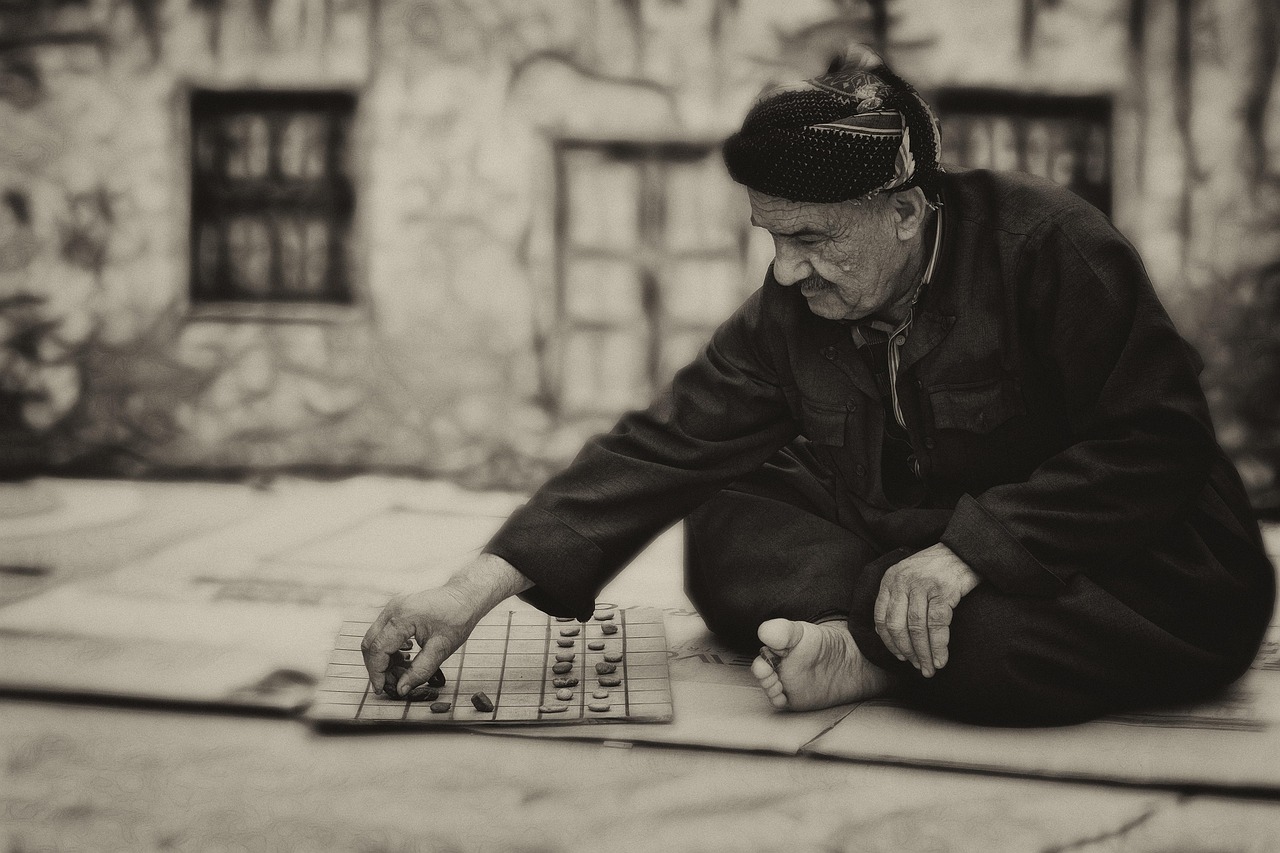
The phenomenon of Sardinian longevity is a tapestry woven from biology and culture. While genetics play a role, locals attribute their vitality to a "go-slow" philosophy and ironclad community ties. The diet is a cornerstone: a Mediterranean foundation heavy on fava beans, whole grains, and goat's milk—rich in proteins and fats that differ significantly from cow's milk. Longevity here isn't a goal; it's a byproduct of a life lived with purpose, surrounded by family, and fueled by the island's nutrient-dense soil.
The Soul of the City: Superstitions and Traditions
Cagliari is a city of layers, where Roman ruins rest beneath Punic necropolises, and medieval towers look out over modern boutiques. But the most enduring layers are the cultural quirks. Take, for instance, the local superstition regarding spilled salt. Legend has it that during the Roman conquest, salt—a precious commodity—was spread over the ruins of defeated cities to ensure nothing would ever grow again. To this day, if a Cagliaritano spills salt at the table, a flicker of ancient anxiety crosses their face, followed quickly by a corrective ritual.
The rhythm of life here is sacrosanct. Between 1:00 PM and 4:30 PM, the city breathes. Shops shutter, and the streets grow quiet as the siesta takes hold. This isn't laziness; it is a cultural rejection of the "hustle." It is the time for a long, lingering lunch where the world's problems are solved over a shared plate.

In the narrow, laundry-draped corridors of the Stampace and Marina districts, you can still hear the clatter of traditional looms or the steady tap of a ceramicist's tool. These ancient crafts survive not as tourist gimmicks but as essential threads of the Sardinian identity.
Gastronomy: A Taste of Longevity
To eat in Cagliari is to consume the history of the island. The cuisine is a dialogue between the rugged interior (the land of shepherds) and the salty embrace of the coast. For an authentic introduction, one must begin at the source.
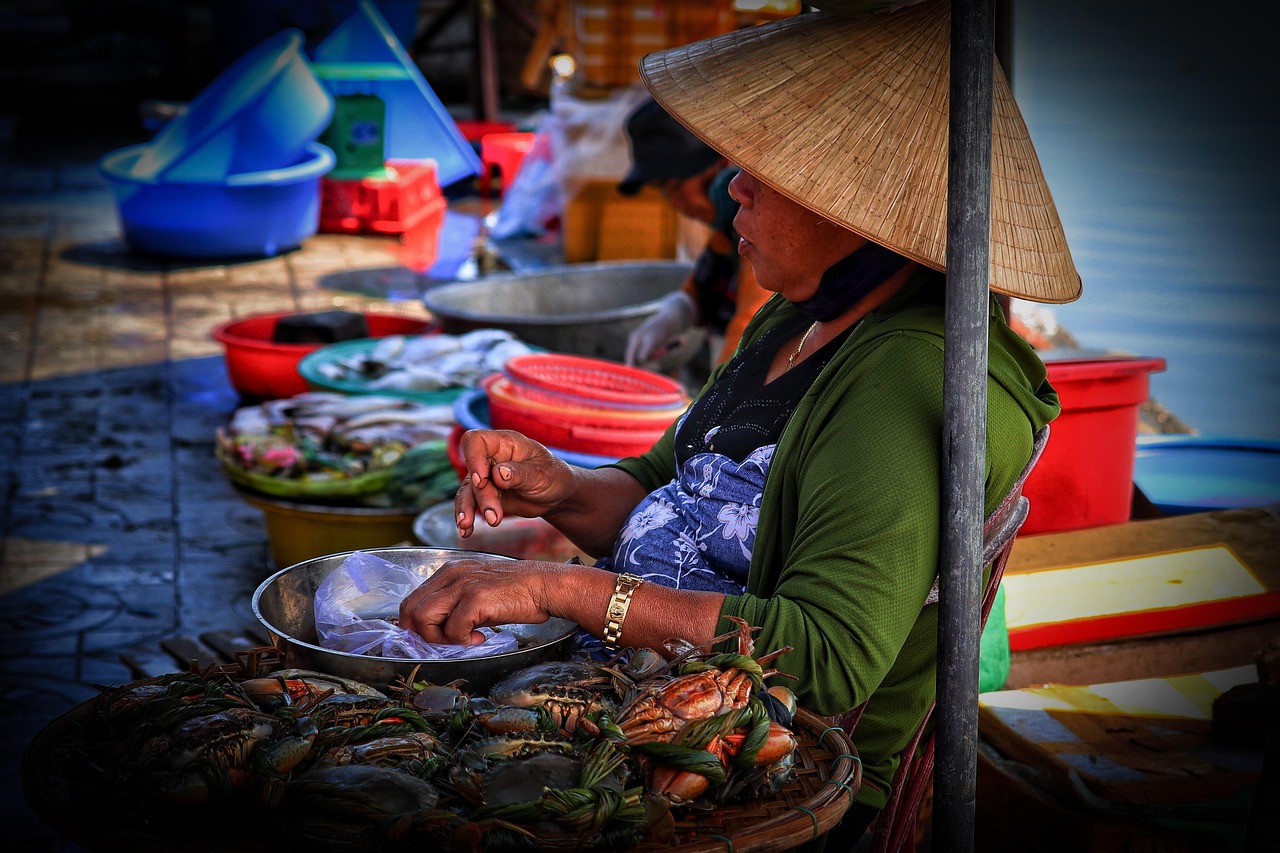
The San Benedetto Market San Benedetto Market in Cagliari stands as one of the largest covered markets in Europe, housing approximately 300 specialized vendor booths. The ground floor is a theatrical display of the sea’s bounty—writhing eels, silver-scaled sea bass, and the prized mullet roe known as bottarga. The upper floor is a sanctuary of cheeses, cured meats, and seasonal produce.
What are the best traditional foods to try in Cagliari?
If you are looking to eat like a local, prioritize these four pillars of the Sardinian table:
- Porceddu: A slow-cooked suckling pig, traditionally roasted on a spit for hours and scented with myrtle leaves and wild dandelion. The skin is crackling-crisp, the meat tender enough to melt.
- Malloreddus: These are small, hand-formed pasta shapes, often called Sardinian gnocchi. Try them alla Campidanese—with a rich tomato and sausage ragu, finished with a generous dusting of sharp Pecorino Sardo.
- Bottarga: Often referred to as "the gold of Sardinia," this is cured fish roe, typically from grey mullet. It is grated over pasta or sliced thin with artichokes and extra virgin olive oil, providing a salty, umami-rich punch.
- Cannonau Wine: No meal is complete without this high-antioxidant red wine. Scientific studies often link the high levels of polyphenols in Cannonau to the heart health of the island's centenarians.
Recommended Dining Spots
- Antico Caffè: Established in 1855, this is the place for an elegant morning espresso or a sunset aperitivo at the foot of the Bastione.
- Luigi Pomata: For a contemporary take on Sardinian seafood, Pomata is a master of bluefin tuna, often sourcing it from the nearby Carloforte.
- Gli Uffici: A hidden gem offering breathtaking views and a menu that focuses on hyper-local ingredients and traditional recipes.
Ancient History: From Nuraghi to Romans
Sardinia’s history stretches back into the mists of time, long before the first Roman stone was laid. The island of Sardinia preserves a unique prehistoric landscape with an estimated 7,000 Nuraghi—ancient mortar-free stone towers that remain one of the Mediterranean's great archaeological mysteries.
Just an hour’s drive from Cagliari lies Su Nuraxi di Barumini, a UNESCO World Heritage site that serves as the finest example of this Bronze Age civilization. Wandering through its beehive-shaped chambers, you feel the weight of three millennia.
Closer to the city, the National Archaeological Museum in Cagliari houses the Giants of Mont'e Prama—colossal sandstone statues that are the oldest anthropomorphic sculptures found in the Mediterranean basin. For a more evocative experience, visit the Tuvixeddu Necropolis, a vast Punic burial ground carved into the limestone hills, or the Villa di Tigellio, which offers a glimpse into the domestic life of Roman-era Cagliari.
Expert Tip: If you have time for a day trip, head to the ancient city of Nora. It sits on a peninsula overlooking the sea. Recently the backdrop for a Dolce & Gabbana Alta Moda show, it remains one of the most romantic archaeological sites in Italy, with Roman mosaics that shimmer under the salt spray.
Nature and the Sea: The Pink Flamingos and the Devil's Saddle
Cagliari is a city defined by its relationship with water. To the east lies Poetto Beach, nearly five miles of fine sand and crystalline water. It is the city's primary playground, where locals flock for a morning jog or a late-night cocktail at one of the "chioschi" (kiosks) that line the promenade.

But the real magic lies just behind the beach in the Molentargius-Saline Park. Here, the industrial history of salt production has created a unique ecosystem.

The pink flamingos, known locally as sa genti arrubia (the red people), are a constant presence. Seeing hundreds of them take flight against the backdrop of the city’s concrete towers is a surreal and beautiful sight. For the active traveler, hiking the Sella del Diavolo (Devil’s Saddle) offers the best panoramic views of the Gulf of the Angels. The trail is moderate, winding through Mediterranean scrub and past abandoned WWII fortifications.
Where to Stay: From Historic Palazzos to Coastal Retreats
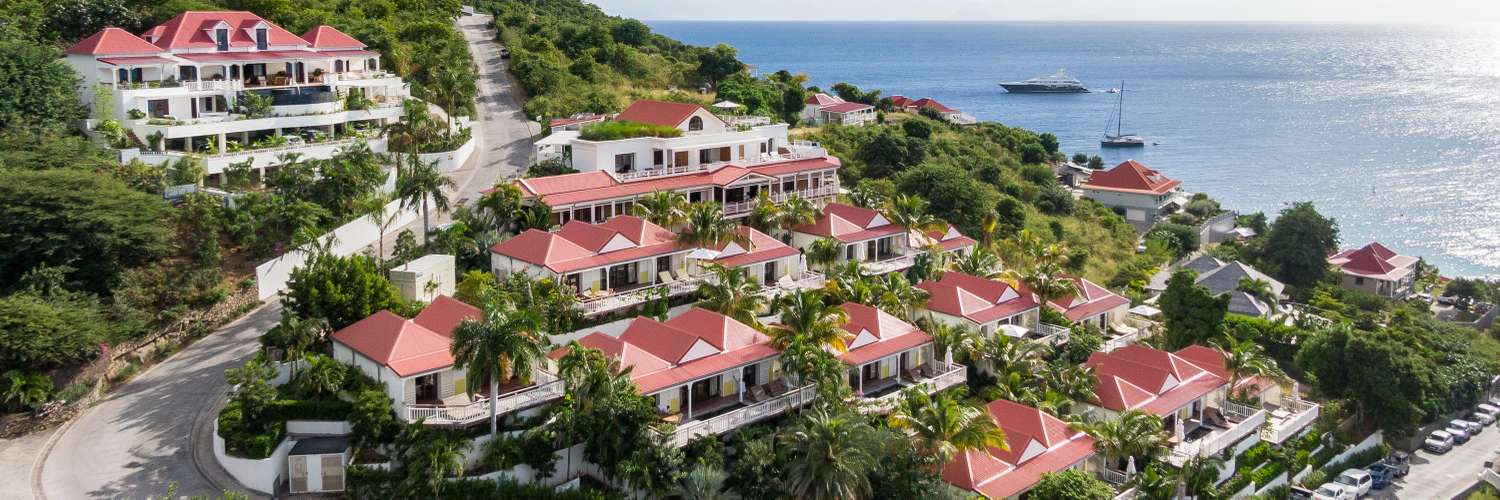
Cagliari offers accommodation that mirrors its eclectic personality. Whether you seek the aristocratic air of the Castello district or the modern pulse of the Marina, there is a sanctuary for every traveler.
| Hotel Name | Style | Highlights |
|---|---|---|
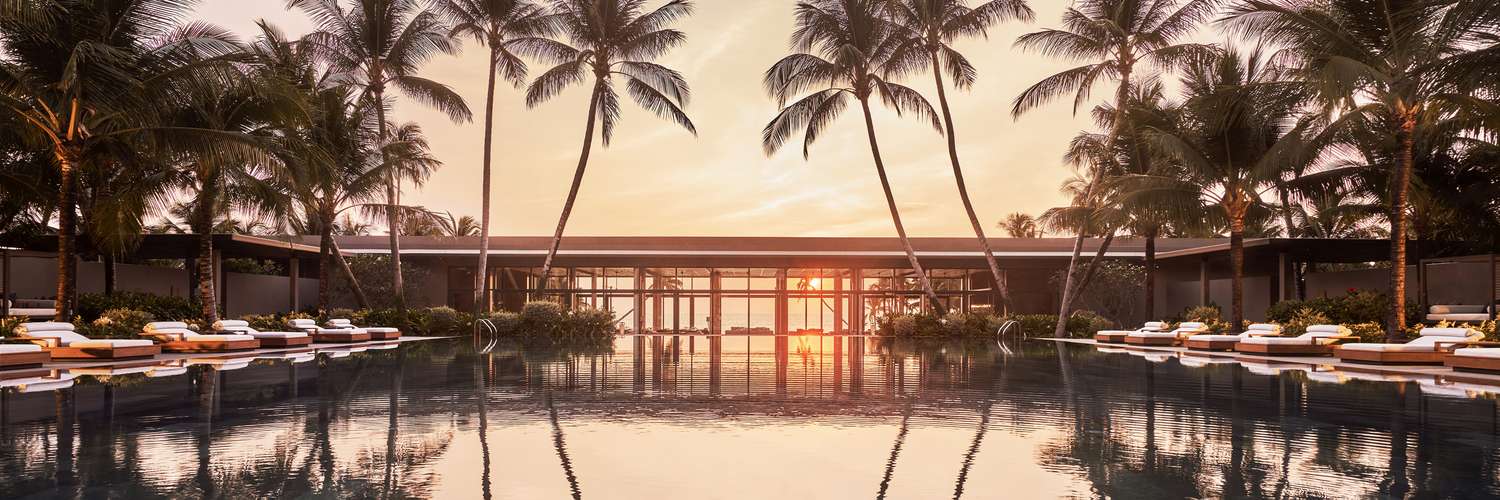
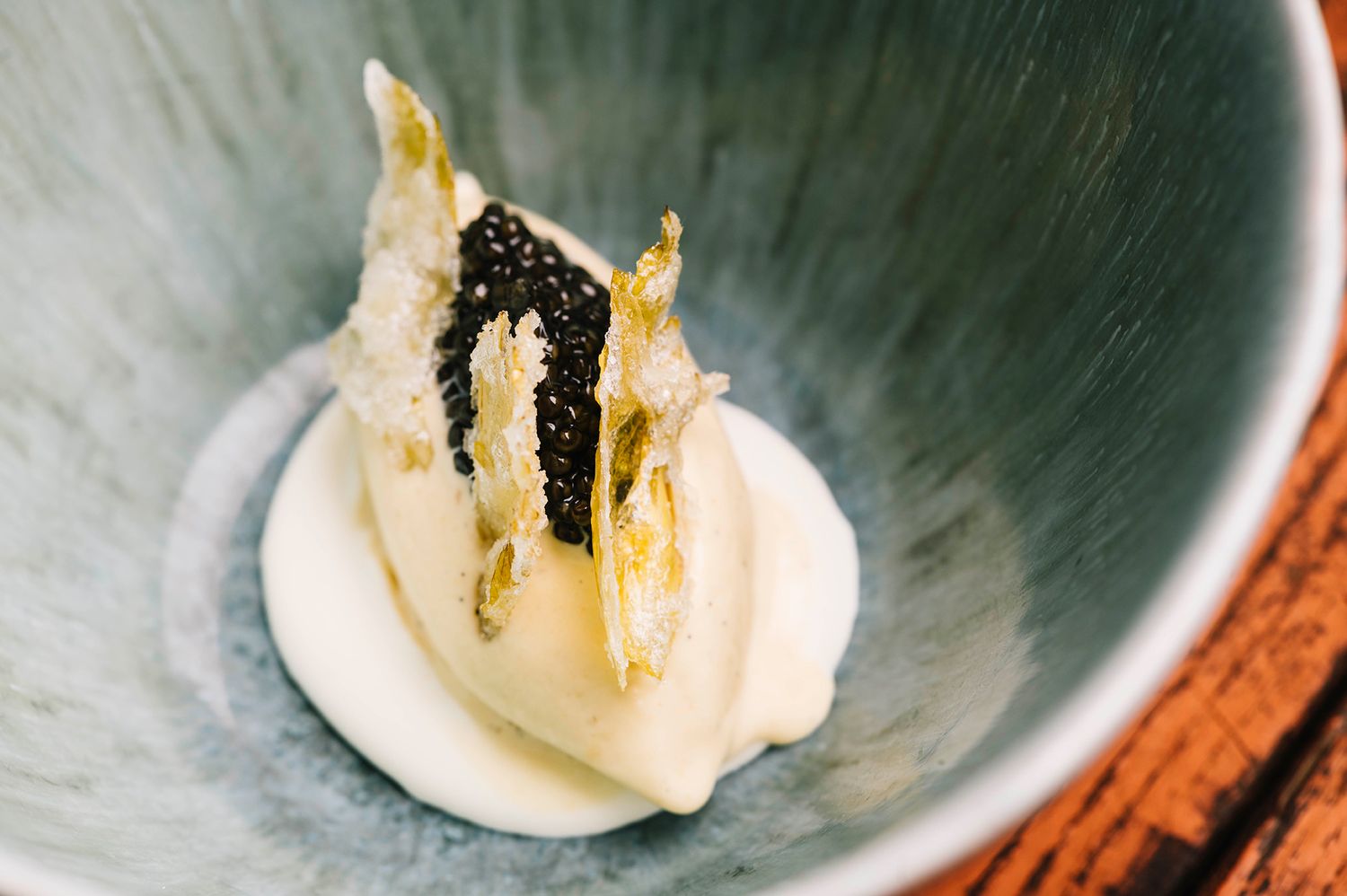
| Palazzo Doglio | Luxury | A stunning courtyard, Michelin-starred dining, and a world-class spa. |
| Casa Clàt | Boutique/Design | A whimsical hotel featuring works by local artists and a secret garden. |
| Palazzo Boyl | Historic | Located in Castello; offers some of the most dramatic views of the harbor. |
| Faro Capo-Spartivento | Coastal Escape | An hour away; a luxury hotel inside a working lighthouse. |
Book Your Stay at Palazzo Doglio →
Practical Tips for the Traveler
- Getting Around: The historic center is highly walkable, though steep. For day trips to Barumini or Nora, a car rental is essential. Within the city, the CTM bus app is efficient and easy to use.
- Best Time to Visit: May and June offer blooming landscapes and mild temperatures. September and October are perfect for warm seas and fewer crowds.
- The Afternoon Lull: Respect the 1:30 PM to 4:30 PM rest period. Many shops and sites will be closed, so plan your museum visits for the morning and your long lunches for the afternoon.
- Cash is King: While major hotels and restaurants accept cards, smaller artisan shops and market stalls in San Benedetto often prefer cash.
FAQ
Q: Is Cagliari expensive compared to other Italian cities? A: Generally, Cagliari is more affordable than Rome, Florence, or the Costa Smeralda. You can find high-quality meals and charming accommodations for significantly less than in northern Italy.
Q: Can I see the flamingos year-round? A: Yes! Unlike other migratory populations, the flamingos in Molentargius are permanent residents and breed there, so you can see them regardless of the season.
Q: Is English widely spoken? A: In hotels and major restaurants, yes. However, in smaller boutiques and at the San Benedetto Market, a few words of Italian (or even Sardinian) will go a long way in building rapport with locals.
Conclusion
Cagliari is a city that lingers in the memory long after the taste of Cannonau has faded. It is a destination that teaches you the value of the "long game"—whether it's the centuries-old stones of a Nuraghe or the slow, deliberate pace of a local elder. By embracing the quirks, the superstitions, and the rich culinary traditions of this Sardinian capital, you don't just see a new place; you learn a new way to live.
As the sun finally dips below the horizon at the Bastione, and the first glasses of wine are poured, you realize that the Blue Zone isn't just a geographical coordinate. It’s a state of mind.
Are you ready to experience the "go-slow" life of Sardinia? Start planning your cultural journey to Cagliari today.