Quick Facts
- Peak Season: The best time for whale watching in Loreto is between December and March, with peak sightings of blue, gray, and humpback whales in January and February.
- A Natural Wonder: Loreto Bay National Park is a UNESCO World Heritage Site spanning 244 islands and hosting 39% of the world's total marine mammal species.
- The Blue Whale Capital: Loreto is one of the few places on Earth where you can consistently spot the blue whale—the largest animal to ever exist.
- Iconic Culinary Tradition: Loreto is famous for chocolate clams, foraged bivalves traditionally prepared in a sand-baked clambake known as almejas tatemadas.
Introduction: The Magic of Mexico's 'Aquarium of the World'
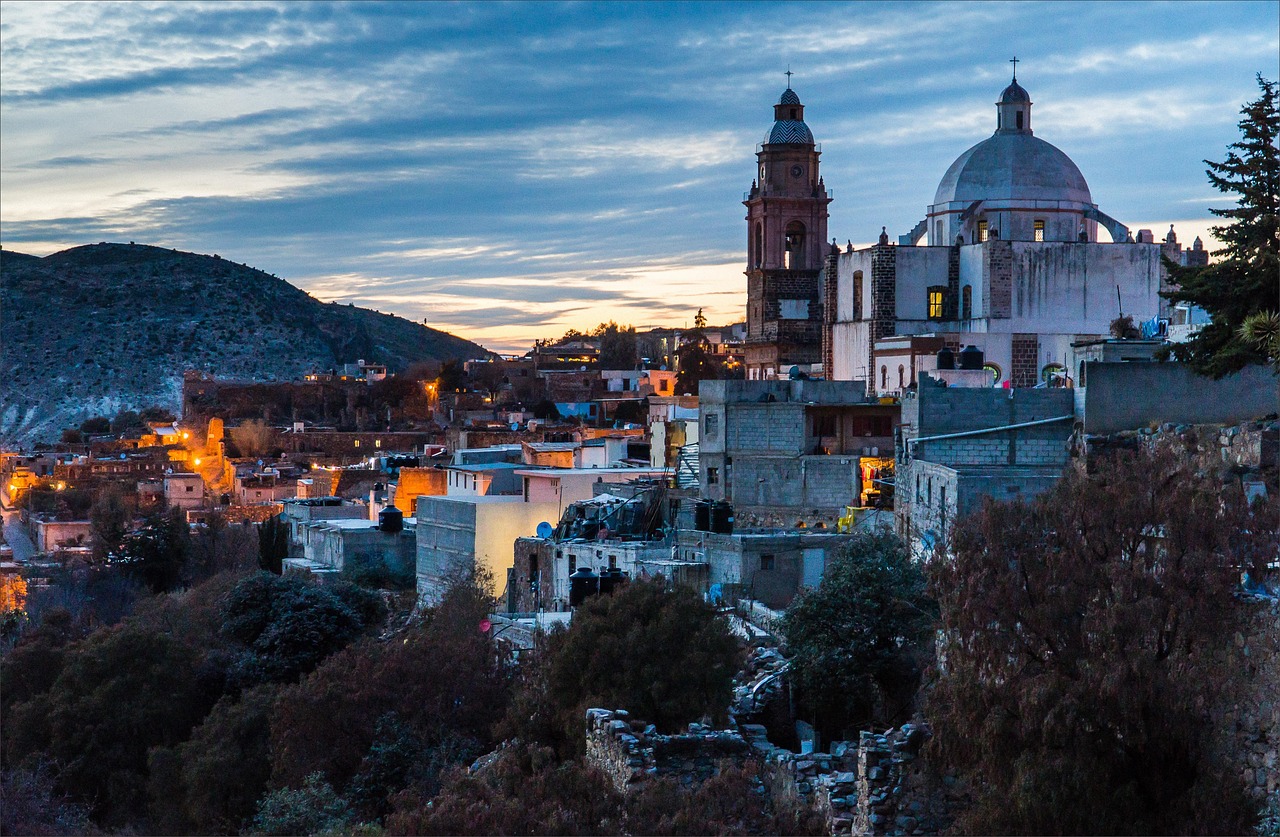
As the sun begins to dip behind the jagged peaks of the Sierra de la Giganta, the sky over the Malecón in Loreto transforms into a canvas of sherbet hues—pinks, deep oranges, and soft purples. In the foreground, the calm waters of the Sea of Cortez ripple as pelicans and blue-footed boobies dive-bomb for their evening meal. This is Loreto, a Pueblo Mágico (Magic Town) on the eastern coast of the Baja California Peninsula that feels like a well-kept secret, standing in stark, silent contrast to the neon lights and high-rise resorts of Cabo San Lucas.
Known as the "Aquarium of the World"—a title bestowed by Jacques Cousteau—the waters surrounding Loreto offer a marine spectacle that is arguably unrivaled in North America. While Cabo attracts the party-goers, Loreto beckons the soul-seekers, the conservationists, and the eco-tourists. It is a place where history is etched into the stone of the 17th-century Jesuit missions and where the rhythm of life is dictated by the tides and the seasonal migrations of giants. Whether you are here to lock eyes with a 100-foot blue whale or to taste the smoke-infused sweetness of a freshly foraged clam, Loreto provides an intimacy with nature that is increasingly rare in the modern world.
The Best Time for Whale Watching in Loreto
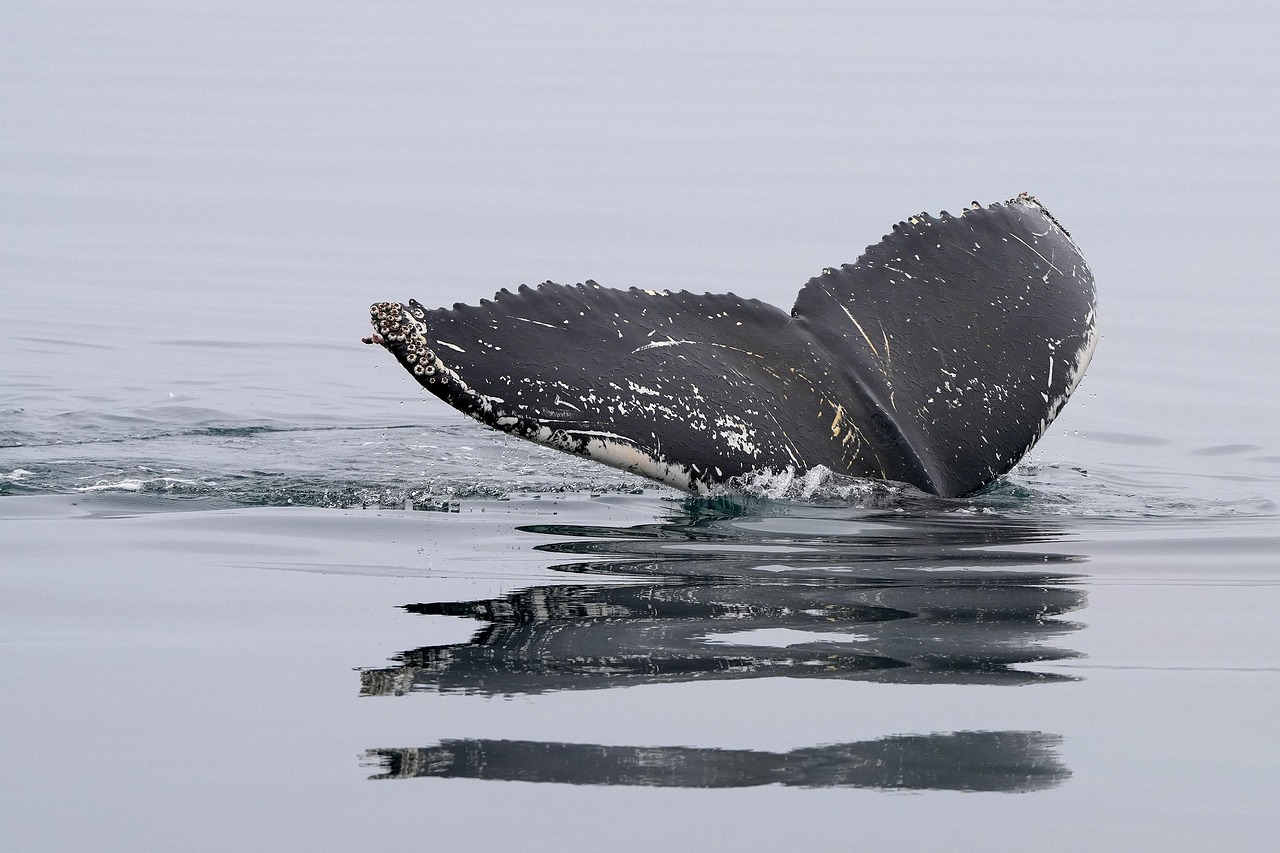
Timing is everything when it comes to witnessing the majesty of the deep. If your primary goal is to see whales, you must align your visit with the great winter migration. The best time for whale watching in Loreto, Mexico, is between December and March. During these months, the nutrient-rich waters of the Loreto Bay National Park become a sanctuary for various species seeking warmth and a place to calf.
While the season officially kicks off in December, peak sightings occur in January and February. This is when the concentration of whales is at its highest, and the chances of seeing multiple species in a single outing are near certain. By late March, many of the whales begin their long journey north back to the colder waters of the Arctic, though a few stragglers may remain into early April.
Seasonal Sighting Table
| Month | Blue Whales | Gray Whales | Humpback Whales | Fin Whales |
|---|---|---|---|---|
| December | Rare (Arriving) | Occasional | Frequent | Frequent |
| January | Peak | Peak | High | High |
| February | Peak | Peak | High | High |
| March | High | High | Occasional | Frequent |
| April | Rare (Departing) | Rare | Rare | Occasional |
The weather during this period is almost idyllic for exploration. Expect daytime temperatures in the mid-70s°F (24°C), perfect for being out on the water without the oppressive heat of the Baja summer. However, the desert air cools quickly once the sun sets, so evenings often drop into the 60s°F (16°C), requiring a light jacket for walks along the Malecón.
Marine Biodiversity in Loreto Bay National Park
To understand the ecological significance of Loreto, one must look at the numbers. The Loreto Bay National Park is a protected marine area that encompasses a staggering 244 islands, islets, and coastal points within the Sea of Cortez. This UNESCO World Heritage Site provides a vital sanctuary for 39% of the planet's total marine mammal species.
The park's unique geography—deep underwater canyons located just offshore—creates upwellings of cold, nutrient-dense water. This "marine soup" supports an incredible food chain, from tiny krill to the apex predators of the ocean.
Species Spotlight: The Giants and the Acrobatics
- The Blue Whale: Loreto is world-renowned as one of the few places where the blue whale comes to feed and calf. Seeing a creature that can grow up to 100 feet long and weigh 200 tons is a humbling experience. Their "blow"—the spray from their blowhole—can reach 30 feet into the air, a vertical plume visible from miles away.
- Dolphins and Rays: It is not uncommon to be escorted by "super-pods" of common or bottlenose dolphins numbering in the hundreds. Additionally, Mobula rays are often seen leaping from the water in spectacular, flapping displays of acrobatics.
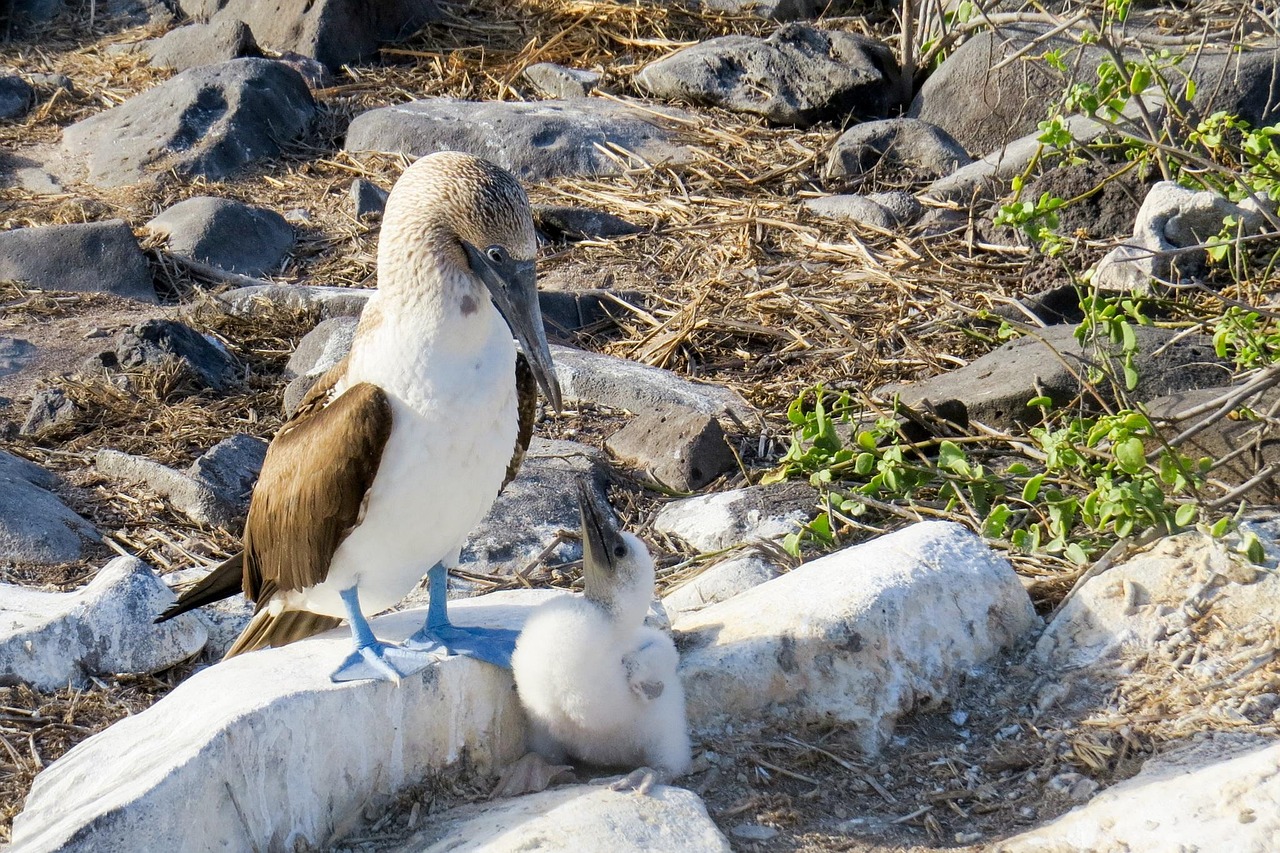
- Blue-Footed Boobies: While the whales dominate the water, the sky belongs to the birds. The blue-footed booby, often associated with the Galapagos, finds a northern home on the rocky cliffs of Loreto’s islands.
Conservation in Loreto is a community-led effort. Unlike other regions where development has been unchecked, Loreto’s citizens and local advisory boards have fought hard against overdevelopment and industrial fishing. This commitment to sustainability ensures that the "Aquarium" remains vibrant for generations to come.
Unforgettable Experiences: From Blue Whales to Island Hopping
A typical day in Loreto starts at the marina, where you’ll board a panga—a traditional open-air fishing boat. Choosing a sustainable operator is crucial; look for guides who are certified by the park and who follow strict distances to avoid stressing the animals. The experience of being in a small boat when a blue whale surfaces nearby is electrifying. You feel the vibration of its low-frequency hum and hear the thunderous intake of breath that sounds like a steam engine.
Exploring Isla Coronados
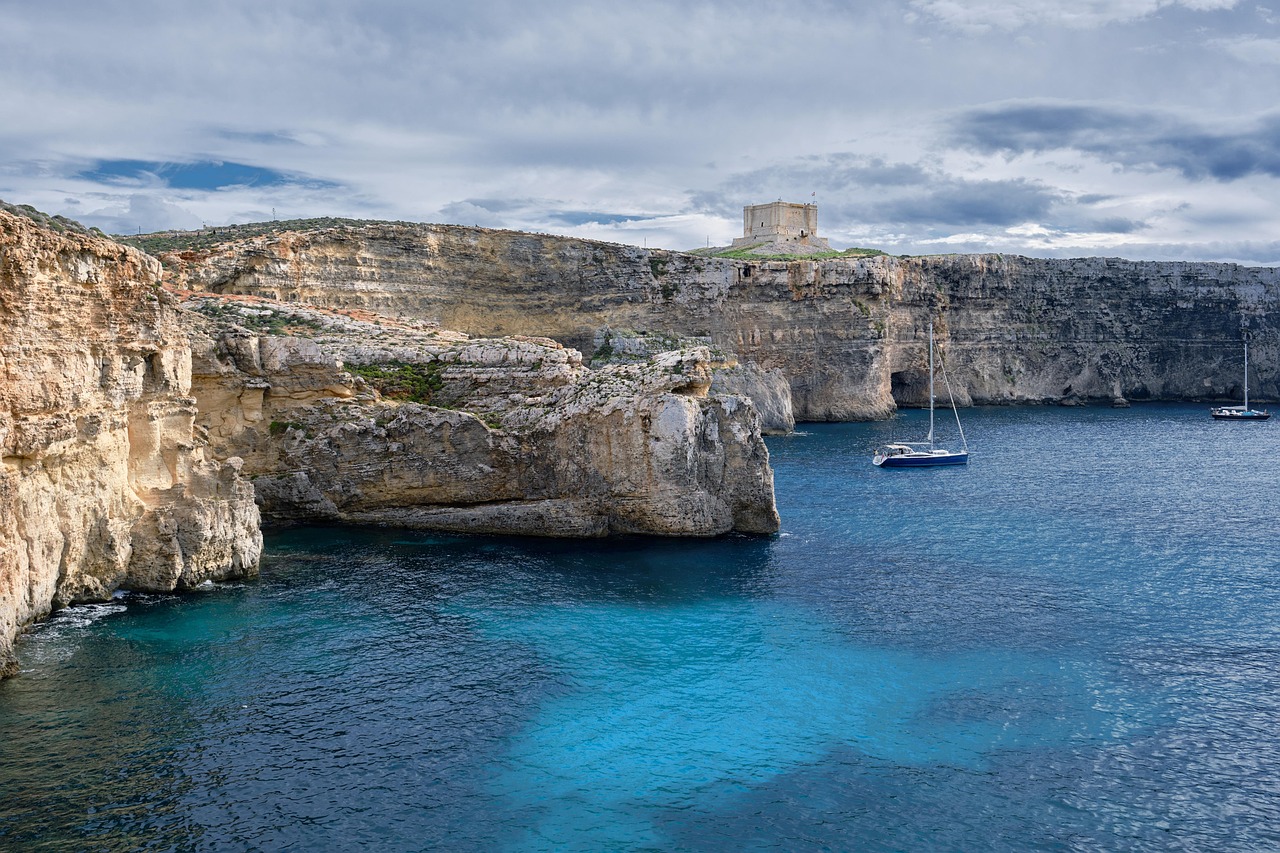
While whale watching is the main draw, no trip is complete without exploring Isla Coronados. Located just a short boat ride from the town center, this island is an ancient volcanic crater rimmed with white sand beaches and neon-blue, turquoise waters that look more Caribbean than Pacific.
- Snorkeling: The volcanic rock formations underwater are teeming with king angelfish, Sergeant Majors, and the occasional sea turtle.
- Sea Lion Colonies: At the northern tip of the island, a permanent colony of California sea lions resides. They are curious creatures, often swimming right up to snorkelers to play.
- Hiking: A small trail leads through the island’s interior, showcasing endemic cactus species and offering panoramic views of the Sierra de la Giganta mountains reflecting on the water.
Traveler’s Tip: The sound of cruise ships can significantly disrupt blue whale communication. When planning your trip, try to choose days when no large ships are docked in the bay to ensure the most ethical and quietest environment for the marine life.
The Culinary Tradition: Foraging Loreto’s Chocolate Clams
After a morning spent among the giants of the sea, the transition from "sea to table" in Loreto is a cultural bridge that every traveler must cross. Loreto is famous for its 'chocolate clams' (Megapitara squalida), iconic brown-shelled bivalves that get their name from the rich, cocoa-colored hue of their shells, not their flavor.
The foraging experience is an art form. Local guides, often third or fourth-generation residents, will dive into the sandy bottom of the bay—sometimes up to 20 or 30 feet deep—to hand-pick these delicacies. They are a staple of the local diet and a point of immense regional pride.
The Almejas Tatemadas Ritual
While you can find chocolate clams served raw with lime and hot sauce (similar to a scallop), the most authentic way to experience them is through the almejas tatemadas (sand-baked clams).
- Preparation: A thick bed of gravel and sand is prepared. The clams are tucked into the sand, hinge-side up, in a specific circular pattern.
- The Fire: A layer of dried romerillo brush is piled on top and set ablaze. The guides carefully monitor the wind and the heat, ensuring the clams are roasted but not scorched.
- The Feast: Once the fire dies down, the clams are "foraged" once more from the hot sand. The result is a smoky, tender, and slightly sweet clam that is traditionally eaten on a flour tortilla with a special mustard-mayonnaise sauce.
You can witness this tradition at local institutions like the Hotel Oasis, which hosts weekly clambakes on the beach, or by hiring a private guide who will prepare the feast for you on a secluded island beach.
Practical Travel Tips for Loreto
Loreto’s isolation is its greatest asset, but reaching this paradise is surprisingly simple. The town remains remarkably walkable, and the pace of life encourages you to slow down and wander.
Logistics and Arrival
- Flights: Loreto International Airport (LTO) currently serves six direct routes. Major gateways include Los Angeles (LAX), San Francisco (SFO), Phoenix (PHX), and Dallas (DFW). There are also domestic flights from Tijuana and La Paz.
- The Commute: One of the most pleasant surprises for travelers is the 5-minute commute from the airport to the town center. You can go from the baggage claim to a seaside cafe in less time than it takes to check into most hotels.
- Getting Around: Within the town, you won't need a car. Most hotels, restaurants, and the marina are within a 15-minute walk. For trips to the San Javier Mission in the mountains, car rentals or guided van tours are readily available.
Budgeting for Your Adventure
Loreto offers a range of price points, but generally, it is more affordable than the southern Baja hubs.
- Whale Watching Tours: Expect to pay between US$60 and US$100 per person for a 4-to-6-hour tour. Private charters are also available for families or photographers.
- Dining: A meal of chocolate clams or fresh fish tacos will range from US$10 to US$25, while a high-end dinner at one of the boutique hotels might cost US$40+.
- Sustainable Gear: Don't forget to pack reef-safe sunscreen, a wide-brimmed hat with a chin strap (it gets windy on the boats), and a reusable water bottle.
FAQ
Q: Is Loreto safe for travelers? A: Loreto is widely considered one of the safest destinations in Mexico. It is a small, tight-knit community where tourism is the primary industry, and locals are incredibly welcoming and protective of their visitors.
Q: Do I need to be a strong swimmer to see the marine life? A: Not at all. Many of the best whale-watching experiences happen from the boat. For snorkeling at Isla Coronados, life jackets are mandatory and provided by all reputable guides, making it accessible for all skill levels.
Q: Can I see whales from the shore? A: While it is rare to see a blue whale from the beach, you can occasionally spot humpbacks breaching or dolphins playing just past the breakwaters of the Malecón, especially in the early morning hours.
Plan Your Loreto Escape
Loreto is a place that lingers in your memory long after the tan lines fade. It is the sound of the whale’s breath, the taste of smoke on a chocolate clam, and the sight of the Sierra de la Giganta turning gold in the twilight. If you are ready to swap the crowds for the "Aquarium of the World," the giants are waiting for you.