Quick Facts
- Ancestral Material: Wichí weaving is an intricate art form utilizing hand-spun fibers from the chaguar plant, a wild bromeliad native to the Gran Chaco forest.
- Cultural Symbolism: Every textile is a visual language, featuring geometric motifs like ojos de lechuza (owl eyes) that communicate ancestral knowledge and protection.
- Global Recognition: The Silät collective, led by artist Claudia Alarcón, has elevated this craft to fine art, with works featured in the Venice Biennale and the Guggenheim Bilbao.
- Economic Empowerment: The collective supports over 100 intergenerational Wichí women from the Salta province, providing a sustainable lifeline through traditional craftsmanship.
The Spirit of the Gran Chaco
To reach the heart of Wichí country, one must travel north of Salta, past the tobacco fields and into the El Impenetrable—the formidable "Impenetrable" forest of the Gran Chaco. Here, the air carries the scent of dry earth and sun-baked wood. The Gran Chaco is a landscape of extremes; it is one of the world's most biodiverse regions, spanning over 250 million acres across Argentina, Bolivia, and Paraguay, yet it presents a rugged, semi-arid face to those who wander its paths.
The Wichí people, the indigenous guardians of this thorny sanctuary, have lived in harmony with this environment for millennia. For the Wichí, the forest is not merely a resource; it is a relative. This deep spiritual connection is most vividly expressed through the hands of the women. They are the weavers of stories, the keepers of a textile tradition that transforms one of the forest’s most hostile plants into a fabric of remarkable softness and durability.
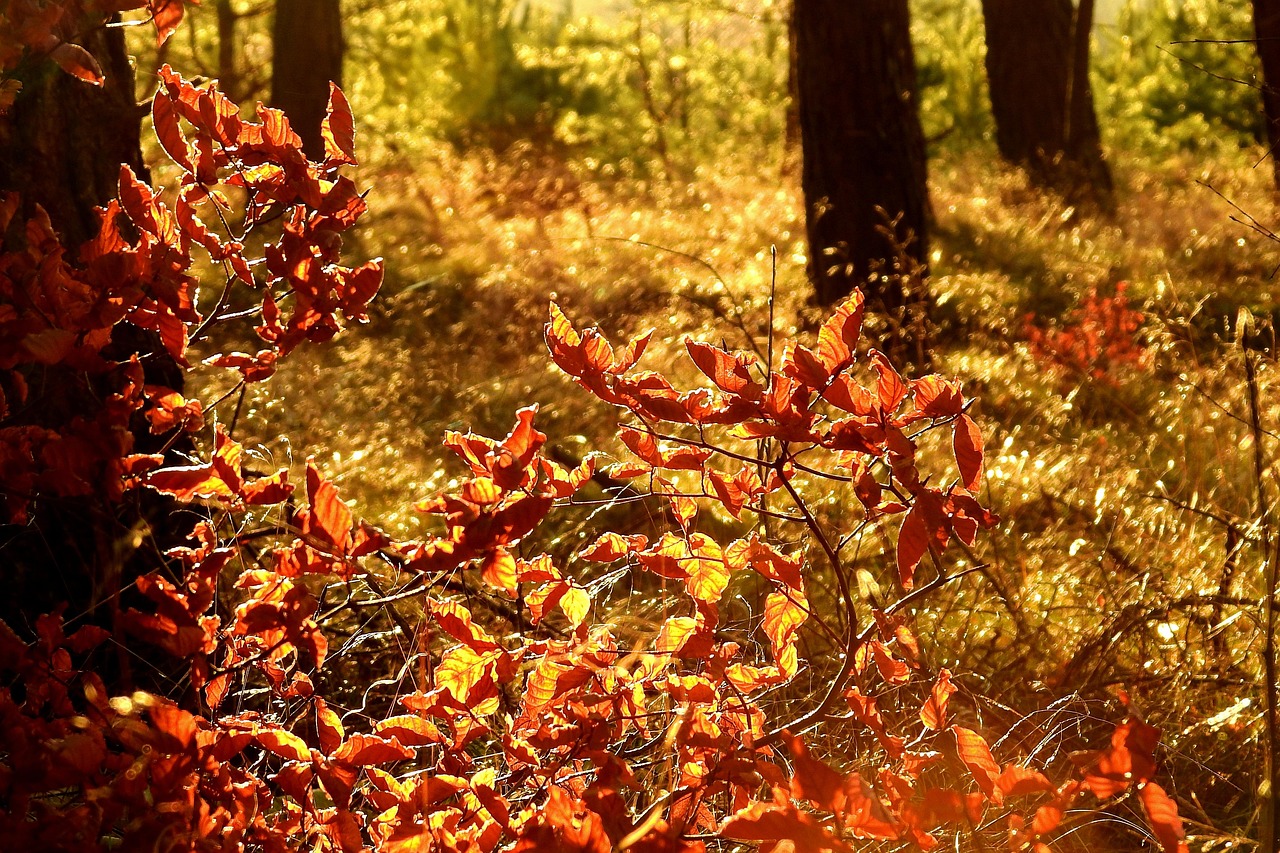
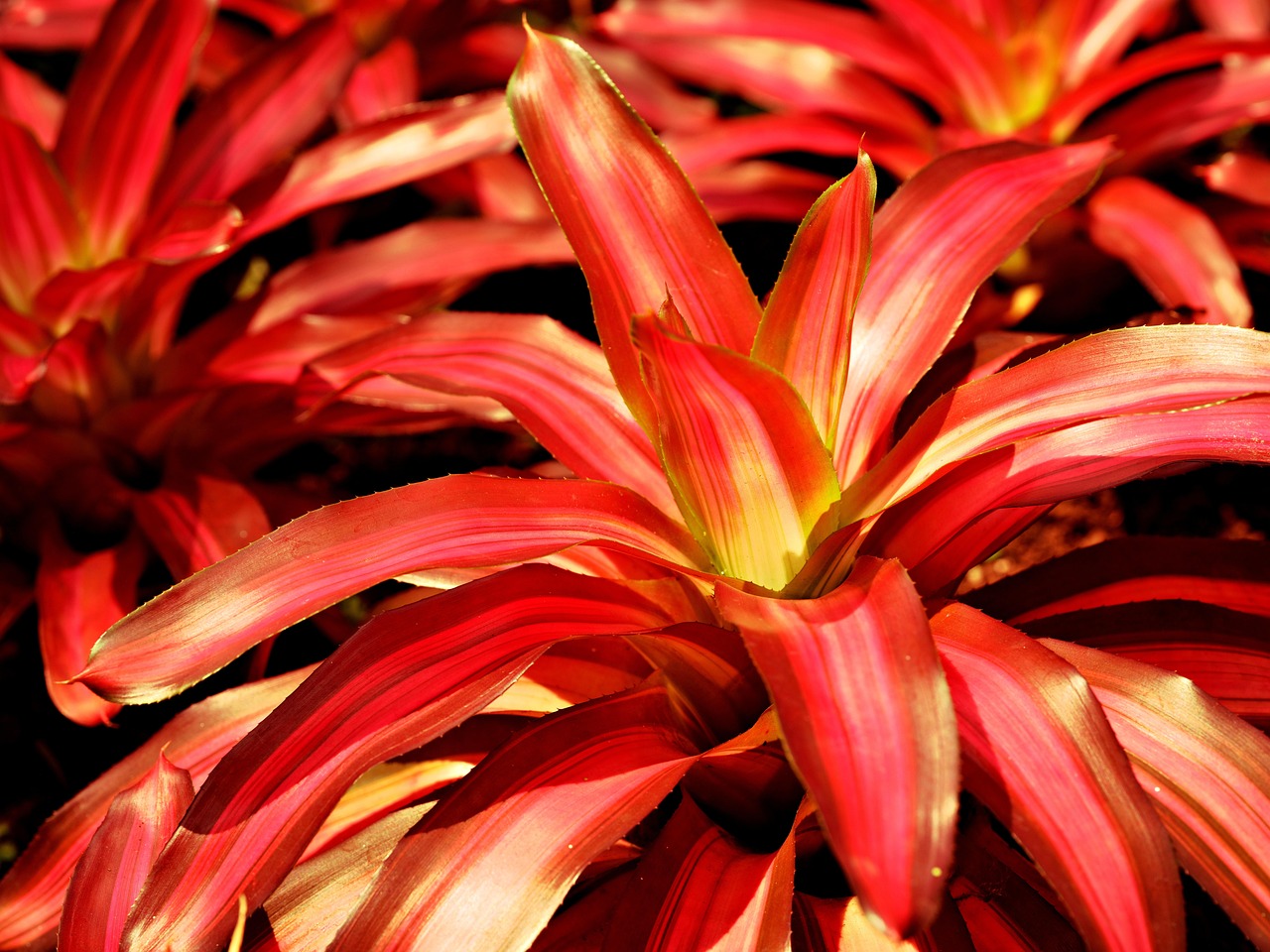
Wichí ancestral weaving is more than a craft; it is a sensory journey that begins on the forest floor with the chaguar. To the uninitiated, the chaguar is a perilous bromeliad, its long, succulent leaves armed with hooked spines that can tear through clothing. Yet, to a Wichí weaver, these leaves hold the "soul" of the forest—a resilient fiber that, once tamed, becomes the medium for their history.
The Chaguar: From Thorny Leaf to Thread
The creation of a Wichí textile is a labor of immense patience and physical grit. It begins with an expedition. Groups of women trek deep into the bush, wielding machetes to harvest the inner leaves of the wild chaguar. They select only the mature plants, ensuring the forest remains fertile—a practice of sustainable textile traditions that has preserved the Gran Chaco for generations.
Once harvested, the transformation is a multi-stage alchemy of the senses:
- Defibering: Using their hands and simple tools, the women strip the green outer skin of the leaf to reveal the creamy white fibers within. This is often done near the harvest site to lighten the load for the trek back.
- Drying and Bleaching: The raw fibers are spread under the intense Chaco sun. The heat bleaches the strands to a bone-white hue, readying them for the spinning process.
- Spinning: This is the most rhythmic stage. A weaver sits on the ground, rolling the fibers against her thigh with a mixture of wood ash. The friction creates a strong, even thread. It is a slow, meditative process; a single small bag can require miles of hand-spun yarn.
- Dyeing: The palette of the Wichí is the palette of the earth. Colors are derived entirely from the forest—soot for blacks, the bark of the carob tree for deep browns, and the roots of the mistol for warm ochres and reds.
"We do not just make bags," a weaver from the La Puntana community once told me while her hands moved with a blur of practiced grace. "We are pulling the colors of the trees into the thread so the forest can live inside our homes."
Decoding the Motifs: A Language in Fiber
To look at a Wichí textile is to read a map of the Chaco’s soul. The geometric patterns are not merely decorative; they are a non-verbal language that has survived colonization and modernization. These motifs, passed down from mother to daughter, communicate the community’s relationship with the creatures and spirits of the wild.
In the world of Wichí weaving, the yica (a traditional rectangular bag) serves as the primary canvas. The complexity of the weave—ranging from the dense punto antiguo (ancient stitch) to the more flexible, looped punto yika—determines how the story is told.
| Motif Name | Wichí Name | Significance |
|---|---|---|
| Owl Eyes | Leitán l’atés | A protective symbol used to watch over the home and ward off ill spirits. |
| Falcon Claws | Carancho garras | Represents the strength and hunting prowess of the carancho bird, a common Chaco raptor. |
| The Path | Lhaka m’at | A zig-zagging line representing the winding paths of the forest, a reminder not to lose one's way physically or spiritually. |
| Skin of the Snake | Amay l’atés | Symbolizes transformation, shedding the old, and the fluidity of life. |
These patterns represent a "collective meditation," where the weaver’s internal state and the external environment merge into a singular piece of art. When you hold a piece of chaguar fiber art, you are holding a piece of indigenous philosophy.
The Silät Collective: Weaving a New Future
In recent years, a quiet revolution has taken place in the remote communities of Alto la Sierra and La Puntana. Traditionally, Wichí textiles were utilitarian—bags for gathering fruit or nets for fishing. However, under the leadership of visionary artist Claudia Alarcón, these traditional skills have been reimagined as high-concept fine art.
The Silät collective is at the heart of this movement. Comprising over 100 intergenerational Wichí women weavers, Silät has bridged the gap between the rural Salta province and the international art world. Alarcón’s work involves creating large-scale tapestries that maintain traditional techniques while pushing the boundaries of scale and composition.
The impact of this collective is profound:
- Cultural Preservation: By making weaving a prestigious and economically viable career, the collective encourages younger women to master the complex chaguar techniques.
- Economic Independence: The income from these high-end sales provides a crucial lifeline for families in one of Argentina’s most impoverished regions.
- Global Visibility: In 2022 and 2024, works by Alarcón and the Silät collective were showcased at the Venice Biennale, marking a historic moment where Wichí voices were heard on the world’s most prestigious artistic stage.

This shift from "craft" to "fine art" has not diluted the tradition; rather, it has amplified it. These large-scale works allow the intricate details of the chaguar fiber to be appreciated as a complex linguistic system, much like a canvas or a manuscript.
Where to Experience and Support Wichí Art
For the traveler visiting Salta, seeking out authentic Wichí art is a way to engage with the region’s heritage responsibly. While the Gran Chaco is difficult to navigate for the casual visitor, the city of Salta offers several ethical gateways to this culture.
In Salta City
- Mercado Artesanal de Salta: Located in a historic 19th-century mill, this is a must-visit. Look for the boutique managed by Luisa Perez and Marcela Gomez, which specializes in high-quality Wichí textiles. Here, you can find everything from traditional yicas to modern home decor.
- Centro Cultural de Pueblos Originarios: This center often hosts exhibitions and workshops where you can see the weaving process firsthand and learn about the indigenous artists of Salta, Argentina.
Ethical Purchasing
When buying chaguar art, it is vital to ensure the proceeds return to the community. Look for certification from nonprofits like Alianza Wichí or Thañí (Viene del Monte). These organizations ensure fair wages and support the reforestation of the chaguar plant.
Travel Tips
The best time to explore the cultural landscapes of Northern Argentina is during the Spring (September to November) or Autumn (March to May). The weather is temperate, avoiding the brutal summer heat of the Chaco and the winter chills of the Andean highlands.

FAQ: Understanding Wichí Textiles
How can I tell if a textile is made of genuine chaguar? Genuine chaguar has a distinct, earthy scent and a slightly rustic, "toothy" texture. Unlike synthetic fibers, it feels cool to the touch and has subtle variations in color due to the natural dyeing process. If the colors are overly bright or neon, it is likely not authentic Wichí work.
Are the textiles durable? Incredibly so. Chaguar fiber is naturally resistant to water and decay. Traditionally, these bags were used to carry heavy loads of forest fruit and fish. With proper care (avoiding harsh chemicals and direct prolonged sunlight), a Wichí tapestry can last a lifetime.
Why is it called "El Impenetrable"? The name refers to the dense, thorny vegetation of the Gran Chaco, which made it nearly impossible for colonial explorers to navigate. This natural fortress is precisely what allowed the Wichí people to preserve their language and art forms so effectively.
The Resilience of the Thread
In an era of fast fashion and digital disconnection, the Wichí weavers remind us of the value of slowness. Their art is a testament to the fact that something as simple as a wild forest plant, when touched by the patience of a mother and the wisdom of an ancestor, can become a masterpiece.
When you run your fingers across the ochre-hued threads of a chaguar weaving, you aren't just touching fabric. You are touching the resilience of the Gran Chaco, the strength of the Silät collective, and a story that has been whispered through the thorns for thousands of years. By bringing these pieces into our homes, we help ensure that the "owl eyes" of the Wichí continue to watch over the forest for generations to come.