Quick Facts
- The Schedule: Expect a split shift, starting at 8:00 AM for deep cleaning, a mid-day break for exploration or rest, and an evening shift for turndowns, often totaling 10–15 hours of labor daily.
- The Paycheck: While base salaries are modest, high-end Swiss contracts allow crew to earn between €200 and €400 per week in tips alone, potentially adding €1,600 to your monthly take-home during peak seasons.
- The Grind: This isn't a vacation. Housekeeping staff typically work between 70 to 105 hours per week without a single day off for the duration of a 4-to-6-month contract.
- The Lifestyle: Living quarters are tight—think 120 square feet shared with a roommate—but the "office view" changes daily, from the castles of the Rhine to the vineyards of the Wachau Valley.
Introduction: The Hidden World Behind the Boutique Service
I’ve spent my life trekking through the Andes and navigating the remote corners of Southeast Asia, but I’ve always been fascinated by the "hidden engines" that make luxury travel possible. When you step onto a luxury river cruise ship—one of those sleek, boutique vessels carrying 110 to 150 guests through the heart of Europe—everything feels effortless. The glass of Riesling appears just as you want it; the linens in your stateroom are perpetually crisp.
But beneath the Swarovski chandeliers and the sun decks lies a world most guests never see: the "I-95." That’s crew-speak for the long, narrow central corridor on the lower deck that connects the engine room to the laundry, the galley, and the crew cabins. For a river cruise housekeeper, this corridor is the artery of a high-intensity, high-reward lifestyle.
For many who join the crew, it’s about more than just a job; it’s a therapeutic exercise in precision and a ticket to a debt-free future. I recently sat down with veterans of the river to understand the "dance of precision" required to keep a five-star floating hotel running. It’s a world where "making the bed" is an Olympic sport and the phrase "submarine disease" is a very real occupational hazard.
The Daily Grind: A 15-Hour Dance of Precision
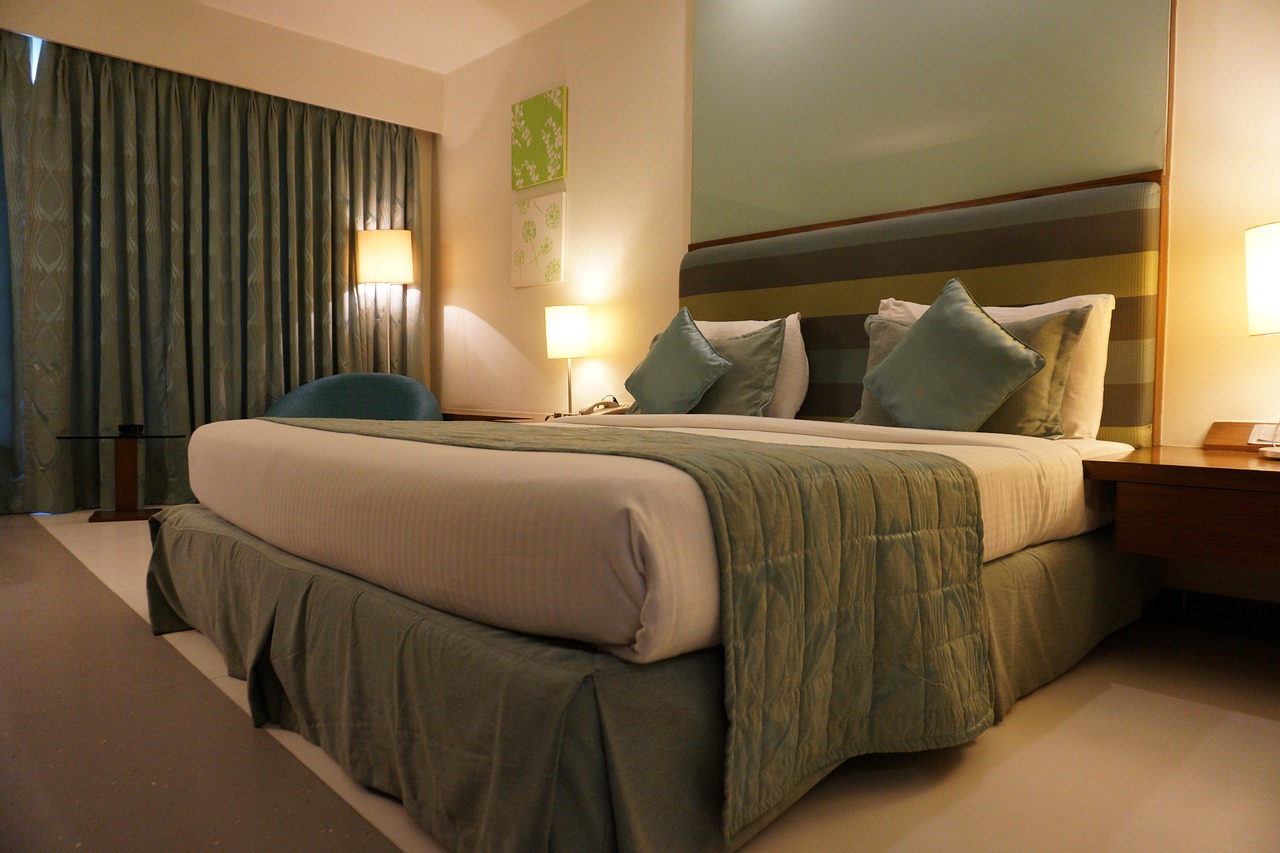
A typical day for a river cruise housekeeper is a marathon of split shifts. You don’t just "clean rooms"; you manage a high-stakes environment where the guest’s luxury experience depends entirely on your speed and attention to detail.
Morning (8:00 AM - 1:30 PM): The Blitz The day begins when the guests head off for their morning shore excursions in places like Cologne or Vienna. As soon as the gangway is clear, the housekeeping team descends. This is the "Deep Clean" phase. You have a window of about four to five hours to flip 10 to 12 staterooms. This involves stripping linens, disinfecting bathrooms until they sparkle, and vacuuming every square inch of the carpet. There is no room for error; a single hair left in a drain or a smudge on a balcony window can result in a negative comment card, which directly impacts your bonus.
The Mid-Day Break: Freedom in Boppard One of the unique perks of river cruising—unlike ocean cruising—is that you are almost always docked. Between 1:30 PM and 6:30 PM, the "split" happens. Most of the crew uses this time to catch up on sleep, but the adventurous ones hit the pavement.
Editor’s Tip: If you’re working the Rhine, use your afternoon break in Boppard to take the chairlift up to the Vierseenblick. The fresh air is the best cure for the "below-deck blues."
Evening Service (6:30 PM - Late): The Finishing Touches When guests return for dinner, the second half of the shift begins. This is "Turndown Service." It’s less about heavy cleaning and more about atmosphere. We dim the lights, place the "pillow gifts" (often local chocolates or the next day's itinerary), and ensure the minibar is stocked.
However, the job often bleeds into "auxiliary tasks." If the restaurant is short-staffed or it’s a Gala Night, housekeepers are often called to polish thousands of pieces of silver cutlery or help fold napkins into elaborate swans until the last guest finishes their dessert.
| Task Category | Morning Service (8:00 AM - 1:30 PM) | Evening Service (6:30 PM - Late) |
|---|---|---|
| Cleaning Intensity | High (Deep scrubbing, vacuuming) | Low (Light dusting, tidying) |
| Guest Interaction | Minimal (Guests are on tours) | Moderate (Exchanging pleasantries) |
| Focus | Efficiency and Sanitize | Ambiance and Comfort |
| Laundry Duty | Heavy (Bags of linens and towels) | Light (Personal guest laundry delivery) |
Money and Contracts: What You Actually Take Home
Let’s talk numbers, because nobody signs up for a 70-to-105-hour work week just for the scenery. The financial structure of river cruising is unique, especially if you land a Swiss Contract. These are the gold standard in the industry, offering better social security benefits and higher base pay compared to some other regional agreements.
Base Salary vs. Tips Your base salary is your "survival" money, but the tips are your "wealth" money. On a luxury line like Uniworld or Viking, guests often pay a prepaid gratuity, which is distributed among the crew. However, the "personal tips"—the cash left in envelopes at the end of a cruise—are where housekeepers truly thrive.
Salary Spotlight: A housekeeper on a high-end European river cruise typically earns a base salary of around €1,200 to €1,500. However, when you add in the combined general and personal tips, most crew members report taking home an additional €200 to €400 per week. In peak months (May through September), a hardworking cabin steward can supplement their income by up to €1,600 monthly in tips alone.
Because your room, board, and food are entirely covered, almost 100% of this money can be sent home or saved. For many crew members from Eastern Europe, Southeast Asia, or South America, two or three seasons on the river can fund the construction of a house or a university education for their children.
Life Below Deck: 120 Square Feet of Reality
While the guests enjoy floor-to-ceiling windows and marble bathrooms, the crew reality is a bit more... cozy. Most crew cabins are roughly 120 square feet, featuring bunk beds, a tiny desk, and a "wet room" style bathroom where the shower and toilet occupy the same square meter. Privacy is a luxury; most beds come equipped with a "privacy curtain," which becomes your only personal sanctuary.
The Crew Mess: A Global Melting Pot The heart of the ship isn't the lounge—it's the Crew Mess. This is where the hierarchy disappears. You’ll find housekeepers from the Philippines sharing a meal with a Serbian bartender or a French chef. The food here is often different from the guest buffet—spicier, more authentic, and designed to provide a "taste of home" for the international crew.
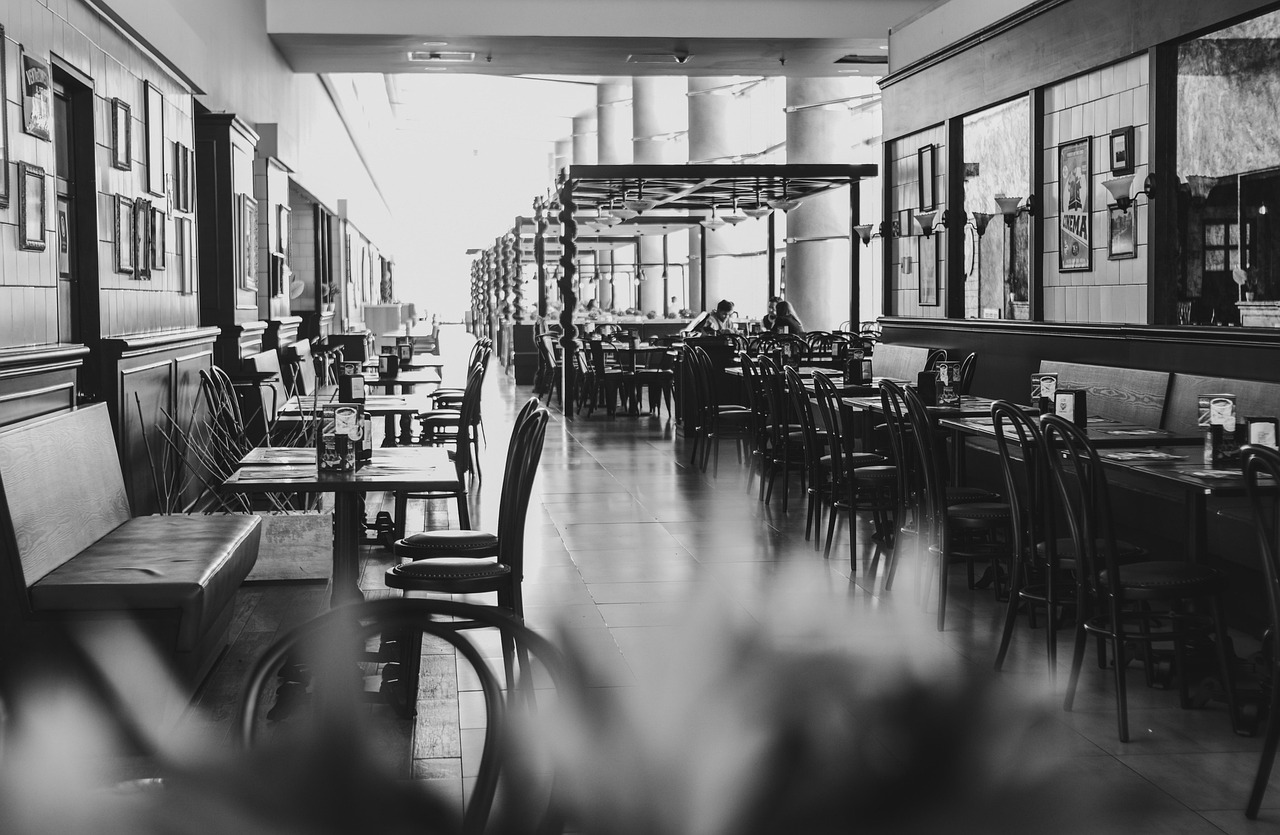
Socializing is the glue that keeps the crew together. When the shift ends at 10:00 PM or 11:00 PM, the "Crew Bar" opens. Whether it's a themed karaoke night or just a quiet beer after a grueling day, this is where the "river family" is formed. These bonds are intense because you are living and working with the same people 24/7 for months on end.
The Hard Truths: Physical Toll and 'Submarine Disease'
We have to be honest: this life isn't for everyone. The physical demand is relentless. You are on your feet for 10 to 15 hours a day, often lifting heavy mattresses or carrying laundry bags down narrow stairs. Your hands will be dry from cleaning chemicals, and your back will ache from the constant bending.
Then there’s the mental challenge—what we call "Submarine Disease." It’s a feeling of claustrophobia and disconnection from the outside world. Because you are working seven days a week, the days blur together. You might wake up in Linz and go to sleep in Passau without ever having seen the sun if it was a particularly busy day in the laundry room.

The hardest part for most is the emotional toll of long-term separation. Being away from family for six months at a time, missing birthdays, and relying on spotty Wi-Fi to see your children's faces is the price paid for the financial "end game."
Why We Do It: The Perks of the River
So, why do people keep coming back season after season? It’s the magic of the river. Unlike ocean tankers that spend days at sea, a river ship is always "in the thick of it."
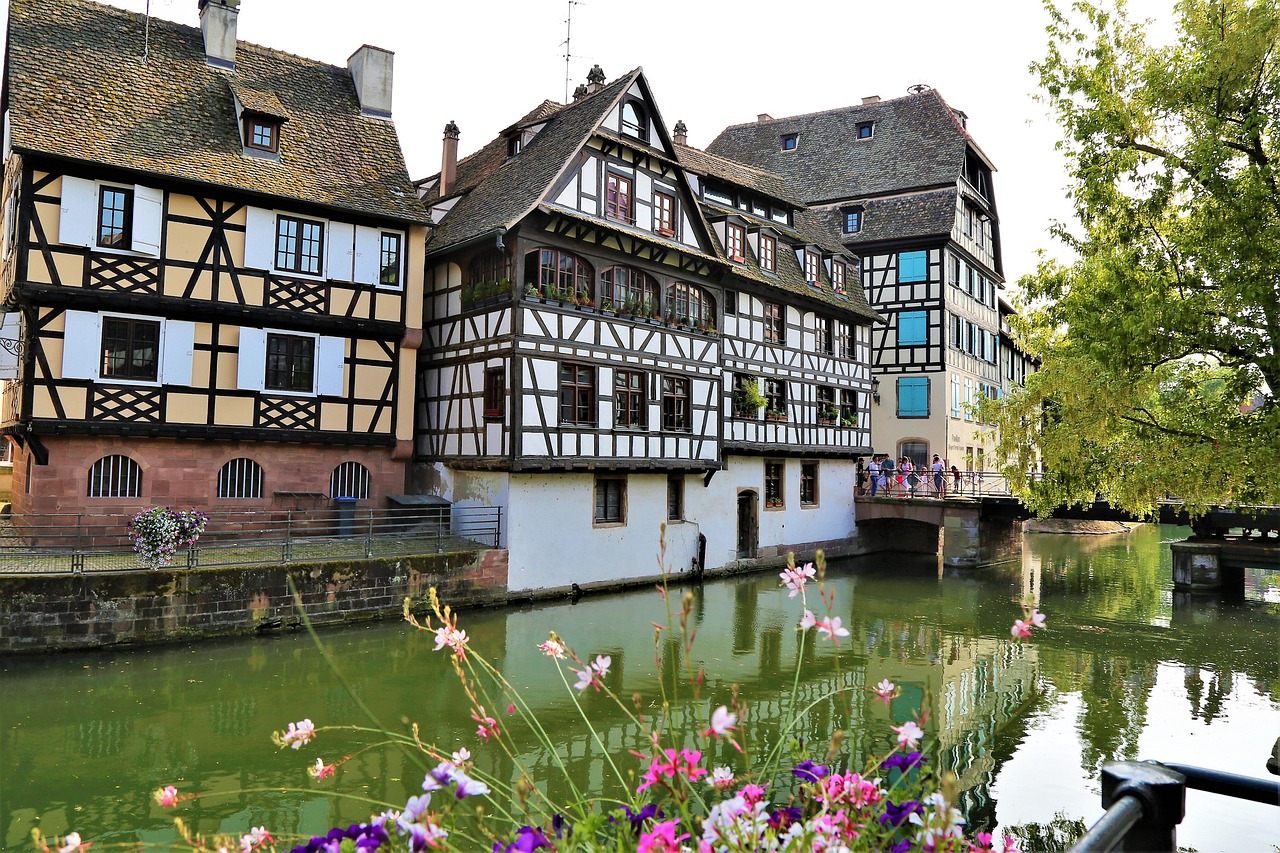
Your "office" moves through the most beautiful landscapes on Earth. One day you’re walking through the timber-framed streets of Strasbourg, and the next, you’re looking at the crumbling ruins of Dürnstein Castle. For a housekeeper with an adventurous spirit, these small windows of exploration are pure gold.
There’s also the personal transformation. I’ve seen shy, introverted crew members become confident, extroverted "people persons" after a few months of guest interaction. You learn to read people, to anticipate needs before they are voiced, and to maintain a smile even when you’re exhausted. That’s a life skill that pays dividends long after you leave the ship.
Tips for Aspiring Crew and First-Time Cruisers
If you’re thinking about applying for a role in luxury river cruise housekeeping, or if you’re a guest wondering how to make your steward’s life easier, here is some practical advice:
For Aspiring Crew:
- Language is Key: While English is the universal language of the river, knowing basic German is a massive advantage, especially on lines like A-Rosa or Nicko Cruises.
- Pick the Right Line: Viking is known for its massive fleet and career progression; Uniworld is known for its incredible luxury and higher tip potential; AmaWaterways is often cited as having the best "family-feel" culture.
- Apply Early: The hiring season usually peaks in January and February for a March/April start. Use reputable agencies like Connect Jobs or apply directly on the cruise line's career page.
For Guests:
- It’s Not Just the Tip: While the money is appreciated, small gestures matter. A "thank you" note or a leftover box of local pastries goes a long way.
- Tidy Up: You don't need to clean the room, but simply keeping your clothes off the floor allows the housekeeper to focus on the deep cleaning that matters.
- The Power of the Comment Card: If your housekeeper did a great job, mention them by name on the end-of-cruise survey. This often leads to "Crew Member of the Month" bonuses and better promotion prospects.
FAQ
Q: Do I need prior experience to work in river cruise housekeeping? A: While prior hospitality experience is preferred, many lines value attitude and work ethic over a long resume. If you are physically fit, have a basic grasp of English, and are willing to work hard, you have a high chance of being hired.
Q: Can I choose which river I sail on? A: Usually, the cruise line assigns you based on where the need is. However, after your first successful season, you can often request specific routes like the Danube, the Rhine, or the Douro.
Q: Is there any time off during the contract? A: Typically, no. You work every day. However, most contracts include "vacation days" that accrue over time, allowing you to take a paid 2-week break in the middle of a long season.
Ready to Set Sail?
Whether you're looking to fund your next big expedition or simply want to experience Europe from the inside out, the life of a luxury river cruise housekeeper is a masterclass in resilience and adventure. It’s hard work, no doubt—but the rewards, both financial and experiential, are as vast as the rivers themselves.
If you’re ready to start your journey on the water, check out the latest openings at the industry’s top employers:
Join the Viking Crew → Explore Uniworld Careers →
Stay adventurous, keep your corners tucked, and I’ll see you on the river.