Quick Facts
- The Verdict: The Oura Ring 4 is the premier choice for individuals seeking high-accuracy health data in a discreet, screen-free form factor, though the recurring subscription remains a significant consideration.
- Key Upgrade: The transition from Gen 3 to Gen 4 introduces "Smart Sensing" technology, utilizing 18 signal paths (up from 3) to significantly improve data accuracy across diverse finger shapes and skin tones.
- Battery & Build: Features a fully recessed sensor interior, an all-titanium exterior, 100-meter water resistance, and a battery life that consistently reaches 6 to 7 days.
- The Cost: Hardware starts at $349, with a mandatory $5.99/monthly subscription required to access long-term trends and detailed health metrics.
The Viral Status vs. Real-World Utility
In the world of wearable technology, few devices have achieved the "status symbol" level of the Oura Ring. Once a niche tool for bio-hackers, it has transitioned into a staple for corporate executives, professional athletes, and the frequent-flying elite. As a travel critic who spends half the year crossing time zones, I’ve often found bulky smartwatches to be a hindrance to sleep and a distraction during formal engagements. The Oura Ring promises a solution: invisible technology that tracks everything without demanding your attention.
However, the primary question for 2025 isn’t whether the Oura Ring is fashionable—its ubiquity on the fingers of Silicon Valley and Hollywood has already answered that. The question is whether the Oura Ring 4 offers enough of a technological leap over its predecessor and its burgeoning competition to justify its premium price tag and ongoing subscription fee. After extensive testing, the answer is a nuanced "yes," but only if you value the specific intersection of aesthetics and high-fidelity data.
Oura Ring Gen 3 vs. Gen 4: What’s New?
The shift from the Oura Ring Gen 3 to the Oura Ring 4 is less about a radical aesthetic overhaul and more about sophisticated internal engineering. The most immediate physical change is the interior. While the Gen 3 featured visible plastic sensor bumps that could occasionally irritate the skin or require precise alignment, the Gen 4 is completely smooth. The sensors are now recessed behind a seamless titanium interior.
The core of the upgrade is "Smart Sensing" technology. In previous models, data accuracy relied heavily on the ring staying perfectly centered on the finger. The Gen 4 expands the number of signal paths from 3 to 18. This means that even if the ring rotates during sleep or exercise, the device can find a clear path to your capillaries to maintain an accurate reading.
| Feature | Oura Ring Gen 3 | Oura Ring 4 |
|---|---|---|
| Material | Titanium shell / Plastic inner | 100% Aerospace-grade Titanium |
| Sensor Design | Raised LED bumps | Fully recessed (Flat interior) |
| Signal Paths | 3 | 18 (Smart Sensing Tech) |
| Battery Life | 4–5 Days | 6–7 Days |
| Size Range | 6–13 | 4–15 |
| Accuracy | High | Superior (specifically for SpO2 and HR) |
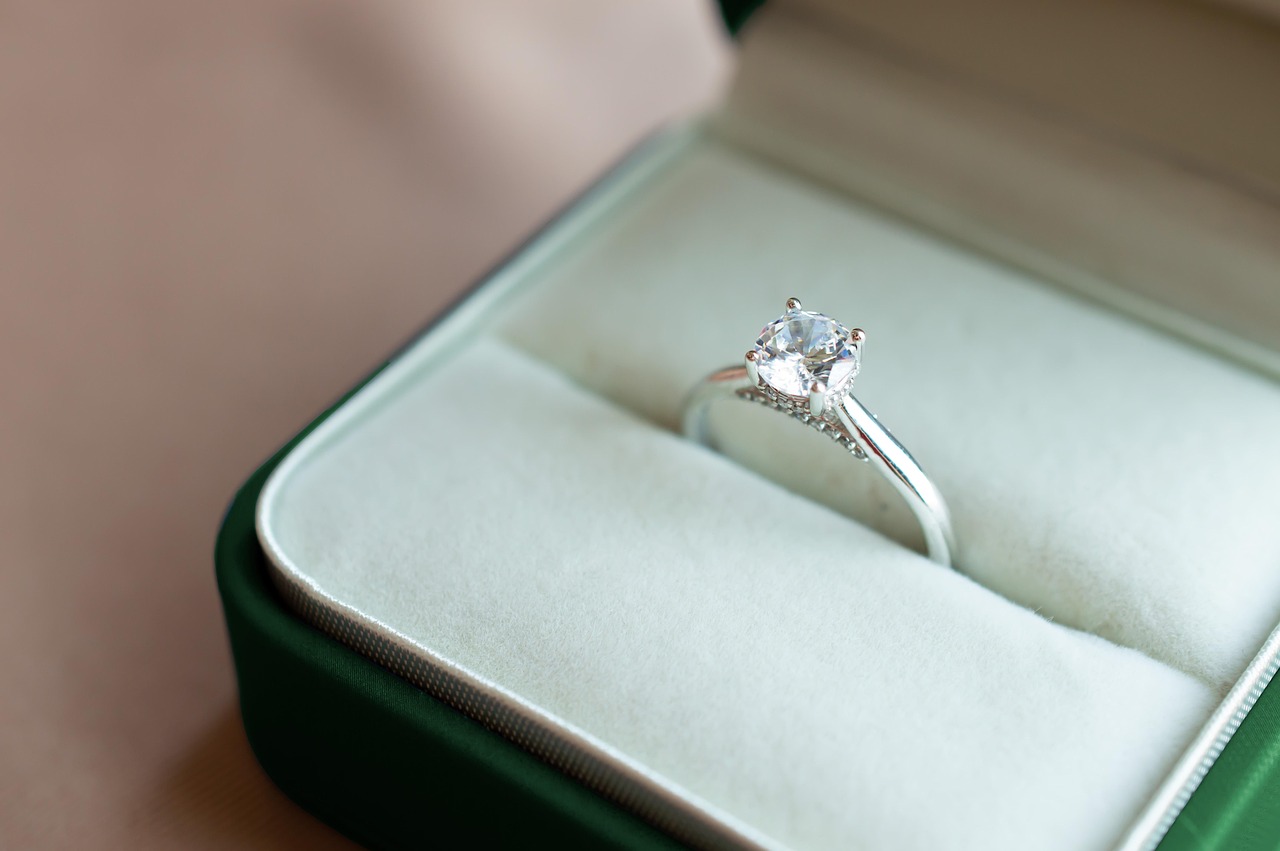
The sizing kit remains an essential part of the process. With the expanded range (sizes 4–15), Oura has made the device accessible to a much broader demographic. For the frequent traveler, the move to a fully titanium build is a welcome durability upgrade, easily surviving the rigors of luggage handling and security bins.
Sleep Tracking: The Gold Standard
If Oura has a "killer app," it is sleep tracking. While the Apple Watch and Garmin have made strides, Oura remains the benchmark for translating complex nocturnal data into actionable advice. The Ring 4 monitors heart rate, heart rate variability (HRV), respiratory rate, and blood oxygen levels (SpO2) with medical-grade ambition.
Oura’s 2025 global data provides a fascinating benchmark for users: female members currently log an average of 7.24 hours of sleep, compared to 6.8 hours for male members. When I wore the ring during a recent trip across eight time zones, the "Sleep Score" became my most-consulted metric. It doesn't just tell you how long you slept; it tells you how efficient that sleep was.
The SpO2 monitoring is particularly impressive in the Gen 4. Because of the increased signal paths, the "breathing disturbances" metric—often an early indicator of sleep apnea or environmental issues like high altitude—is far more stable than in the Gen 3. The device gamifies rest in a way that feels productive rather than stressful, encouraging you to hit "optimal" windows for sleep consistency.

Readiness & Stress Management
The "Readiness Score" is Oura’s proprietary way of telling you how much "load" your body can handle on a given day. It synthesizes your recent sleep, activity, and physiological stress. For a critic often dealing with the physical toll of long-haul flights and erratic schedules, the Symptom Radar is perhaps the most valuable feature. It can often detect a rise in body temperature and a drop in HRV days before you actually feel "sick."
In the Gen 4, Oura has doubled down on Daytime Stress and Cardiovascular Age (CVA). The CVA metric is a long-term health insight that compares your vascular stiffness to your chronological age. It’s a sobering but useful data point for anyone looking at health through a decadal lens rather than just a daily one.
The stress tracking is equally sophisticated. It differentiates between "Restored" states (when your body is actively recovering) and "Stress" states (physiological strain). It’s important to note that the ring tracks physiological stress—it doesn't know you're stressed because of a work email, but it sees your heart rate elevation and HRV suppression as a result of it.
Activity & Fitness: The Compromise
This is where the Oura Ring 4 faces its steepest criticism. While the ring is excellent at "Automatic Activity Detection" for walks, runs, and even some household chores, it is not a replacement for a dedicated sports watch like a Garmin or an Apple Watch Ultra.
The primary limitation is physical. Wearing a titanium ring while lifting heavy weights is not only uncomfortable but can lead to significant scratching on the ring’s finish. Furthermore, the ring lacks a GPS and a screen. If you are a runner who needs to see your "split" in real-time, the Oura Ring will frustrate you.
However, for general wellness, it excels. It tracks "active calories" and steps with a high degree of reliability. The Gen 4 has improved the heart rate tracking during exercise, reducing the "gaps" in data that plagued earlier versions. But let’s be clear: the Oura Ring 4 is a health tracker first and a fitness tracker second.

The Cost of Ownership: The Subscription Model
We must address the elephant in the room. To truly "own" the Oura experience, you must be prepared for a two-tier cost structure. The hardware itself is a premium purchase, ranging from $349 for the standard finishes to $499 for the more "boutique" colors like Rose Gold.
After the initial purchase, the Oura App—where all the data processing and insights live—requires a monthly subscription of approximately $5.99. Without this subscription, the ring provides only basic scores for the day without any historical trends, detailed sleep staging, or advanced metrics like Cardiovascular Age or Symptom Radar.
For many, this is a dealbreaker. Competitors like the Ultrahuman Ring Air and the Samsung Galaxy Ring offer a "no-subscription" model. However, having tested those alternatives, I find that Oura’s software is significantly more refined, its data interpretation is more accurate, and its ecosystem is more mature. You are paying for the quality of the insights, not just the storage of the data.
Real-World Usability
One of the most significant advantages of the Oura Ring 4 is its battery life. In my testing, the ring consistently lasted 6 full days, even with all features (including blood oxygen sensing) turned on. Charging is relatively quick, taking about 60 to 80 minutes to go from 0% to 100%.
The comfort level is where the Gen 4 truly shines. Because the interior is flat and the ring is slightly thinner than the Gen 3, it is easy to forget you are wearing it. This "invisible" factor is crucial for long-term compliance. Most people stop wearing smartwatches because they are uncomfortable to sleep in or need to be charged every night. The Oura Ring bypasses both of these hurdles.
Additionally, the ring is water-resistant up to 330 feet (100 meters). Whether you’re swimming in a hotel pool or taking a shower, you never need to take it off. This constant wearability is what allows the data to be so comprehensive; there are no gaps in your health story.

Oura Ring 4 vs. The Competition
When comparing Oura to the broader wearable market, it occupies a unique niche.
- Vs. Apple Watch: The Apple Watch is a communications hub that happens to track health. The Oura Ring is a health lab that happens to be a ring. If you want to be "less connected" to your phone, Oura is the superior choice.
- Vs. Whoop: Whoop is designed for high-performance athletes who care about "Strain." It is worn on a strap and also requires a subscription. Oura is more lifestyle-oriented and significantly more attractive for daily wear.
- Vs. Samsung Galaxy Ring: The Galaxy Ring is a formidable new entrant, especially for Android users, and it lacks a subscription fee. However, Oura’s app remains the gold standard for "interpreting" data into human-readable advice.
Final Verdict: Should You Buy It?
The Oura Ring 4 is an exercise in refinement. It hasn't reinvented the wheel; it has simply perfected it. By smoothing out the interior sensors, increasing the signal paths for better accuracy, and extending the battery life, Oura has solidified its position as the market leader.
Who should buy it?
- The Data-Driven Professional: If you want to optimize your performance and recovery without wearing a glowing screen on your wrist.
- The Frequent Traveler: For those who need to manage jet lag and sleep quality across different environments.
- The Fashion-Conscious: If you want the benefits of a wearable without the "tech-heavy" aesthetic.
Who should skip it?
- The Heavy Lifter: If your primary exercise is CrossFit or bodybuilding, the ring will be a nuisance.
- The Budget-Conscious: If a $5.99/month subscription feels like "subscription fatigue," you may prefer a one-time-purchase alternative.
In 2025, the Oura Ring 4 remains the most sophisticated, accurate, and aesthetically pleasing way to track your health. It is an investment in self-knowledge, and for those who value data-driven wellness, it is absolutely worth it.

FAQ
1. Can I use the Oura Ring 4 without a subscription? Technically, yes, but it is not recommended. Without the $5.99/month subscription, you only receive your basic daily Scores (Sleep, Readiness, Activity) without any of the underlying data, trends, or personalized insights that make the ring valuable.
2. Is the Oura Ring 4 scratch-resistant? The Ring 4 is made of aerospace-grade titanium, which is very durable. However, like any piece of jewelry, the finish (especially the Gold and Stealth versions) can scratch over time if it comes into contact with hard metals, such as gym weights or stainless steel tools.
3. Do I need to buy a new sizing kit if I already have the Gen 3? Yes. Because the interior of the Oura Ring 4 is flat rather than having sensor bumps, the fit is slightly different. Oura recommends using the new Gen 4 sizing kit to ensure the most accurate fit.