Quick Facts
- Historic Milestone: On December 10, 2025, UNESCO officially added Italian cuisine to the Intangible Cultural Heritage list during an assembly in New Delhi.
- A Global First: While individual dishes like pizza or ceviche have been recognized before, this marks the first time an entire nation's cooking tradition has been honored as a whole.
- The Powerhouse Behind the Bid: Maddalena Fossati, editor-in-chief of La Cucina Italiana, led a relentless five-year campaign to secure this recognition.
- Cultural Record: With this addition, Italy now holds a world record of 9 agri-food recognitions out of 21 total intangible traditions.
If you have ever found yourself passionately defending the "correct" way to make a carbonara, or if you believe that a meal isn't just fuel but a sacred social ritual, you are about to feel extremely vindicated. The world has finally caught up to what grandmothers from Lombardy to Sicily have known for centuries: Italian cooking isn't just a collection of recipes; it is the very fabric of human connection.
The Historic Decision in New Delhi
On December 10, 2025, the air in the UNESCO assembly hall in New Delhi was thick with anticipation. Italy stood among 60 applicants from 56 different countries, each vying for a spot on the prestigious Intangible Cultural Heritage list. When the gavel finally fell, the announcement sent ripples through the culinary world. Italy had done it. They hadn't just secured a win for a single dish or a specific regional technique; they had secured a victory for the entire national identity.
This designation is more than just a trophy for the mantelpiece. It solidifies Italy's world record, bringing their tally to 9 agri-food recognitions out of 21 total intangible traditions. But why now? UNESCO recognized Italian cuisine because of its profound emphasis on artisanal techniques, its communal nature, and a deep-seated respect for ingredients that borders on the spiritual. It is a recognition of the "social moments" that foster intergenerational learning—the quiet hours spent rolling pasta dough where life lessons are passed down alongside culinary secrets.
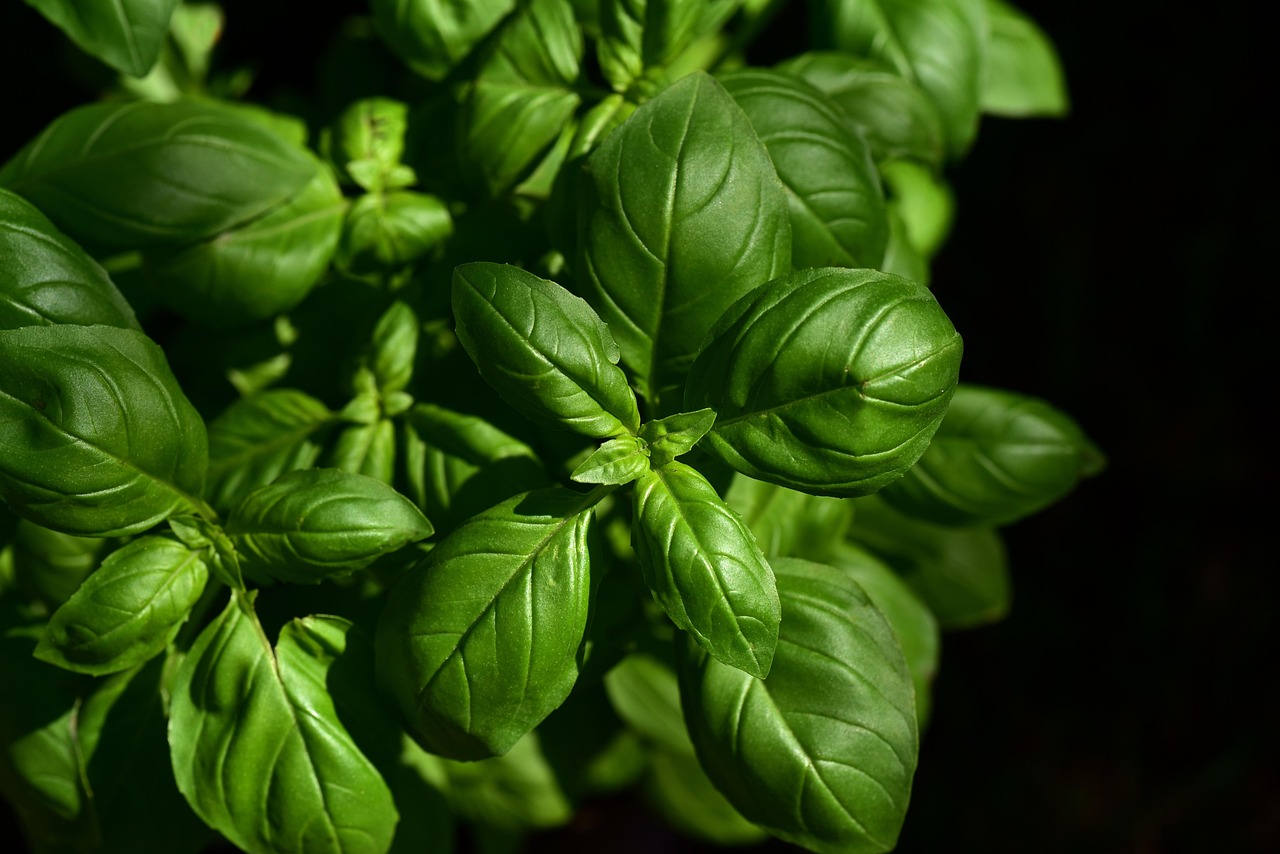
A Global First: Why This Designation is Different
To understand the magnitude of this achievement, one must look at the "Beyond" transitions of UNESCO’s history. In the past, the organization tended to focus on specific, isolated elements of food culture. We saw the recognition of Thai tom yum kung for its medicinal properties and Peruvian ceviche for its coastal significance. However, the 2025 designation for Italy shatters that mold.
Rather than selecting a specific food item, UNESCO honored the "Living Heritage" of the entire country. This concept moves the focus away from the plate and toward the person. It is what culinary experts often call the "hug from a nonna" factor—the intangible warmth and cultural continuity that exists in an Italian kitchen. It is about the "soil and soul," connecting the volcanic earth of the south and the Alpine pastures of the north directly to the shared table.
UNESCO Culinary Recognitions: A Comparison
| Recognition Type | Examples | What is Protected? |
|---|---|---|
| Specific Dish | Thai Tom Yum Kung, Peruvian Ceviche | The specific recipe and localized preparation methods. |
| Cultural Practice | Neapolitan Pizza Twirling | The specific artisanal skill of the Pizzaiuolo. |
| Entire National Cuisine | Italian Cuisine (2025) | The social rituals, biodiversity, artisanal techniques, and intergenerational transmission of the whole country. |
The Driving Force Behind the 5-Year Campaign
Great shifts in cultural history rarely happen by accident. The movement for Italian cuisine’s UNESCO status was a marathon, not a sprint, led by the indomitable Maddalena Fossati. As the editor-in-chief of La Cucina Italiana and the President of the Committee, Fossati spearheaded an official delegation that worked for five consecutive years to bring this case to the global stage.
The inspiration for the bid actually took root during the darkest days of the COVID-19 pandemic. As the world retreated indoors, Italians found solace in their kitchens. The act of cooking became a social safeguard—a way to maintain a sense of community when physical proximity was forbidden. Fossati and her team realized that this "communal nature" was the true heart of Italian heritage. They documented the way cooking served as a bridge between generations, proving to UNESCO that Italian food is a living, breathing entity that protects the social fabric of the nation.
"Italian cuisine is not just about the ingredients; it’s about the hands that touch them and the voices that echo around the table. It is our history, our present, and our gift to the future." — Maddalena Fossati
The Four Pillars of Italian Culinary Identity
UNESCO’s decision wasn’t based on how good the food tastes (though we all know the answer to that). Instead, it focused on four specific pillars that make Italian cooking a unique human treasure.
1. Artisanal Techniques
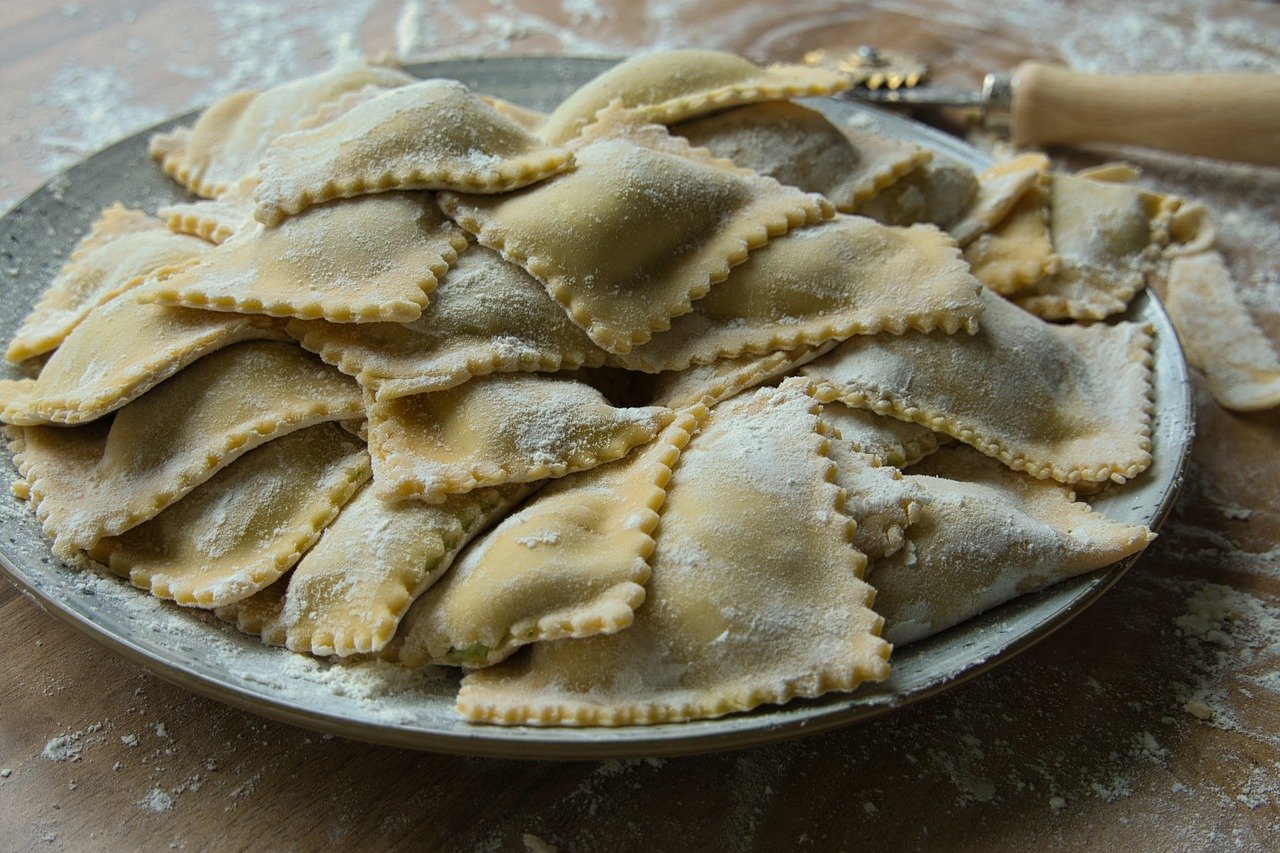
From the rhythmic rolling of fresh egg pasta in Emilia-Romagna to the ancient methods of cold-pressing olives in Puglia, the "how" matters as much as the "what." These techniques are often unwritten, existing in the muscle memory of artisans who have spent decades perfecting their craft.
2. Intergenerational Learning
In Italy, the kitchen is the primary classroom. It is where grandchildren learn the difference between various shapes of pasta and why certain tomatoes are better for sauce than others. This transmission of knowledge ensures that the heritage doesn't become a museum piece but remains a vibrant part of daily life.

3. Social Inclusion
The Italian table is a "social safeguard." It is a place where hierarchies vanish, and the shared moment of the meal fosters inclusion. Whether it’s a village feast or a Sunday family lunch, these communal moments are essential for psychological well-being and social cohesion.
4. Biodiversity and Terroir
Italy’s geography is a patchwork of microclimates. The UNESCO recognition acknowledges the inextricable link between the land—the volcanic soils of Mount Etna, the misty plains of the Po Valley—and the food. Respect for the seasons and the preservation of heirloom ingredients are fundamental to the Italian culinary identity.

Protecting the 'Made in Italy' Brand
Beyond the cultural prestige, the UNESCO status serves a very practical, economic purpose: protection. The global market is flooded with "Italian-sounding" products—counterfeits that use Italian names, flags, and imagery to sell goods that have never touched Italian soil. This "agropiracy" costs the Italian economy billions of euros every year.
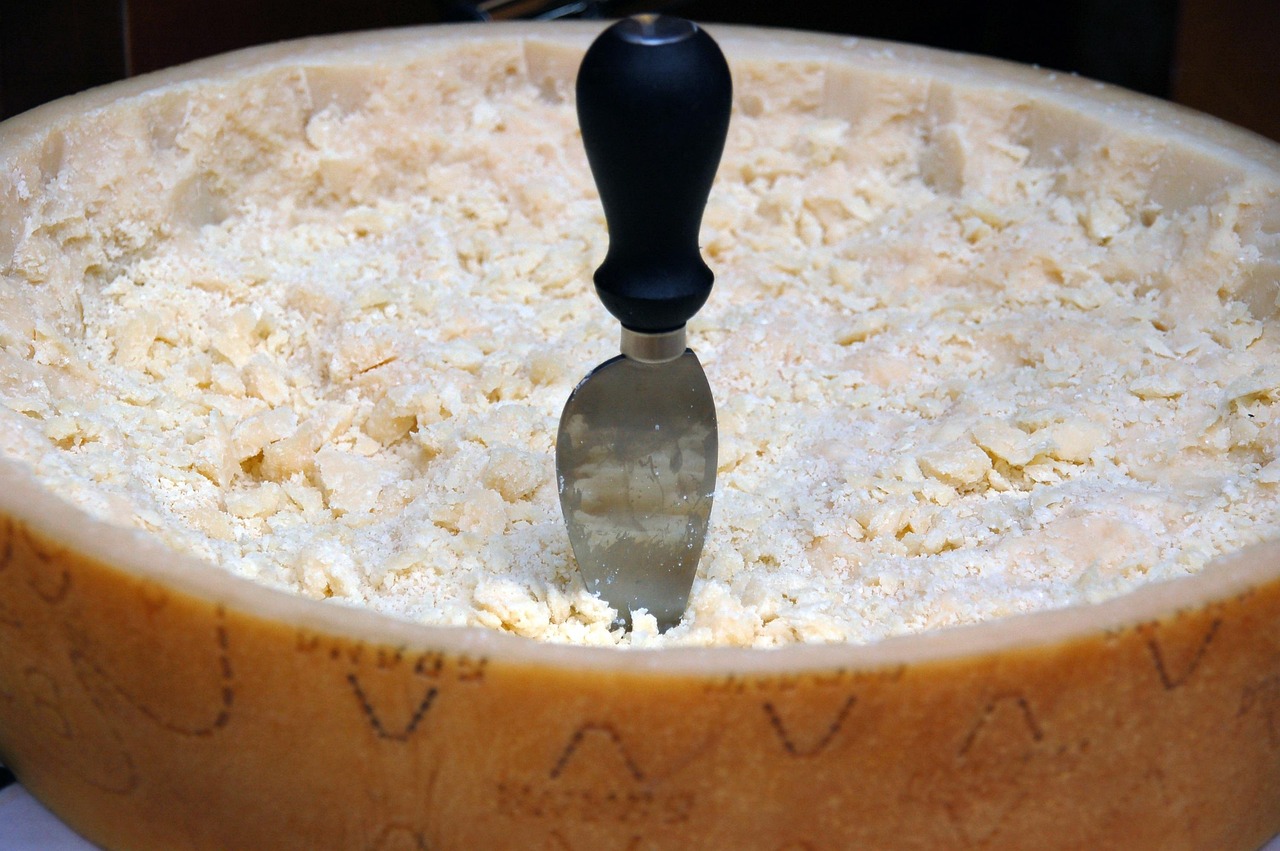
With the new UNESCO designation, Italy gains a powerful tool in the fight for authenticity. It strengthens the mission of "Made in Italy" ambassadors like Eataly and provides further weight to DOP (Protected Designation of Origin) statuses. When you buy Parmigiano Reggiano or Aceto Balsamico di Modena, you aren't just buying groceries; you are supporting a UNESCO-recognized heritage that is now officially part of the world’s cultural treasury.
How to Experience UNESCO-Recognized Traditions
If this news has made you hungry for an authentic experience, there has never been a better time to plan a pilgrimage to the source. To truly appreciate this "Intangible Heritage," you should step away from the tourist traps and seek out the regional staples that define the nation.
- Lazio (Rome): Seek out an authentic Carbonara. Look for places that use guanciale (pork cheek) and pecorino romano, never cream.
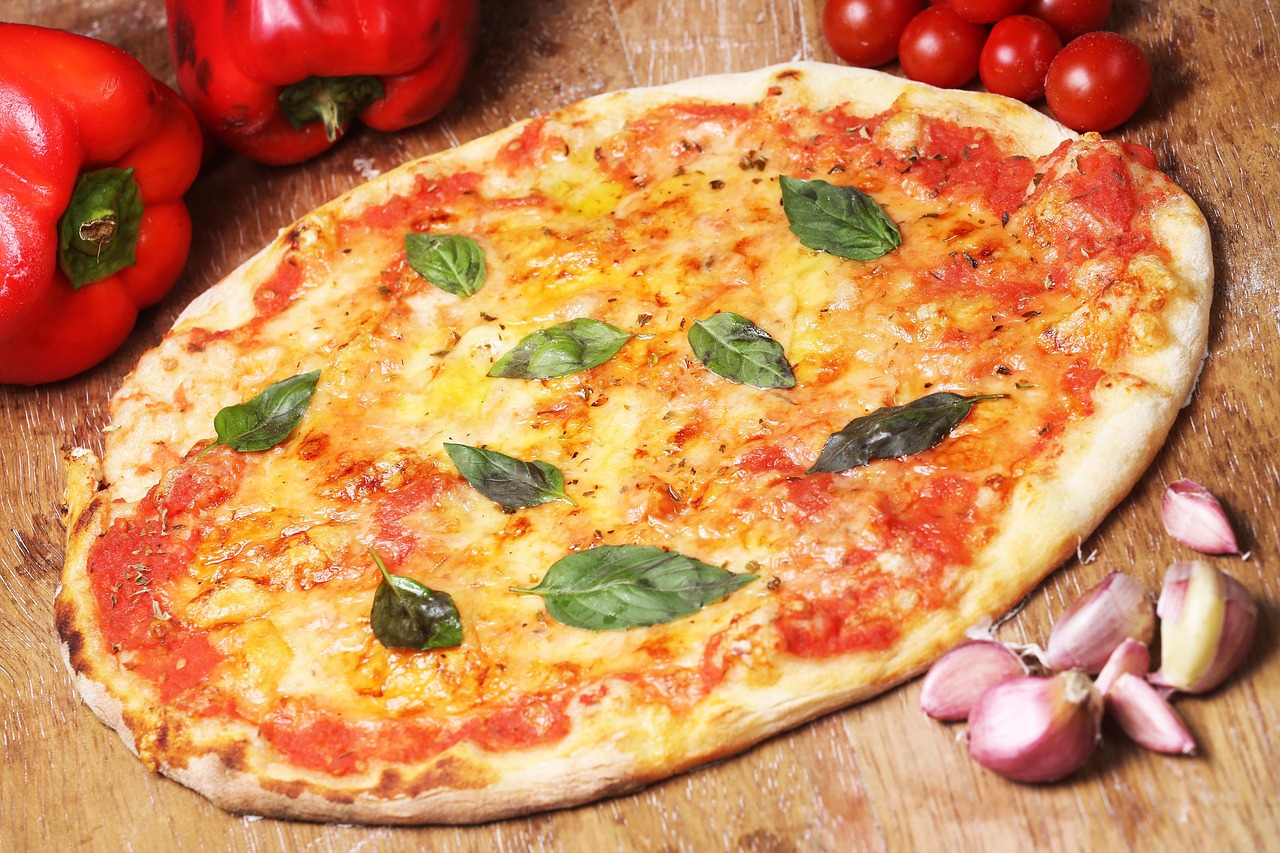
- Campania (Naples): The birthplace of pizza. Experience the Pizzaiuolo tradition where the dough is handled with a dexterity that looks like a choreographed dance.
- Liguria: Taste the fresh, vibrant pesto and the salty, oily perfection of Focaccia di Recco.
- Emilia-Romagna: The "Food Valley" of Italy. This is the place for handmade Tortellini and the world’s finest balsamic vinegar.
Pro Travel Tip: To see the "intergenerational learning" in action, visit during the "shoulder seasons"—April to May or September to October. These are the times of the harvest, from olives to grapes, where you can witness entire families working together in the fields and kitchens, just as they have for centuries.
If you're ready to taste the heritage for yourself, start planning your journey through the heart of Italian flavor.
FAQ
Why was Italian cuisine recognized by UNESCO? UNESCO added Italian cuisine to the Intangible Cultural Heritage list because of its emphasis on artisanal techniques, communal nature, respect for ingredients, and the shared social moments that foster intergenerational learning. It is recognized as a "living heritage" that defines the Italian identity.
Is Italian food the first cuisine to be recognized by UNESCO? While specific dishes like Thai tom yum kung or Peruvian ceviche were previously recognized, the 2025 designation marks the first time UNESCO has honored an entire nation's cuisine as a whole.
Who led the movement for Italian cuisine's UNESCO status? Maddalena Fossati, editor-in-chief of La Cucina Italiana, served as the President of the Committee and led a five-year delegation to secure the recognition.
Celebrate the Heritage
The UNESCO recognition is a reminder that food is the most universal language we speak. It tells the story of who we are, where we came from, and what we value. The next time you sit down at an Italian table, remember that you aren't just eating a meal—you are participating in a world-record-holding tradition of love, craftsmanship, and community.
Share this story with a fellow food lover and let us know: what is the one Italian dish that feels like a "hug" to you?