Quick Facts
- Real-Life Inspiration: The Mangkwan Clan (Ash People) in Avatar: Fire and Ash is directly modeled after the Baining people of New Britain Island, Papua New Guinea.
- The Catalyst: James Cameron encountered this culture in early 2012 during his Deepsea Challenge expedition while exploring the 5-mile deep New Britain Trench.
- Key Visuals: The film’s fire-dancing sequences mirror the Baining ritual where dancers kick embers 20 to 30 feet into the air while wearing bark cloth masks standing 5 to 6 feet tall.
- Release Date: Avatar: Fire and Ash is scheduled to hit theaters on December 19, 2025, introducing a darker, more volatile side of Na'vi culture.
Introduction: The New Na'vi Tribe
When Avatar: Fire and Ash arrives in theaters on December 19, 2025, audiences will be introduced to a side of Pandora never seen before. Moving away from the lush rainforests of the Omatikaya and the shimmering reefs of the Metkayina, James Cameron is set to unveil the Mangkwan Clan, popularly known as the "Ash People." Led by a formidable new character named Varang (played by Oona Chaplin), this tribe represents a "gray area" in Na'vi morality—one forged by the harsh realities of volcanic environments and a complex relationship with fire.
But what real-life culture inspired Avatar: Fire and Ash? The answer lies deep within the mountains of Papua New Guinea. The Mangkwan Clan was directly inspired by the Baining people of New Britain Island. Specifically, it was their traditional fire-dancing rituals and unique bark cloth masks—witnessed by Cameron himself over a decade ago—that provided the visual and spiritual blueprint for this new cinematic culture.
The 2012 Deepsea Challenge: Where it Began
The journey to the Ash People did not begin in a writer's room, but in the crushing depths of the Pacific Ocean. In early 2012, James Cameron was focused on his Deepsea Challenge expedition, a quest to reach the deepest points of the Earth's oceans. Before his historic dive into the Mariana Trench, Cameron and his team spent significant time near Rabaul, Papua New Guinea, to test their custom-built submersible.
Their primary scientific target was the New Britain Trench, an oceanic canyon reaching staggering depths of approximately 5 miles (over 26,000 feet). It was during this period of high-tech exploration that the team took a detour into the ancient traditions of the land above.
The transition from the cutting-edge technology of a 3D-camera-equipped submersible to the highland villages of the Baining people was stark. To document the tribe's rituals, the crew had to haul heavy filming equipment through steep, muddy trails in the tropical heat. This contrast between the pinnacle of modern science and the raw, elemental power of the Baining culture left a lasting impression on Cameron, planting the seeds for the third Avatar installment.

Meeting the Baining People: The Real-Life Ash People
The Baining people live in the Gazelle Peninsula of East New Britain. Unlike many other coastal tribes in Papua New Guinea, the Baining are mountain dwellers who have maintained a distinct cultural identity centered around their environment.
When James Cameron visited for research, he was greeted by an atmosphere of intense, sensual detail: the smell of wood smoke, the rhythmic chanting of the community, and the sight of the bark cloth masks. These masks are not merely costumes; they are spiritual vessels handcrafted from bark cloth stretched over bamboo frames. Often standing between 5 to 6 feet tall, these masks feature large, owl-like eyes and protruding "bills," creating a look that is both mesmerizing and unsettling.
"The masks were otherworldly," noted members of the expedition team. "In the dim light of the fires, they didn't look human. They looked like something that belonged to the land itself, or perhaps another world entirely."
It is this specific "otherworldliness" that Cameron sought to replicate for the Mangkwan Clan. In the film, the Ash People are expected to possess a visual aesthetic that deviates from the "noble" appearance of previous Na'vi tribes, incorporating more rugged, animalistic, and perhaps even "post-nuclear" design elements inspired by the Baining’s craftsmanship.
The Fire Dance Ritual: A Visual Blueprint
The most significant element being adapted for Avatar: Fire and Ash is the Baining Fire Dance. This ritual is traditionally performed to celebrate the birth of new children, the start of the harvest, or to remember the dead.
The ceremony is a masterclass in controlled chaos. As night falls, a massive bonfire is lit. The "orchestra"—a group of men beating bamboo poles on the ground—creates a hypnotic, percussive rhythm. Then, the dancers emerge from the shadows.
The Kicking of Embers
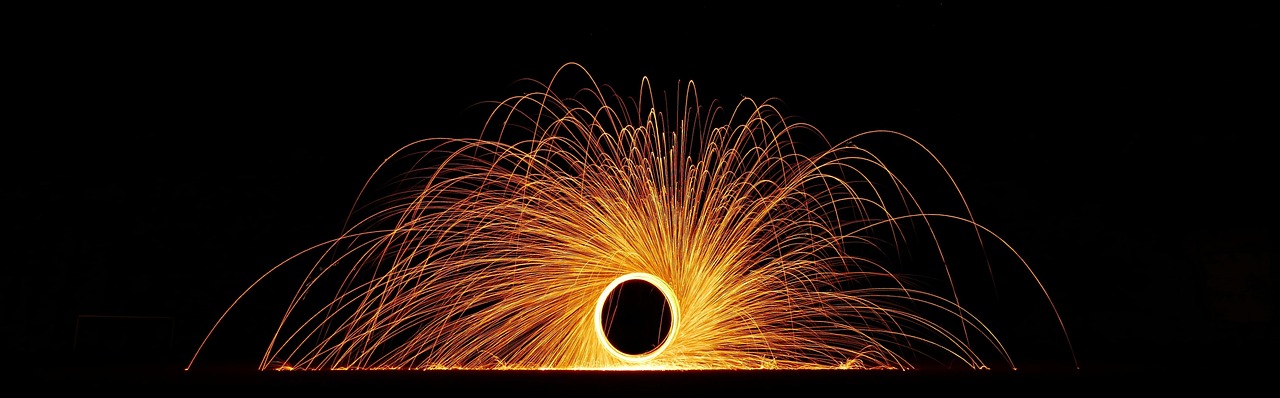
In a display of incredible physical endurance and spiritual fervor, the dancers run directly through the flames. The most spectacular moment, and one that Cameron has reportedly recreated for the screen, is the kicking of embers. Dancers plunge their bare feet into the heart of the fire, kicking glowing coals 20 to 30 feet into the air, creating a literal firestorm of sparks that rain down upon them.
The visual impact of this ritual is undeniable:
- Dynamic Motion: The explosive movement of fire mirrors the volatile nature of the Mangkwan Clan.
- Sensory Overload: The crackle of fire and the orange glow against the dark night provide a high-contrast palette for the film.
- Mastery of Elements: Just as the Baining "tame" the fire through their dance, the Ash People are portrayed as masters of this destructive element.
From New Britain to Pandora: Designing the Mangkwan Clan
Designing the Mangkwan Clan involved more than just copying the Baining people; it required a thematic evolution. James Cameron has often been criticized for the "Dances with Wolves" trope—the idea of a white savior joining a "noble savage" tribe. With Fire and Ash, he appears to be subverting these expectations by showing that the Na'vi are as diverse and flawed as humans.
The Ash People live in a world of grey and charcoal, a stark contrast to the bioluminescent blues of the first two films. Their mastery of fire sets them apart from the Omatikaya, who view fire primarily as a tool for warmth and cooking. For the Mangkwan, fire is a weapon, a spiritual cleanser, and a way of life.
Comparison: Baining Rituals vs. Mangkwan Clan Traits
| Feature | Baining People (Real Life) | Mangkwan Clan (Avatar 3) |
|---|---|---|
| Primary Element | Fire and Earth | Ash and Volcanic Heat |
| Mask Style | Bark cloth on bamboo (5-6 ft tall) | Humanoid-animalistic, ritualistic headgear |
| Key Ritual | Kicking embers 20-30 feet high | Fire-dancing as a show of power/aggression |
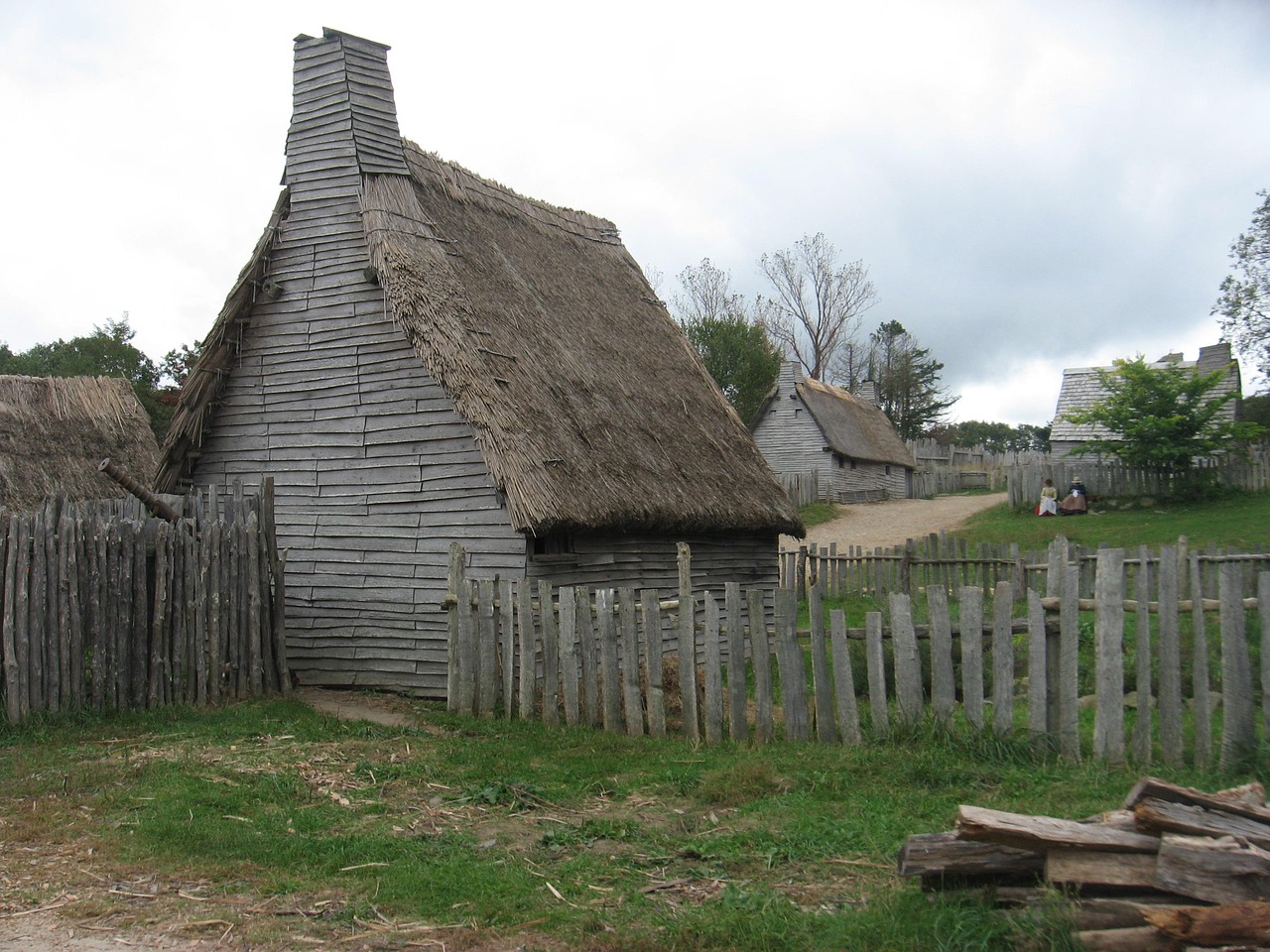
| Architecture | Remote highland thatched-roof huts | Dwellings built into volcanic rock and ash fields |
| Leadership | Community-based elders | Led by the fierce Varang (Oona Chaplin) |
The Mangkwan architecture also draws from the Baining’s mountain villages. Instead of the giant Hometrees, we can expect to see structures that are more grounded, perhaps utilizing the natural basalt and volcanic glass found in Pandoran "hot zones."
Visiting the Source: A Traveler’s Guide to Rabaul and New Britain
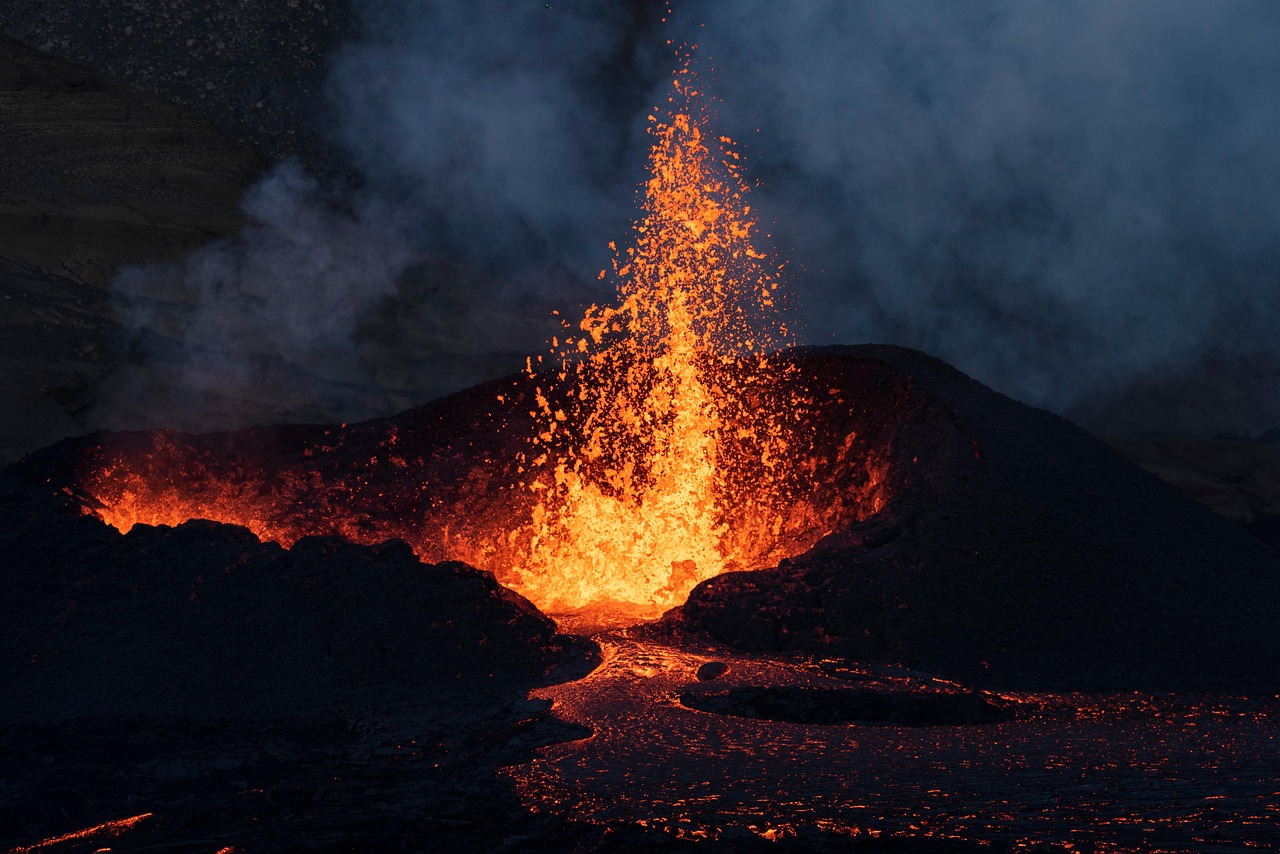
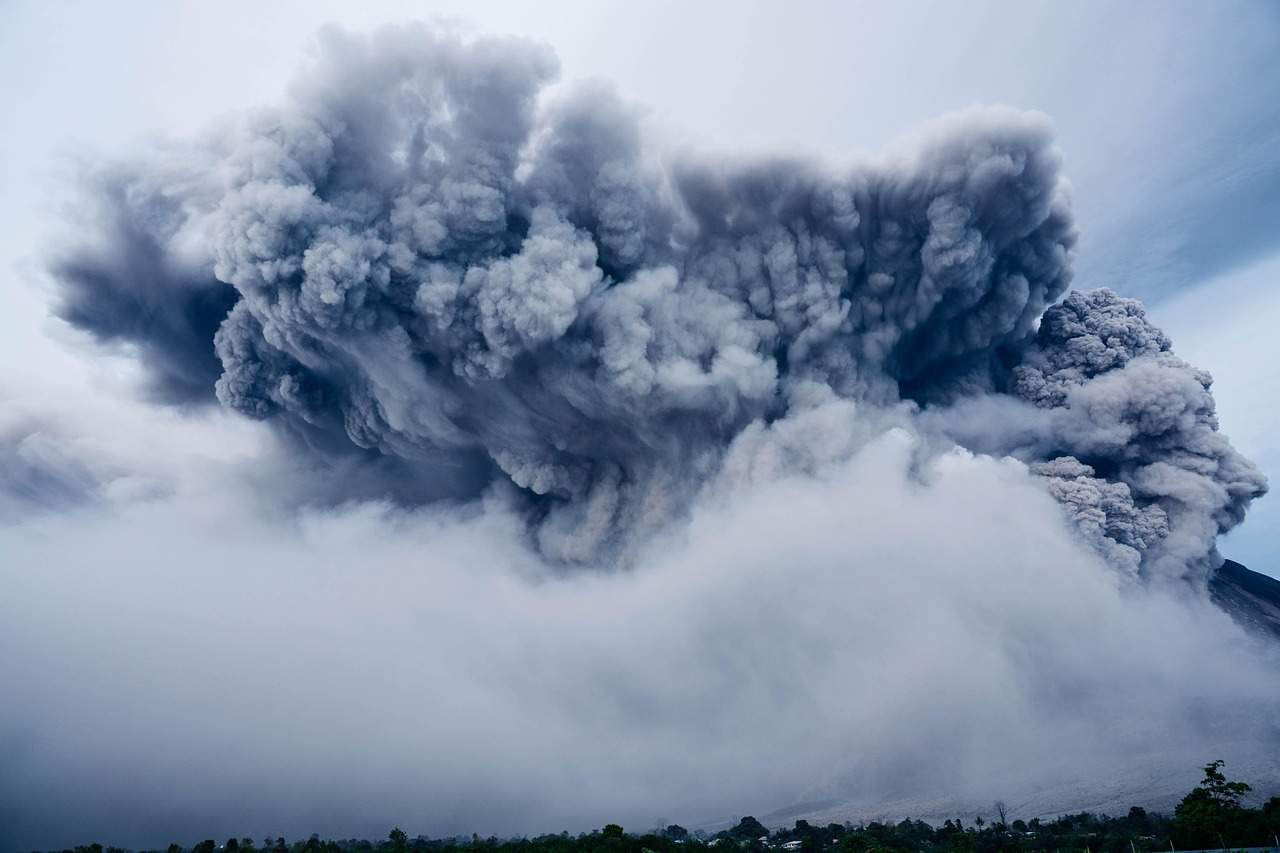
For fans of the Avatar franchise and world travelers alike, the Gazelle Peninsula in Papua New Guinea offers a rare opportunity to witness the inspiration behind the movie. Rabaul, the former provincial capital, is a city literally reclaimed by ash after the massive 1994 volcanic eruption.
Top Attractions in New Britain
- Rabaul Caldera: Explore the dramatic landscape shaped by the active volcanoes Mt. Vulcan and Tavurvur. The sight of steam rising from the black ash fields is exactly the "postnuclear" aesthetic Cameron sought.
- Baining Fire Dance: Travelers can book tours to witness the fire dance in highland villages. It is essential to respect local customs—always book through a reputable guide and ask for permission before taking photographs.
- Wreck Diving: For those who enjoyed the underwater themes of The Way of Water, Simpson Bay in Rabaul is a world-class diving destination. It is home to numerous WWII Japanese Zeros and sunken merchant ships, preserved in the clear Pacific waters.
- The New Britain Trench: While you can't dive 5 miles deep like Cameron, boat tours around the area offer a sense of the immense scale of the geography that captivated the filmmaker.
Travel Etiquette for the Baining Region
- Engage a Local Guide: The highland villages are remote. A local guide is necessary for navigation and cultural translation.
- Support Local Craftsmanship: If you admire the masks, look for smaller, ethically made replicas that support the village economy.
- Respect the Fire: During the fire dance, keep a safe distance. The embers fly far, and the dancers are in a trance-like state.
FAQ
Q: Is the Mangkwan Clan "evil" in Avatar 3?
A: James Cameron has stated that the Ash People are not necessarily evil, but they represent the "negative" or more aggressive side of the Na'vi. They are meant to add complexity to the world of Pandora.
Q: When was Avatar: Fire and Ash filmed?
A: Much of the live-action and performance capture for Fire and Ash was filmed concurrently with Avatar: The Way of Water to maintain consistency in the actors' ages.
Q: Can I actually see the Baining Fire Dance in person?
A: Yes. Many cultural tours operate out of Kokopo and Rabaul. The dance is usually performed for special occasions or by arrangement for visitors, providing vital income for the highland communities.
Explore the World of James Cameron
The connection between the Baining people and the Mangkwan Clan highlights James Cameron's dedication to ethnographic research. By grounding the fantastical world of Pandora in real-world cultures, he creates a narrative that feels lived-in and deeply resonant.
Whether you are a cinephile waiting for the next chapter of the Na'vi saga or an adventurer looking for your next destination, the story of Fire and Ash begins in the heart of Papua New Guinea.