Quick Facts
- Top 2026 Pick: French Polynesia (Bora Bora and Tahiti) for its unmatched blend of legal certainty and romantic seclusion.
- Recent Legal Win: St. Lucia officially decriminalized same-sex relationships in July 2025, opening a new door for Caribbean romance.
- Marriage Equality Update: Thailand enacted full marriage equality in 2026, becoming a premier global hub for inclusive hospitality.
- Economic Impact: The global LGBTQ+ tourism market was valued at $311 billion in 2024 and continues to grow as travelers prioritize premium experiences.
- Safety Priority: Current surveys show that 55% of the community research local LGBTQ+ rights before booking any international travel.
- Budget Benchmark: Expect to invest $12,000–$15,000 for a 10-day high-end luxury queer honeymoon including private transfers and vetted excursions.
To vet honeymoon destinations for safety, travelers should verify same-sex marriage laws, research human rights reports, and consult an lgbtq travel safety list. Prioritize destinations with inclusive hospitality and explicit legal protection for travelers to ensure a secure post-wedding getaway.
The Safety Hierarchy: How to Vet Your Destination
After crossing the borders of 50 countries, I have learned that for us, travel is never just about the thread count of the linens or the vintage of the champagne. It is about the "moral calculus" of the destination. We ask ourselves: should we spend our hard-earned money in a place that does not want us? Planning a queer honeymoon requires moving beyond the simple question of "Is it legal?" and looking toward a deeper hierarchy of safety and belonging.
When you begin your travel safety vetting, start with the most objective data available. I always recommend starting with an lgbtq travel map for honeymoon planning to visualize where legal protections exist. You want to see more than just a lack of criminalization; you want to see a proactive decriminalization timeline. For example, the recent shift in St. Lucia demonstrates a country moving toward a more inclusive future. However, laws are only the first filter.
The second tier of your vetting should look at Institutional Intent. Does the local tourism board feature queer couples in their marketing, or is their messaging generic? A country that explicitly invites lgbtq travel is one that has likely invested in training its hospitality sector. Next, look for Peer Intelligence. I find that vetted reviews from other queer couples are worth more than any gold-leaf brochure. Finally, consider your own Personal History with a region. If a place makes you feel the need to "dim your light," it is not the right choice for your honeymoon.
Always check the lgbtq travel advisory by country before finalizing your flights. While the global LGBTQ+ tourism market is projected to reach $521 billion by 2031, the reality is that 59% of queer travelers have experienced discrimination while on the road. By using a multi-tiered filter, you ensure that your celebration remains a sanctuary rather than a source of stress.
Sovereign Havens: The Luxury Resort Loophole
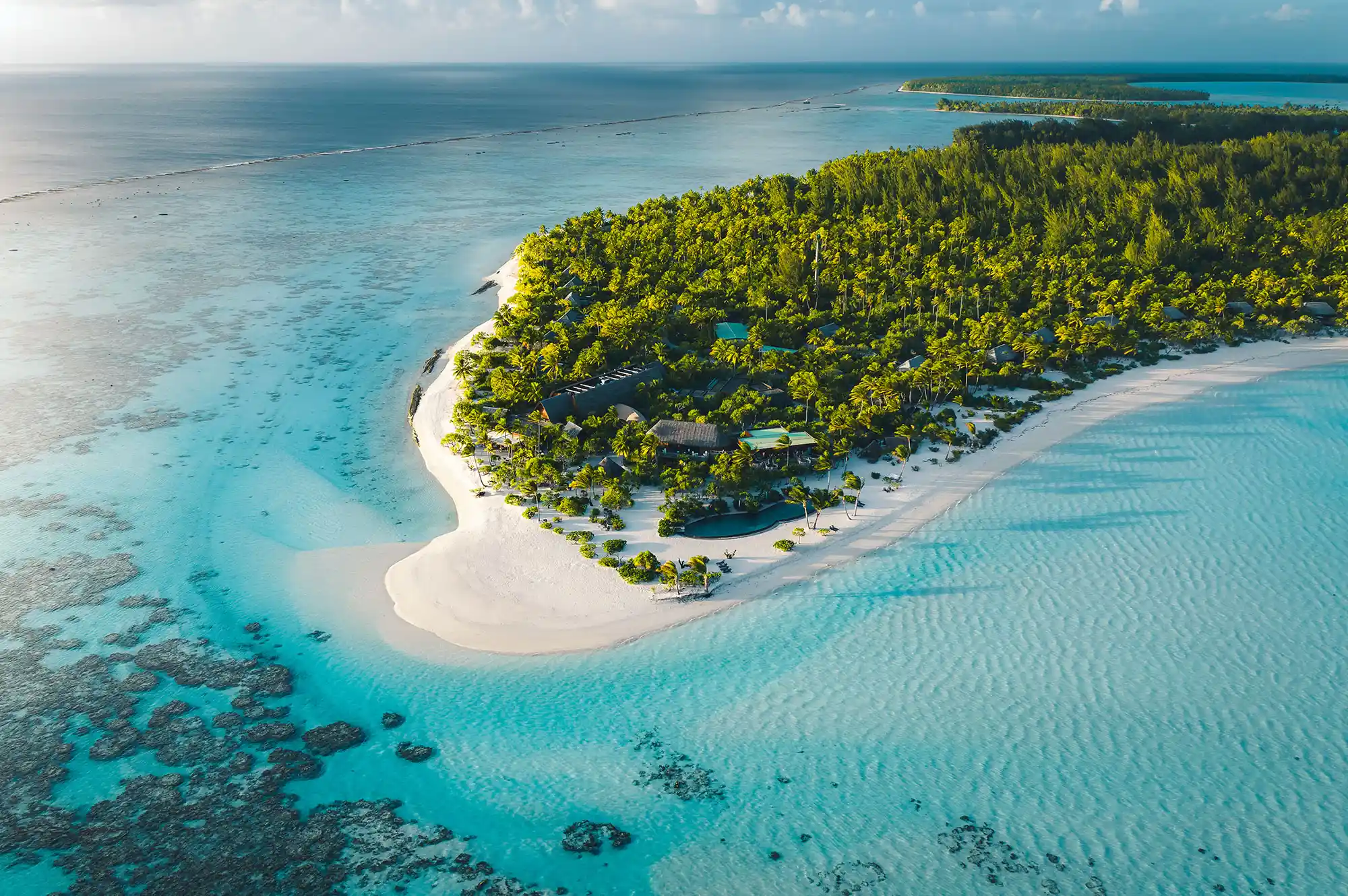
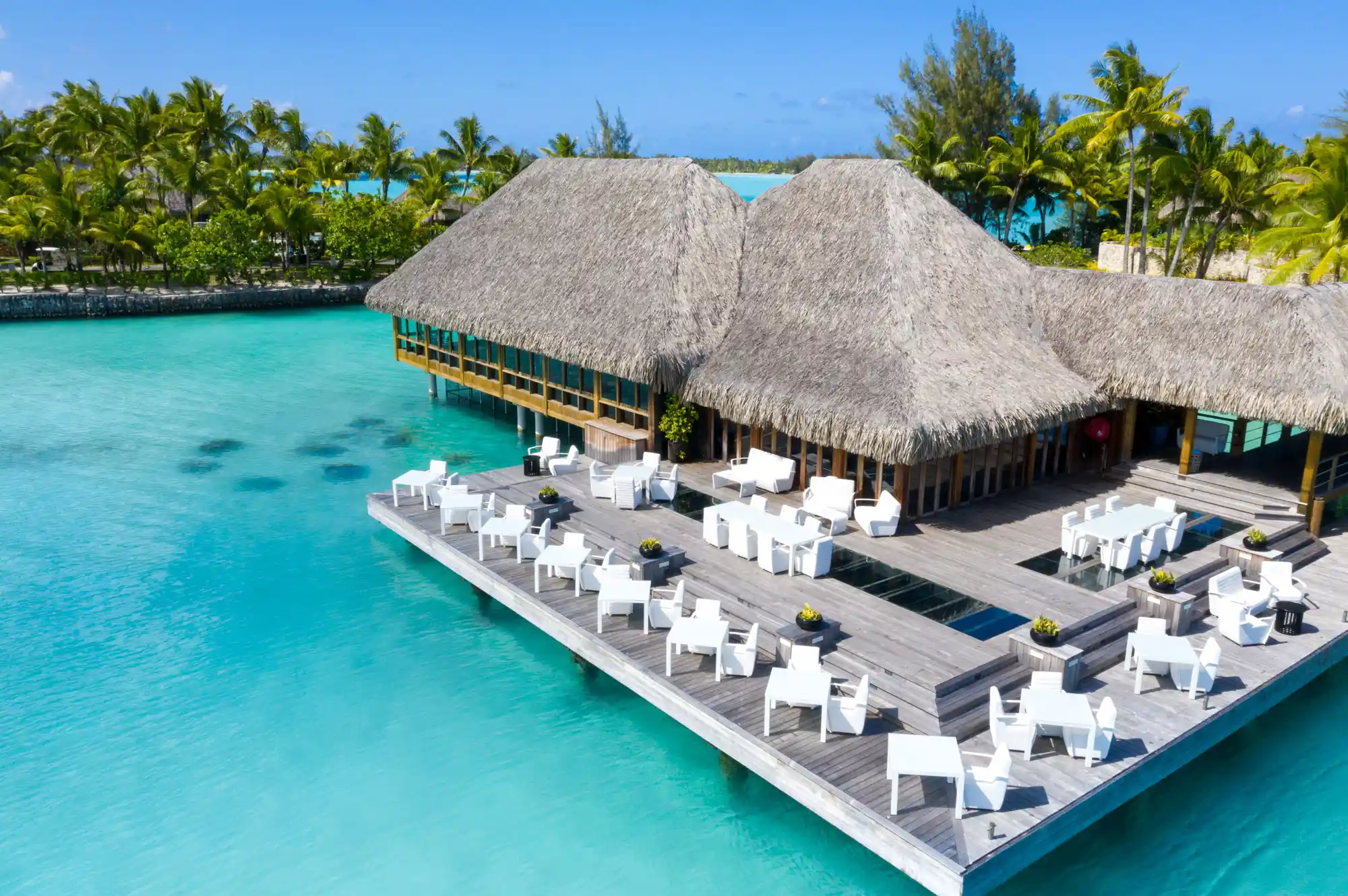
There is a unique concept in the world of high-end travel that I call the "Sovereign Haven." In certain countries where local social acceptance levels might still be evolving, luxury queer-friendly beach resorts often act as protected bubbles of inclusive hospitality. In these enclaves, the resort’s internal culture supersedes the surrounding legal or social landscape.
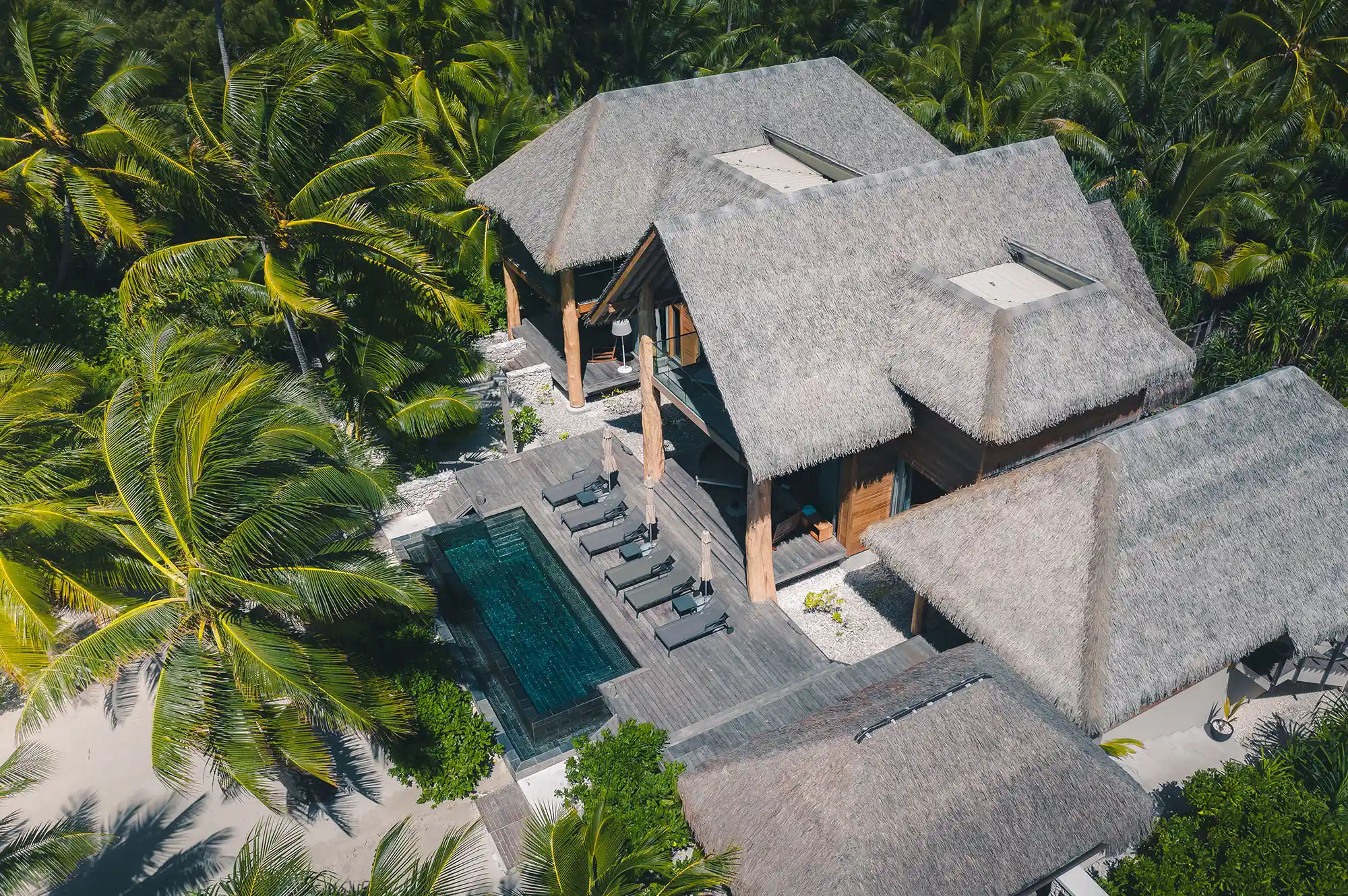
For many couples, the ultimate luxury is "invisible service"—the kind where the staff sees two grooms or two brides and immediately understands that a king bed is the requirement, not a mistake to be corrected at check-in. This is where private pool villas become more than just a splurge; they are a strategic choice for a secure post-wedding getaway. They offer a space where public displays of affection are no longer a point of concern but a natural part of your celebration.
I’ve found that high-design resorts in places like the Maldives or certain parts of Southeast Asia have mastered this. Even before Thailand reached its 2026 marriage equality milestone, its top-tier resorts were already legendary for their queer-affirming itineraries. The key is to look for properties that have undergone specific sensitivity training. When a resort is a Sovereign Haven, you aren't just a guest; you are a celebrated part of their community, protected by a staff that values your joy as much as your safety.
The 2026 Gold Standard: Best LGBTQ Honeymoon Destinations
As we look toward the 2026 travel season, several destinations have emerged as the clear frontrunners for couples seeking a blend of romance, luxury, and peace of mind. These are the locations where legal protection for travelers meets the highest standards of the travel industry.
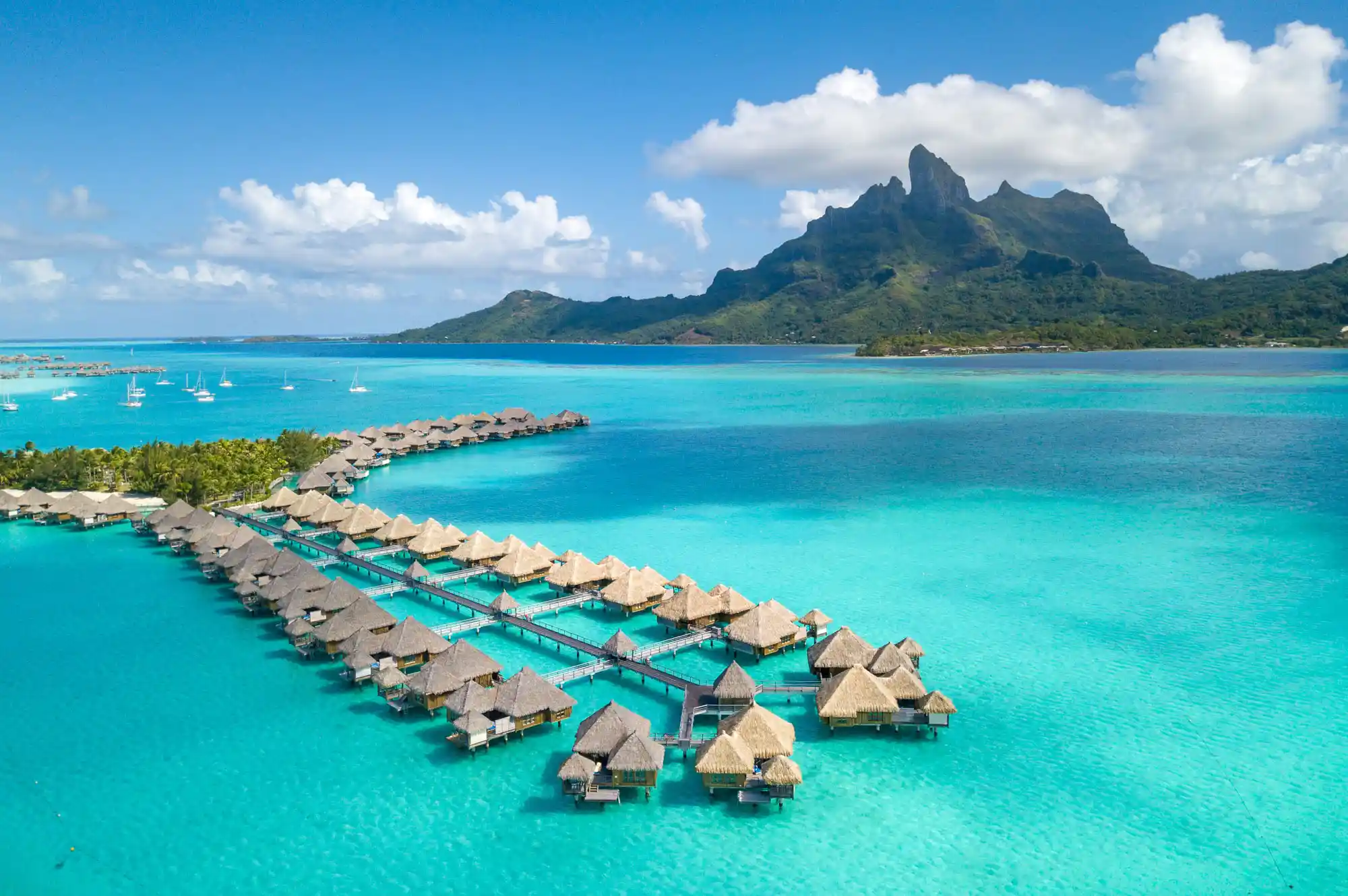
French Polynesia: The Ultimate Sanctuary Bora Bora remains the crown jewel for a reason. Beyond the overwater bungalows, French Polynesia offers the legal certainty of French law, which includes full marriage equality. For couples seeking a safe tropical honeymoon, this is the gold standard. The culture is naturally welcoming, and the privacy offered by resorts like The Brando or the Four Seasons Bora Bora is unparalleled.
Spain: Culture and Visibility For those who prefer cobblestone streets and midnight tapas over white sand, Spain is the answer. From the sophisticated queer scene in Madrid to the barefoot luxury of Ibiza, Spain consistently ranks at the top of every lgbt travel safety list. The social acceptance levels here are among the highest in the world, allowing you to be fully yourself in every corner of the country.
Thailand: The 2026 Milestone With the enactment of marriage equality in 2026, Thailand has solidified its place as one of the best lgbtq honeymoon destinations in Asia. The "Land of Smiles" now offers more than just stunning villas in Phuket or Koh Samui; it offers a legal embrace of our community that is rare in the region.
| Destination | Sovereign Context (Resort Life) | Social Context (Local Vibe) | Primary Appeal |
|---|---|---|---|
| Bora Bora | High privacy, overwater villas | Legal equality, Tahiti culture | Absolute seclusion |
| Madrid/Ibiza | Sophisticated urban luxury | Highly inclusive, vibrant | Culture and nightlife |
| Thailand | World-class private pool villas | Newly equal, very welcoming | Luxury value and food |
| St. Lucia | Boutique romantic hideaways | Recently decriminalized | Caribbean charm |
The Master Planning Timeline: From Vibe Check to King Bed
Planning a queer honeymoon requires a slightly different rhythm than a traditional one. It involves an extra layer of research to ensure that your memories are untainted by the logistical hiccups that often face our community.
9–12 Months Out: The Vibe Check Start by narrowing down your list using the lgbtq travel map for honeymoon planning. This is the time to decide if you want the "Sovereign Haven" of a private resort or the open visibility of an inclusive city. Research the same-sex marriage laws of your potential destinations and look for any recent lgbtq travel advisories.
6–9 Months Out: Confirmation of Intent Once you’ve selected your destination, it’s time to book. When booking luxury queer-friendly beach resorts, I always recommend a direct email to the concierge. Confirm the king bed configuration and ask about their experience with same-sex honeymoons. It is during this phase that you should also look for properties that prioritize LGBTQ+ travelers, who spend an average of 23% more on their trips and expect a corresponding level of service.
3 Months Out: Final Safety Sync Check the latest lgbtq travel advisory by country one last time. If you are traveling from the US, enroll in the STEP (Smart Traveler Enrollment Program). Finalize your queer-affirming itineraries, ensuring that any third-party tour operators or private guides have been vetted by your resort or a trusted travel advisor.
FAQ
Where is the most LGBT friendly place to travel?
Spain and the Netherlands consistently rank as the most welcoming destinations due to their long-standing legal protections and high levels of social acceptance. For a tropical experience, French Polynesia is widely considered the safest and most inclusive luxury destination for queer couples.
Which Caribbean island is most LGBT friendly?
St. Lucia has made significant strides by decriminalizing same-sex relationships in 2025, making it a top choice for 2026. Other inclusive options include Puerto Rico and the US Virgin Islands, which follow US federal marriage equality laws, as well as the "ABC islands"—Aruba, Bonaire, and Curaçao.
Is the US safe for LGBTQ travelers?
Generally, the US is safe, especially in major urban centers and coastal states where marriage equality is firmly established. However, safety can vary by region, so it is wise to research specific state laws and local social climates if you are planning a multi-stop road trip or a rural getaway.
What is the most queer city in the US?
San Francisco remains the historical and cultural heart of the queer community in the US, but cities like Palm Springs, Provincetown, and New York City offer equally vibrant and safe environments for a honeymoon. For a modern, high-design experience, West Hollywood in Los Angeles is a perennial favorite.