Quick Facts
- Top Destination: Hoi An Ancient Town (UNESCO site)
- Best Time to Visit: October to December for the North; February to May for Central Vietnam
- Recommended Duration: 10–15 days to experience the full S-shape route
- Transport Mode: Private chauffeured cars and luxury sleeper trains for comfort
- Senior Activity Level: Soft Adventure, including pottery, lantern workshops, and low-impact walking tours
- Key Benefit: Deep intergenerational bonding through shared culinary and heritage experiences
Multigenerational travel in Vietnam is best achieved by prioritizing slow-paced itineraries that allow for frequent rest and deep cultural immersion, such as private chauffeured tours or multi-day river cruises. Focus on shared activities like traditional cooking classes or accessible street food tours in Hoi An to foster intergenerational bonding.
The morning light in Hoi An is not merely light; it is a liquid amber that spills over the mustard-yellow walls of the Ancient Town, illuminating the curls of incense that drift from family altars. It was in this golden hour that I watched my grandmother, a woman whose hands have weathered decades of change, carefully fold a translucent sheet of rice paper. She was learning to make White Rose dumplings, a delicacy found only in this corner of the world. In that quiet moment of shared creation, the distance between my modern, fast-paced world and her traditional values vanished.
Multigenerational travel is more than just a vacation; it is a bridge between eras. In 2026, Vietnam has emerged as a premier destination for these meaningful journeys, offering a unique tapestry of shared family heritage and contemporary luxury. According to Booking.com's 2024 Gen.Voyage! study, 52% of travelers in Vietnam identify the opportunity to bond and create lasting memories with loved ones as a key benefit of these trips.
The Flavor of Connection: Bridging the Gap in Hoi An
Food in Vietnam is a love language. For my grandmother, it is how she expresses affection when words feel too heavy. While planning a grandmother granddaughter trip to Vietnam, I realized that the dinner table would be our most important meeting ground. In Hoi An Ancient Town, we moved beyond the usual tourist haunts to find authentic local encounters. We sat on low stools at the White Rose Restaurant, where the rhythm of the kitchen—the rhythmic thumping of dough—provided the soundtrack to her stories of the old days.
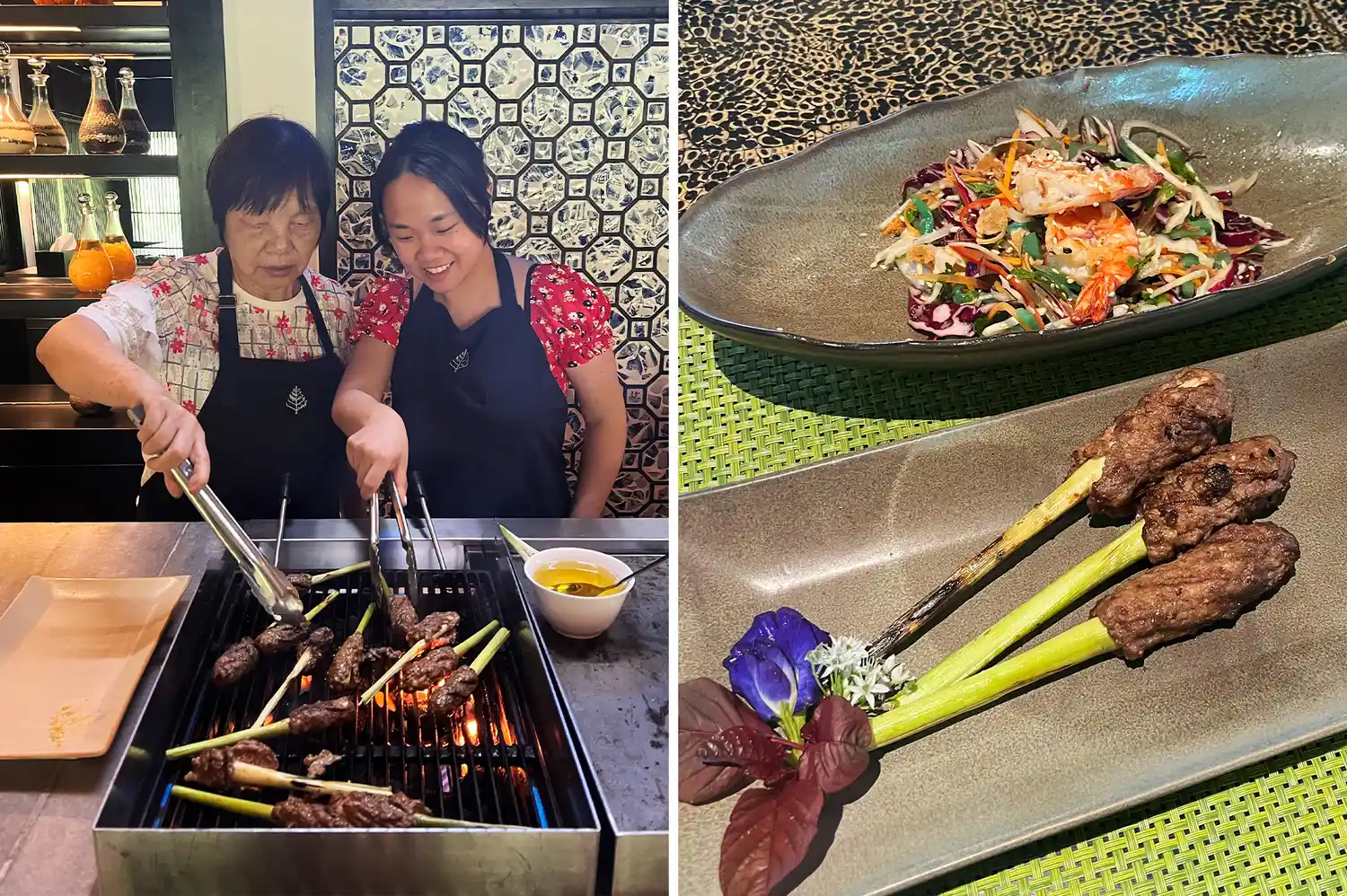
We enrolled in a culinary workshop that focused on imperial cuisine, where the emphasis was on precision and patience. These sessions are perfect for multi generational travel tours because they provide a structured yet relaxed environment for conversation. As we pounded lemongrass and garlic, she told me about the meals she prepared as a young woman, weaving her personal history into the flavors of the present. This act of culinary filial piety—honoring her knowledge while exploring new tastes—became the heartbeat of our journey.
Editor’s Tip: Booking Accessible Street Food When exploring the vibrant food scene, opt for accessible street food tours in Vietnam for seniors that use electric carts or focus on walkable, pedestrian-only zones like the heart of Hoi An to minimize physical strain.
Designing the "Slow Travel" Itinerary for Seniors
The mistake many make when organizing multigenerational travel is trying to see everything. For seniors, the humidity and the hum of motorbikes can be overwhelming. Instead, we embraced a slow travel itinerary for seniors in Vietnam that prioritized quality over quantity. We traded the frantic energy of city centers for the pastoral peace of the countryside.
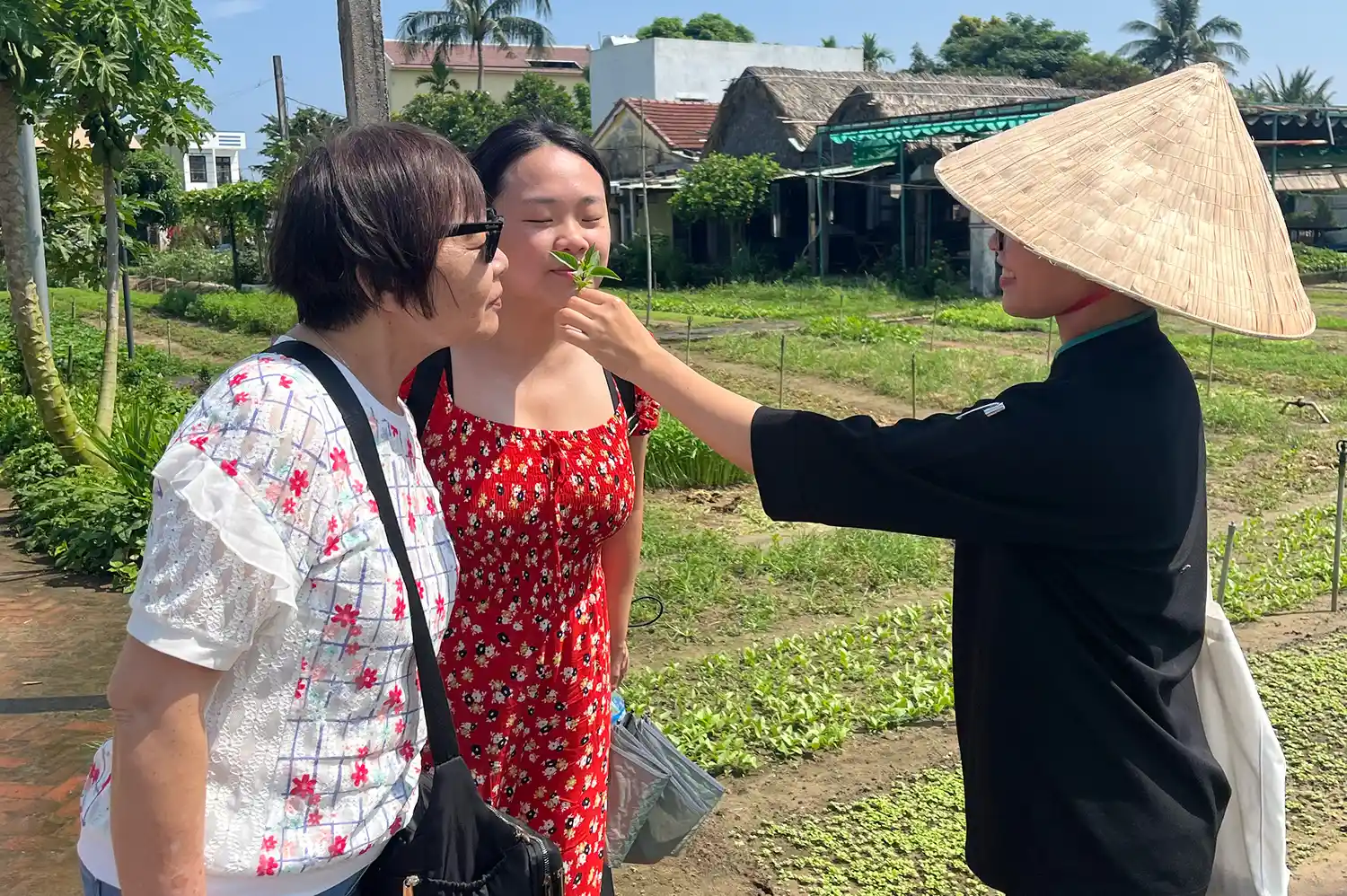
One of our most cherished mornings was spent at Tra Que Vegetable Village. Instead of a strenuous hike, we took a gentle walk through the fragrant herb gardens. My grandmother, who spent her life gardening, found common ground with the local farmers, discussing the nuances of soil and season despite the language barrier. These soft adventures allow for cultural immersion without the physical exhaustion of traditional sightseeing.
A 2024 study on intergenerational travel found that 50% of travelers in Vietnam value multi-generational trips specifically for the chance to reconnect with family members they do not often meet. This reconnection happens best in the quiet gaps of the itinerary—during a slow-paced sightseeing boat ride on the Thu Bon River or while watching the viral coconut basket boats near the Cua Dai fishing village.

Luxury & Comfort: Best Resorts for Multigenerational Stays
The choice of accommodation can make or break a family holiday. When looking for the best resorts for multigenerational family vacation in Vietnam, we looked for properties that offered both privacy and communal space. Many of the multigenerational travel destinations 2026 travelers are eyeing include coastal enclaves with sprawling villas.
We stayed at the Four Seasons Nam Hai, which is masterfully designed for large groups. Their multi-bedroom villas provided each of us with a private sanctuary while the central living areas served as a hub for evening tea and reflection. These resorts for multigenerational family vacation understand that "luxury" for a senior means accessibility, quietude, and world-class service. The property even features a specialized cooking academy, where three generations of our family spent an afternoon learning the art of the perfect phở broth.
Logistics: Navigating Vietnam with Different Energy Levels
Navigating Southeast Asia requires a nuanced approach to mobility considerations. To ensure my grandmother’s comfort, we relied entirely on private chauffeured cars. The ability to control the temperature and take breaks whenever needed was essential for managing the tropical heat.
Language barriers can sometimes lead to isolation for older travelers. Hiring local bilingual guides who specialize in heritage-focused storytelling was our solution. They acted as cultural mediators, helping my grandmother connect with locals in a way I couldn't facilitate alone. This is particularly poignant given that the global Vietnamese diaspora community comprises approximately 6 million people living in more than 130 countries, many of whom are returning to find their roots.
Editor’s Tip: The Power of Late Starts Avoid the "first light" rush. For senior-friendly travel, schedule departures for 10:00 AM. This allows everyone to enjoy a slow breakfast and ensures energy levels remain high for the afternoon's memory-making experiences.
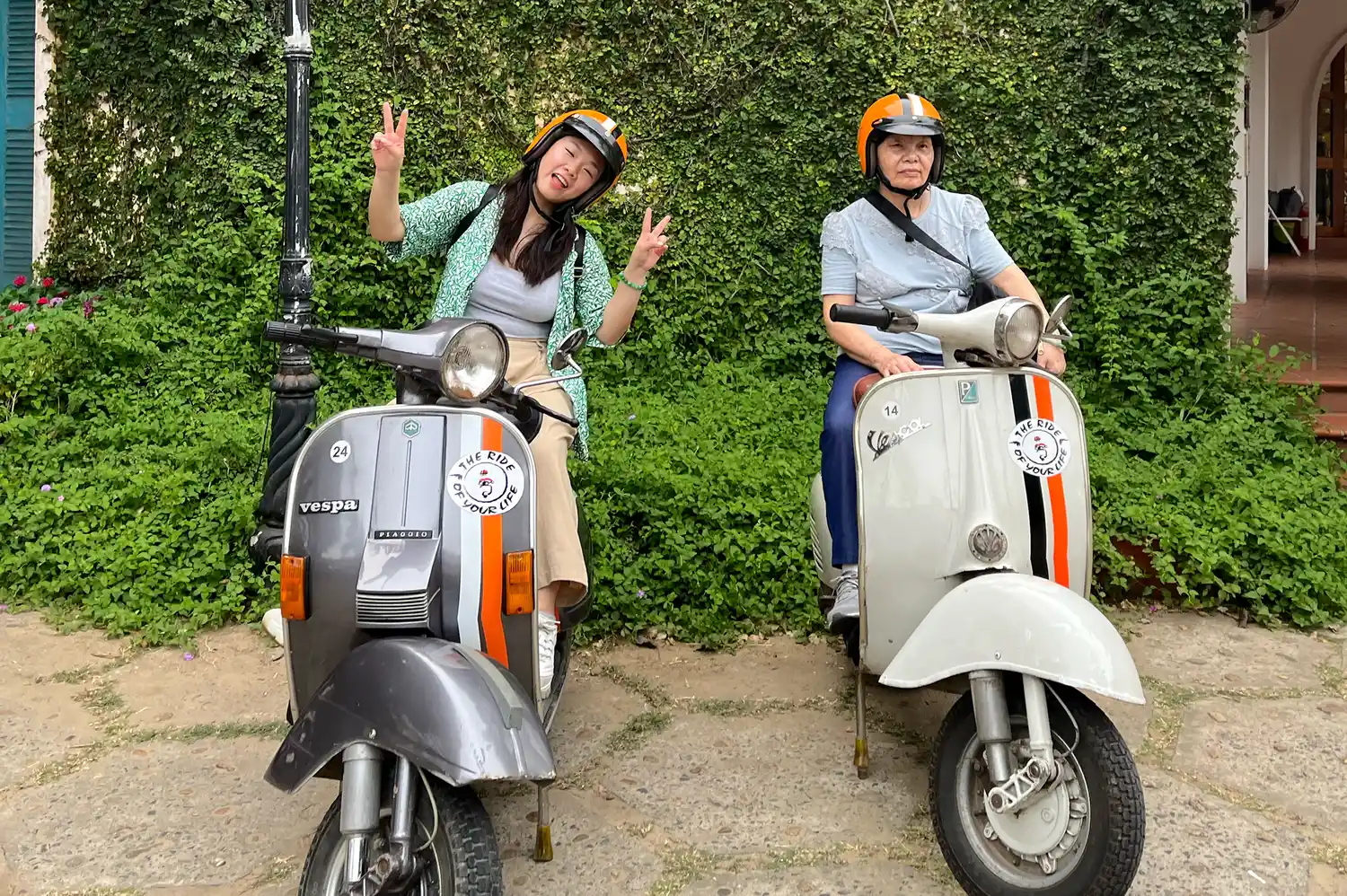
By the end of our trip, my relationship with my grandmother had shifted. She was no longer just the woman who sent me red envelopes on New Year; she was a fellow traveler, a historian of her own life, and a master of the slow, deliberate art of living. Vietnam, with its gentle spirit and deep respect for elders, was the perfect stage for this transformation.
FAQ
What is considered a multigenerational trip?
A multigenerational trip typically involves three or more generations of a family—such as grandparents, parents, and children—traveling together. These journeys focus on shared experiences that cater to a wide range of ages and physical abilities, emphasizing collective memory-making.
How do you plan a successful multigenerational family vacation?
Success lies in balance. Start by selecting a destination with high accessibility and diverse activity options. Prioritize booking private transport and accommodations with multiple bedrooms. Most importantly, involve every generation in the planning process to ensure the itinerary includes interests relevant to both the youngest and oldest family members.
How do you manage different interests and energy levels on a family vacation?
The key is to build flexibility into the daily schedule. Plan one main collective activity per day and allow for "choice time" in the afternoons. While younger members might enjoy a Vespa tour of the countryside, seniors might prefer a spa treatment or a quiet stroll through a local market. Using a slow-paced sightseeing approach ensures no one feels rushed or exhausted.
What are the benefits of multigenerational travel?
Beyond the joy of a shared vacation, these trips offer a rare opportunity for intergenerational bonding and the passing down of family stories. For many, it is a way to practice filial piety and reconnect with heritage in a meaningful, immersive setting. It also allows grandchildren to see their grandparents in a new, adventurous light.
What are the best lodging options for multigenerational groups?
Villas within luxury resorts are often the best choice, as they provide private bedrooms alongside shared kitchens and living areas. Look for properties that offer senior-friendly amenities, such as ground-floor rooms, walk-in showers, and on-site cultural activities like craft workshops or cooking classes.