Quick Facts
- #1 Ranked Park: Grand Canyon National Park leads the 2026 social media analysis with 11,322 combined posts.
- Runner Up: Rocky Mountain National Park recorded 5,066 combined posts, ranking second for scenic dusk shots.
- 2026 Fee Update: A $100 non-resident surcharge is now in effect at 11 major national parks to manage congestion.
- Peak Lighting: Photographers should set up 45 minutes prior to the official sunset for optimal golden hour lighting.
- Essential Gear: Wide-angle optics (14mm to 24mm) are recommended to capture panoramic vistas and geological silhouettes.
- Top Coastal Spot: Cadillac Mountain in Acadia National Park remains the premier choice for mountain-and-sea compositions.
Social media metrics for 2026 have officially named the top destination for national park photography. We analyze why one park dominates Instagram and how you can capture the perfect shot. Grand Canyon National Park is currently the top-ranked destination for national park photography, recording more than double the social media engagement of any other park due to its unique geological silhouettes and expanding color gradients.
The Social Media Winner: Grand Canyon’s Sunset Dominance
As a visual editor who has spent countless hours scouting locations across the American West, the results of the 2026 trend data do not come as a surprise. The sheer scale of the landscape provides a canvas for vibrant color gradients that are difficult to replicate elsewhere. According to a 2026 social media analysis, Grand Canyon National Park was identified as the most popular U.S. national park for sunsets, generating 11,322 combined posts across TikTok and Instagram. This data highlights a growing trend among creators to seek out epic, wide-scale vistas that fit the 9:16 vertical format favored by modern platforms.
The appeal of grand canyon national park sunset photography lies in the way the receding rock layers interact with atmospheric light. When the sun dips toward the horizon, the depth of the canyon is accentuated by shadows, while the limestone and sandstone layers glow in shades of ochre and crimson. For the best content creator engagement, I recommend focusing on the South Rim. Mather Point is the most famous for a reason, offering an expansive view that allows for diverse landscape composition techniques. However, for those seeking to avoid the largest crowds, Desert View Watchtower provides an elevated perspective that allows you to include human-made architecture as a focal point against the vast natural backdrop.
Technical Specs: The Canyon Glow
- Lens: 16-35mm wide-angle optics
- ISO: 100-200 for maximum dynamic range
- Aperture: f/11 for edge-to-edge sharpness
- Shutter: Tripod-mounted for long exposures as light fades
The analysis further noted that the Grand Canyon’s sunset-specific post volume was more than double that of the next closest park, Rocky Mountain National Park, which recorded 5,066 combined posts. This dominance suggests that the visual brand of the Grand Canyon remains the gold standard for anyone serious about national park sunset photography.
High-Altitude Vistas: Rocky Mountain and Acadia
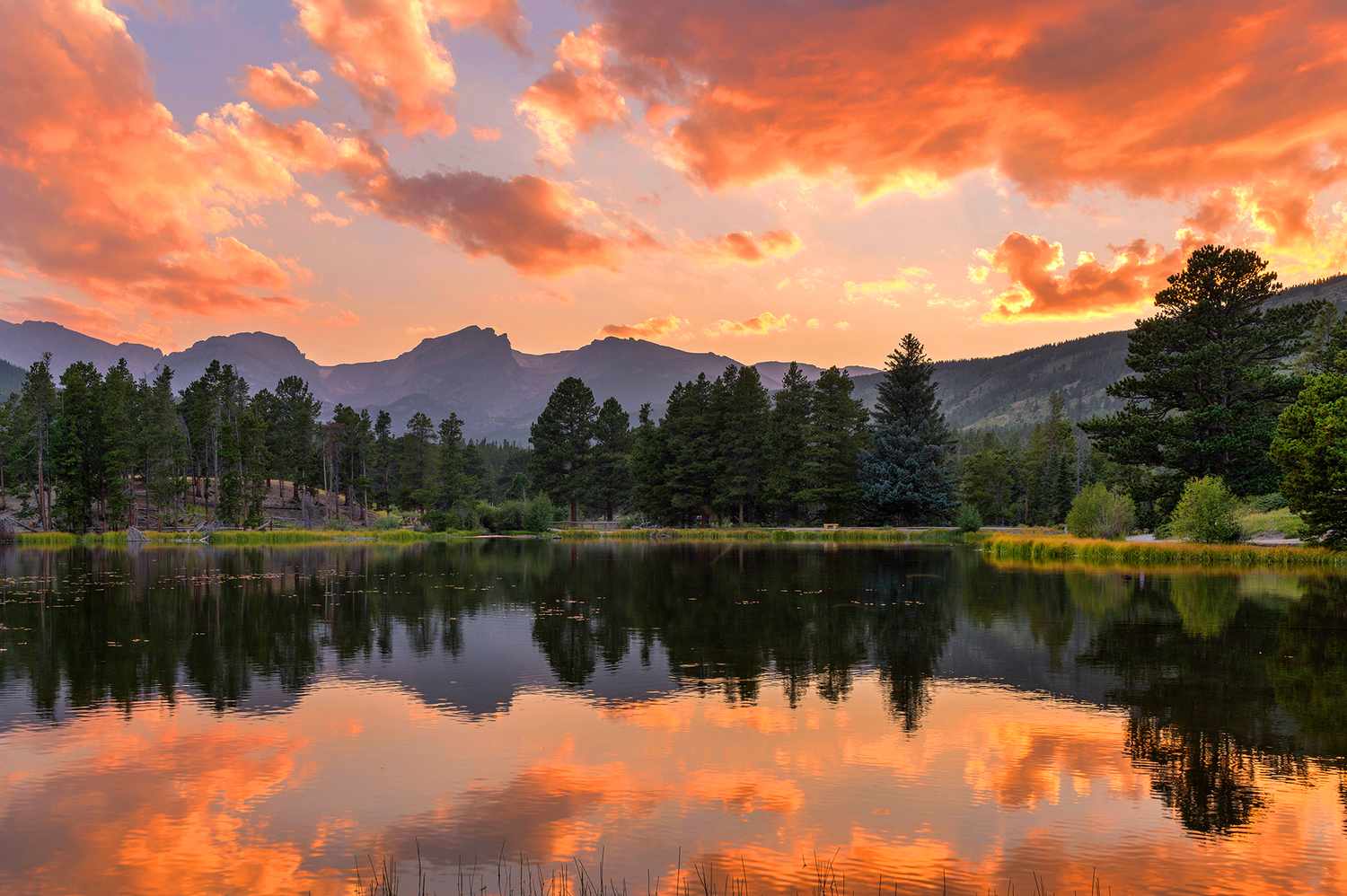
While the desert attracts the numbers, the high-altitude vantage points of the Rockies and the North Atlantic coast offer a different visual language. Rocky Mountain National Park has solidified its second-place ranking because of Trail Ridge Road. Reaching elevations over 12,000 feet, this road allows a national park photographer to shoot across the "roof of the Rockies." Here, the dusk atmosphere is thinner, which can lead to incredibly sharp images with minimal atmospheric haze, though you must be careful with your exposure to avoid blowing out the highlights in the thin mountain air.
| National Park | 2026 Engagement Rank | Key Vantage Point | Elevation |
|---|---|---|---|
| Grand Canyon | 1 | Mather Point | 7,120 ft |
| Rocky Mountain | 2 | Trail Ridge Road | 12,183 ft |
| Joshua Tree | 3 | Keys View | 5,185 ft |
| Acadia | 4 | Cadillac Mountain | 1,530 ft |
| Grand Teton | 6 | Mormon Row | 6,400 ft |
For those on the East Coast, acadia national park photography centers on Cadillac Mountain. As the highest point on the North Atlantic seaboard, it offers the unique opportunity to capture the sun setting over an archipelago of islands. The 2026 study placed this park high on the list for its accessibility and the dramatic contrast between pink granite rocks and the deep blue of the Atlantic. Keep in mind that for 2026, vehicle reservations for Cadillac Mountain summit road are mandatory from May through October to handle the influx of those chasing the golden hour lighting.
Desert Silhouettes: Joshua Tree, Arches, and Canyonlands
Desert photography is all about the interplay between harsh textures and soft light. In Joshua Tree National Park, the primary goal is often capturing the distinctive geological silhouettes of the trees themselves against a purple and orange sky. Using wide-angle optics here is essential to ground the viewer in the environment, placing a single, well-defined Joshua Tree in the foreground to create depth.
In Utah, arches national park photography or canyonlands national park photography tips often focus on framing. Arches is world-renowned for the Delicate Arch, where the sunset light hits the underside of the sandstone bridge, creating a glowing orange effect that is a staple of social media metrics. In Canyonlands, the Green River Overlook is my top pick for photographers. The way the river has carved a labyrinth into the plateau creates intricate patterns that are best highlighted during the transition from golden hour into blue hour.
Pro-Tip: Managing Contrast When shooting in the desert, the dynamic range can be extreme. I suggest using a graduated neutral density filter or bracketing your shots. This ensures you capture the details in the dark canyon floor without losing the vibrant color gradients in the sky.
Badlands and Beyond: Unique Textures
The sedimentary layers and erosion patterns of the northern plains offer a stark, almost lunar aesthetic. When engaging in badlands national park photography, the "Open Hike Policy" is your best friend. Unlike many other parks where you must stay on marked trails, the Badlands permit off-trail exploration, allowing you to find unique angles that haven't been over-posted on Instagram.
Pinnacles Overlook provides a wide view of the jagged ridges, but for the best results, look for the smaller "toadstool" formations. During the golden hour, these shapes cast long, dramatic shadows that emphasize the texture of the clay. Similarly, white sands national park photography relies on the purity of the gypsum dunes. The challenge here is the white balance; as the sun sets, the dunes reflect the colors of the sky, shifting from brilliant white to pastel pinks and violets.
2026 Logistics: Fees, Permits, and Connectivity
Planning a national park sunset photography trip in 2026 requires more than just checking focal lengths; you need to navigate several new logistical hurdles. The most significant change is the $100 non-resident surcharge implemented at major locations like Grand Canyon, Zion, and Yosemite. This fee is used for infrastructure upkeep and to maintain the pristine nature of these scenic destinations.
Additionally, many parks have expanded their timed-entry systems. If you are planning to shoot the sunset at Arches or Rocky Mountain, you must secure your entry slot months in advance. Connectivity also remains a challenge in deep canyons and remote ridges. While modern camera bodies allow for instant transfers, sending large files for social media content creators can be impossible in "dead zones."
I always recommend having a reliable travel eSIM to stay connected at the park boundaries or visitor centers. This allows you to check weather apps or download offline maps, which is crucial when you are hiking back from a remote overlook in the dark after the sun has disappeared.
FAQ
Is photography allowed in national parks?
Yes, photography is generally allowed and encouraged in all U.S. national parks for personal use. Amateur photographers can capture as many sunset shots as they like without a permit. However, if you are conducting a professional commercial shoot involving models, props, or a large crew, or if you are using your images for large-scale advertising, you will likely need to apply for a Special Use Permit and pay a commercial filming/photography fee.
Who was the famous national park photographer?
The most famous figure in this field is undoubtedly Ansel Adams. His stunning black-and-white images of Yosemite, the Tetons, and the Grand Canyon helped define the American wilderness in the public imagination. His use of the Zone System for exposure and his advocacy for conservation played a major role in the expansion of the National Park Service's mission.
What is the 80 20 rule in photography?
The 80 20 rule in this context often refers to the idea that 80% of your best shots will come from 20% of your time spent in the field—specifically during the golden hour and blue hour. From a composition standpoint, it can also suggest that the most compelling images often have 20% of the frame dedicated to a strong focal point or foreground element, with the remaining 80% providing the environmental context.
What is not allowed at national parks?
To protect the environment and wildlife, certain activities are strictly prohibited. These include flying drones (which are banned in almost all national parks), disturbing or feeding wildlife, removing natural objects like rocks or plants, and entering closed areas. In many sensitive locations like Arches National Park, researchers also request that photographers avoid stepping on biological soil crusts, which are living organisms essential to the desert ecosystem.
What are the 5 C's of photography?
The 5 C's are a fundamental framework for improving your shots: Composition (how elements are arranged), Concept (the story or idea), Color (the mood created by the palette), Contrast (the range between light and dark), and Connection (the emotional impact on the viewer). Mastering these is essential for any creator aiming for high social media metrics.
Capturing the Moment
Whether you are standing on the rim of the Grand Canyon or the peak of Cadillac Mountain, the experience of a national park sunset is one of the most rewarding moments for any national park photographer. Despite the new 2026 fees and the crowds of the popular South Rim, the visual payoff of these locations remains unparalleled. By choosing the right wide-angle optics and planning your timing around the golden hour, you can create images that stand out in a crowded digital landscape.
Share your favorite 2026 sunset shots with us or subscribe to our newsletter for more technical photography advice and location scouting tips for your next big adventure.