Quick Facts
- Best Way to Navigate: A private driver or high-end car rental is essential. Sicily lacks a comprehensive high-speed rail network, making road travel the only way to reach secluded hilltop villages and coastal ruins.
- Must-See Historical Sites: The Norman palaces of Palermo, the sprawling Valley of the Temples in Agrigento, and the amber-hued Baroque centers of Noto and Ragusa.
- Investment: A bespoke, week-long luxury itinerary for two typically starts at an estimated $12,000, which includes specialized guides and premier accommodations.
- Culinary Secret: Look beyond white-tablecloth restaurants for initiatives like 'Le Mamme del Borgo' in Motta Camastra for authentic, sustainable home cooking.
- Optimal Timing: Visit in late September for "neon pink" sunsets and warm waters, or April for a landscape draped in wildflowers.
Introduction: The Island of Endurance and Evolution
Sicily is not merely an island; it is a grand, weathered stage where the ghosts of Phoenicians, Greeks, Romans, and Arabs still whisper through the limestone. To step onto its soil is to enter a palimpsest of civilizations, each layer more intricate than the last. As a traveler, you are caught between the vibrant, gritty pulse of Palermo’s street markets and the silent, gilded opulence of its Baroque palaces. It is a place that demands a slower pace—a "slow travel" ethos where the scent of wild jasmine and the salt spray of the Tyrrhenian Sea dictate the rhythm of your day.
In this odyssey, we uncover the secrets held within the island’s ancient stones and the modern surprises found in its volcanic vineyards. Whether you are tracing ancestral roots or seeking the ultimate Mediterranean escape, this itinerary serves as a compass to the soul of Sicily.
Planning Your Odyssey: Logistics and Luxury
To traverse this rugged landscape effectively, one must embrace the reality of its geography. Travelers often ask: What is the best way to travel around Sicily? While the mainland of Italy enjoys the efficiency of the Frecciarossa, Sicily’s high-speed rail is not yet realized. To navigate between the salt pans of the west and the volcanic slopes of the east, a car is non-negotiable. For a truly seamless experience, I recommend a private driver who knows the unspoken language of the Sicilian roads—the winding turns through the Madonie Mountains and the narrow alleys of hilltop villages.
A bespoke ten-day journey through this island is an investment in unparalleled access. For two people, a high-end itinerary typically begins at $12,000. This covers the finer details that transform a trip into a legacy: private access to shuttered palazzos, specialized guides who are historians in their own right, and stays in villas that have been in aristocratic families for centuries.

Days 1-3: Palermo and the Western Coast
Our journey begins in Palermo, a city that wears its scars and its splendor with equal pride. It is a sensory bombardment of frying chickpeas, incense, and the distant tolling of cathedral bells. To understand Palermo, you must look behind the heavy wooden doors of its private residences.
We secure a private tour of Palazzo Gangi, the site of the famous ballroom scene in Visconti’s The Leopard. Here, under centuries-old chandeliers, the Valguarnera family’s history feels alive. For those drawn to the mysterious, a descent into the underground tunnels of the Beati Paoli reveals a secret society that has fascinated Sicilians for generations.
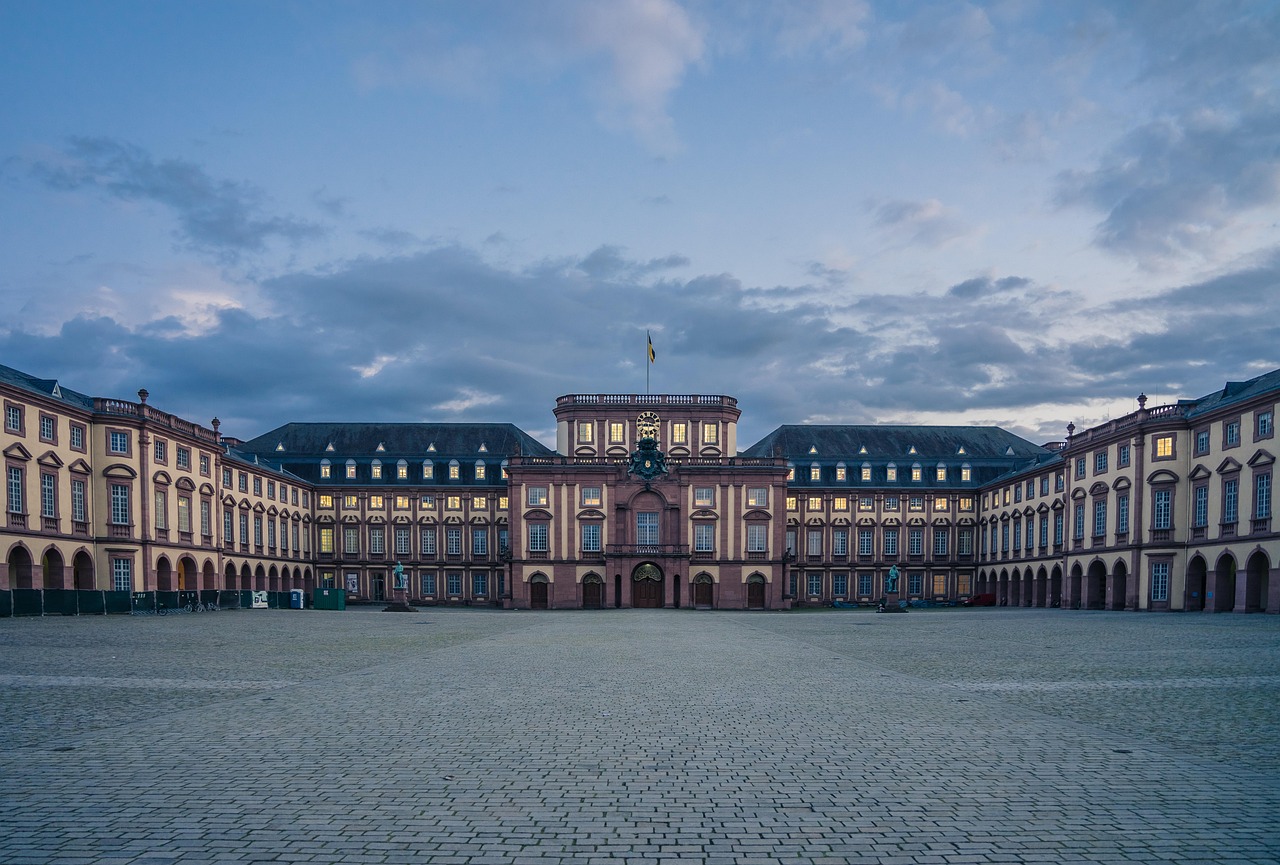
The Norman palaces of Palermo, with their shimmering Byzantine mosaics, are the island's historical heart. But the west also offers a quieter beauty. Drive toward Trapani to witness the "choreography of salt." At the salt pans, ancient artisan practices continue as they have for centuries, with windmills standing as sentinels against the horizon.
Local Expert Tip: To gain access to Palermo's most exclusive private archives and palazzos, consult specialists like Gary Portuesi or the team at Classic Sicily. They hold the keys to doors that remain closed to the general public.
Days 4-5: Agrigento and the Valley of the Temples
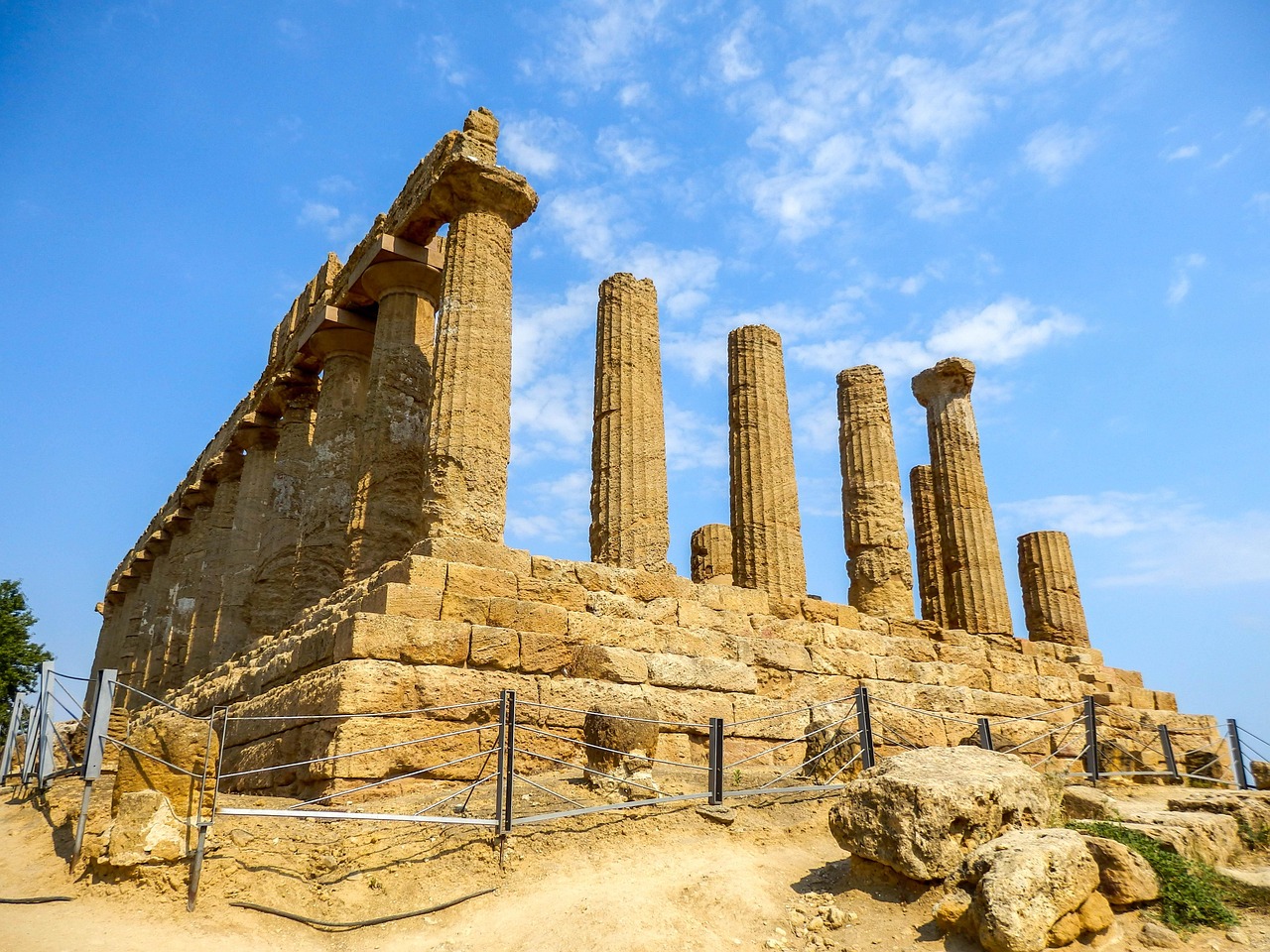
Leaving the bustle of Palermo behind, we head south toward Agrigento. There is perhaps no more evocative sight in the Mediterranean than the Valley of the Temples at sunset. These Doric structures—specifically the Temple of Juno and the near-perfectly preserved Temple of Concordia—stand as 2,500-year-old welcome signs for travelers.
As the sun dips, the limestone turns a fiery amber, and the Greek history of Sicily becomes tangible. For the most immersive experience, stay at Villa Athena, the only five-star hotel located within the archaeological park itself. Waking up to a direct view of the illuminated temples from your terrace is a luxury that defies description. Alternatively, for those seeking the "elysian expansion" of the countryside, Fontes Episcopi offers an authentic agriturismo experience where the ritual of the morning harvest is the primary focus.
Days 6-7: The Baroque Southeast (Noto, Ragusa, and Modica)
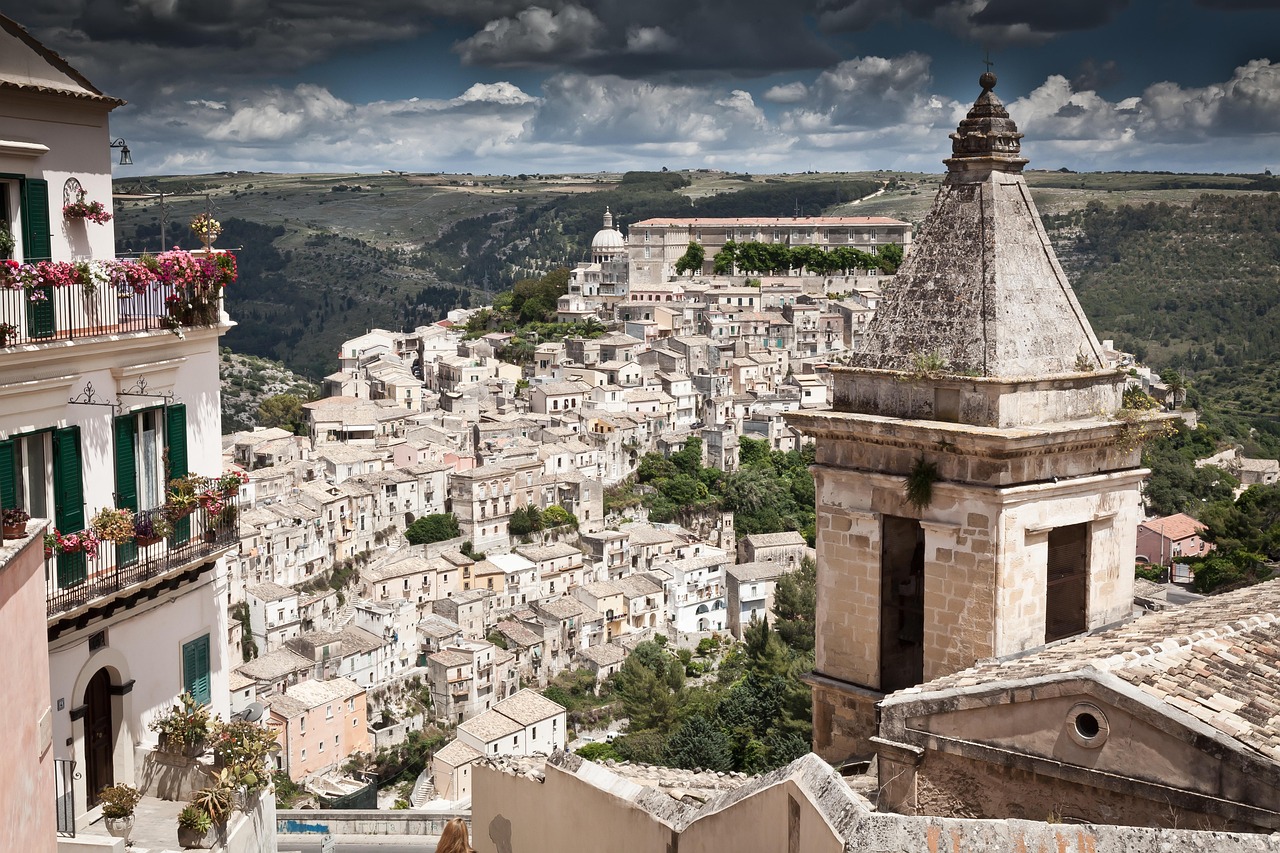
The Val di Noto is a testament to resilience. After a devastating earthquake in 1693, the region was rebuilt in a unified, theatrical Baroque style. Today, Noto and Ragusa Ibla are masterpieces of golden-hued architecture.
This region is also the epicenter for ancestral tourism. Approximately 25% of the 5.4 million Italian immigrants to the United States during the 20th century were of Sicilian descent. Many travelers return here to search through parish records or visit the rugged mountain villages where their great-grandparents once lived.
While in Modica, the scent of chocolate—prepared using an ancient cold-pressed Aztec method brought by the Spanish—fills the air. But the true hidden gems are found in the workshops. Look for the secret studio of Maria Guastella in Ragusa, where the delicate art of sfilato siciliano (Sicilian lace) is still practiced with painstaking precision.
Days 8-10: Syracuse, Taormina, and the Might of Etna
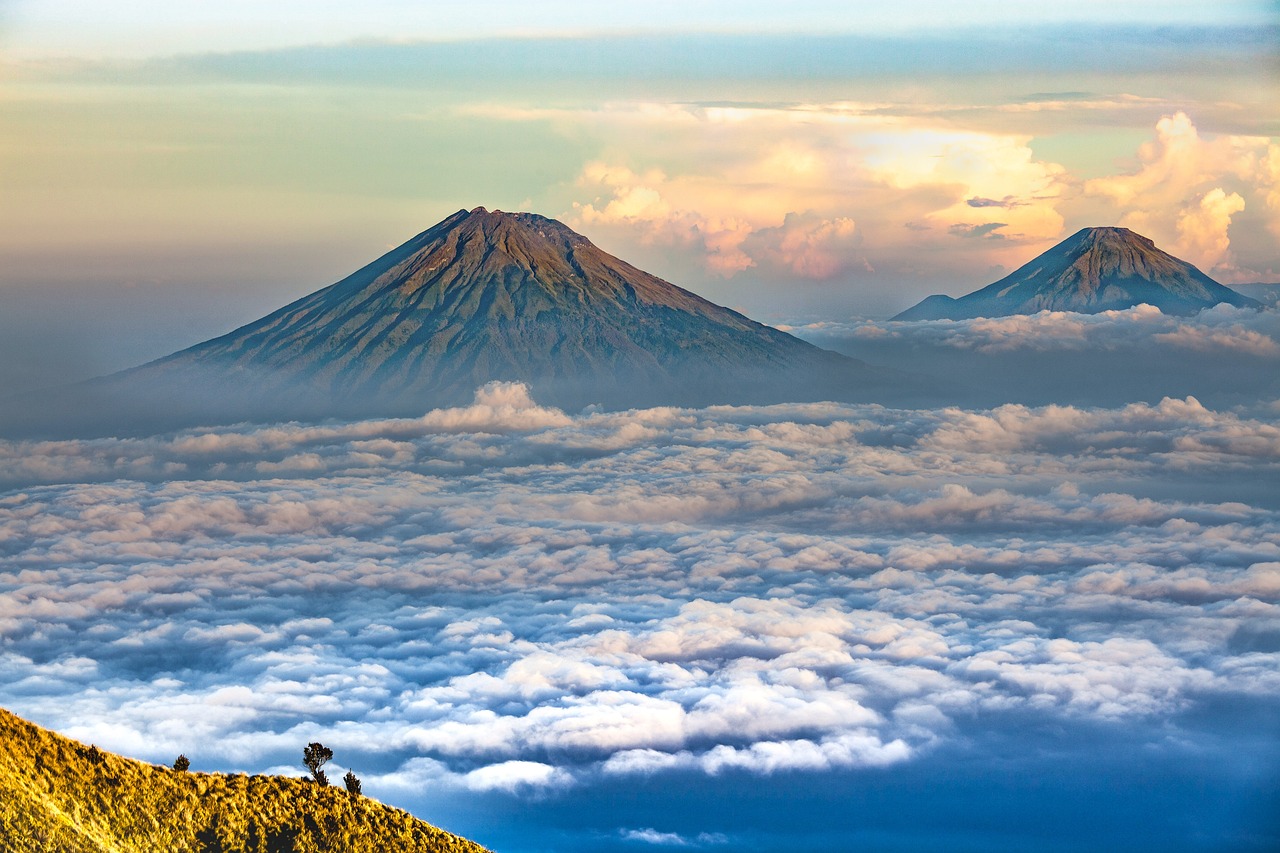
Our final leg takes us to Syracuse, specifically the island of Ortigia. Here, the Jewish ghetto and the UNESCO-protected puppet theaters tell a story of cultural coexistence. But the horizon is dominated by "Mamma Etna," the volcano that provides both fertility and fear to the island.
The alluvial soil of Mount Etna produces some of Italy's most exciting wines. A private tasting at a winery like Cottanera allows you to sip Nerello Mascalese in modern glass-and-timber rooms, with the smoking crater of the volcano visible through the window. It is a stark, beautiful contrast between the ancient land and modern viticulture.
For the final culinary revelation, we look to the village of Motta Camastra. Here, the 'Le Mamme del Borgo' initiative allows travelers to experience authentic Sicilian food beyond the restaurant circuit. These local mothers open their homes to serve traditional meals—handmade pasta, sun-dried tomatoes, and wild fennel—focusing on community preservation and sustainable local ingredients. It is the ultimate insider secret.
To conclude your journey in luxury, retreat to the San Domenico Palace (A Four Seasons Hotel) in Taormina, where the views of the Ionian Sea and the Greek Theatre provide a final, poetic bow to your Sicilian odyssey.
Luxury Stay Comparison: Where to Rest Your Head
| Accommodation Type | Best For | Notable Feature |
|---|---|---|
| Boutique Agriturismo (e.g., Fontes Episcopi) | Wellness & Authenticity | Farm-to-table rituals and ancient thermal baths. |
| Historic Palazzo (e.g., Villa Igiea, Palermo) | Grandeur & History | Art Nouveau interiors and private harbor views. |
| Five-Star Seaside Resort (e.g., San Domenico Palace) | Romance & Views | Infinity pools overlooking Etna and the Ionian Sea. |
Essential Sicily Travel Tips
- Driving Nuances: Be hyper-aware of ZTL zones (Limited Traffic Zones) in historic centers. Fines are steep and cameras are everywhere.
- Cultural Etiquette: While the Mafia is a popular cinematic trope, it is a painful reality for locals. When discussing it, focus on the 'Addiopizzo' movement—a grassroots initiative that supports businesses that refuse to pay protection money. Supporting these businesses is a meaningful way to contribute to Sicily’s future.
- The "Slow" Lunch: In smaller villages, shops and some sites close between 1:00 PM and 4:30 PM. Embrace the riposo; it is the perfect time for a long, wine-soaked lunch.
FAQ
Is Sicily safe for luxury travelers? Absolutely. While one should always be mindful of petty theft in crowded Palermo markets, the island is welcoming and safe. Luxury travelers often find that the biggest challenge is navigating the narrow, ancient roads.
Can I do a heritage tour if I don't speak Italian? Yes, but I highly recommend hiring a specialized "genealogy guide." They can bridge the gap with local priests and record-keepers to help you find specific ancestral documents or home sites.
How many days do I need for a full tour? To see both the east and west coasts without rushing, ten to twelve days is ideal. This allows for three nights in Palermo, two in Agrigento, and four to five on the East Coast (Taormina/Syracuse).
Ready to uncover the layers of this Mediterranean jewel? Sicily is a destination that stays with you long after the scent of citrus has faded.