For years, Frankfurt was the city you only saw through the glass of a departure lounge or the window of a high-speed train. Nicknamed "Bankfurt" for its towering glass skyscrapers and its status as Germany’s financial nerve center, it had a reputation for being efficient, wealthy, and—let’s be honest—a bit stodgy. But there is a massive "vibe shift" currently underway. As we look toward 2026, the city is shedding its pinstriped suit for something far more avant-garde.
Frankfurt is transitioning from a financial hub to a global cultural powerhouse, fueled by its selection as the 2026 World Design Capital and a sudden surge in high-end boutique hospitality and Michelin-starred gastronomy. With Frankfurt Airport already welcoming over 60 million annual travelers, tourism experts are forecasting a 20% increase in city-center visitors as the world discovers that this isn’t just a place to sign contracts—it’s a place to live, eat, and design the future.
If you’re planning your European circuit for 2026, here is why Frankfurt needs to be at the top of your list.
The 2026 Milestone: World Design Capital
The biggest catalyst for Frankfurt's transformation is its designation as the World Design Capital (WDC) for 2026. This isn't just a trophy for the mantelpiece; it’s a year-long takeover of the urban landscape. The theme, "Design for a changing world," will see the city transformed into a living laboratory for urban innovation.
For you, the traveler, this means a calendar packed with global exhibitions, pop-up design showcases in repurposed industrial spaces, and cultural festivals that spill out into the streets. The city is using this title to bridge the gap between its shiny banking district and its gritty, creative neighborhoods. Expect to see architectural tours that explore the "New Frankfurt" movement and interactive installations along the Main River that make the city feel more like a playground than a workplace.
The statistics tell a compelling story of growth. The city’s cultural landscape has expanded to include over 40 art galleries, and there has been a record number of Michelin stars awarded to local chefs under the age of 30, proving that the next generation is reclaiming the city’s identity.
The New Hospitality: Where Luxury Meets History
Until recently, Frankfurt’s hotel scene was dominated by functional corporate chains. That era is over. A new wave of boutique luxury is prioritizing storytelling and aesthetic depth over standardized suites.
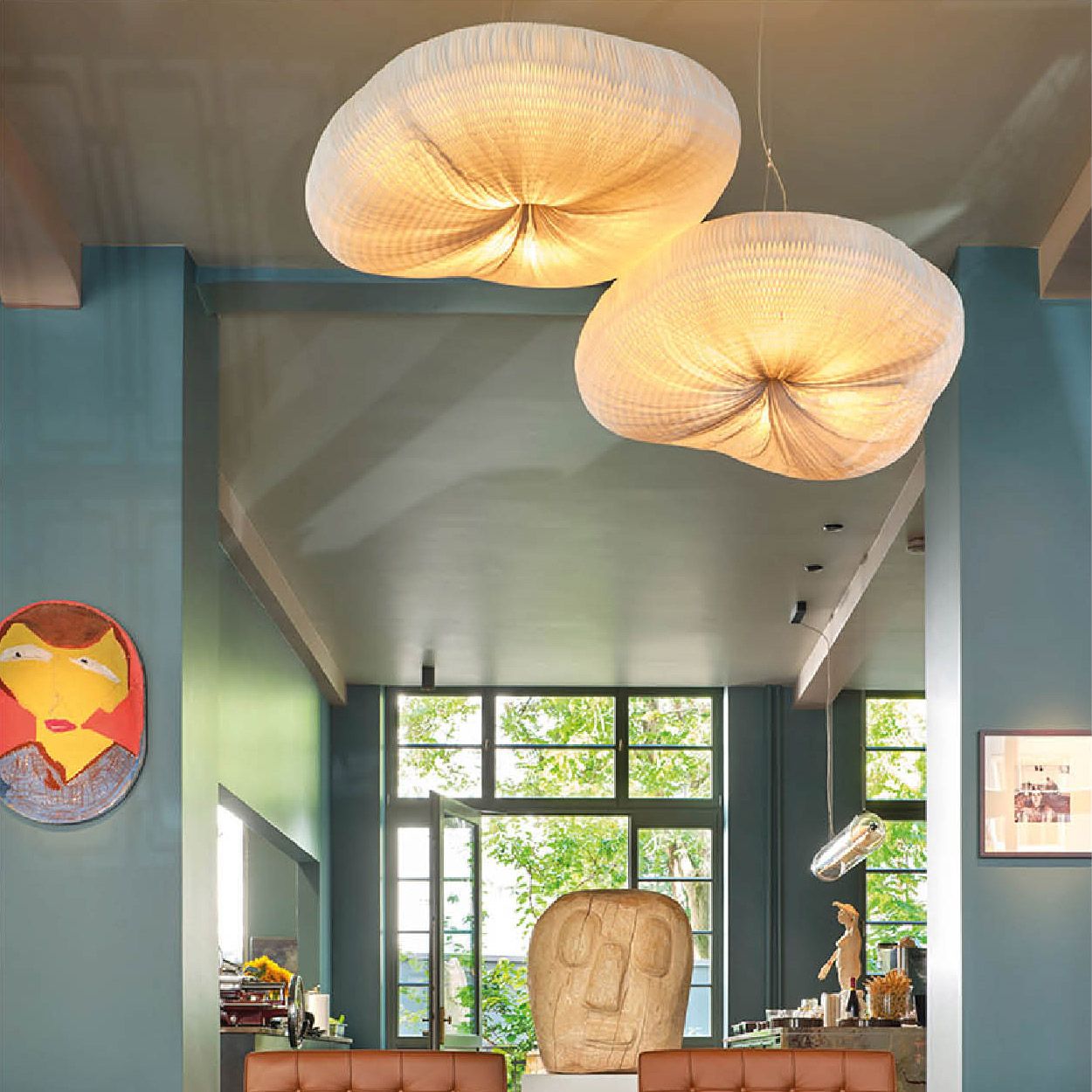
The most anticipated arrival is The Florentin, part of the Althoff Collection. Housed in a magnificent villa dating back to 1901, this 147-key masterpiece feels more like a private estate than a hotel. The design philosophy here is a direct nod to Frankfurt's rich intellectual history. You’ll find interiors featuring hand-finished chestnut wood, silk lamp shades, and custom-curated art.
What makes The Florentin stand out are its themed suites, which honor different facets of German heritage—from 'The Explorer' to 'The Jazz Musician.' It’s a place where you can close your laptop and immediately feel immersed in a world of old-world glamour and modern comfort.
A Gastronomic Powerhouse: Beyond Schnitzel
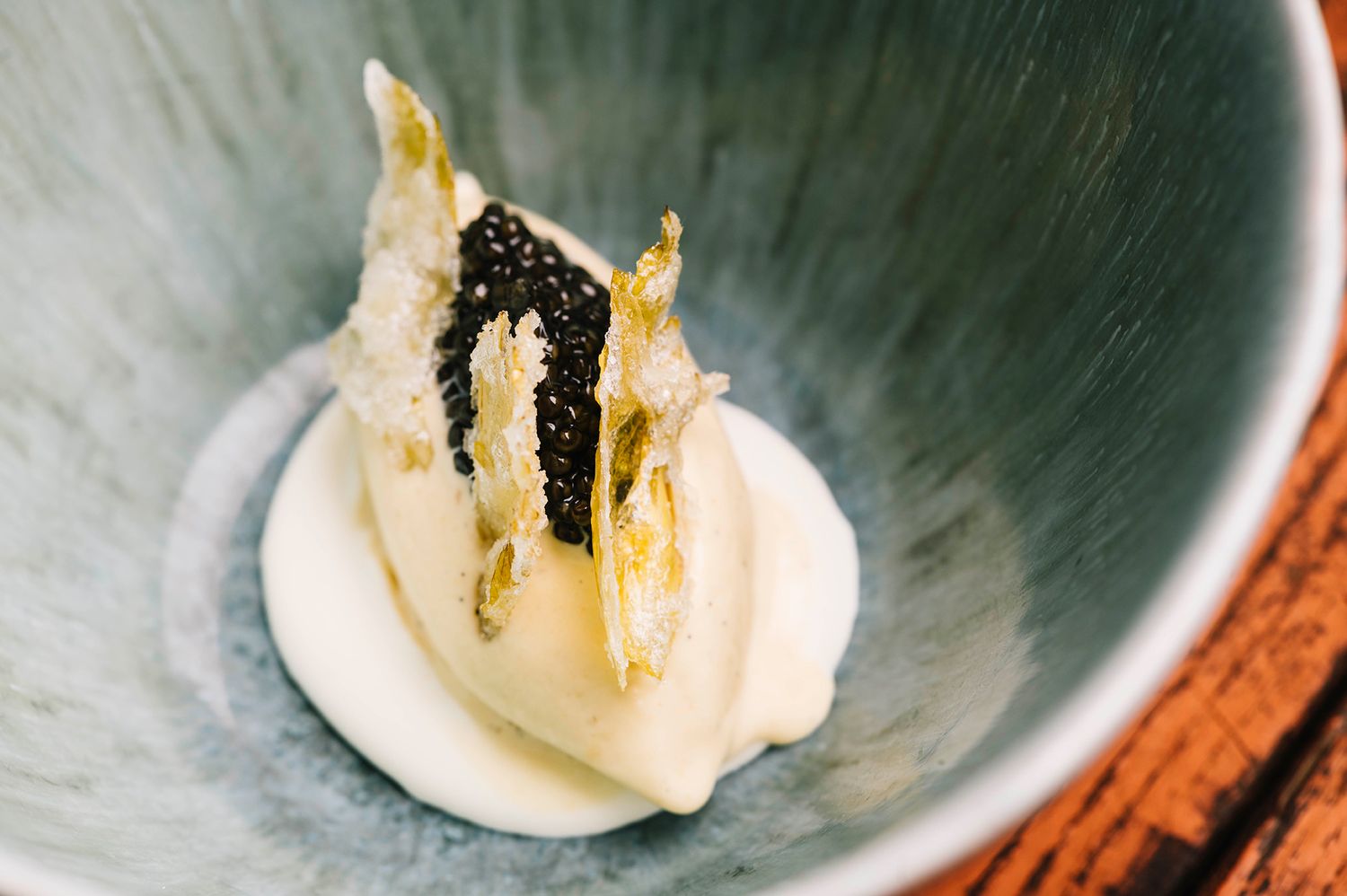
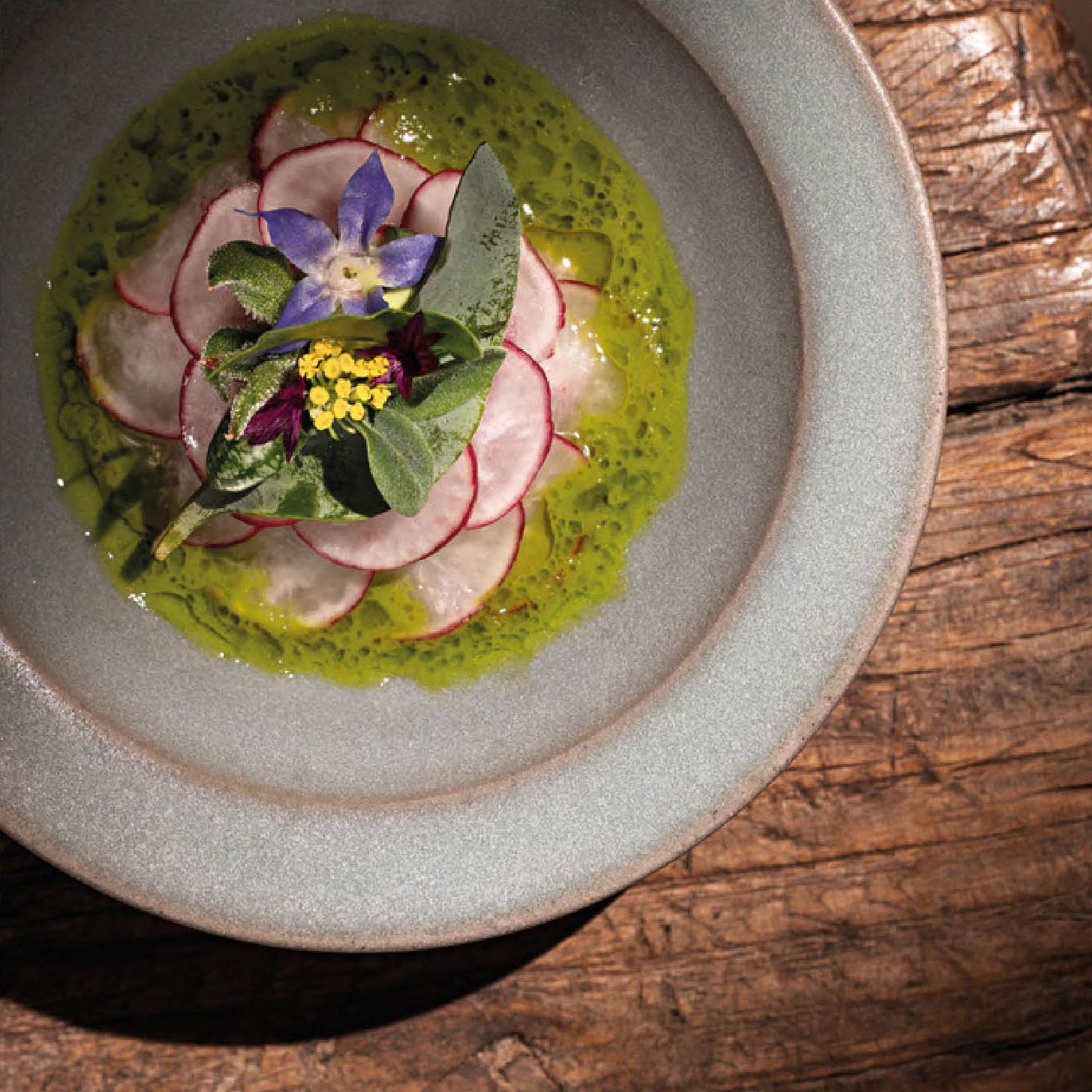
If you still think Frankfurt is only about apple wine and sausages, your palate is in for a shock. The city has quietly become one of the most exciting food destinations in Europe. The "Niclas Nussbaumer effect" is real; at just 29 years old, Nussbaumer earned two Michelin stars, signaling a shift toward a younger, more daring culinary scene.
For a true taste of the city’s evolution, head to Sommerfeld. Set in a stunning Bauhaus-style building, the restaurant offers seasonal tasting menus that focus on regional ingredients reimagined through modern techniques. It’s sophisticated without being stuffy—the quintessential Frankfurt vibe.
Then there are the "supper clubs." In the heart of the Bahnhofsviertel (the station district), you’ll find Club Michel. Once a gritty neighborhood to avoid, the Bahnhofsviertel has transformed into the city’s coolest culinary hotspot. Club Michel operates like an underground lounge; it’s hidden away, trendy, and serves incredible fusion food to a crowd of designers, artists, and young professionals.
Neighborhood Spotlight: The Bahnhofsviertel Transformation
To understand Frankfurt’s 2026 appeal, you have to spend an evening in the Bahnhofsviertel. This district perfectly encapsulates the city's "Reputation Flip." Once known only for its red-light district and transit-related grime, it is now the epicenter of Frankfurt’s nightlife and social scene.
It’s a place of sharp contrasts where high-end cocktail bars sit next to traditional Turkish bakeries.
- The Scene: Start your night at a rooftop bar like City Beach, where you can have your toes in actual sand while looking at the skyscraper skyline.
- The Vibe: Transition to a more "supper-club cool" atmosphere in one of the many converted warehouses where local DJs spin deep house until the early hours.
- The Food: From high-end sushi to late-night falafel, the density of flavors here is unmatched in Germany.
Top Experiences You Can't Miss in 2026
When you aren't attending World Design Capital events, Frankfurt offers a blend of reconstructed history and ultra-modern leisure.
1. The Römerberg & The New Old Town
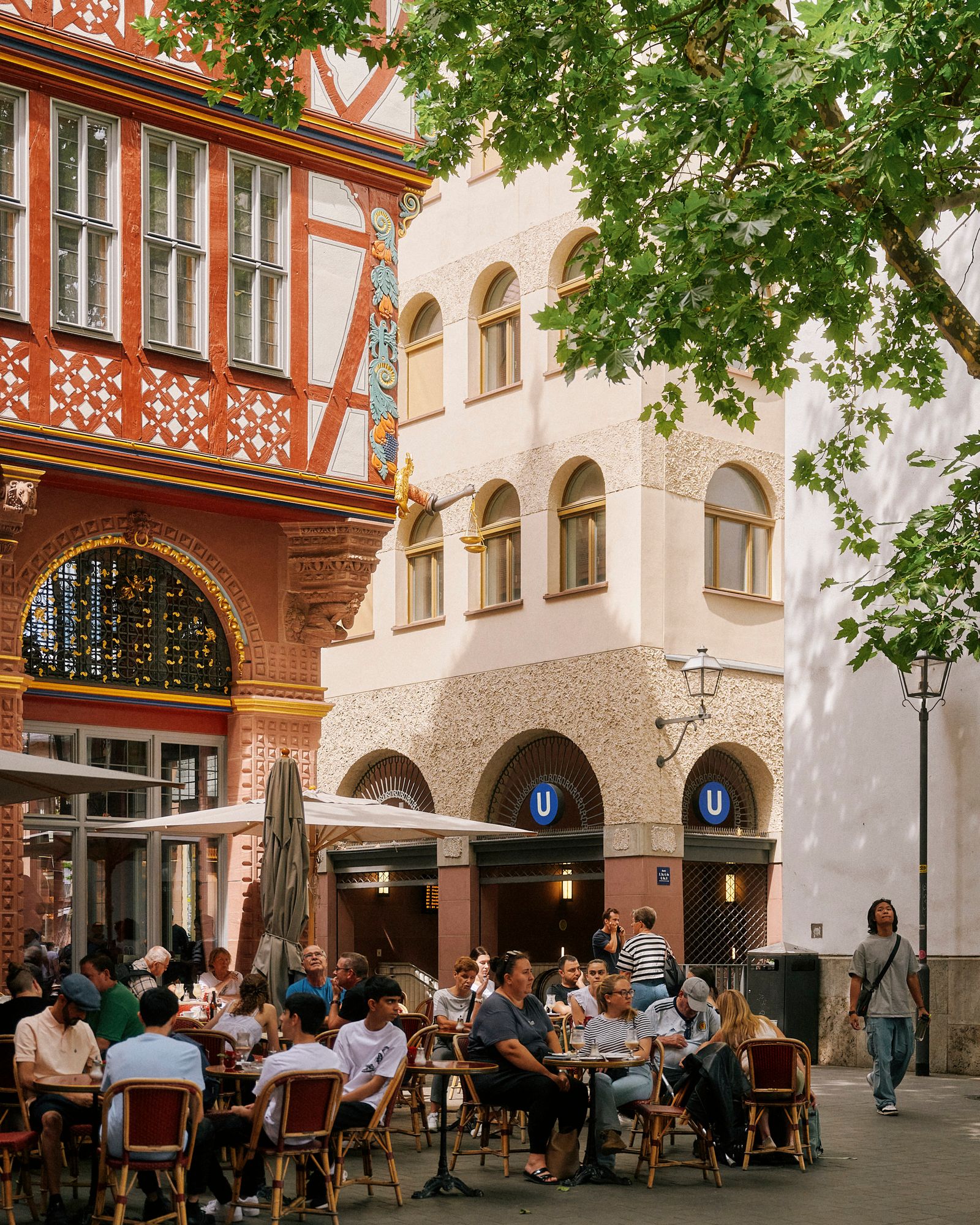
The Römerberg is Frankfurt's medieval heart, featuring iconic half-timbered houses. However, the real story is the DomRömer-Quartier, or the "New Old Town." This project painstakingly reconstructed 35 buildings (15 of them faithful to the original historical plans) that were destroyed in WWII. Walking through these narrow alleys feels like a time-traveling experience, but with 21st-century boutique shops and cafes tucked inside.
2. The Museumsufer (Museum Embankment)
With over 40 galleries, the Museumsufer is one of the most significant cultural sites in Europe.
- The Städel Museum: Essential for art lovers, housing 700 years of European art.
- Frankfurter Kunstverein: A must-visit during 2026 for its focus on contemporary social issues and design.
- Portikus: A small but influential space for experimental art located on an island in the river.
3. Sky Bar Hopping
You can't visit "Mainhattan" without getting a view from the top.
- Main Tower: The only skyscraper with a public viewing observatory.
- Long Island Summer Lounge: For a posh, Hamptons-style vibe on a rooftop.
- NFT Skybar: Located in the NH Collection, it offers some of the best 360-degree views of the city.
Practical Travel Tips for the Modern Explorer
Germany is a land of contradictions—it’s the home of high-tech engineering, but it can feel surprisingly "old school" in daily life. Here’s what you need to know before you land.
| Category | Advice |
|---|---|
| Connectivity | Skip the expensive roaming. Buy an eSIM (like Airalo or Holafly) before you land, or pick up a prepaid SIM at Frankfurt Airport. The 5G coverage in the city center is excellent. |
| Payments | Cash is King. This is the most important rule. While luxury hotels and big stores accept cards, many trendy bars, smaller cafes, and traditional apple wine pubs are "Cash Only." Always keep €50 in your wallet. |
| Transport | The S-Bahn train connects the airport to the city center in just 10-12 minutes. For exploring, use the U-Bahn and trams. If you're in a group, buy a "Group Day Ticket"—it's often cheaper than two individual round-trip tickets. |
| Language | Most people in Frankfurt speak excellent English due to the city’s international business and travel hub status, but a "Guten Tag" goes a long way. |
Pro-Tip: If you’re visiting in the summer, join the locals on the banks of the Main River. Grab a bottle of Riesling from a nearby shop, some bread and cheese, and watch the sunset behind the skyscrapers. It’s the ultimate low-cost, high-vibe Frankfurt experience.
Beyond the City: Day Trip Add-ons
If you have an extra day or two, Frankfurt serves as the perfect base for exploring the Rhineland.
- Burg Eltz: Often called the "Harry Potter" castle, this fairytale fortress is about 2 hours away. It’s nestled in a lush valley and remains one of the few German castles never destroyed by war.
- Rüdesheim am Rhein: A UNESCO World Heritage site in the Rhine Valley. Take a cable car over the vineyards for incredible views, then wander down the Drosselgasse, a narrow street famous for its wine taverns and live music.
FAQ
Is Frankfurt safe for solo travelers? Yes, Frankfurt is generally very safe. Like any major city, stay aware of your surroundings in the Bahnhofsviertel at night, but even there, the presence of trendy bars and restaurants has made the area much more vibrant and secure than in years past.
When is the best time to visit Frankfurt in 2026? Late spring (May/June) and early autumn (September/October) offer the best weather for walking tours and rooftop bars. If you want to experience the peak of the World Design Capital festivities, check the official WDC 2026 calendar for the "Design Week" dates, usually held in the summer.
Is Frankfurt expensive? It is more expensive than Berlin but cheaper than Munich. Expect to pay premium prices for luxury hotels and Michelin dining, but mid-range meals and public transport are quite reasonable.
Frankfurt is no longer just a layover destination. It’s a city that has found its soul at the intersection of high finance and high design. Whether you’re there for the Michelin-starred plates, the Bauhaus architecture, or the sheer energy of the World Design Capital events, 2026 is the year Frankfurt finally takes center stage.