Quick Facts
- The Orchestral Architect: Daníel Bjarnason, the renowned Icelandic conductor and composer, led the London Symphony Orchestra (LSO) to provide the cinematic, genre-defying backbone of Rosalía’s Lux.
- A Linguistic Odyssey: The album is a polyglot masterpiece, featuring 18 tracks performed in 13 different languages, including Mandarin, Ukrainian, Sicilian, and Arabic.
- The "Icelandic Sound": Bjarnason defines the album’s aesthetic as "ethereal and roomy," a signature of Icelandic music that prioritizes atmospheric depth and the dissolution of boundaries between classical and electronic genres.
- A Week of Intensity: The entire orchestral foundation for Lux was captured during a high-stakes, one-week recording session in London’s most prestigious studios.
Introduction: The Global Resonance of ‘Lux’
On the morning of November 7, the digital world felt a seismic shift. Rosalía, the Catalan iconoclast who previously reinvented flamenco for the TikTok generation, released Lux. Within hours, it didn’t just climb the Spotify charts; it colonized them. But Lux is not merely a collection of pop songs. It is an aural feast—a 18-track journey that spans 500 years of musical history and 13 distinct languages.
Walking through the streets of London or Reykjavik this week, one hears the echoes of this record spilling from open windows. It poses a delicious, intellectual challenge to the listener: Is this pop? Is it a contemporary mass? Is it a cinematic score for a film that doesn't yet exist? The answer lies in its breathtaking refusal to be any one thing. It is a work of radical inclusivity, blending the ancient with the avant-garde. To understand the soul of Lux, one must look beyond the neon lights of the stage and toward the podium where the orchestral landscape was born.
The Man Behind the Baton: Daníel Bjarnason
At the heart of this global phenomenon stands Daníel Bjarnason. An Icelandic composer and conductor of immense gravity, Bjarnason is a bridge-builder by nature. Known for his work with the Los Angeles Philharmonic and his own hauntingly beautiful compositions, he was the hand chosen to guide the London Symphony Orchestra (LSO) through Rosalía’s ambitious vision.
The collaboration was a marathon of creative endurance. Over the course of a single, lightning-charged week in London, Bjarnason and the LSO recorded the complex arrangements that define the album. "It was about finding a common language," Bjarnason tells me over a cup of dark, Icelandic coffee. "You have these elite classical musicians on one side and a visionary pop artist on the other. My job was to ensure that the orchestra didn't just 'play' the notes, but breathed them."
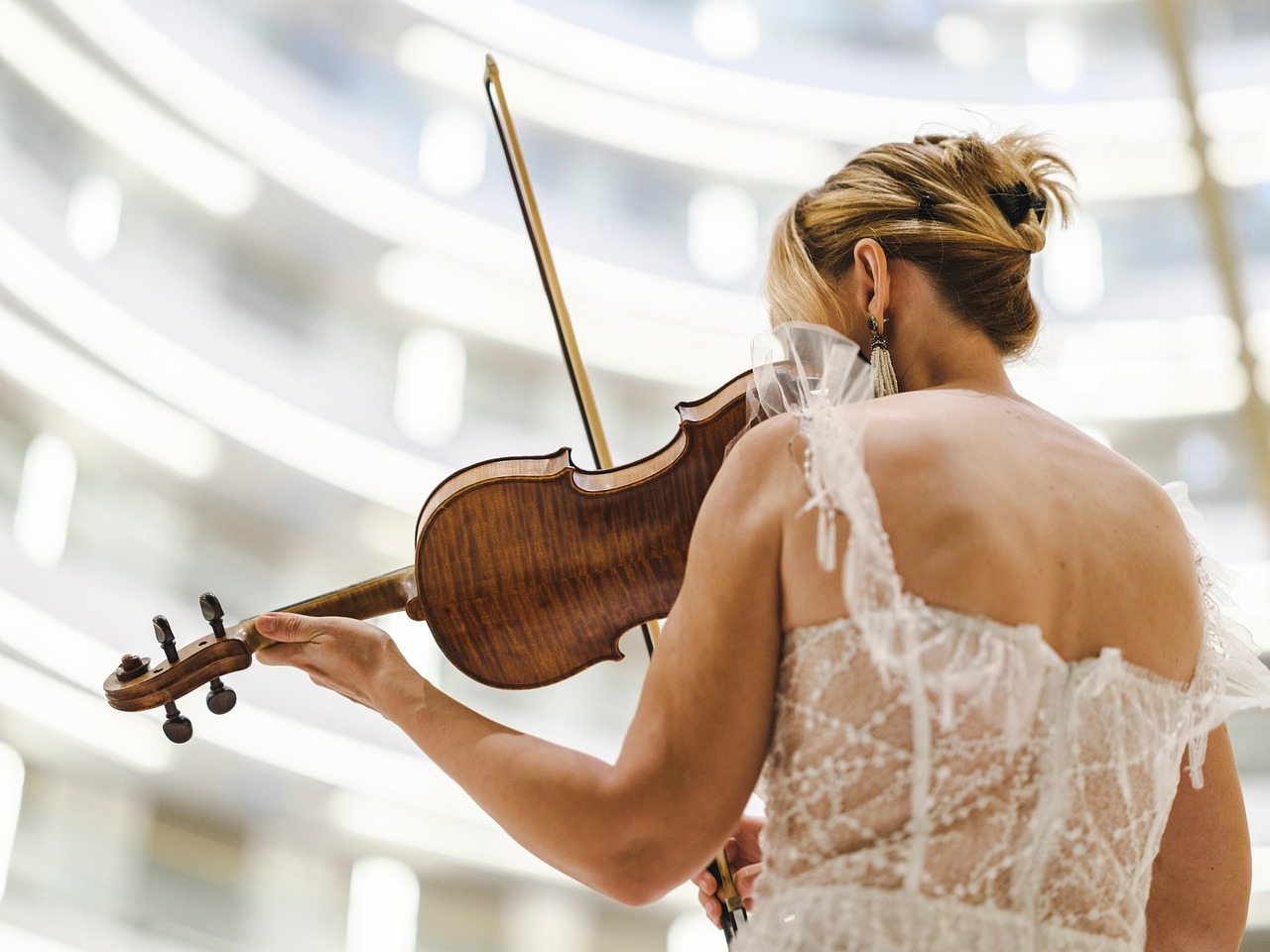
The result is a sound that feels both historic and immediate. Under Bjarnason's direction, the LSO provides a visceral, muscular framework for Rosalía’s vocals. It is a testament to the power of the conductor as an interpreter—translating a pop star’s raw emotional blueprints into the sophisticated vernacular of a hundred-piece orchestra.
A Global Vocabulary: 13 Languages and One Orchestra
Perhaps the most startling aspect of Lux is its linguistic reach. In an era where music often feels homogenized to suit English-speaking markets, Rosalía has leaned into the beauty of the "unintelligible." The album features lyrics in 13 languages, a staggering feat that turns the human voice into another orchestral instrument.
| Language | Track Context | Cultural Influence |
|---|---|---|
| Ukrainian | "Slava" | Folk choral traditions and themes of resilience. |
| Sicilian | "Mio Cristo" | 18th-century Italian Opera and sacred arias. |
| Arabic | "Zahara" | Melismatic vocal techniques and North African scales. |
| Mandarin | "Sīchóu" | Pentatonic structures and delicate woodwind accompaniment. |
| Spanish | Multiple Tracks | The foundation of Rosalía's lyricism and heritage. |
Communicating across these 13 languages required a different kind of "sign language" on the podium. Bjarnason notes that when words failed, the music spoke. Rosalía was intimately involved in the process, often sitting in the studio to provide real-time feedback on the textures of the strings or the weight of the brass. This wasn't a "remote" collaboration; it was a week-long immersion where the studio became a sanctuary for global experimentation.

Track Deep Dive: Where Pop Meets Opera
To listen to Lux is to wander through a gallery of sonic portraits. Bjarnason’s influence is most palpable when the album leans into its classical bones.
In ‘Mio Cristo piange diamanti’, we encounter a track that feels plucked from a Sicilian cathedral. The influence of Italian opera is undeniable, with an aria-like structure that demands a high degree of technical precision from the strings. Here, the LSO creates a shimmering, translucent backdrop that allows Rosalía’s voice to soar with an almost religious intensity.
‘Berghain’, on the other hand, is a thrilling contradiction. Named after the legendary Berlin techno club, the track uses Vivaldi-esque Baroque strings and rhythmic patterns reminiscent of Carl Orff’s Carmina Burana. It is a masterpiece of tension, blending the repetitive, trance-like pulse of electronic music with the organic warmth of a full orchestra.
Then there is ‘Porcelana’, a track that introduces the listener to the rare, haunting growl of the contrabass clarinet. The instrument provides a rumbling, subterranean foundation that feels ancient, like the shifting of tectonic plates. It’s a choice that reflects Bjarnason’s own penchant for exploring the extreme ranges of an orchestra to create a sense of unease and wonder.
Defining the ‘Icelandic Fingerprint’
What exactly is the "Icelandic Sound"? When people talk about Björk or Sigur Rós, they often reach for the word "ethereal," but Bjarnason’s contribution to Lux helps us define it more precisely. In the context of this album, the Icelandic fingerprint is characterized by:
- A "Roomy" Aesthetic: There is a sense of vast, open space in the recording. Even in the most climactic moments, the music feels like it has room to breathe.
- Genre-Fluidity: A refusal to categorize. In Iceland, the classical musicians play in rock bands, and the electronic producers study music theory. This boundary-free approach is what allows Lux to feel so cohesive despite its diverse influences.
- Slow-Moving Textures: A focus on long, evolving drones and shifting timbres that mirror the slow, dramatic changes in the Icelandic landscape.
"In Iceland, we don't feel the need to reduce things," Bjarnason explains. "We embrace the complexity of the world. Music should be as unpredictable and as grand as the land we come from."

Beyond the Studio: Experiencing Iceland’s Music Scene
For those who find themselves captivated by the orchestral depth of Lux, the journey shouldn't end with the album. The creative spirit that Bjarnason brought to London is rooted in the vibrant music culture of Reykjavik.
Iceland’s festival scene, specifically Innipúkinn and Iceland Airwaves, serves as a laboratory for the kind of genre-blending found in Rosalía’s work. In these venues, you might hear a string quartet followed immediately by a glitchy electronic set, often with the same performers involved in both. It is this environment that fosters artists who are comfortable navigating the complexities of a 13-language, cross-continental pop album.
Walking through Reykjavik, one can see how the environment influences the output. The sharp, clean lines of the Harpa Concert Hall—where Bjarnason often performs—reflect the "glassy" and "transparent" textures he sought for tracks like 'Porcelana'. To understand the music, you must, in some way, understand the place.

Explore Iceland Airwaves Festival →
FAQ
Who is the conductor behind Rosalía's album ‘Lux’? Daníel Bjarnason, an acclaimed Icelandic conductor and composer, led the London Symphony Orchestra (LSO) throughout the recording process. He is known for his ability to merge contemporary classical music with other genres.
How many languages are used in Rosalía's album ‘Lux’? The album is remarkably diverse, featuring 13 different languages across its 18 tracks. These include Spanish, Ukrainian, Sicilian, Arabic, Mandarin, and several others, highlighting a global musical tradition.
What makes the ‘Icelandic sound’ unique in this project? As described by Daníel Bjarnason, the Icelandic sound is characterized by an ethereal, "roomy" aesthetic. It emphasizes atmospheric textures and a boundary-free approach that comfortably blends orchestral, pop, and electronic elements into a singular vision.
Conclusion
As the final notes of Lux fade, one is left with a sense of having traveled the world without leaving the room. Through the baton of Daníel Bjarnason and the voice of Rosalía, the London Symphony Orchestra has helped create a record that is a monument to our interconnected world. It is an album that proves music is the ultimate polyglot—a language that requires no translation, only an open heart.
As for Bjarnason, his journey continues. With rumors of a new electronic-influenced orchestral project on the horizon, the conductor remains at the vanguard of modern music. Lux is not just a high point in his career; it is a signal of where music is headed: a future where the borders between the "high art" of the concert hall and the "pop pulse" of the club finally dissolve into light.