Quick Facts
- Best Time to Visit: For hiking, visit from July to September when the mountain huts (rifugi) are open and trails are clear. For skiing, head there from December to March.
- 2026 Winter Olympics: The region will host the upcoming Winter Games, centered in Cortina d'Ampezzo and the surrounding Dolomiti Superski network.
- Mountain Lodging: A rifugio is a traditional Italian mountain lodge offering hearty Alpine cuisine and overnight shelter—essential for iconic treks like the Tre Cime di Lavaredo loop.
- Skiing Scale: The Dolomiti Superski region is one of the world's largest, featuring 450 lifts and 745 miles of connected ski runs across 12 distinct areas.
- Accessibility: The landscape is supported by over 1,000 mountain rifugi, creating Europe's densest network of high-altitude lodges for adventurers.
I still remember the first time I crested the Passo Gardena at sunrise. The jagged, pale limestone peaks of the Dolomites didn't just look like mountains; they looked like a cinematic masterpiece carved by a giant with a penchant for drama. Unlike the rounded, green slopes of the Swiss Alps or the rugged granite of the French peaks, the Dolomites possess an "earthier" and humbler vibe that feels uniquely Italo-Germanic. It’s a place where you can spend your morning conquering a vertical via ferrata and your afternoon indulging in a three-course Ladin lunch that will leave you in a blissful food coma.
Whether you're an alpine junkie looking for the next big peak or a leisure traveler wanting to soak in a hay bath at a world-class spa, the Dolomites offer a variety of experiences that are hard to match anywhere else in Europe. With the world's eyes turning toward this region for the 2026 Winter Olympics, there has never been a better time to plan your expedition.
2026 Winter Olympics: The Center of Action
The buzz in the valleys is palpable. The Dolomites are gearing up to host the 2026 Winter Olympics, specifically centering on the Cortina d'Ampezzo region and the surrounding Dolomiti Superski network. This isn't just about a few weeks of competition; it's a celebration of a region that has lived and breathed winter sports for over a century. Cortina, often called the "Queen of the Dolomites," is already legendary for its glitzy ski scene and history, having hosted the Games once before in 1956.
The scale of the infrastructure here is staggering. The Dolomiti Superski region provides a massive playground for winter sports, featuring 450 lifts and 745 miles of connected skiable piste across 12 distinct areas. During the Games, these slopes will see the world’s elite athletes, but for us mortals, it means significant infrastructure upgrades—better transport, modernized lifts, and even more refined hospitality. I recommend visiting either in the lead-up to the games to catch the pre-Olympic excitement or during the event if you want to be part of one of the biggest parties in Alpine history.

When to Visit: A Seasonal Breakdown
Timing your trip to the Dolomites is everything. Unlike a city break in Rome or Venice, the mountains dictate your itinerary based on the snow line.
Prime Hiking: July to September
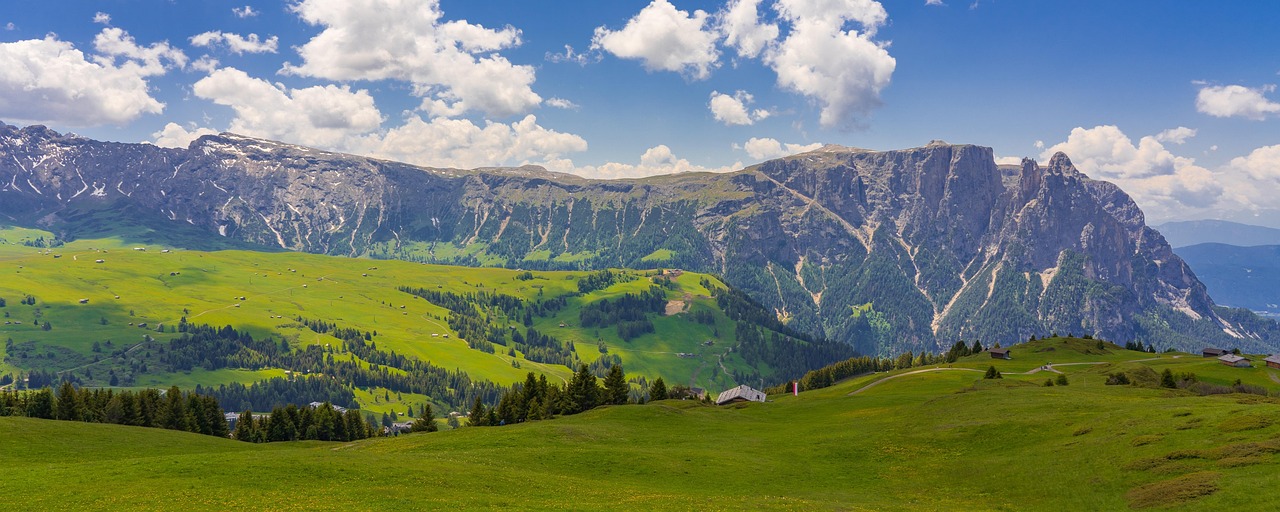
If you’re here for the boots-on-the-ground experience, this is your window. The snow has finally melted from the high passes, and the 1,000+ mountain rifugi are in full swing.
- July & August: These are the warmest months. The high-altitude meadows are carpeted in wildflowers, and every lift is operational. However, be prepared for crowds at the "Instagram" spots like Lago di Braies.
- September: This is my personal favorite time. The "golden light" of autumn begins to hit the limestone, the air is crisp, and the summer crowds have thinned significantly. It’s the perfect time for long-distance treks like the Alta Via 1.
Prime Skiing: December to March
For the powder hounds, the winter season is unparalleled.
- December: The valley towns transform into Christmas wonderlands with traditional markets and the scent of mulled wine.
- January & February: These are the most reliable months for snow cover. The Sellaronda, a 27-mile ski circuit that circles the Sella massif, is a must-do for any intermediate or advanced skier.
Navigating the Regions: Where to Base Yourself
The Dolomites are vast, spanning across the provinces of South Tyrol, Belluno, and Trentino. Understanding the vibe of each region will save you a lot of driving time.
The East (Cortina d'Ampezzo)
This is the "Old Money" of the Dolomites. It’s glitzy, historic, and undeniably beautiful.
- Vibe: High-end boutiques, fur coats, and world-class après-ski.
- Best For: Access to the Tre Cime di Lavaredo, the Olympic venues, and luxury stays. If you want to feel like you’re in a James Bond film (fun fact: For Your Eyes Only was filmed here), this is your spot.
The Central (Val Gardena)
Val Gardena is where the hardcore mountain culture lives. It’s a hub for Ladin heritage—a unique linguistic and cultural group that has inhabited these valleys for centuries.
- Vibe: Authentic, athletic, and welcoming.
- Best For: The Sellaronda ski circuit, the famous Seceda ridgeline, and the massive Alpe di Siusi plateau. Towns like Ortisei and Selva offer some of the best ski-in/ski-out or hike-in/hike-out access in the region.
The West (Bolzano & Merano)
As you move west, the terrain softens slightly into rolling vineyards and palm-lined promenades in Merano, while the peaks of the Sciliar loom in the background.
- Vibe: Mediterranean meets Alpine. Think wellness retreats and vineyard tours.
- Best For: Spas, easier city access, and families looking for gentler terrain.
The Great Outdoors: Hiking & Skiing Highlights
I’ve hiked a lot of trails in my life, but nothing quite matches the infrastructure of the Dolomites. The secret sauce? The Rifugio.
Summer Must-Dos
A rifugio is a traditional Italian mountain lodge providing hearty Alpine cuisine and overnight shelter. They are the backbone of the Dolomites experience. You don’t need to carry a heavy tent; you just need a liner for your bunk and an appetite for polenta.
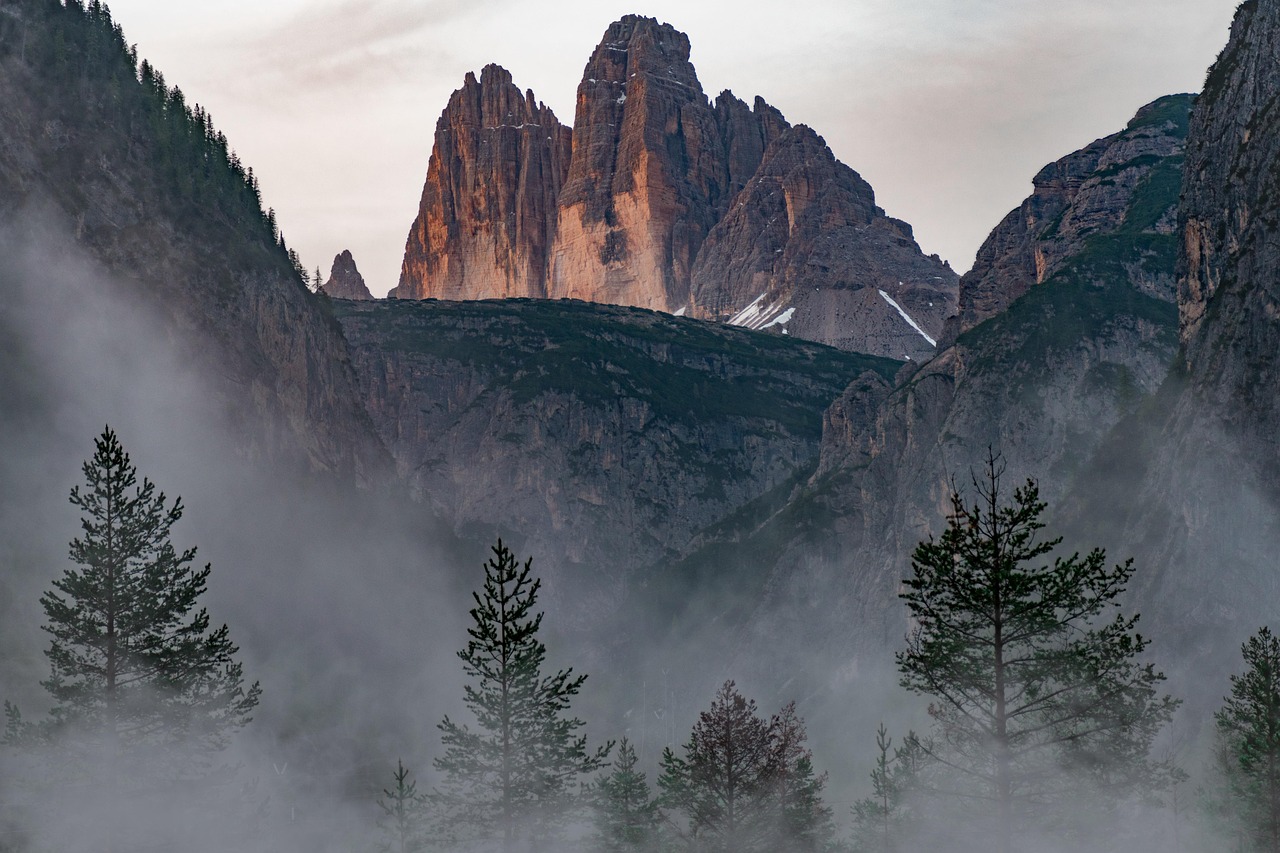
- Tre Cime di Lavaredo: The undisputed icon. These three massive "chimneys" of rock are the postcard of the region. I highly recommend starting your hike by 8:00 AM. The loop trail is relatively flat and accessible, but the crowds can be intense by midday.
- Seceda: For that famous razor-edge mountain view, take the cable car from Ortisei. From the top, you can hike down through meadows to various rifugios like Geisleralm, which I personally consider the best spot for a lunch with a view.

Winter Must-Dos
- The Sellaronda: It’s more of an epic journey than just a ski run. You can go clockwise (orange route) or counter-clockwise (green route) around the massive Sella massif. It’s 27 miles of pure Alpine bliss.
- Snowshoeing in Alpe di Siusi: If you aren't a downhill skier, don't worry. The Alpe di Siusi is Europe’s largest high-altitude alpine meadow and offers hundreds of miles of quiet, groomed trails for snowshoeing and cross-country skiing.
Alpine Recovery: Wellness & Dining
After a day of vertical gain, your body needs more than just a nap. The Dolomites take "Alpine Wellness" very seriously.
The Food Scene
Forget your standard pizza and pasta. Here, the food is a heavy, delicious mix of Italian and Austrian influences.
- Canederli: Bread dumplings usually served in broth or with melted butter and Speck (smoked ham).
- Venison & Polenta: A staple of the mountain rifugi.
- Kaiserschmarrn: A shredded pancake with jam—perfect for a mid-hike sugar boost.

Where to Stay
- Luxury: For those wanting the ultimate in refined mountain living, Forestis offers an incredible ski-in/ski-out experience with architecture that blends into the pines. In Cortina, Hotel de Len offers a modern, sustainable take on the classic alpine lodge.
- Mid-Range: Look for "Garni" hotels (Bed & Breakfasts). Hotel Ambra in Cortina is a fantastic boutique option that captures the spirit of the town without breaking the bank.
7-Day Mini Itinerary Snapshot
If I were planning your first trip, this is exactly how I would split the week to see the "Best of the Best."
- Day 1-3: Cortina d'Ampezzo Base
- Arrive from Venice (2-hour drive).
- Hike the Tre Cime di Lavaredo loop.
- Visit Lago di Braies (Pragser Wildsee) early in the morning for the reflections.
- Day 4: The Great Drive
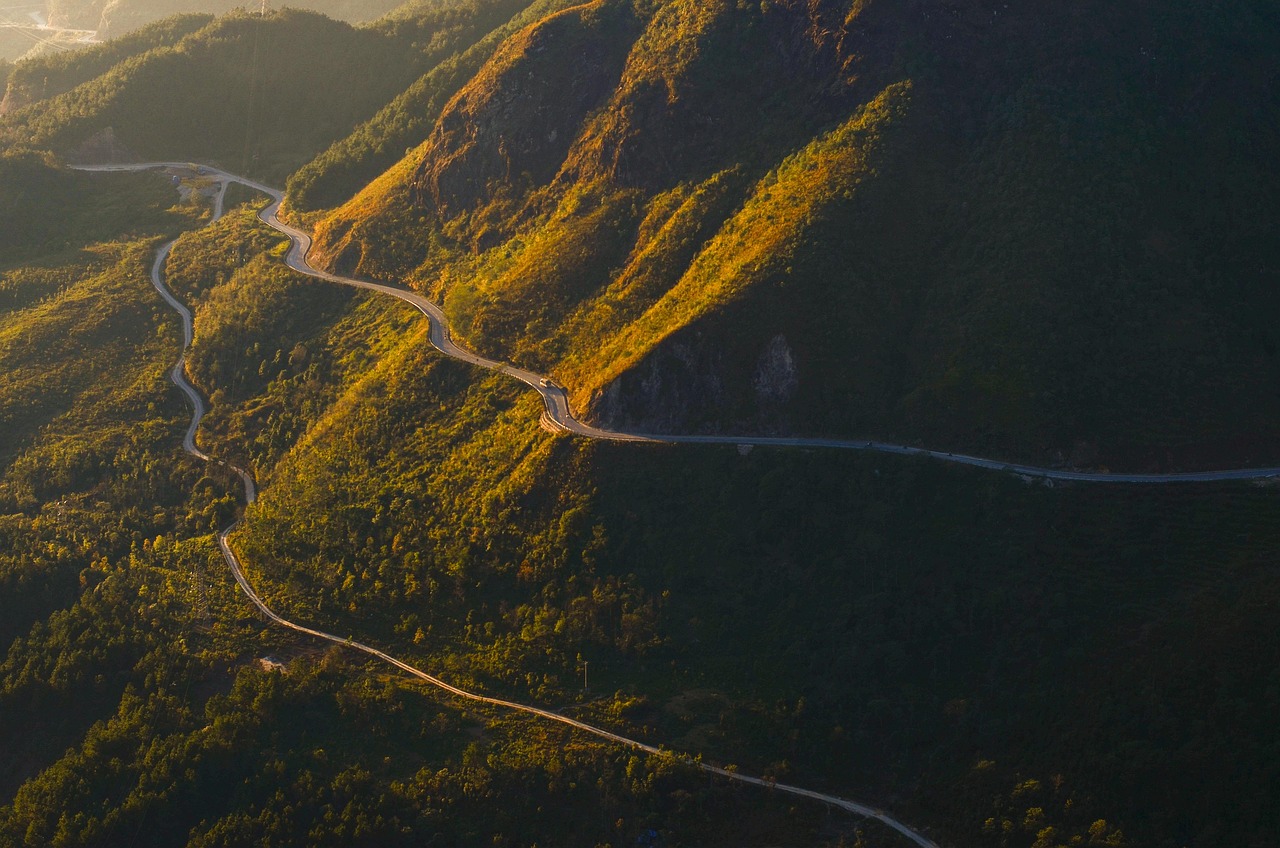
- Transfer from Cortina to Val Gardena via the Passo Gardena. This is one of the most scenic drives in the world. Stop at the top for a quick espresso and a photo.
- Day 5-7: Val Gardena Base
- Take the lift to Seceda and hike down to Rifugio Firenze.
- Spend a day on the Alpe di Siusi, exploring the meadows.
- End with a spa day in Ortisei.
Essential Logistics
Getting There
The easiest way to reach the Dolomites is by flying into Venice Marco Polo (VCE) or Innsbruck (INN) in Austria. From Venice, it’s a straightforward 2-hour drive to Cortina.
Getting Around
While public transport (especially the bus system in Val Gardena) is surprisingly good, I strongly recommend a car rental. Having your own wheels allows you to reach trailheads before the tour buses arrive and gives you the freedom to chase the best weather across different valleys.
Language & Culture
Don't be surprised if you hear three different languages. While everyone speaks Italian, German is the primary language in many northern valleys, and Ladin is spoken by the locals in Val Gardena and Val Badia. Learn a few words of Ladin like “Bun dé” (Good day) to earn some serious respect from the locals.
FAQ: Dolomites Travel Essentials
Do I need to be an expert hiker to visit? Absolutely not. While there are extreme via ferrata and technical climbs, the region is famous for its cable car network. You can take a lift to 2,500 meters and walk along perfectly flat, gravel paths with world-class views.
How expensive are the Dolomites compared to the Swiss Alps? Generally, the Dolomites are significantly more affordable than Switzerland or the French Alps. A meal at a mountain rifugio or a mid-range hotel will typically cost 30-40% less than in Zermatt or Courchevel.
Is it safe to drive the mountain passes in winter? The roads are exceptionally well-maintained, but winter tires and/or snow chains are mandatory from November to April. If you aren't comfortable with hairpin turns and steep drops, stick to the valley buses.
Ready for Your Adventure?
The Dolomites aren't just a destination; they’re an experience that sticks with you long after the red "Enrosadira" (the alpine glow) has faded from the peaks. Whether you’re coming for the 2026 Winter Olympics or a quiet summer trek, this region offers a sense of wonder that few places on Earth can match. Pack your boots, bring your appetite, and prepare to be floored by the most beautiful mountains in Italy.