Quick Facts
- The Northernmost Escape: Nordenskiöld Lodge in Svalbard holds the title of the northernmost commercial lodge in the world, offering a raw, unfiltered encounter with glaciers and polar wildlife.
- The Arctic Hawaii: The Lofoten Islands, particularly the village of Henningsvær, are nicknamed the 'Hawaii of Norway' for their striking turquoise waters and dramatic peaks.
- Design Heritage: Fuglen in Oslo is a global design icon, having preserved its original 1963 vintage interior while expanding its mid-century Norwegian aesthetic to multiple locations in Japan.
- Historical Hospitality: Hotel Union Øye near Ålesund is a living museum of 19th-century hospitality, famously serving as a bridge between Norwegian fjord culture and the golden age of British travel.
Introduction: Finding Silence Between the Tours
To understand the music of Sigrid, one must understand the silence of her homeland. For the Norwegian pop sensation, the stage—lit in neon and filled with the roar of thousands—is balanced by a visceral need for the "hardcore nature" of the North. It is a land where the mountains don’t just sit on the horizon; they press against the soul. In this insider guide, we trace Sigrid’s footsteps from the frozen, jagged edges of Svalbard down to the vintage-scented streets of Oslo.
This isn’t just a travel itinerary; it is a sensory map of a country defined by its extremes. Whether it’s the smell of fresh cardamom buns after a cross-country ski or the sight of a calving glacier in the high Arctic, Norway offers a peculiar kind of magic—one that Sigrid carries into her songwriting. As we travel from the North Pole’s doorstep to the urban heart of Scandinavia, we find a landscape that is both intimidatingly grand and remarkably "koselig" (cosy).
Svalbard: Into the Arctic Wild
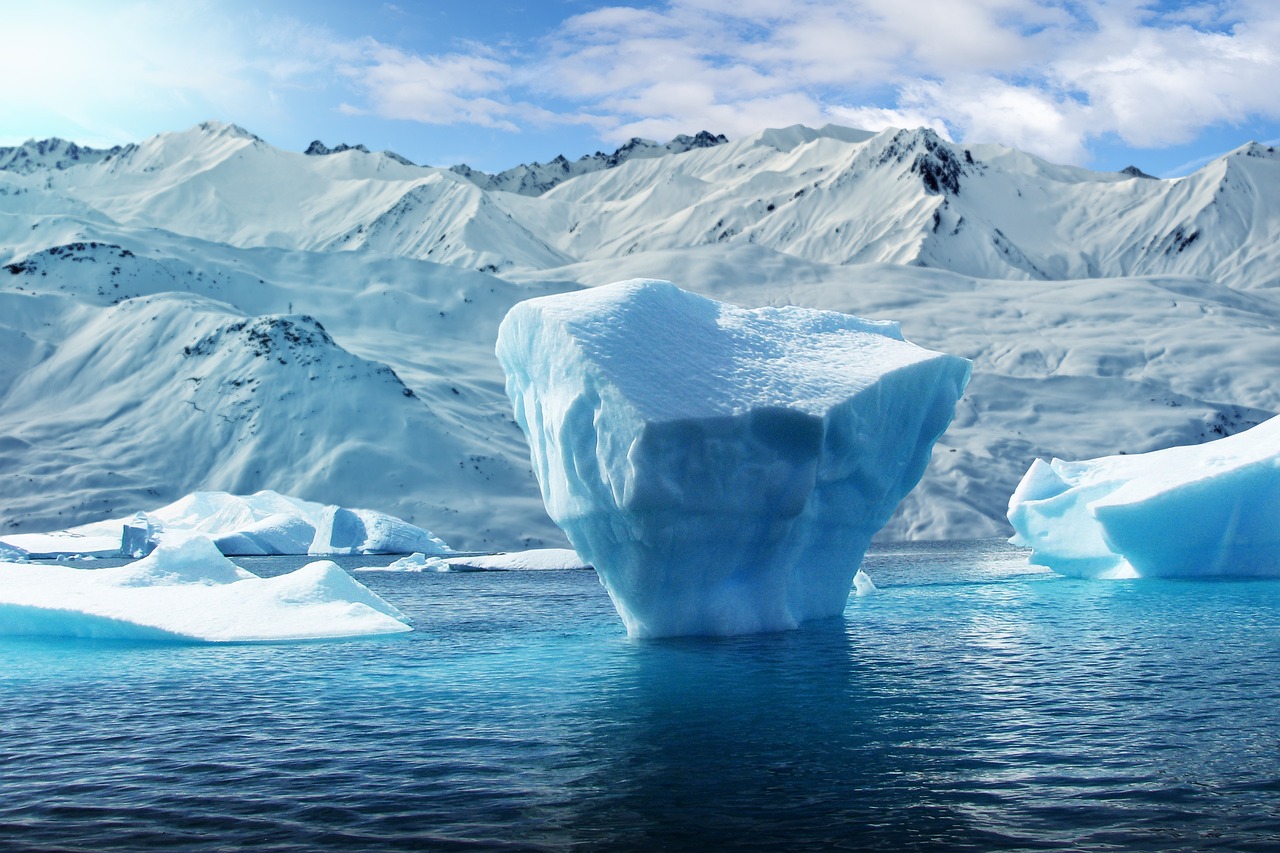
There is a place where the map almost ends, and the wild takes over entirely. Svalbard is not for the faint of heart. It is a land of 24-hour sun in the summer and perpetual blue twilight in the winter. For Sigrid, this is the ultimate recharge—a place where the scale of nature makes human worries feel beautifully insignificant.
The crown jewel of this experience is Nordenskiöld Lodge. As the northernmost commercial lodge on the planet, it sits in the shadow of the mighty Nordenskiöld glacier. Staying here is an exercise in true isolation; there is no running water or electricity in the traditional sense, but there is a luxury found in the silence. Sigrid often recalls the thrill of glacier kayaking and the constant, humbling awareness that you are in polar bear territory.
"In Svalbard, you feel like a guest in nature's house. You don't go anywhere without an armed guide, not because of aggression, but out of a deep respect for the apex predators that own this ice."
While the environment is rugged, the experience is strangely meditative. The lodge offers a front-row seat to the cracking of ancient ice, a sound like a gunshot echoing across the fjord. It is a reminder that the earth is a living, breathing thing.
The Lofoten Islands: Norway’s Arctic 'Hawaii'
Moving south to the Lofoten Islands, the landscape shifts from white and grey to a startling palette of emerald and cyan. This archipelago is often called the 'Hawaii of Norway,' particularly the fishing village of Henningsvær. From a distance, the white sandy beaches and crystal-clear turquoise waters look like they belong in the South Pacific—until you dip a toe in and realize the water is a bracing 8 degrees Celsius.
For Sigrid, Lofoten is about the harmony of community and landscape. She recommends Trevarefabrikken, an old cod-liver oil factory turned into a cultural sanctuary. It is a place where you can spend the morning in a sauna overlooking the sea, the afternoon in a yoga class, and the night dancing to local DJs under the midnight sun. It captures the modern Norwegian spirit: respectful of heritage, yet vibrantly contemporary.
Traveling through Lofoten is best done at your own tempo. Sigrid suggests renting a car and simply driving. The road winds through tunnels and over bridges that feel like they are leaping between mountain peaks.
- Henningsvær: Explore the art galleries and the world’s most scenic football pitch.
- Kvalvika Beach: A hike that rewards you with a crescent of golden sand hidden between vertical cliffs.
- Reine: The quintessential postcard view of red "rorbu" (fisherman's huts) against jagged peaks.
Ålesund: Roots and Fjord Romance
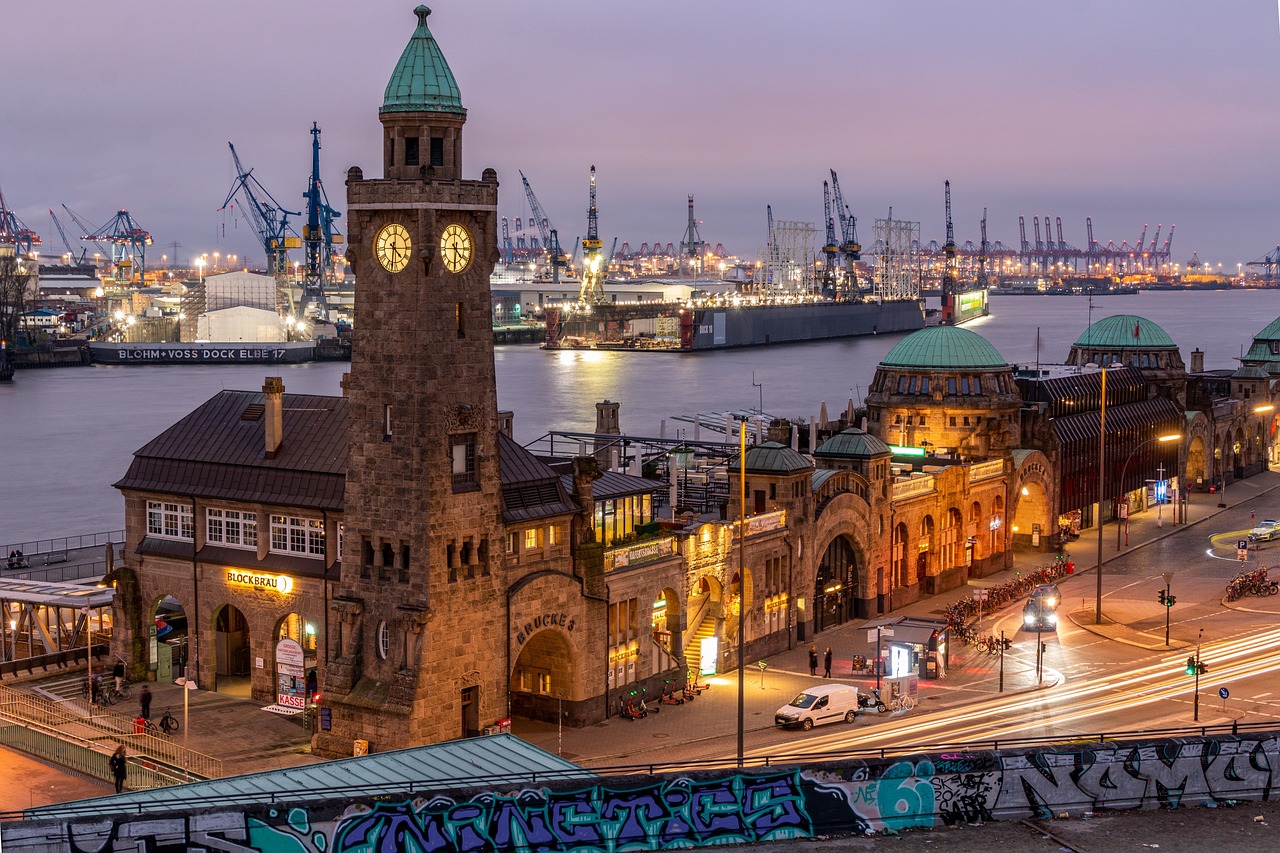
Ålesund is where Sigrid’s story begins. The city is famous for its Art Nouveau architecture—a result of a devastating fire in 1904 that led to a complete rebuild in the ornate style of the time. But for a local, the city’s heart lies in the surrounding Sunnmøre Alps.
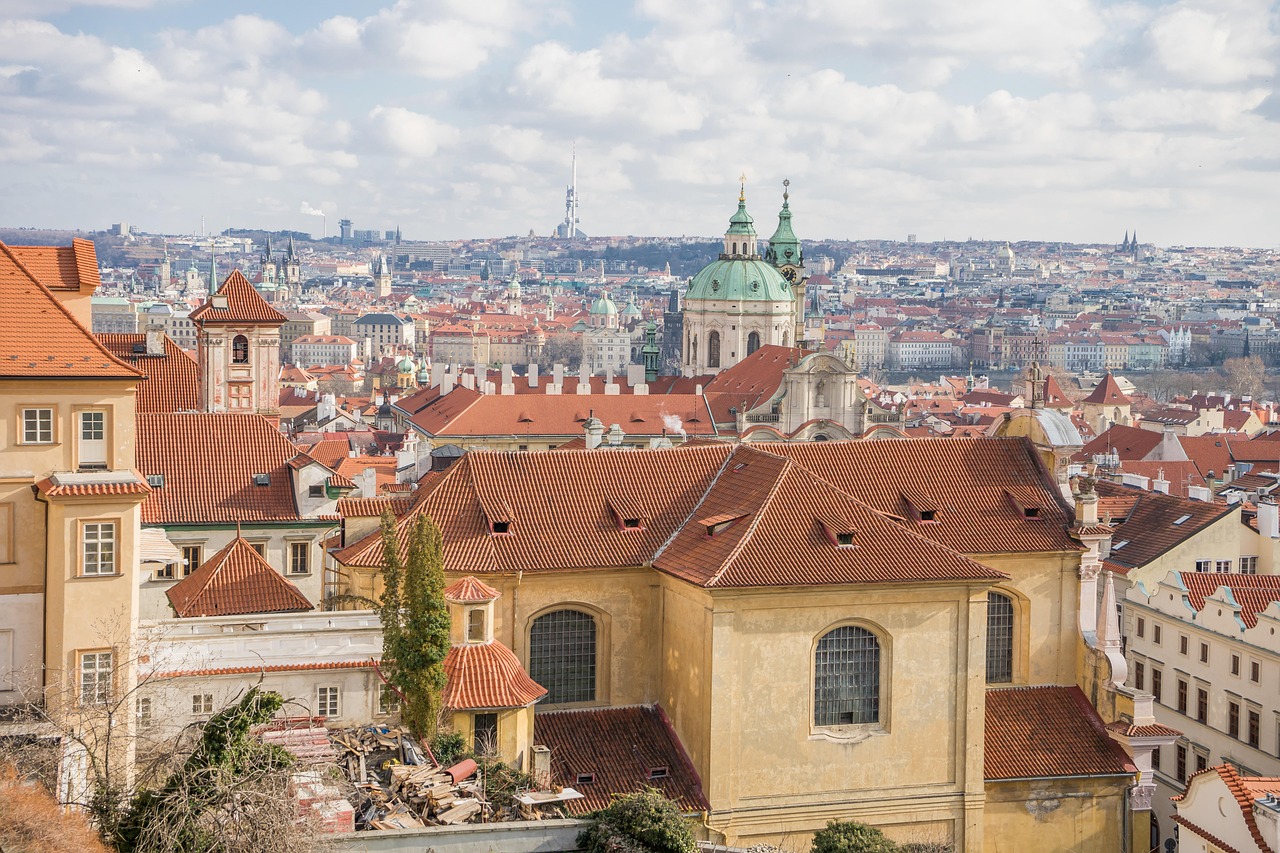
If you want to experience the romanticism of the 1800s, Sigrid points toward Hotel Union Øye. This establishment represents a 19th-century hospitality legacy that connects Norwegian fjord nature with British travel history. It has hosted royalty, explorers like Roald Amundsen, and writers like Sir Arthur Conan Doyle. The hotel has been meticulously preserved, with each room named after a famous guest, offering a portal into a time when travel was an epic, slow-moving adventure.
Food in Ålesund is deeply tied to the sea. Sigrid’s top recommendation is Bro Kystgastronomi, a restaurant that elevates coastal ingredients into fine art. Using local Borgundfjord cod, hand-dived scallops, and seasonal forest finds, the chefs here tell the story of the coastline through every plate.
After a heavy meal, do as Sigrid does and head for the mountains. Vasstrandegga is her favorite 'backyard' hike—a trail that offers panoramic views of the city and the fjords without the crowds of more famous tourist tracks.
Experience 19th-Century Luxury →
Oslo: The Urban Heart and Vintage Soul
Finally, we arrive in Oslo. While it is the capital, Oslo never loses its connection to the wild. It is a city where you can take a subway directly to a ski slope. For Sigrid, Oslo is about curated aesthetics and the warmth of "hverdag" (everyday life).
Her first stop is always Fuglen. This isn't just a coffee shop; it’s a time capsule. Fuglen Oslo has maintained its original 1963 vintage design heritage, featuring mid-century Norwegian furniture and a mood that shifts seamlessly from a bright espresso bar by day to a sophisticated cocktail den by night. Its success in exporting the "Norwegian cool" aesthetic is evident in its successful expansion to multiple locations in Japan, making it a bridge between Oslo and Tokyo design sensibilities.
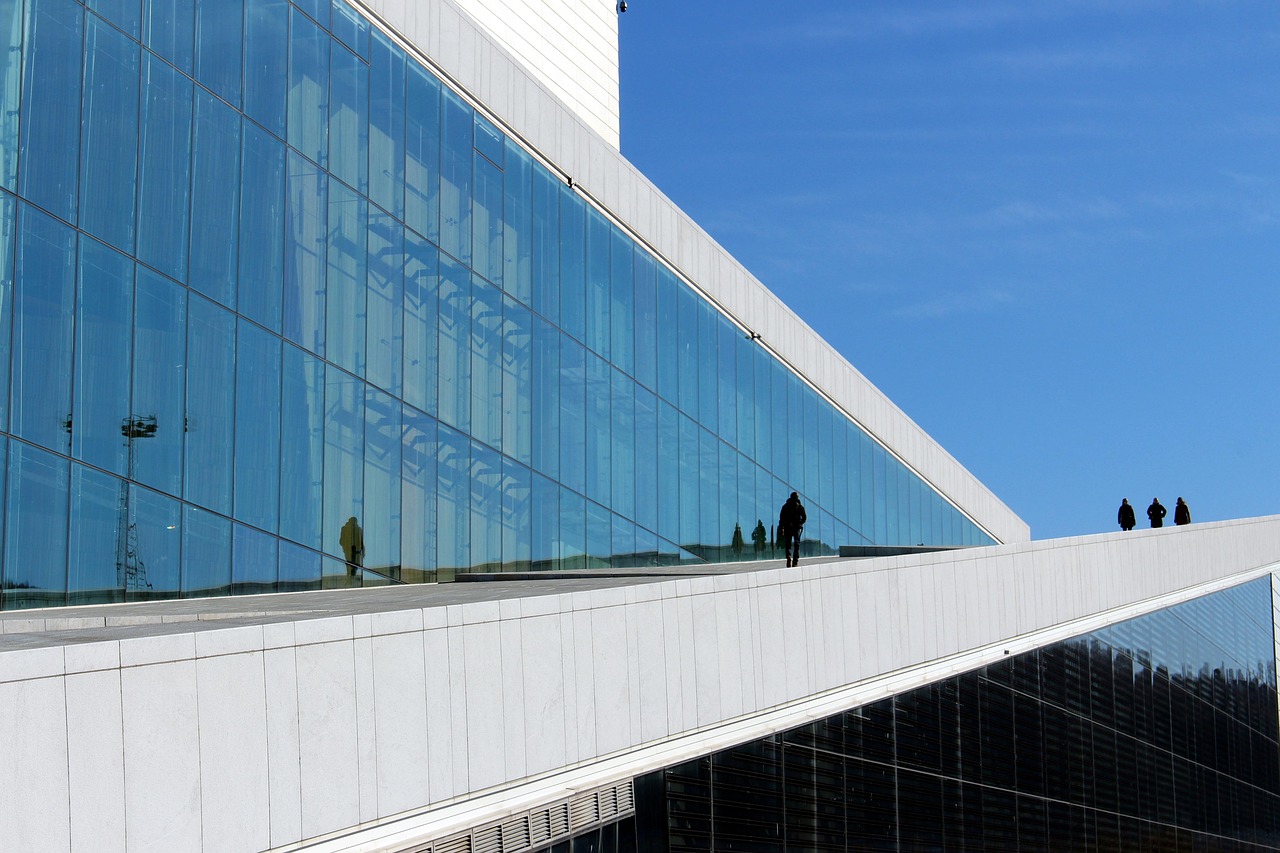
For culture, the Oslo Opera House is a mandatory pilgrimage. Designed by Snøhetta, the building is meant to be climbed. Walking on its white marble roof feels like traversing a man-made glacier, offering a stunning vista of the Oslofjord.
Sigrid’s Oslo Favorites:
- Gimle Kino: A vintage cinema where you can watch a film from plush velvet seats while sipping a glass of wine. It feels like stepping back into the golden age of film.
- Skjennungstua: To find the soul of Oslo, you must go into the woods (Marka). Sigrid recommends cross-country skiing or hiking to this cabin for what are arguably the best buns in the country.
- The Munch Museum: A towering tribute to Norway’s most famous artist, Edvard Munch, offering a haunting look at the human psyche.
Practical Itinerary: Driving the Scenic Routes
To see Norway as Sigrid does, you must embrace the road. The country's infrastructure is an engineering marvel, featuring the world’s longest tunnels and ferries that serve as floating social hubs.
The best time to visit is during the shoulder season—late May to June. During this window, the waterfalls are at their most powerful from the melting snow, the apple blossoms are out in the fjords, and the "midnight sun" begins to stretch the days into infinity.
When planning your route, look for the designated "National Scenic Routes." These eighteen stretches of road are curated for their beauty and architectural interventions (like the famous rest stops that look like modern art galleries). Be prepared for the "Snow Roads" over the high mountain passes, where walls of snow can still stand ten feet high even in mid-summer.
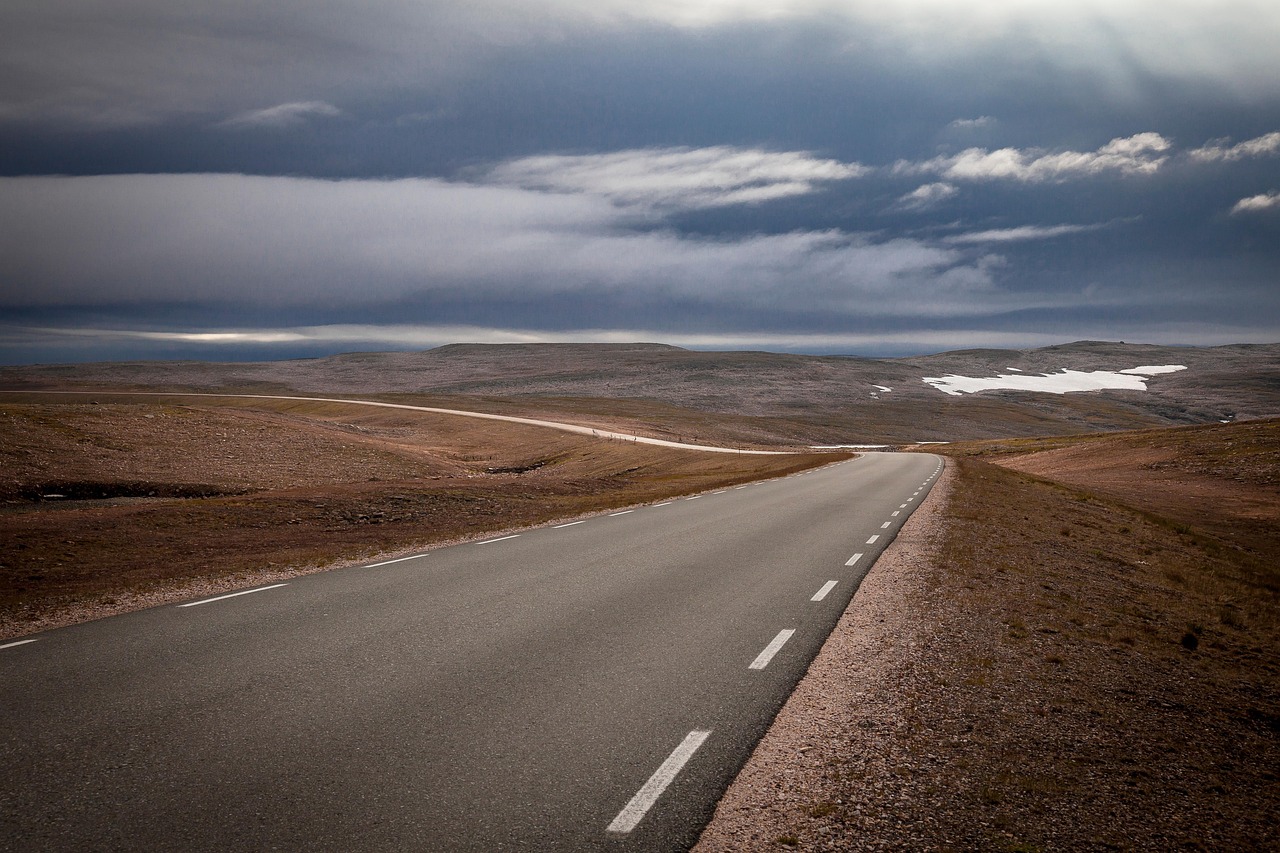
A Sample 10-Day Sigrid-Inspired Loop:
- Days 1-3: Svalbard. Fly into Longyearbyen. Dog sledding or glacier trekking. Stay at Nordenskiöld Lodge.
- Days 4-6: Lofoten. Fly to Leknes. Rent a car. Stay in a rorbu in Henningsvær. Hike to Kvalvika.
- Days 7-8: Ålesund. Fly to Vigra. Stay at Hotel Union Øye. Dine at Bro.
- Days 9-10: Oslo. Explore the vintage shops of Grünerløkka, coffee at Fuglen, and a final sunset on the Opera House roof.
FAQ
Is it safe to travel to Svalbard without a guide? Absolutely not. Outside the main settlement of Longyearbyen, you are required by law to carry a firearm for polar bear protection. For travelers, it is highly recommended to book excursions with professional, armed guides who understand the terrain and wildlife behavior.
How do I get around the Lofoten Islands? While there are buses, they are infrequent. The best way to experience Lofoten is by renting a car. This gives you the freedom to explore remote beaches and follow the light, which is essential for photographers and those wanting to avoid the tourist buses.
What should I pack for a summer trip to Norway? The "layering" rule is king. Even in July, temperatures in the north can drop to 5°C. Bring a high-quality windproof and waterproof shell, wool base layers (merino is best), and sturdy hiking boots.
Conclusion: The Call of the North
Norway is a place that demands something of you. It asks you to be brave in the face of the cold, to be patient with the winding roads, and to be still enough to hear the wind in the pines. As Sigrid’s guide shows us, the reward for this effort is a profound sense of clarity. From the mid-century charm of an Oslo cafe to the ancient ice of a Svalbard glacier, Norway offers a journey that is as much about the inner landscape as the outer one.