Quick Facts
- Rollout Start: March 2026
- Fleet Target: Over 300 aircraft including Boeing 787-10 and 787-8 models
- Connection Speed: Up to 500 Mbps broadband throughput via LEO satellites
- Cost: 100% Free for all passengers across every cabin class
- Capability: Permits high-definition streaming, gaming, and video calls via Zoom/FaceTime
- Availability: Gate-to-gate connectivity functional from boarding until landing
British Airways is integrating starlink aviation technology across its global fleet starting in 2026. This setup utilizes a low earth orbit satellite constellation to provide a starlink aviation internet speed of up to 500 Mbps, enabling passengers in all cabins to access free high-speed internet for streaming, gaming, and professional productivity tasks. As the first UK carrier to officially permit video calls mid-flight, the airline is redefining the standards of in-flight connectivity.
For decades, the "airplane mode" lifestyle was a forced sanctuary or a source of professional frustration, depending on your perspective. British Airways has signaled a decisive end to the era of sluggish, expensive, and unreliable sky-high internet. By partnering with SpaceX, the airline is not just upgrading its WiFi; it is fundamentally altering the digital nomad lifestyle for those traversing the Atlantic or navigating long-haul routes to Asia. This move is a centerpiece of the carrier’s broader £7 billion transformation program, aimed at modernizing every facet of the passenger journey.
The Technical Edge: Why Starlink Aviation is Different
The shift to starlink aviation represents more than just a speed upgrade; it is a transition from legacy geostationary (GEO) satellite technology to a low earth orbit (LEO) network. Traditional in-flight WiFi relies on satellites positioned 35,000 kilometers above the Earth. This massive distance creates significant signal latency—the delay between clicking a link and the page loading. In contrast, the SpaceX network operates at an altitude of approximately 550 kilometers.
This proximity reduces signal latency to a level where the internet experience mirrors a home or office fiber connection. For the business traveler, this means that the lag often associated with cloud-based applications or complex security protocols is virtually eliminated. The sheer satellite internet bandwidth available through this constellation allows for a massive broadband throughput, supporting hundreds of simultaneous high-demand users on a single aircraft without the "throttling" common in current systems.
Furthermore, starlink aviation is designed for gate-to-gate connectivity. Unlike systems that only activate above 10,000 feet, this technology allows passengers to remain connected while the aircraft is taxiing and during takeoff and landing. For the modern professional, this ensures that a Zoom briefing started in the lounge can continue uninterrupted until the wheels touch the tarmac in Houston or London.
British Airways Starlink Rollout Schedule and Fleet
The implementation of this technology is an ambitious logistical undertaking. British Airways launched its first Starlink-equipped commercial flight on March 19, 2026, utilizing a Boeing 787-8 aircraft on the critical London Heathrow to Houston route. This served as a proof-of-concept for the high-capacity demands of a long-haul business corridor.
Following the initial success, the british airways starlink rollout schedule anticipates a rapid expansion across the global fleet. The airline aims to complete the installation of free, high-speed WiFi across its entire fleet of more than 300 aircraft by March 2028. This comprehensive update covers:
- Long-haul fleet: The Boeing 787-10 and 787-8 aircraft are being prioritized to satisfy the needs of cross-continental business travelers.
- Short-haul fleet: Euro Traveller and Club Europe cabins will also see the upgrade, ensuring a consistent experience regardless of flight duration.
- Fleet modernization: The integration coincides with the introduction of new cabin interiors and next-generation seating, creating a unified luxury environment.
As the starlink aviation fleet grows, the airline is effectively removing the connectivity "lottery" that travelers currently face, where internet quality depends entirely on which specific airframe is assigned to their flight.
Pricing and Access: The Starlink Aviation Plan
In a bold departure from the tiered pricing models of its competitors, the current starlink aviation plan adopted by British Airways is simple: it is free for everyone. Previously, high-speed access was often locked behind a paywall or reserved for those in First or Club World cabins. This democratization of data is a strategic play to regain market share from other premium carriers who still charge for significant bandwidth.
Under the new starlink aviation plans, there are no vouchers to buy and no complicated login procedures that require frequent re-authentication. The starlink aviation price for the passenger is effectively folded into the value proposition of the ticket. This approach acknowledges that in 2026, high-speed connectivity is no longer a luxury "extra"—it is a basic expectation, much like running water or electricity in a hotel room.
From a critic’s perspective, this moves British Airways ahead of many European rivals. While some carriers offer free messaging (text only), providing full 500 Mbps access to every seat in the back of the plane is a significant financial and technical commitment. It positions the airline as a leader in fleet modernization, particularly for those who prioritize professional productivity during their ten-hour transoceanic jumps.
Etiquette and Use: Making Video Calls on Airplanes
Perhaps the most controversial aspect of this announcement is the official permission of voice and video calls. British Airways is the first UK carrier to officially allow this practice, provided that certain social protocols are met. While the technology easily handles the bandwidth for high-definition video conferencing, the social implications are another matter.
Surveys often show significant passenger skepticism regarding voice calls, with some reports indicating up to 96% opposition from travelers who cherish the quiet of the cabin. To balance innovation with cabin ambience, the airline has issued specific guidance on passenger etiquette. If you are planning on making video calls on airplanes with starlink, consider the following:
- Mandatory Headphones: Noise-canceling headphones are essential. Using speakers for any audio or video content remains strictly prohibited to respect the privacy of neighbors.
- Volume Control: Low voices are encouraged. The cabin environment is shared, and loud business negotiations or personal calls can quickly become a nuisance in the confined space of a Boeing 787-10.
- Timed Usage: While gate-to-gate connectivity is available, frequent callers should be mindful of "quiet hours" on overnight flights when most passengers are attempting to sleep.
Understanding how to use british airways starlink wifi is straightforward. Upon boarding, passengers can simply select the network from their device settings, follow a one-click authentication page, and gain immediate access to the full 500 Mbps stream. This ease of use is intended to reduce friction for those who need to jump straight into a Zoom or FaceTime session.
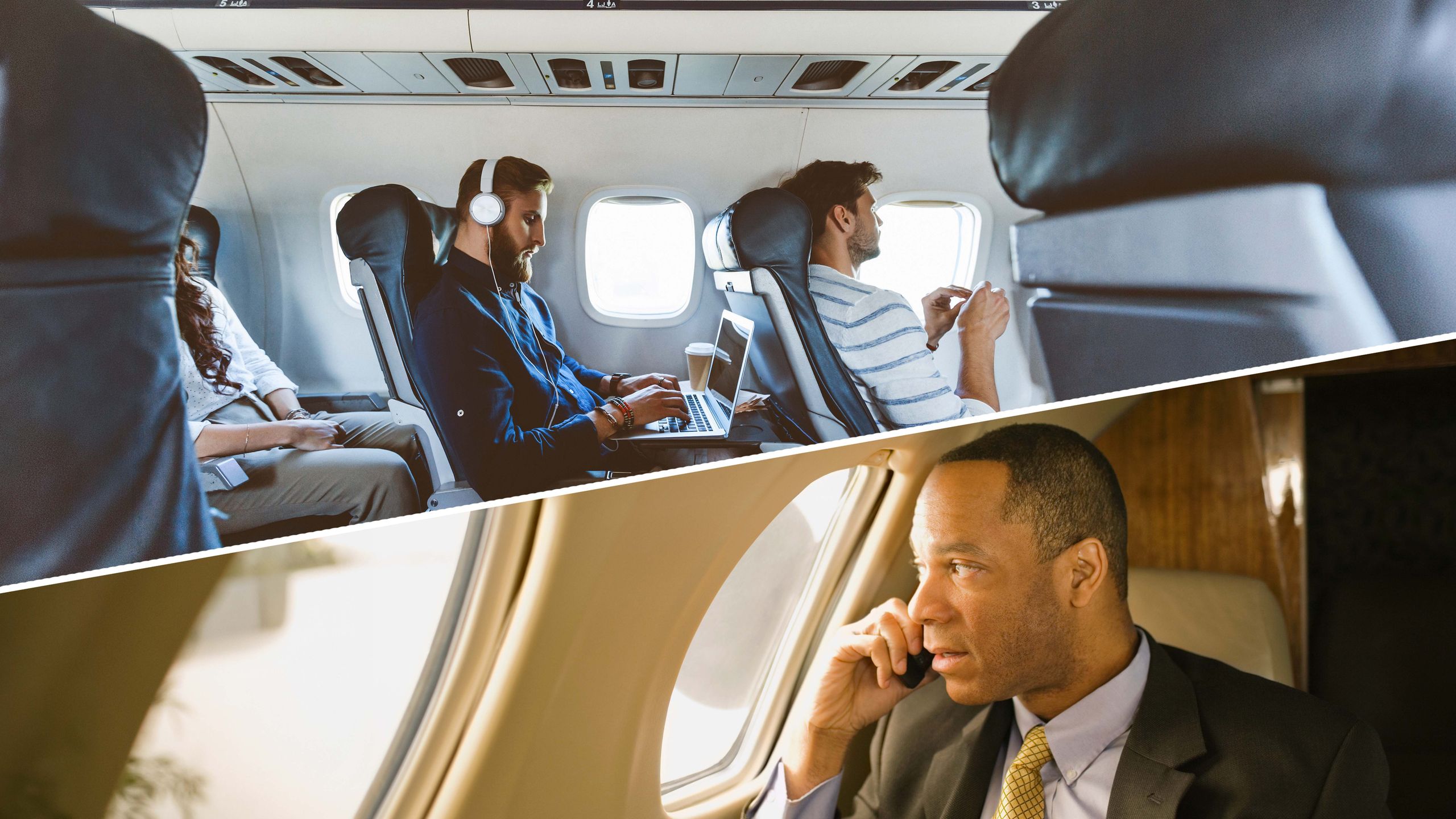
Pro Tip: Even with the best connection, the airplane cabin is a loud environment. Use headphones with a high-quality boom microphone or advanced software background noise cancellation to ensure those on the other end of your video call can hear you clearly without the hum of the twin engines.
Competitive Landscape and Future Outlook
The decision to adopt starlink aviation places British Airways in an elite group of carriers including Qatar Airways and Hawaiian Airlines. For the UK flag carrier, this is a necessary leap to remain competitive against Middle Eastern carriers that have long set the bar for in-flight technology. By offering the service for free, they are also challenging the domestic US carriers on transatlantic routes, many of whom still struggle with inconsistent speeds and high costs.
As the constellation of SpaceX satellites continues to grow, the reliability of in-flight connectivity will only increase. We are moving toward a future where the "unplugged" flight is a choice rather than a technical limitation. For the digital nomad, the aircraft is becoming a legitimate mobile office. For families, it is a cinema in the sky. For the airline, it is a powerful tool for customer loyalty in an increasingly crowded sky.
The success of this rollout will ultimately be judged by two factors: the stability of the connection when 300 aircraft are simultaneously pulling data, and the ability of the cabin crew to manage the social friction of mid-flight video calls. If British Airways can navigate these challenges, they will have successfully executed one of the most significant upgrades to the passenger experience in a generation.
FAQ
What is Starlink in aviation?
Starlink in aviation is an in-flight connectivity service provided by SpaceX that utilizes a massive constellation of low earth orbit satellites. Unlike traditional satellite internet, which can be slow and laggy, starlink aviation provides low-latency, high-speed broadband throughput of up to 500 Mbps per aircraft. This allows passengers to perform data-heavy tasks like streaming video, playing online games, and participating in video conferences just as they would on the ground.
How much does Starlink aviation cost?
For passengers flying with British Airways, the service is 100% free. The airline has integrated the cost into its £7 billion fleet modernization and transformation strategy, ensuring that every passenger in every cabin—from Economy to First Class—can access high-speed internet without paying an additional fee or purchasing a specific starlink aviation plan.
Can Starlink be used on airplanes?
Yes, starlink aviation is specifically designed for use on aircraft. It uses specialized, low-profile electronically steered antennas mounted on the top of the airplane to maintain a constant, high-speed connection with the satellite constellation. Because the satellites are in low earth orbit, they can maintain a signal even at cruising altitudes and during high-speed travel, providing gate-to-gate connectivity.
Is Starlink 100% owned by SpaceX?
Starlink is a subsidiary and a project fully developed and operated by SpaceX. It is not a separate, independently owned company, but rather a division within SpaceX that focuses on satellite internet services. The technology leverages SpaceX’s unique capability to launch its own satellites at a high frequency, which has allowed the network to grow rapidly and offer competitive starlink aviation plans to global airlines.