Quick Facts
- Age Requirement: Children as young as seven years old can attend with a parent or guardian.
- Program Duration: 3-day immersive "Family Space Camp" programs are the standard for weekend missions.
- Location: U.S. Space & Rocket Center, Huntsville, Alabama.
- Total Budget (Family of 4): Approximately $6,421, including tuition, flights, and travel expenses.
- Booking Lead Time: Recommended to book at least 10 months in advance due to high demand.
Introduction: Trading Beach Towels for Flight Suits
We’ve all done the classic beach vacation. You pack the sunscreen, fight for a spot on the sand, and spend the week shaking grit out of your shoes. But what if, instead of a lounge chair, your family sat in the cockpit of a simulated space shuttle? What if, instead of building sandcastles, you spent your weekend building functional model rockets?
For families looking to break the cycle of "same-old" vacations, Family Space Camp at the U.S. Space & Rocket Center in Huntsville, Alabama, offers something truly transformative. It’s an immersive, three-day program where children as young as seven years old can train alongside their parents or guardians. It is less of a "trip" and more of a "mission," designed to spark a lifelong love for STEM while forcing families to work together in high-pressure (simulated) environments.
As a travel editor and a mom, I’m often asked if the price tag is worth the experience. Is it just a glorified museum visit, or is it a legitimate training ground? After diving into the logistics and the costs, the answer is clear: if you plan correctly, it is one of the most rewarding educational investments you can make for your family.
The Investment: Breaking Down the $6,400+ Budget
Let’s talk numbers, because as much as we love the stars, our feet are firmly planted in the reality of bank accounts. Space Camp is not a budget trip, but it is a high-value one. For a family of four, you should expect a total vacation spend of approximately $6,421.
The core of this cost is the program fee itself. For a weekend Family Space Camp, you’re looking at roughly $799 per adult and upwards of $900 per child (prices can fluctuate based on the specific season and program updates). For a family of four, the program fees total around $3,500. This fee is the heavy lifter of your budget, accounting for roughly 54% of your total $6,421 expenditure.
Sophia’s Pro-Tip: Remember that the $3,500 tuition is surprisingly inclusive. It covers your "on-campus" meals (think high-quality cafeteria style), your lodging in the Space Camp Habitat (if you choose to stay onsite), and all training materials.
Beyond the tuition, you must factor in the "Earth-side" logistics. For a family of four flying into Huntsville (HSV), airfare typically averages $1,800. Toss in a car rental ($450) and a night or two at a nearby hotel if you arrive early or stay late ($671), and you arrive at that $6,400 mark.
| Expense Category | Estimated Cost (Family of 4) | % of Total Budget |
|---|---|---|
| Space Camp Tuition | $3,500 | 54% |
| Roundtrip Airfare | $1,800 | 28% |
| Nearby Hotel (2 nights) | $671 | 11% |
| Car Rental & Gas | $450 | 7% |
| Total Estimated Budget | $6,421 | 100% |
Mission Planning: How to Secure Your Spot
If you decide to pull the trigger on this mission, you cannot afford to wait. Space Camp is one of the most popular educational destinations in the world. Due to incredibly high demand, successful attendees recommend registering for Family Space Camp at least 10 months in advance.
The booking process happens through the official U.S. Space & Rocket Center dashboard. Once you’ve secured your "Expedition" week, you’ll be granted access to "Mission Control"—an online portal where you manage your family’s medical forms, dietary restrictions, and "Buddy Requests." If you are traveling with another family and want to be in the same "bunk" or team, this is where you make that happen.
Choosing your dates is also a strategic move. While summer is the peak season, many families find that the holiday weekend sessions in the fall or spring offer slightly more breathing room and cooler Alabama temperatures for the outdoor rocket launches.
Inside the Mission: What Do Families Actually Do?
This isn't a passive experience where you sit in a dark room and watch documentaries. From the moment you arrive, you are "in character." The curriculum is a whirlwind of simulated missions, engineering challenges, and physical training.
The absolute highlight for most is the Multi-Axis Trainer (MAT). This device replicates the sensation of a tumbling spacecraft. It spins you in every possible direction, but because your center of gravity remains constant, it doesn't actually make you motion sick—though it certainly looks like it would! It’s a fantastic way for kids to see that "astronaut training" requires a very literal kind of stomach for adventure.

Key activities also include:
- Simulated Space Missions: Your family is assigned roles—some are in Mission Control, others are on the Flight Deck. You’ll have to work through scripted anomalies (read: emergencies) to bring the shuttle home safely.
- The 1/6 Gravity Chair: Experience what it’s like to walk on the moon. It’s a hilarious and eye-opening exercise in physics.
- G-Force Accelerator: Feel the physical pressure of a rocket launch as you spin at high speeds, experiencing several "Gs" of force.
When you aren't spinning or flying, you’re building. The rocket-building workshops are a parent favorite because they require genuine teamwork. You’ll design, assemble, and eventually launch a model rocket. Seeing your family’s creation soar into the Alabama sky is a moment of pure, unadulterated pride.

Accommodations: Habitat Dorms vs. Nearby Hotels
One of the biggest decisions you’ll make is where to sleep. The program fee includes a stay in the Space Camp Habitat, which is essentially a high-tech dormitory.
Staying in the Habitat is the "authentic" way to go. You’re in the middle of the action, sleeping in bunks that feel like they belong on a space station. However, it is communal. You’ll share a room with your family, but the bathroom facilities are dormitory-style.
If your family values privacy or a good night’s sleep after a long day of "training," you might prefer the Marriott Huntsville at the Space & Rocket Center. It’s located right on the grounds, literally within walking distance of the rockets. It’s the "room service over rocket boosters" choice. While you’ll pay extra (roughly $250+ per night), the luxury of a private bathroom and a plush mattress can make the intense 3-day schedule much more manageable for parents.
| Feature | Space Camp Habitat | Nearby Marriott |
|---|---|---|
| Vibe | Immersive, "Astronaut Life" | Relaxing, Traditional Hotel |
| Privacy | Low (Communal Bunks) | High (Private Rooms) |
| Cost | Included in Tuition | Additional (~$250/night) |
| Best For | Families with older kids wanting the full experience | Families with young kids or "light sleepers" |

Pro-Tips from the Pros: The Unofficial Packing List
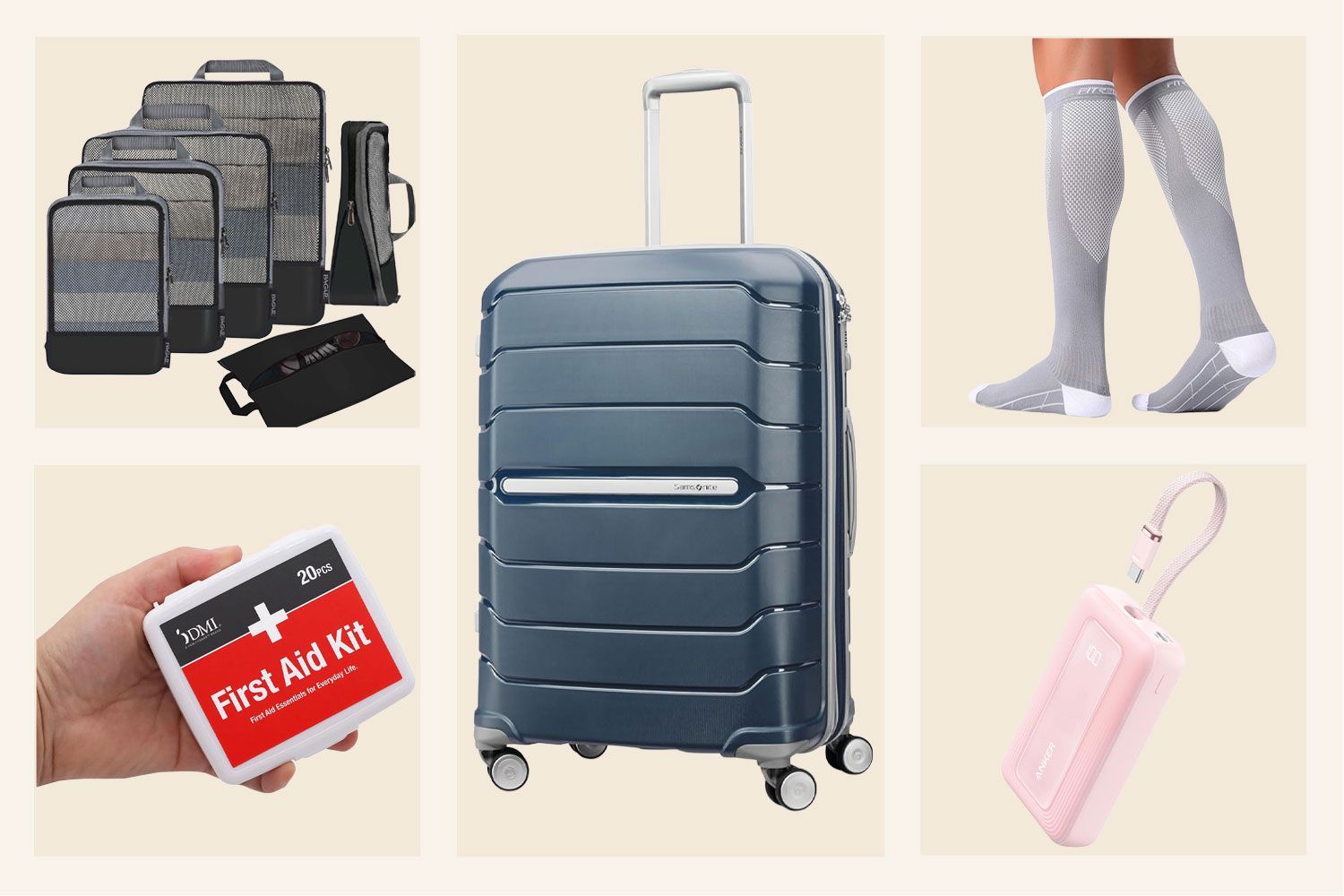
After talking to dozens of "Space Camp Alumni" moms, I’ve gathered a few hacks that aren't on the official NASA-approved list but are essential for survival.
- The S-Hook Hack: The bunks in the Habitat are tight. Bring a few S-hooks or over-the-door hooks. You can hang them on the bed frames to hold your backpacks or wet towels, keeping your limited floor space clear.
- Ziploc Organization: Pack each family member’s daily outfit (socks, underwear, shirt) in a gallon-sized Ziploc bag labeled "Day 1," "Day 2," etc. Mornings start early (sometimes 7:00 AM), and you don't want to be rummaging through a suitcase in the dark.
- Closed-Toe Shoes are Non-Negotiable: You will be doing a lot of walking and climbing into simulators. Leave the flip-flops for the beach. You need sturdy sneakers.
- Bunk1 App: Download the Bunk1 app before you go. The camp staff uses this to upload photos of the trainees throughout the day, so you can see your little astronaut in action even if you’re assigned to a different "station."
The Graduation: A NASA-Style Send-off
The three days culminate in a graduation ceremony that is surprisingly moving. Seeing your children stand on stage in their flight suits, receiving their wings, often in the presence of a guest astronaut, makes every penny of that $6,421 budget feel well-spent.
After the ceremony, don't rush to the airport. Your tuition includes admission to the U.S. Space & Rocket Center museum. Take the afternoon to walk through the Davidson Center for Space Exploration. Standing underneath the massive Saturn V rocket—one of only three in the world—puts the entire weekend into perspective. It’s a tangible reminder of what humans can achieve when we focus on science and engineering.

Conclusion: The Lasting Impact on Kids
Is Family Space Camp worth it? From a strictly financial standpoint, it’s a significant investment. But from a developmental standpoint, it’s priceless.
I’ve seen kids arrive shy and unsure of their math skills, only to leave talking about orbital mechanics and payload weights. It builds a specific kind of confidence—the kind that comes from solving a problem under a "simulated" time crunch while your mom or dad is looking to you for the answer. That shift in family dynamics, where the child becomes the expert, is the real souvenir you take home.
In a world of digital distractions, a weekend in Huntsville offers a rare chance to look up at the stars together and realize that, with enough teamwork and engineering curiosity, the sky isn't the limit—it’s just the beginning.
FAQ
Q: Is the food at Space Camp good? A: It’s "good cafeteria food." Expect high-carb, kid-friendly options like pasta, tacos, and chicken nuggets. They are very accommodating of allergies (GF, nut-free, etc.), but don't expect a five-star culinary experience.
Q: Can I attend if I have physical limitations? A: Yes! While simulators like the MAT have height and weight requirements, the staff is incredibly inclusive. They can adapt most mission roles to accommodate various physical needs.
Q: Do we have to wear the flight suits? A: You don't have to, but most families do. You can purchase them at the gift shop upon arrival. They make for the best photos and really help the kids get into the "mission" mindset.