Quick Facts
- Total Annual Visitors: Approximately 10 million travelers visit the Hawaiian Islands each year, leading to the 2025 implementation of a "green fee" to support environmental conservation.
- Best for First-Timers: O'ahu remains the premier choice due to its infrastructure, historical significance, and blend of city and surf.
- The Adventure Leader: The Big Island (Hawai'i Island) offers unparalleled geological diversity, including active volcanoes and 8 of the world’s 13 climate zones.
- The Naturalist's Choice: Kaua'i is the least developed of the major islands, catering to hikers and those seeking dramatic, lush landscapes.
- Off-the-Grid Luxury: Lāna'i provides a secluded retreat with only 30 miles of paved roads compared to 400 miles of rugged 4WD trails.
Choosing the right Hawaiian island is often a lesson in the "paradox of choice." While the archipelago shares a common cultural thread of the Aloha spirit, each island operates on a distinct frequency. For a traveler, the "best" island is entirely subjective, dictated by whether you prefer the metropolitan pulse of a Pacific hub or the prehistoric silence of a rain-drenched canyon.
With nearly 10 million annual visitors putting pressure on the state’s delicate ecosystems, the decision of where to go is more than just a matter of preference—it's a matter of impact. This is why the state is introducing a first-of-its-kind "green fee" in 2025, aimed at funding the protection of the very landscapes that draw us there. To help you navigate this complex geography, I have analyzed the four major islands and two niche destinations based on historical data, infrastructure, and traveler personas.
Quick Comparison: Which Island is Right for You?
| Island | Best For | Vibe | Key Highlight |
|---|---|---|---|
| O'ahu | First-timers & Foodies | Energetic, Urban-Tropical | Pearl Harbor & Waikiki |
| Maui | Families & Honeymooners | Balanced, Upscale | Road to Hāna & Haleakalā |
| Big Island | Adventurers & Hikers | Raw, Diverse, Vast | Volcanoes National Park |
| Kaua'i | Nature Lovers & Escapists | Quiet, Lush, Prehistoric | Na Pali Coast |
| Lāna'i | Luxury & Seclusion | Private, Rugged | Shipwreck Beach |
| Moloka'i | Cultural Immersion | Authentic, Traditional | Kalaupapa Peninsula |
O'ahu: The Best Hawaiian Island for First-Timers & City Lovers
O'ahu is the best island for first-time visitors because it offers a perfect balance of iconic historical sites like Pearl Harbor, bustling city life in Honolulu, and legendary surf towns on the North Shore. Known as "The Gathering Place," O'ahu is the logistical heart of Hawaii. It is home to the state's only true metropolis, Honolulu, which provides an accessibility that the other islands lack.
For the uninitiated, O'ahu acts as a "Hawaii 101" course. You can spend the morning paying your respects at the USS Arizona Memorial, an essential piece of American history, and by afternoon be hiking the rim of Diamond Head Crater. The island’s infrastructure is the most robust in the chain; in Waikiki, you can reasonably forgo a rental car entirely—a rarity in Hawaii—thanks to the walkability and "TheBus" public transit system.
However, the North Shore offers a necessary counterpoint to the urban density of Honolulu. During the winter months, the Banzai Pipeline and Waimea Bay become the center of the surfing world. It is here that the island sheds its skyscraper skin and reveals the laid-back, rural charm many expect from a tropical getaway.
- Pros: The most competitive flight prices and hotel rates; world-class dining and nightlife; no car required in Waikiki.
- Cons: Significant traffic congestion; the highest tourist density; visible urban issues like homelessness in certain Honolulu districts.
Critic's Tip: If you are visiting O'ahu, do not spend your entire trip in Waikiki. Rent a car for at least two days to explore the Windward Coast and the North Shore to see the island's true ecological diversity.

Maui: The Best Hawaiian Island for Families & Honeymooners
Maui is often described as the "Goldilocks" island—it isn’t as crowded as O'ahu, but it isn’t as quiet as Kaua'i. For families and couples, this balance is ideal. The island's geography allows for a high concentration of luxury resorts, particularly in the Wailea and Ka’anapali regions, which are world-renowned for their pristine white-sand beaches and calm waters.
The "Road to Hāna" remains one of the most iconic driving experiences in the world. With 620 curves and 59 bridges, it is a test of endurance that rewards travelers with hidden waterfalls and black sand beaches. For those seeking a more ethereal experience, the summit of Haleakalā National Park—a dormant volcano rising 10,023 feet above sea level—offers a sunrise that Mark Twain famously described as "the sublimest spectacle I ever witnessed."
-
Top Highlights:
- Snorkeling at Molokini Crater: A partially submerged volcanic crater with visibility often exceeding 100 feet.
- Whale Watching: Between December and April, the Au’au Channel between Maui and Moloka'i is the best place in the world to see humpback whales.
- Haleakalā Sunrise: A literal "above the clouds" experience.
-
Who Should Go: Multigenerational families looking for resort amenities and couples seeking a romantic, high-end atmosphere.
The Big Island: The Best Island for Adventure & Nature
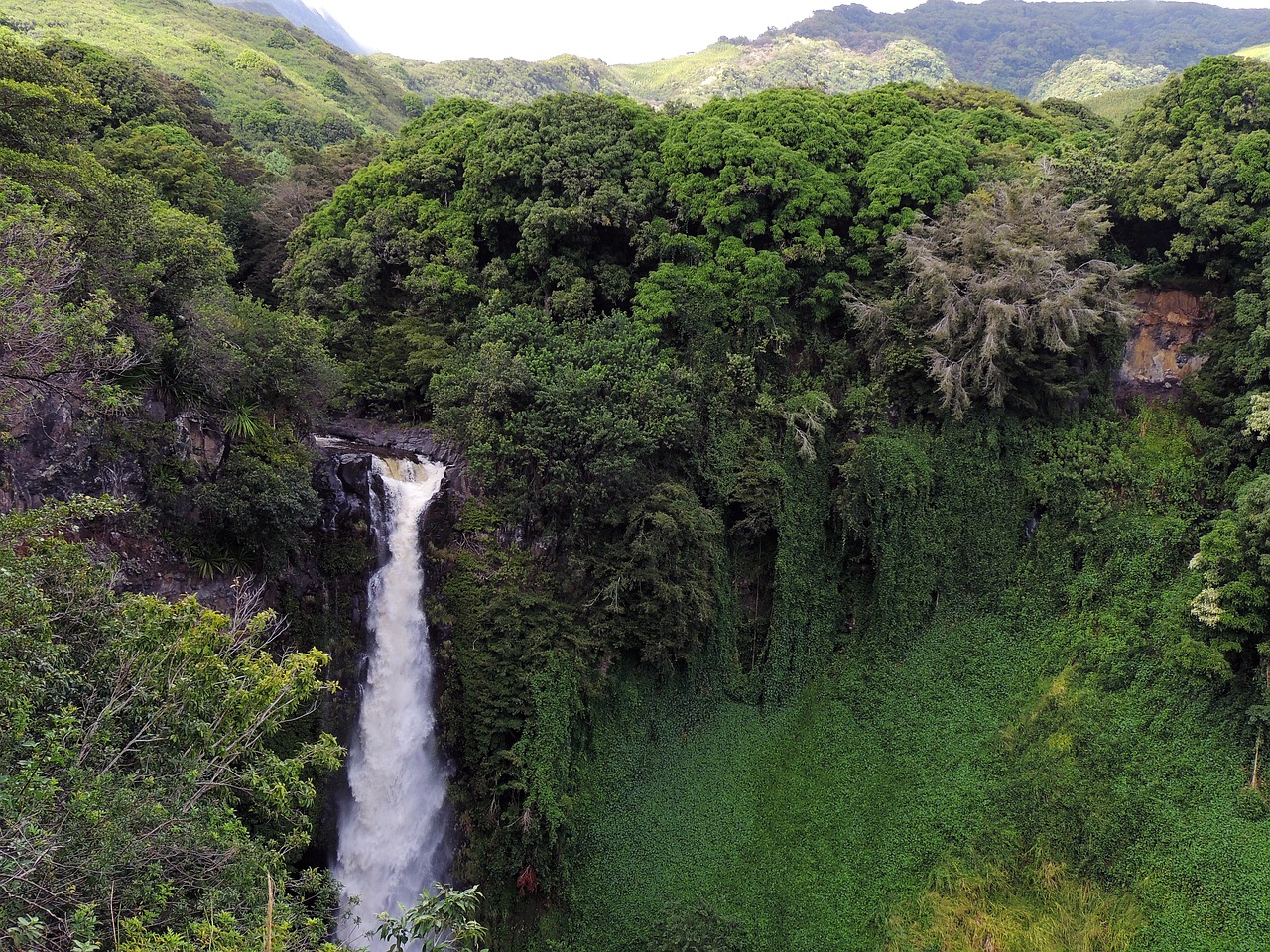
For adventure and nature, the Big Island is the top choice as it features active volcanic landscapes at Hawaii Volcanoes National Park and unique activities like swimming with manta rays. The island is massive—literally larger than all the other islands combined—and its landscape is a stark, beautiful testament to the earth's creative power.
Unlike the older, eroded islands, the Big Island is still growing. At Hawaii Volcanoes National Park, travelers can walk through the Thurston Lava Tube or witness the glow of Kīlauea. The island's sheer size means you can experience 8 different climate zones in a single day, moving from the snow-capped peaks of Mauna Kea to the arid lava fields of Kona and the tropical rainforests of Hilo.
The Big Island is also the site of one of the world’s most unique wildlife encounters: the Manta Ray night snorkel. Utilizing high-powered lights to attract plankton, tour operators allow guests to float on the surface while massive manta rays somersault just inches below them. It is an experience that feels more like a dream than a tourist excursion.
- Pros: Unmatched geologic diversity; less "touristy" feel than O'ahu or Maui; excellent for multi-day hiking.
- Cons: Driving distances are significant (Kona to Hilo is a 2-hour drive); fewer "postcard-perfect" white sand beaches compared to Maui; occasional "vog" (volcanic smog).
Kaua'i: The Best Destination for Nature Lovers & Hikers
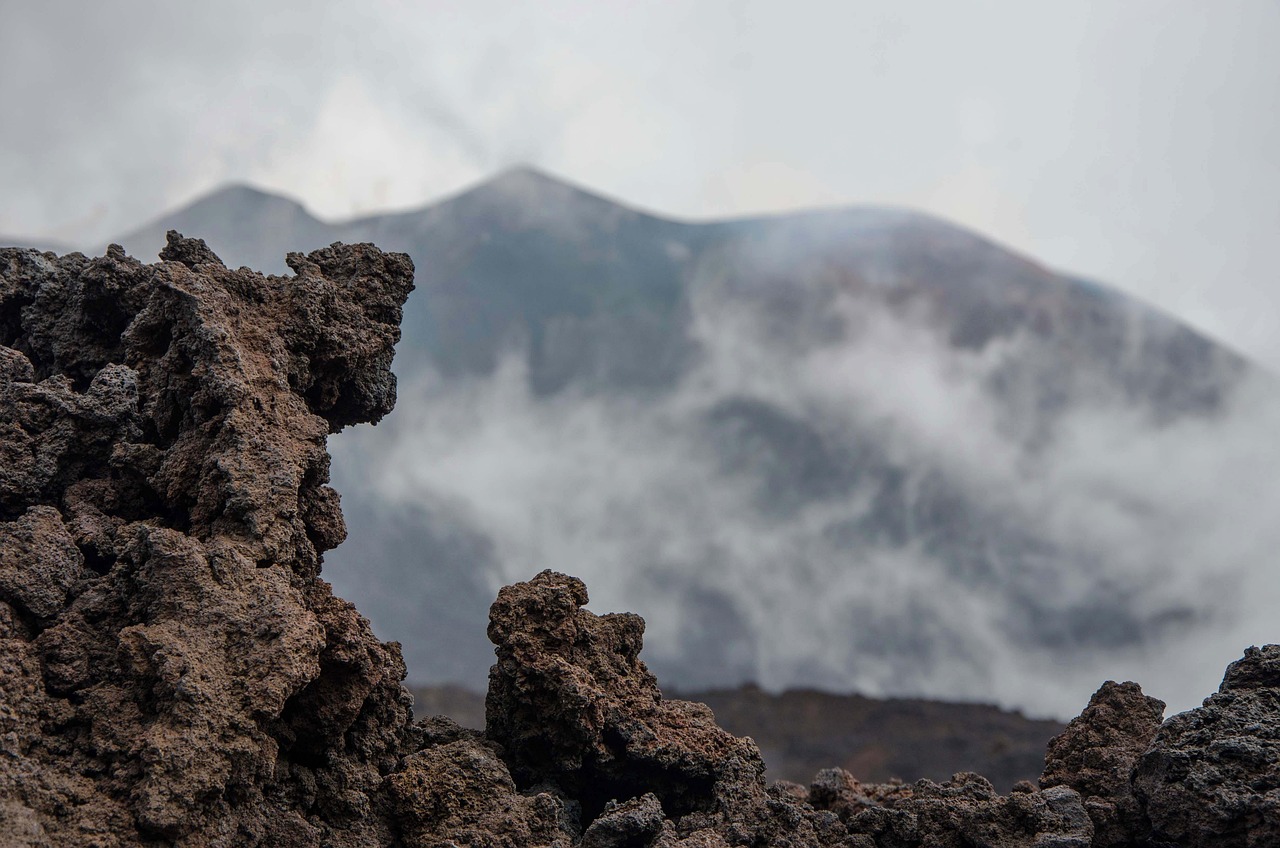
Kaua'i, known as the 'Garden Isle,' is the best destination for nature lovers who want to explore lush rainforests, the dramatic Waimea Canyon, and the stunning Na Pali Coast cliffs. This is the island for those who find peace in the absence of high-rises. In fact, local law dictates that no building can be taller than a coconut tree.
The Na Pali Coast is the island’s crown jewel. With emerald-hued cliffs rising 4,000 feet directly from the Pacific, it is inaccessible by car. You must hike the grueling 11-mile Kalalau Trail, take a boat tour, or view it from a helicopter. Similarly, Waimea Canyon—dubbed the "Grand Canyon of the Pacific"—offers a palette of red dirt and lush greenery that stands in stark contrast to the blue ocean.
-
Vibe: Sleepy, rural, and incredibly green.
-
Top Highlights:
- Na Pali Coast: Essential viewing via boat or air.
- Hanalei Bay: A crescent-shaped bay perfect for paddleboarding with a mountain backdrop.
- Poipu Beach: Ideal for spotting endangered Hawaiian monk seals.
-
Pros: Most dramatic scenery in the state; very quiet and peaceful.
-
Cons: It is the rainiest island (Mt. Waialeale is one of the wettest spots on Earth); the "nightlife" ends by 9:00 PM; a single main road means traffic can be surprisingly slow.
Lāna'i & Moloka'i: For the Off-the-Grid Traveler
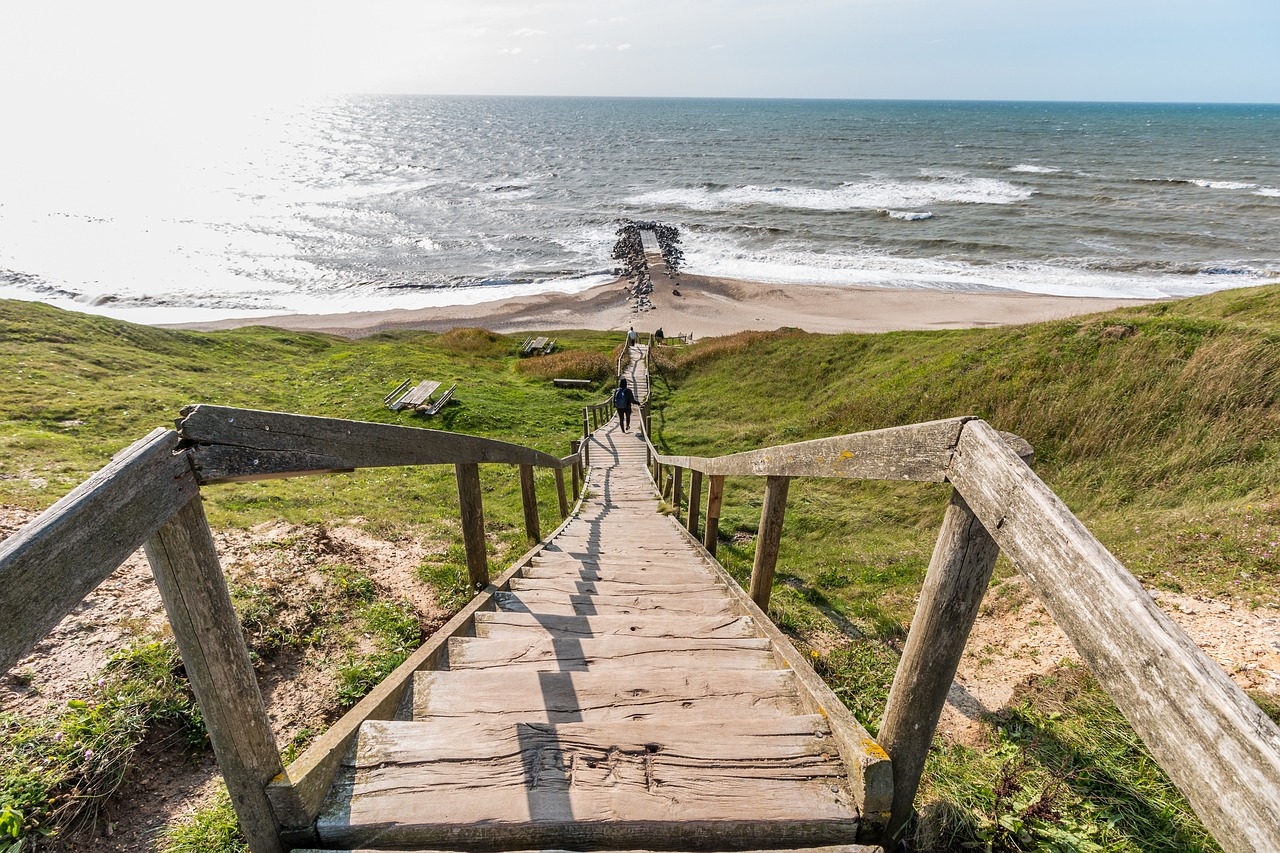
For those who have already seen the "Big Four," or those who simply wish to disappear, Lāna'i and Moloka'i offer two very different versions of seclusion.
Lāna'i was once a massive pineapple plantation owned by Dole. Today, it is 98% owned by Larry Ellison and has been reimagined as a sanctuary for ultra-luxury. With only 30 miles of paved roads, you’ll need a 4WD vehicle to explore sites like the Garden of the Gods (Keahiakawelo) or Shipwreck Beach. It is the best choice for travelers who want world-class service (via the Four Seasons resorts) in total isolation.
Moloka'i, conversely, is the most "authentic" of the islands. There are no resorts, no traffic lights, and no buildings taller than a palm tree. It is a place where Native Hawaiian culture is the priority, not tourism. Visitors here must be respectful and prepared for a slow pace of life. The hike down the world's highest sea cliffs to the Kalaupapa Peninsula is a profound historical experience.
Practical Planning Tips for 2024-2025
The landscape of Hawaiian travel is shifting toward a model of "Regenerative Tourism." This means more regulations aimed at preserving the environment and local quality of life.
- The Green Fee: Starting in 2025, tourists will likely be required to pay a climate tax or "green fee." Ensure you factor this into your budget and check official government sites for the latest payment methods.
- Reservations are Mandatory: You can no longer simply "show up" at Hawaii’s most popular sites. Parks like Hanauma Bay (O'ahu), Diamond Head (O'ahu), Haleakalā (Maui), and Ha'ena State Park (Kaua'i) require advance reservations.
- Inter-island Logistics: There are no passenger ferries between the islands (except for the ferry between Maui and Lāna'i). You must fly between islands using Hawaiian Airlines, Southwest, or Mokulele Airlines.
- Rental Cars: While the shortage of 2021 has abated, prices remain higher than pre-pandemic levels. Book your vehicle at the same time you book your flights.
FAQ: Choosing Your Hawaiian Island
Which Hawaiian island is the most affordable to visit? O'ahu is generally the most affordable. Due to the high volume of flights into Daniel K. Inouye International Airport (HNL), airfare is lower, and the wide range of accommodation—from hostels to budget hotels—provides more options than the resort-heavy Maui or Lāna'i.
Which island is best for families with kids? Maui is the perennial favorite for families. The beaches are often calmer, and the resorts are designed with "keiki" (child) programs and water features. O'ahu is a close second due to the proximity of Aulani, A Disney Resort & Spa.
How many islands should I visit in one trip? For a one-week trip, I recommend sticking to one island. Each island has enough depth to fill seven days. If you have 10-14 days, a two-island split (e.g., O'ahu and Kaua'i) is manageable without feeling like you’re spending the entire vacation in an airport.
Conclusion
Hawaii is not a singular destination, but a collection of distinct worlds. Whether you find your "Aloha" in the luxury boutiques of Waikiki, the rugged lava fields of Kona, or the silent, misty ridges of the Na Pali Coast depends on what you seek to leave behind.
As a critic, my final recommendation is this: Choose one island and go deep. Hawaii rewards the patient traveler who takes the time to learn the history of the land and respects the local customs. Regardless of which island you choose, the 2025 green fee reminds us that we are guests in a fragile paradise—plan accordingly, tread lightly, and the islands will give back more than you take.