Quick Facts
- Top Recommendation: The Oigawa Railway in Shizuoka is widely considered the premier choice for nostalgia seekers, featuring 1930s steam locomotives and a 4.6/5 TripAdvisor rating.
- Kyoto Favorites: For those staying in Japan's cultural capital, the Sagano Romantic Train and Eizan Railway offer world-famous "maple tunnels" and river gorge views.
- Peak Timing: While it varies by latitude, the optimal window for most scenic routes in central Japan falls between late October and early December.
- Record Growth: American tourism to Japan has hit an all-time high in 2024, with 2.7 million visitors representing a 33% increase, many of whom are trading the crowded cherry blossom season for the serene "Koyo" (autumn foliage) period.
Introduction: Why 2024 is the Year for Japan Rail Travel
Japan is currently experiencing a travel renaissance. In 2024, American tourism to the archipelago reached a record-breaking 2.7 million visitors, marking a 33% increase over the previous year. While the delicate pinks of the spring Sakura (cherry blossoms) have long dominated travel itineraries, savvy travelers are increasingly turning their attention to Koyo—the vibrant transition of autumn leaves. Unlike the fleeting blossom season, which can vanish in a week, the Japanese autumn offers a slow-motion explosion of color that marches from the northern heights of Hokkaido down to the southern tips of Kyushu over several months.
The most immersive way to experience this "living painting" is through Japan’s legendary rail network. From high-speed Shinkansen to humble, single-car local lines, the window of a train becomes a moving frame for some of the world's most breathtaking landscapes. For the ultimate Momijigari (maple leaf hunting) experience, several scenic railways stand above the rest. Whether it is the nostalgic whistle of a steam engine in Shizuoka or the illuminated maple tunnels of Kyoto, the 2024 season promises a kaleidoscopic journey through the heart of the Japanese countryside.
When to Go: The 2024 Fall Foliage Forecast
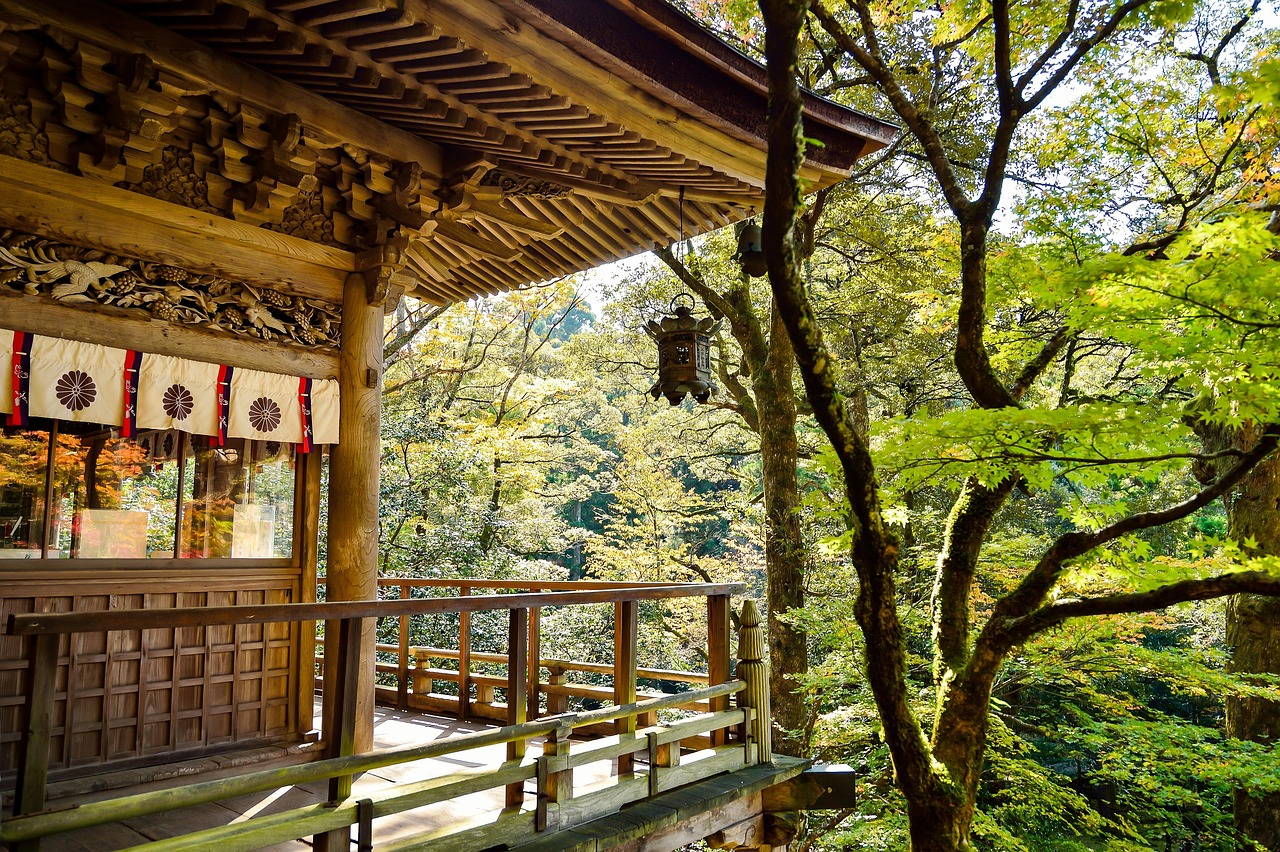
Timing is everything when planning Japan autumn train journeys. Because Japan is an elongated archipelago with varying elevations, the "peak" moves like a slow-moving wave. In northern Hokkaido and high-altitude alpine regions, the colors begin to turn as early as late September. In contrast, the lowlands of Tokyo, Kyoto, and Osaka typically reach their peak brilliance from late November through early December.
| Railway Line | Region | Peak Season | Train Type |
|---|---|---|---|
| Oigawa Railway | Shizuoka | Nov - Early Dec | Vintage Steam Locomotive |
| Sagano Romantic Train | Kyoto | Mid Nov - Early Dec | Open-air Sightseeing |
| Tadami Line | Fukushima | Late Oct - Early Nov | Regional Local Train |
| Eizan Railway | Kyoto | Mid Nov - Late Nov | Commuter/Sightseeing |
| Kurobe Gorge | Toyama | Mid Oct - Mid Nov | Open-air Torokko |
| Watarase Keikoku | Gunma/Tochigi | Early Nov - Late Nov | Retro Trolley |
| Minamiaso Railway | Kumamoto | Mid Nov - Late Nov | Panoramic Sightseeing |
Pro Tip: Always check the weekly "Koyo Forecast" sites like Tenki.jp or the Japan Meteorological Corporation as your trip approaches. A sudden cold snap can accelerate the color change, while a warm autumn may delay the peak by a week or more.
1. Oigawa Railway (Shizuoka): The Nostalgic Steam Locomotive
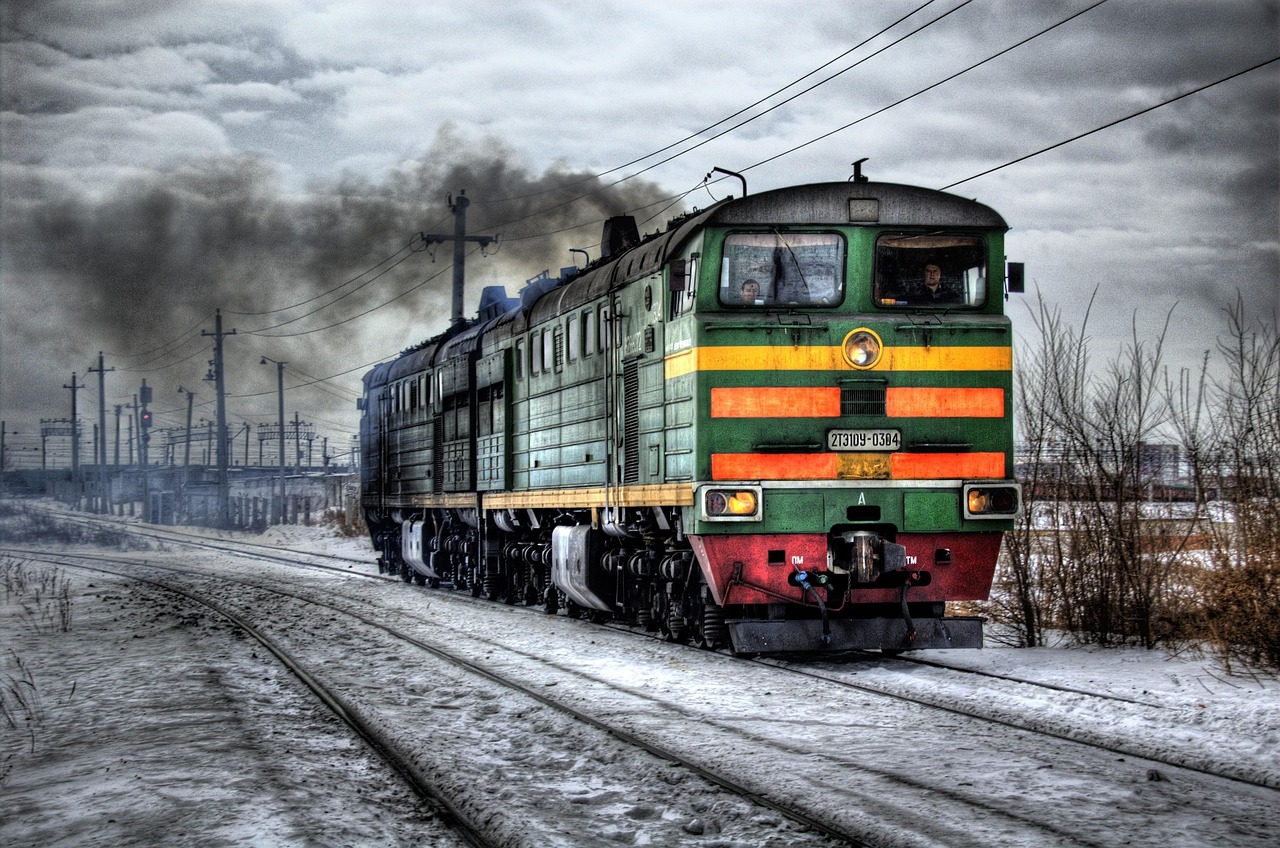
If you are looking for a journey that feels like a trip through time, the Oigawa Railway is unparalleled. Located in Shizuoka Prefecture, famous for its sprawling green tea plantations, this line is one of the few places in Japan where you can still ride a vintage steam locomotive (SL) on a regular schedule. The railway utilizes beautifully maintained engines from the 1930s and 40s, complete with original wooden seats, vintage lamps, and the rhythmic clack-clack of wheels on iron.
As the train chuffs along the Oigawa River, the scenery shifts from the deep green of tea bushes to the fiery reds and oranges of the forested hills. The contrast between the black smoke of the engine and the vibrant autumn canopy creates a scene straight out of a historical film. It is no wonder the line boasts an elite 4.6/5 rating on TripAdvisor and has amassed over 18,000 tags on Instagram, making it a favorite for both rail enthusiasts and photographers.
Journey Highlights:
- The SL Experience: Attendants often play harmonicas or tell stories, adding to the nostalgic atmosphere.
- The Abut-Apt System: Between Abt Ichishiro and Nagashima Dam stations, the train uses a rare rack-and-pinion system to climb steep gradients.
- Lake Ikawa: The terminus offers stunning views of a high-altitude dam surrounded by colorful slopes.
2. Sagano Romantic Train (Kyoto): Open-Air Elegance
For travelers stationed in Kyoto, the Sagano Romantic Train (also known as the Sagano Scenic Railway) is an essential autumn experience. The route covers a modest 7.3-kilometer stretch from Arashiyama to Kameoka, winding along the Hozu River. What makes this journey special is the pace; the train meanders at about 25 km/h, allowing passengers to soak in the dramatic gorge views.
The train features several carriages, but the most coveted is "The Rich" car—an open-sided carriage with a transparent ceiling and no windows, providing an unobstructed 360-degree view of the maple-clad cliffs. With over 30,000 monthly online searches during the peak season, tickets for this line sell out almost instantly.

The journey is best paired with a return trip via the Hozu-gawa River Boat Ride, where traditional boatmen navigate the same rapids you just viewed from above. The combination of the rhythmic rowing and the overhead canopy of red maples is the epitome of Kyoto’s refined natural beauty.
3. Tadami Line (Fukushima/Niigata): The Glassy Wilderness
Often cited as the most romantic railway in Japan, the Tadami Line is a masterclass in "slow travel." This 83-mile route connects Aizuwakamatsu in Fukushima with Uonuma in Niigata, crossing through some of the most remote and rugged terrain in the Tohoku region. The line is famous for its series of high iron bridges that span the Tadami River.
In the autumn, the surrounding mountains turn into a tapestry of gold and crimson, which is perfectly reflected in the glassy, emerald waters of the river below. The most iconic viewpoint is the First Tadami River Bridge. While many photographers gather on a nearby hillside to capture the train crossing the bridge, riding the train across the span offers a dizzying, beautiful perspective of the deep valley.
Practical Tip for Photographers: To get the "money shot," disembark at Aizu-Miyashita Station. From there, it is a well-signed 15-minute walk to the viewpoint overlooking the First Tadami River Bridge. Be sure to check the train schedule carefully, as trains are infrequent on this rural line.
4. Eizan Railway (Kyoto): The Maple Tunnel
While the Sagano train focuses on river views, the Eizan Railway offers an intimate encounter with the forest itself. Running from northern Kyoto toward the mountain villages of Kibune and Kurama, the "Kurama Line" section features a legendary stretch known as the Momiji no Tunnel (Maple Tunnel).
Located between Ichihara and Ninose stations, about 280 maple trees line both sides of the track for approximately 250 meters. During the peak of autumn, the branches lean in so closely they almost touch the train windows. To enhance the experience, the railway operates special "Kirara" trains with large, panoramic windows and outward-facing seats.
The true magic happens after sunset. During the autumn festival period, the trees in the tunnel are illuminated. As the train enters this section, the conductor dims the interior lights and slows the train to a crawl, allowing passengers to glide through a glowing, ethereal world of translucent red leaves.
5. Kurobe Gorge Railway (Toyama): The Open-Air Alpine Adventure
Deep in the Northern Japan Alps lies the Kurobe Gorge, one of the deepest and steepest canyons in the country. The Kurobe Gorge Railway was originally built for dam construction, but today it serves as one of the best foliage trains in Japan. The small, orange "Torokko" (trolley) trains wind through 20 kilometers of tunnels and across 41 bridges, suspended high above the turquoise Kurobe River.
The ruggedness of the terrain means the colors here are particularly vivid. Because the gorge has significant elevation changes, you can often see a gradient of color—vibrant reds at the bottom of the canyon and snow-capped peaks above. The route from Unazuki to Keyakidaira takes about 80 minutes, offering countless photo opportunities of the bright red Yamabiko Bridge.
Note: These are open-air carriages in a high-altitude alpine environment. Even if it feels warm in the city, the gorge can be quite chilly. Wearing layers and bringing a light jacket is highly recommended.
6. Watarase Keikoku Railway (Gunma/Tochigi): Retro Charm
Connecting Kiryu in Gunma to Ashio in Tochigi, the Watarase Keikoku Railway is a hidden gem that captures the rustic charm of rural Japan. The line follows the Watarase River, passing through deep valleys and quiet mountain villages. The star of the show is the "Watarase Keikoku Torokko Train," which features retro-styled carriages with wooden tables and open windows.
What sets this journey apart is the "local" feel. Many passengers purchase Ekiben (station bento boxes) featuring local ingredients like chestnuts and mushrooms—the flavors of autumn. The views of the river's white boulders contrasted with the fiery maples and yellow ginkgo trees provide a peaceful, meditative travel experience far from the metropolitan bustle.
7. Minamiaso Railway (Kumamoto): Kyushu’s Volcanic Backdrop
While northern and central Japan get much of the autumn glory, Kyushu offers a unique volcanic perspective on the season. The Minamiaso Railway, which fully reopened in 2023 after extensive repairs following the 2016 earthquake, runs through the southern caldera of Mt. Aso—one of the world's largest active volcanoes.
The autumn colors here are framed by the dramatic, jagged peaks of the Aso mountain range. The highlight of the trip is crossing the Shirakawa Valley Bridge, where the train halts momentarily to allow passengers to look down 60 meters into the valley below. The golden pampas grass (susuki) on the caldera floor adds a unique texture to the fall landscape that you won't find in the forested north.

Essential Tips for Autumn Train Travel
Planning a scenic railway leaf-peeping trip in Japan requires more than just showing up at the station. Here is how to ensure your journey is seamless:
- The "One Month Advance" Rule: For popular themed trains like the Oigawa Steam Locomotive or the Sagano Romantic Train, reservations usually open exactly one month prior at 10:00 AM JST. These tickets sell out within minutes for peak November dates.
- Regional Passes vs. JR Pass: While the nationwide JR Pass is famous, it does not cover many private scenic lines (like the Oigawa or Sagano). Research regional passes like the Kansai Thru Pass or the Fuji-Shizuoka Area Tourist Pass to save money on local scenic routes.
- Seating Strategy: On the Tadami Line, sit on the right side when heading toward Niigata for the best river views. On the Eizan Railway, try to board the Kirara train cars for the panoramic windows.
- The Ekiben Tradition: Half the fun of a Japanese train journey is the food. Each region has a signature ekiben (station bento) that highlights seasonal ingredients. Look for "Shin-mai" (newly harvested rice) and "Matsutake" (matsutake mushrooms) on the labels.
Check the 2024 Foliage Forecast →
FAQ
1. When is the absolute best time for autumn leaves in Kyoto?
While it varies slightly each year, the "peak" for Kyoto's lowlands (including Arashiyama and the Eizan Railway) typically occurs between November 20th and December 5th. If you arrive in early November, you may need to head to higher elevations like Mt. Hiei to see the colors.
2. Do I need a reservation for all these trains?
Not all. Regular local trains like the Tadami Line do not require reservations. however, "specialty" trains like the Oigawa Steam Locomotive, the Sagano Romantic Train, and the Watarase Torokko require advance bookings.
3. Are these train journeys covered by the Japan Rail Pass?
The Tadami Line is a JR line and is fully covered. The Sagano Romantic Train, Eizan Railway, Oigawa Railway, and Kurobe Gorge Railway are private lines and require separate tickets, though some JR West or JR Central regional passes may offer discounts.
Experience the Magic of Koyo
The Japanese autumn is more than just a change in weather; it is a cultural event that celebrates the beauty of impermanence. By choosing to explore via these scenic railways, you aren't just traveling from point A to point B—you are becoming part of a moving landscape that has inspired poets and artists for centuries. Ready to book your seat?