Quick Facts
- Slash Transit Costs: Switching from rideshares to local rail (like NYC’s LIRR) can save you over $50 per trip—an 85% reduction in airport transfer fees.
- Point Strategy: In 2025, prioritize flexible bank points over airline-specific miles; they currently offer 30% more redemption value due to widespread loyalty program devaluations.
- The Sleep Secret: Applying topical magnesium butter to your feet and calves before a flight significantly boosts REM cycles and mitigates jet lag.
- Mastering JOMO: The "Joy of Missing Out" is the defining trend of 2025—skip the "Insta-famous" crowds for rural retreats in Scandinavia or the smaller islands of the Adriatic.
The New Rules of the Road: Navigating 2025
I’ve clocked over 100,000 miles already this year, and if there is one thing I’ve learned, it’s that the travel "playbook" we all used in the 2010s is officially obsolete. Dynamic pricing is more aggressive than ever, airline mergers have turned once-valuable miles into "monopoly money," and "overtourism" has made some of our favorite cities feel like theme parks.
But here’s the good news: while the masses are stuck in a three-hour Uber line at JFK or paying $40 for a sad airport Caesar salad, the savvy traveler is playing a different game. To save money in 2025, you need to think like a local and pack like a minimalist. We’re talking about prioritizing local public transit over rideshares, negotiating directly with hosts for longer stays, and shifting your loyalty from airlines to flexible bank points.
This isn't just about surviving your trip; it’s about thriving. Whether you're heading deep into the Dalmatian Coast or just trying to get through a red-eye to London without feeling like a zombie, these are the hacks the Condé Nast Traveler editors and I have pressure-tested on the ground this year.
1. Smart Money & Points Strategy: The Death of Loyalty
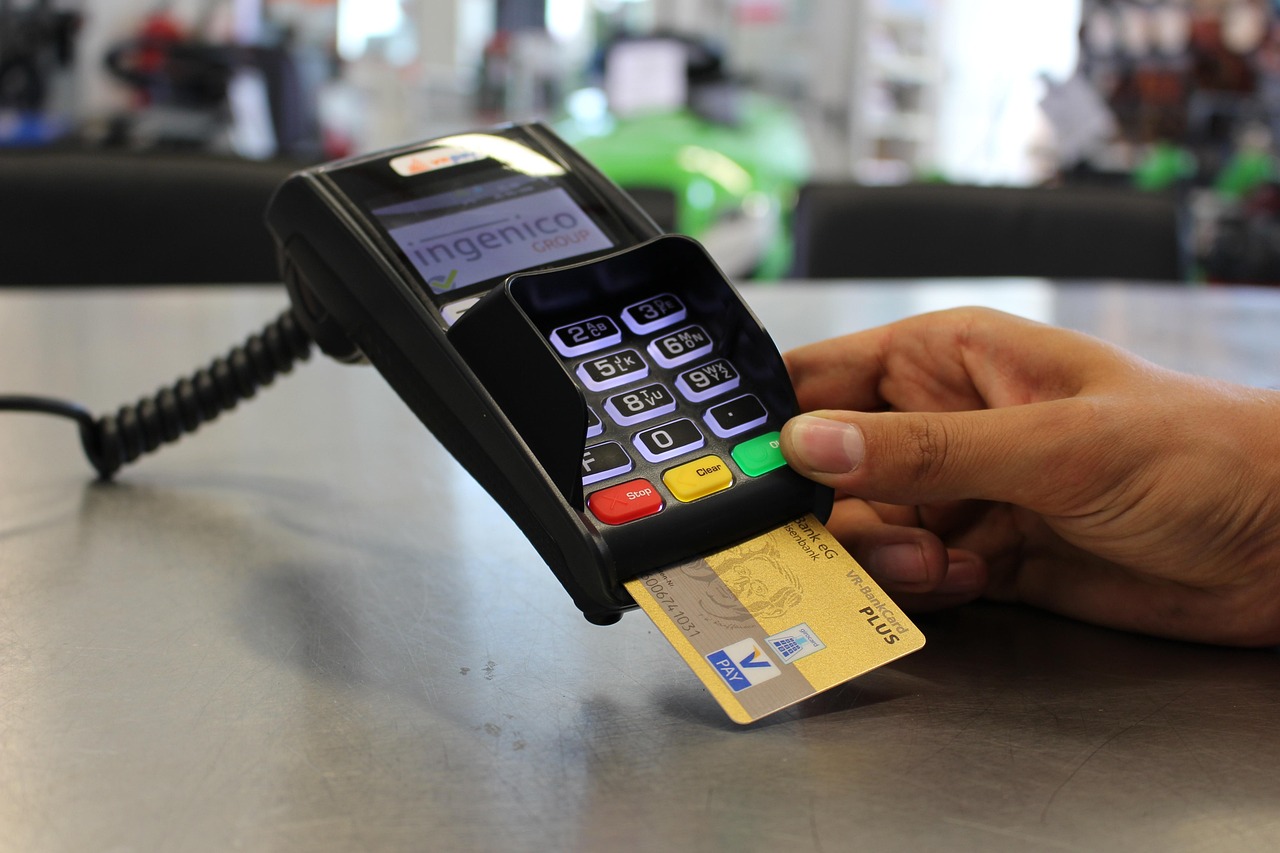
Let’s be honest: your airline miles aren't what they used to be. In 2025, your miles are being treated less like a customer perk and more like a volatile financial product. Between massive devaluations and the "Green Fees" being tacked onto European flights, the old "hoard and hope" strategy is dead.
The move now is the "Earn and Burn" rule. Do not save your miles for a "someday" trip that might never happen; their value only goes down. Instead, focus your energy on earning flexible bank points (think Chase Sapphire, Amex Platinum, or Capital One). These points are projected to offer 30% more redemption value in 2025 than airline-specific miles because you aren't locked into a single carrier's ecosystem. When one airline devalues, you simply transfer your points to another that hasn't.
For accommodations, the hack isn't a secret code or a hidden website—it’s a conversation. If you’re booking an Airbnb for more than four nights, message the host before you hit "reserve." I’ve found that in 2025, with increased competition from boutique hotels, many hosts are willing to offer a 10-15% discount just to ensure their calendar is full. A simple, "I’m an editor traveling for work and love your space; would you consider a slightly lower rate for a five-night stay?" works more often than you’d think.
2. Transit & Logistics: Why the Uber Line is a Trap
I was sitting on the Long Island Railroad (LIRR) last month, moving smoothly from Grand Central to JFK in about 20 minutes, while watching the gridlock on the Van Wyck Expressway. People were literally stuck in $75 Ubers, burning money to sit in traffic.
In 2025, prioritizing local public rail over rideshare services isn't just an eco-friendly choice—it’s a massive financial win. Commuting via public rail can reduce your airport transit costs by over 85%, saving travelers an average of $50 per trip. In cities like London (Elizabeth Line), Tokyo (Narita Express), and New York, the train is almost always faster and infinitely cheaper.
| Route | Rideshare Est. (Peak) | Public Rail | Time Saved (Avg) | Savings |
|---|---|---|---|---|
| JFK to Manhattan | $75 - $110 | $5 (Subway) / $11 (LIRR) | 30-45 mins | ~$80+ |
| Heathrow to Central London | £70 - £90 | £13 (Elizabeth Line) | 20 mins | ~£65 |
| Narita to Tokyo Station | ¥25,000 | ¥3,000 (N'EX) | 40 mins | ~¥22,000 |

Beyond the airport, your smartphone is your best transit tool, but only if you use the right apps. Google Maps is great, but local apps are king. In South Korea, download Naver; in Southeast Asia, Gojek or Grab will save you from "tourist pricing" in taxis. Also, keep an eye out for biometrics. Many airports are now using facial recognition for boarding. It sounds sci-fi, but opting in usually means skipping the manual passport check line.
3. Sleep Better & Wellness: The Magnesium Secret
I used to return from every trip as a shell of myself—dehydrated, sleep-deprived, and cranky. Then, I started traveling with magnesium butter.
This is the single biggest wellness hack of 2025 for frequent flyers. Magnesium is a natural muscle relaxant, but when taken orally, it can mess with your digestion (not ideal on a plane). Applying a topical magnesium butter to your feet and calves before you put on your compression socks promotes deeper REM cycles and helps your body regulate its internal clock.
Pro Tip: I transfer my magnesium butter into a small, 3oz travel capsule. I apply it about 30 minutes before "lights out" on the plane. It’s like a physical "off" switch for your nervous system.
While you're at it, stop relying on the flimsy amenity kits provided in economy. I’ve started building my own "DIY Amenity Kit." I repurpose high-quality pouches and fill them with my own essentials: a silk eye mask that actually blocks light, high-end earplugs, and travel-sized Aesop products to keep my skin from drying out in the recycled air.
Shop High-End Travel Skincare →

4. Packing Like a Pro: The IKEA Bag Hack
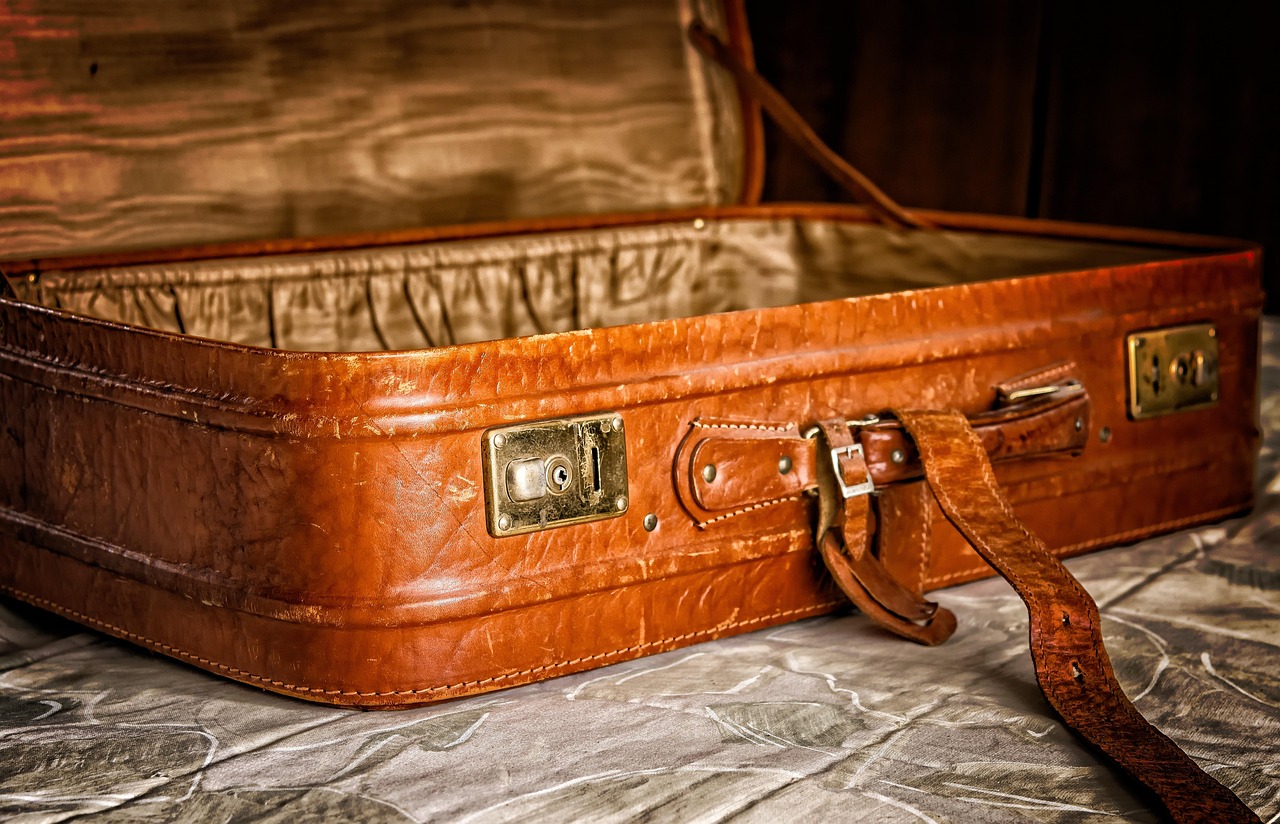
We’ve all been there: you leave for a trip with a perfectly packed carry-on, only to realize you’ve bought three ceramic bowls in Portugal and a handmade rug in Morocco. Shipping them home costs a fortune.
Enter the IKEA Frakta bag hack. These blue bags weigh practically nothing and fold down to the size of a wallet. I always tuck one into the bottom of my suitcase. If I over-shop, the Frakta becomes my "checked bag" for the flight home. It’s incredibly durable, costs about $2, and saves me hundreds in international shipping fees.
Another packing essential? The "Flight Meal." Airline catering in 2025 is increasingly hit-or-miss as carriers try to cut costs. I never board a long-haul flight without a high-protein meal I actually enjoy. Think a falafel bowl, a hearty bagel sandwich, or a bag of gourmet jerky. Being a "human hurricane" on departure is easier to manage when you aren't "hangry" at 35,000 feet.
Lastly, if you're traveling with high-stakes formal wear—like a wedding dress or a tailored suit—don't trust the overhead bin. Call the airline ahead of time and ask if they have a "captain’s closet." Most long-haul aircraft have a small hanging locker near the front of the plane where flight attendants are usually happy to hang your garment bag to prevent wrinkles.
5. 2025 Travel Trends: The Rise of JOMO
The biggest trend we're seeing this year is JOMO—the Joy of Missing Out. After years of everyone chasing the same "Instagrammable" sunset in Santorini, travelers are finally pushing back.
In 2025, the coolest destinations aren't the ones you see on your "Explore" page; they’re the rural, outdoor-focused spots where you can actually hear the wind in the trees. We’re seeing a massive shift toward Scandinavia, the Dalmatian Coast’s smaller, car-free islands, and the rugged interior of the Adriatic. These spots offer better value, fewer crowds, and a sense of discovery that’s been lost in the age of viral travel.

However, traveling off-the-beaten-path requires a bit more vigilance. Be aware of the "ding and dent" rental car trap—always take a 30-second video of your car's exterior before leaving the lot. In some rural areas, "fake cop" scams are on the rise, where individuals in high-vis vests try to issue "on-the-spot" fines. Always ask to see a badge and offer to go to the local station to pay.
And a final word on airport lounges: they are more crowded than ever. If your lounge is at capacity, look for the "Grab-and-Go" sections many premium lounges (like Delta Sky Club or Centurion) are now offering. You can snag a high-quality coffee and a fresh sandwich and find a quiet gate to work in, rather than fighting for a chair in a crowded lounge.
FAQ: Quick Answers for 2025 Travelers
What is the best way to save on airport transfers in 2025? Skip the rideshare apps. Local public rail links, such as NYC’s LIRR or London’s Elizabeth Line, are consistently 85% cheaper and often 30% faster during peak traffic hours. You can save an average of $50 per trip by using the train.
Is it better to collect airline miles or bank points? Bank points (Chase, Amex, Capital One) are the clear winner for 2025. They are projected to offer 30% more redemption value because they are flexible. With airline mergers and devaluations, being locked into one carrier's "currency" is a major risk.
How can I sleep better on economy flights? Use topical magnesium butter on your feet and calves before flight. It promotes REM sleep without the grogginess of pills. Combine this with high-quality compression socks and a DIY amenity kit featuring a real silk eye mask to create a "sleep sanctuary" in any seat.
Are you ready to rethink your 2025 travel strategy? The ground is moving, and the rules are being rewritten, but with a little preparation, you can travel better for less. Do you have a "secret" travel hack that saved your trip this year? Drop it in the comments below—I read every single one!