Quick Facts
- Implementation Date: Starting January 1, 2026, international visitors to major US National Parks will be charged a new $100 per-person fee.
- Affected Locations: The $100 surcharge applies to 11 of the most popular parks, including Yellowstone, Yosemite, and the Grand Canyon.
- Resident vs. Non-Resident Pass: The "America the Beautiful" annual pass will cost $80 for US residents and $250 for non-residents.
- Digital Transition: Beginning in 2026, all annual passes will transition to a digital-only format managed via Recreation.gov.
- Verification: All visitors aged 16 and older must present a US government-issued photo ID or a valid foreign passport for entry.
Overview of the 2026 Fee Changes
The landscape of American tourism is set for a historic shift. Under a new "America-First" policy framework, the Trump administration has announced a significant restructuring of how the National Park Service (NPS) collects revenue from international travelers. This policy aims to prioritize domestic access while ensuring that the infrastructure of the nation’s most iconic natural landmarks is supported by those visiting from abroad.
Starting January 1, 2026, international visitors to major US National Parks will be charged a new $100 per-person fee in addition to standard entrance costs. This move marks a departure from the previous unified pricing model, creating a tiered system that distinguishes between domestic taxpayers and international tourists. The administration argues that this fee hike will help address the multibillion-dollar maintenance backlog that has plagued the NPS for decades, placing the financial burden on global visitors who do not contribute to the US tax base.
Beyond the individual entrance fees, the administration is also overhauling the popular "America the Beautiful" pass program. For decades, this pass was the "golden ticket" for road-trippers, offering access to more than 2,000 federal recreation sites for a flat fee. While the core mission remains the same, the execution and pricing will look very different for those arriving from outside the United States.
The $100 Surcharge: Which Parks are Affected?
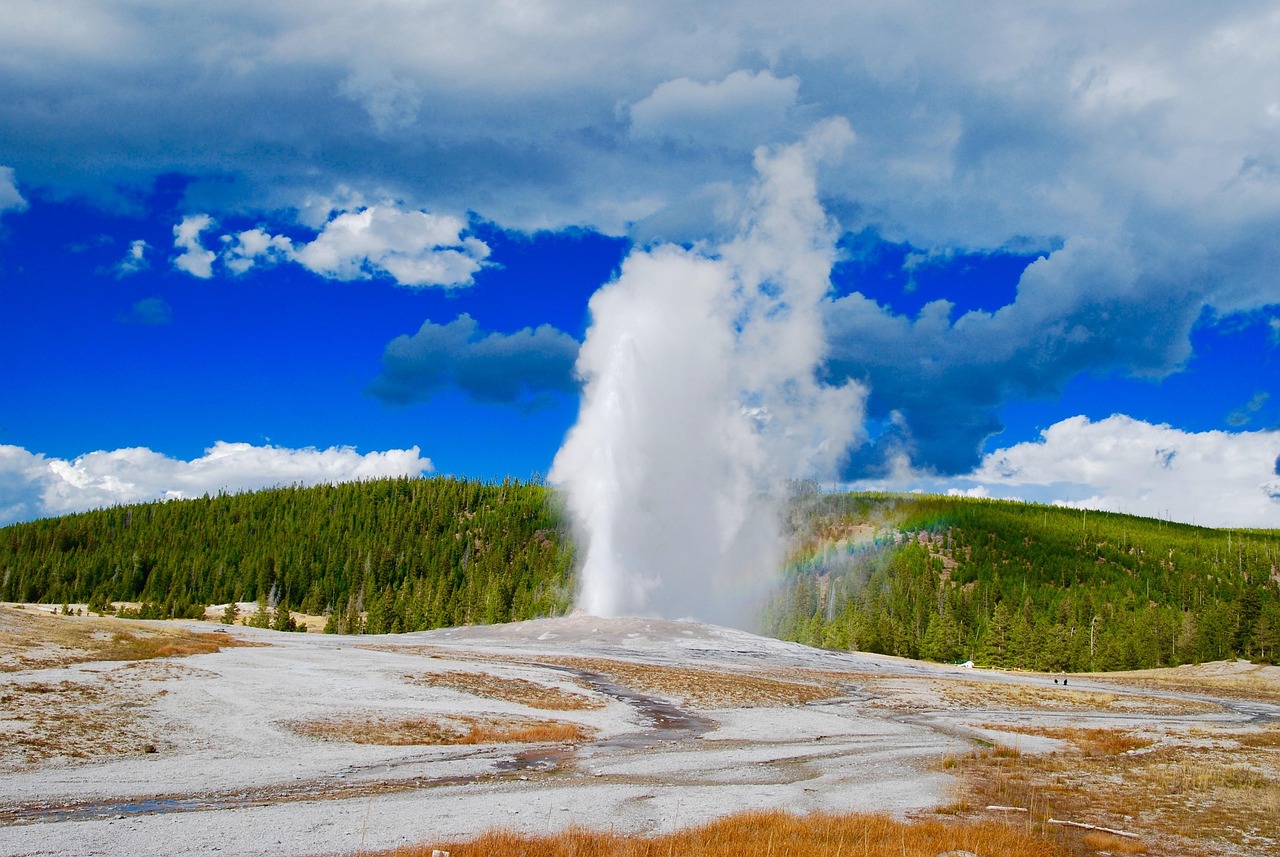
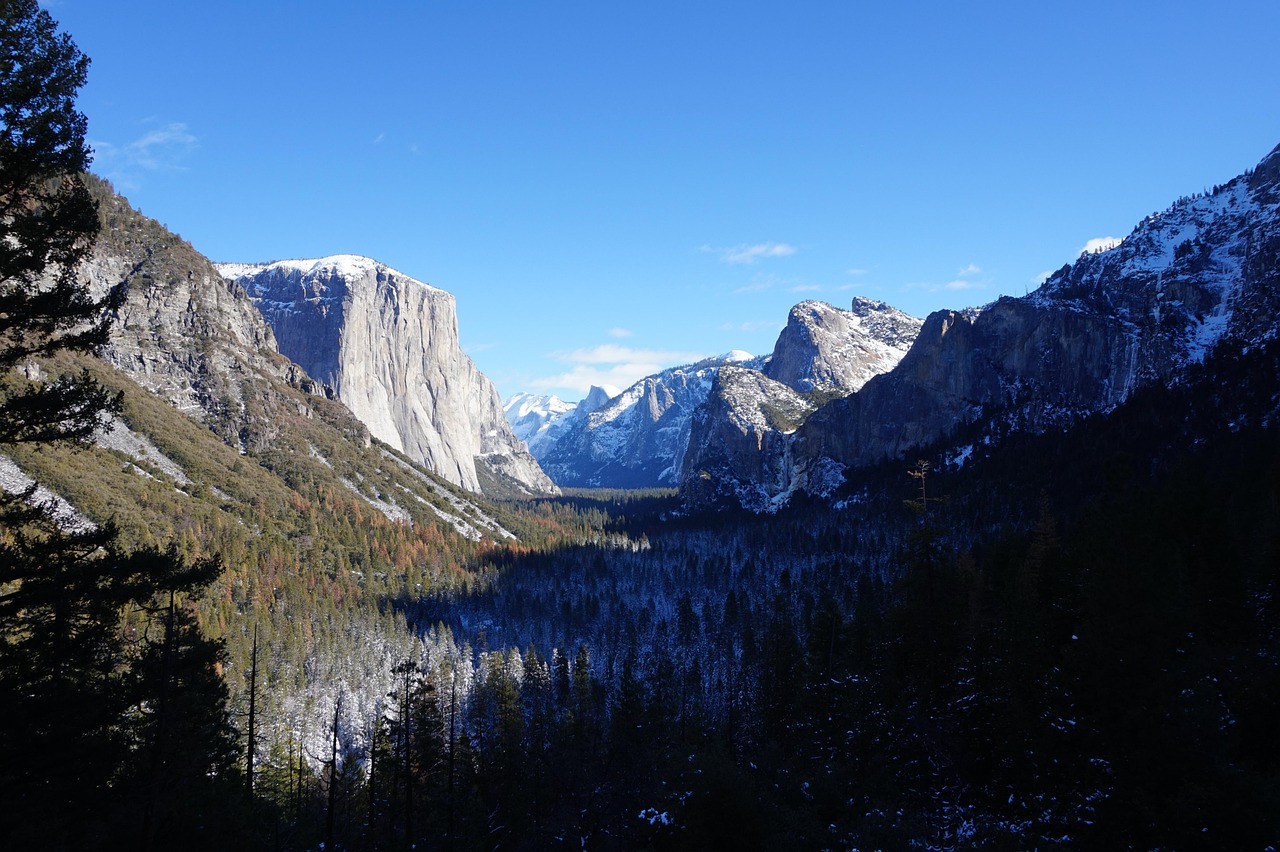
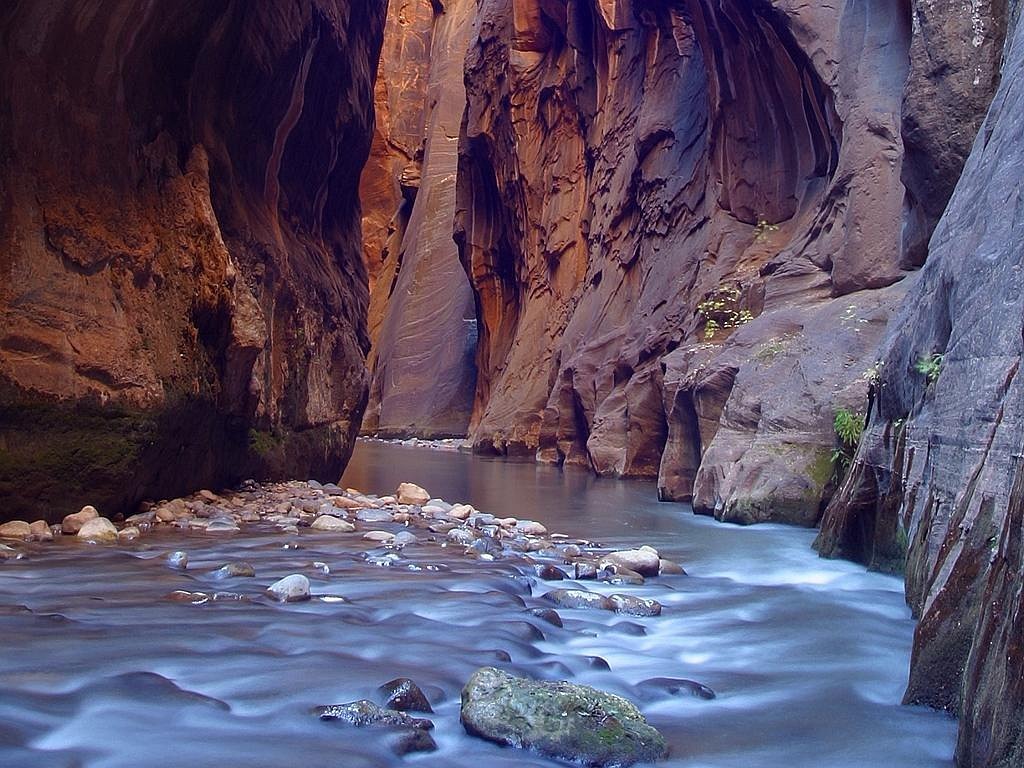
Not every park in the massive NPS system will see this fee increase, but the list of affected sites includes the "crown jewels" of the American West and East Coast. The $100 fee applies to 11 popular parks: Acadia, Bryce Canyon, Everglades, Glacier, Grand Canyon, Grand Teton, Rocky Mountain, Sequoia and Kings Canyon, Yellowstone, Yosemite, and Zion.
For a family of four from abroad visiting the Grand Canyon, the financial impact is substantial. Previously, a single vehicle entry fee of $35 covered everyone in the car. Under the 2026 guidelines, that same family would pay the $35 vehicle entrance fee plus a $100 per-person surcharge for every member of the group aged 16 or older.
Expert Tip: If you are planning a multi-park itinerary involving more than two of these locations, the per-person costs will quickly exceed the price of an annual pass. Calculating your "break-even" point is essential before you reach the first park gate.
The selection of these 11 parks is no coincidence. These locations account for a significant portion of international tourism traffic. For example, the mist-covered peaks of the Great Smoky Mountains (which currently has no entrance fee) are not on the list, but the high-traffic corridors of Zion and Yosemite—where international bus tours are common—are the primary targets for this revenue-generating measure.
The New 'America the Beautiful' Non-Resident Pass
To mitigate the costs of individual $100 surcharges, the administration is offering a revised annual pass. International travelers can waive the $100 individual fee by purchasing the $250 'America the Beautiful' annual pass. This pass is valid for 12 months from the month of purchase and covers the passholder and all passengers in a single, private, non-commercial vehicle.
Resident vs. Non-Resident Fee Comparison
| Feature | US Residents | International Visitors |
|---|---|---|
| Annual Pass Price | $80.00 | $250.00 |
| Surcharge (11 Parks) | $0.00 | $100.00 per person |
| Format | Digital or Physical | Digital Only |
| ID Requirement | US Gov-issued Photo ID | Valid Passport |
| Coverage | 2,000+ Federal Sites | 2,000+ Federal Sites |
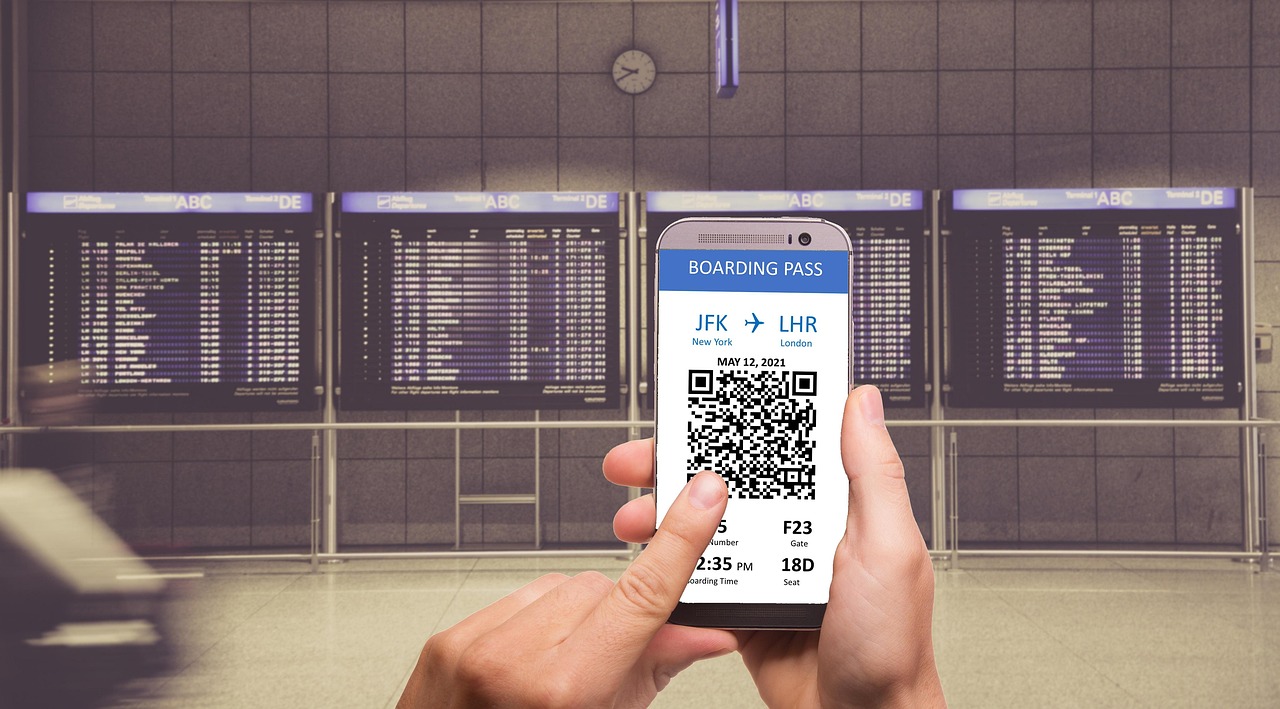
One of the most significant changes is the transition to a digital-only format. Starting in 2026, the traditional plastic cards will be phased out in favor of digital passes stored on smartphones or via the Recreation.gov app. This transition is intended to streamline the entry process and reduce the fraudulent sharing of passes, which has been a concern for park rangers in high-traffic areas.
The non-resident pass remains a cost-effective option for serious adventurers. If an international couple visits Yellowstone and the Grand Canyon, their combined individual surcharges would total $400. By purchasing the $250 pass, they save $150 immediately, while also gaining access to hundreds of other national monuments and forests across the country.
Enforcement and ID Requirements
Implementing a tiered fee system requires a robust verification process at the gates. This has led to the introduction of a new verification protocol. All visitors aged 16 and older will be required to present a US government-issued photo ID (such as a Driver’s License) or a valid foreign passport to prove residency and age.
This requirement has sparked concerns regarding infrastructure and wait times. Currently, national park staffing levels have been reduced by approximately 25% ahead of the 2026 fee implementation. With fewer rangers at the gates, the additional time required to scan digital passes and verify passports for every international traveler could lead to significant bottlenecks.
The administration has suggested that automated gate technology and "Express Lanes" for digital pass holders could alleviate these issues. However, critics point out that many remote park entrances lack the high-speed internet connectivity required for real-time digital pass verification. Visitors are strongly advised to download their passes and "offline" maps before entering park boundaries, as cell service is notoriously unreliable in the depths of Glacier or the backcountry of the Everglades.
Critical Dates and 'Patriotic' Fee-Free Days
As part of the new policy, the schedule for "Free Entrance Days" is also undergoing a transformation. While the NPS has traditionally offered several days a year where fees are waived for everyone, the 2026 schedule will introduce "Patriotic" Fee-Free Days that are exclusively reserved for US residents.
2026 Free Entrance Days (US Residents Only):
- Presidents Day: February 16
- Memorial Day: May 25
- Flag Day / President Trump’s Birthday: June 14
- Juneteenth: June 19
- Independence Day: July 4
- Constitution Day: September 17
- Veterans Day: November 11
International visitors should note that the $100 surcharge and standard entry fees will still apply to them even on these dates. This distinction is part of the administration's effort to "return the parks to the American people" during significant national holidays.
For those looking to avoid the crowds, these holidays have historically been the busiest times to visit. If you are an international traveler, you might actually find the parks more manageable on the days surrounding these holidays, even if you have to pay the entry fee.
Travel Strategy: How to Avoid the Fee Hike
For savvy travelers, there is a narrow window of opportunity to bypass the initial financial shock of the 2026 policy. This is known as the "2025 Loophole."
Because the annual "America the Beautiful" pass is valid for 12 months from the date of purchase, any traveler—domestic or international—who purchases a pass before December 31, 2025, will lock in the current $80 rate. This pass will remain valid until the end of its 12-month cycle, even as the new fees take effect on January 1, 2026.
Steps to Secure the Lower Rate:
- Purchase your "America the Beautiful" pass through the official USGS Store or at a park entrance before the end of 2025.
- Ensure the pass is activated and signed.
- Plan your US national park road trip for the 2026 season. As long as your pass is valid, you will not be required to pay the $100 per-person surcharge at the 11 affected parks.
Beyond the loophole, travelers should consider exploring the hundreds of National Monuments, National Forests, and State Parks that are not included in the 11-park surcharge list. Sites like the Badlands in South Dakota or Joshua Tree in California offer world-class landscapes without the additional $100 fee, providing a budget-friendly alternative for the 2026 season.
Economic and Tourism Impact
The introduction of these fees comes at a delicate time for the US tourism industry. International tourism spending in US national parks reached an estimated $29 billion in 2024, proving that these natural wonders are a primary driver of foreign exchange. However, recent trends show a cooling in certain markets.
Specifically, air travel from Canada—the United States' largest source of international visitors—has declined for 10 consecutive months. Travel analysts attribute this to a combination of rising costs and trade tensions. The addition of a $100-per-person fee at popular parks like Glacier (which sits on the Montana-Canada border) or Acadia (popular with Atlantic Canadians) could further discourage cross-border tourism.
There is also the question of "Gateway Communities." Small towns like Moab, Utah (near Zion/Bryce) and West Yellowstone, Montana, rely heavily on the spending of international tourists in hotels, restaurants, and gift shops. If the $100 fee leads to a reduction in visitor volume, these local economies may feel the pinch more acutely than the federal government.
The administration remains confident, however, that the "bucket list" nature of parks like Yellowstone and Yosemite will ensure that demand remains high. The beauty of these landscapes is unique in the world, and for many, a $100 surcharge is a small price to pay for a once-in-a-lifetime experience.
FAQ
Q: Does the $100 fee apply to children? A: The $100 per-person surcharge applies only to visitors aged 16 and older. Children 15 and under will continue to receive free entry to all National Park Service sites.
Q: Can I still buy a physical pass if I don't have a smartphone? A: While the system is transitioning to digital-only via Recreation.gov, the NPS has stated they will provide accommodations for those without smartphones at major visitor centers, though they strongly encourage the digital format for faster entry.
Q: If I am a foreign resident living in the US on a work visa (H1-B/L1), do I pay the resident or non-resident fee? A: Residency is determined by US government-issued photo identification. If you have a valid US Driver's License or State ID card, you will likely be eligible for the resident rate of $80 for the annual pass and will not be subject to the $100 surcharge.
Plan Your 2026 National Park Adventure
Navigating the new fee structures requires early planning and a clear understanding of the rules. Whether you choose to lock in your rates via the 2025 loophole or opt for the $250 digital pass, the majesty of America's wilderness remains ready to be explored.