Quick Facts
- Relaunch Date: The Accor-led Orient Express is set to return to the rails on its historic Paris-to-Istanbul route in 2027.
- The Discovery: 17 original carriages from the 1920s and 30s—known as the "Nostalgie-Istanbul-Orient-Express"—were rediscovered in 2015 on the border between Poland and Belarus.
- The Craftsmanship: The restoration involves over 30 master artisans, including world-renowned cabinetmakers, glassblowers, and embroiderers.
- Current Preview: You can view the stunning new interiors at the Musée des Arts Décoratifs in Paris as part of the '1925–2025: A Century of Art Deco' exhibition, running until April 26, 2026.
Introduction: The Rebirth of a Travel Icon
There is a specific sound associated with the peak of 20th-century luxury: the rhythmic, metallic clickety-clack of a train gliding through the European countryside, punctuated by the soft pop of a champagne cork. For decades, that sound belonged to the Orient Express, a rolling palace that defined the "Art of Travel." While various iterations of the train have existed, a legendary piece of its soul was thought lost to time until a miraculous discovery nearly a decade ago.
The wait is finally nearing its end. The iconic Paris-to-Istanbul route, featuring 17 original 1920s carriages, is scheduled to relaunch in 2027 under the stewardship of the Accor Group. This is not merely a new train with a famous name; it is the resurrection of the "Nostalgie-Istanbul-Orient-Express," a set of original cars that once carried royalty, spies, and socialites across the continent. This ambitious project aims to bridge a century of design, coinciding with the landmark '1925–2025: A Century of Art Deco' celebrations.
The Great Detective Story: How 17 Carriages Were Found via Google Maps
The story of this restoration begins not in a workshop, but on a computer screen. In 2015, Arthur Mettetal, an industrial historian and Orient Express expert, was conducting research when he stumbled upon a video of a train parked in a remote location. Intrigued, he spent months scouring satellite imagery.
His persistence paid off. Using Google Maps and 3D satellite views, Mettetal located 17 original carriages abandoned in the open air on the Poland-Belarus border. These were the long-lost cars of the "Nostalgie-Istanbul-Orient-Express," a private luxury train that had operated until the early 2000s before disappearing into legal and geographical limbo.
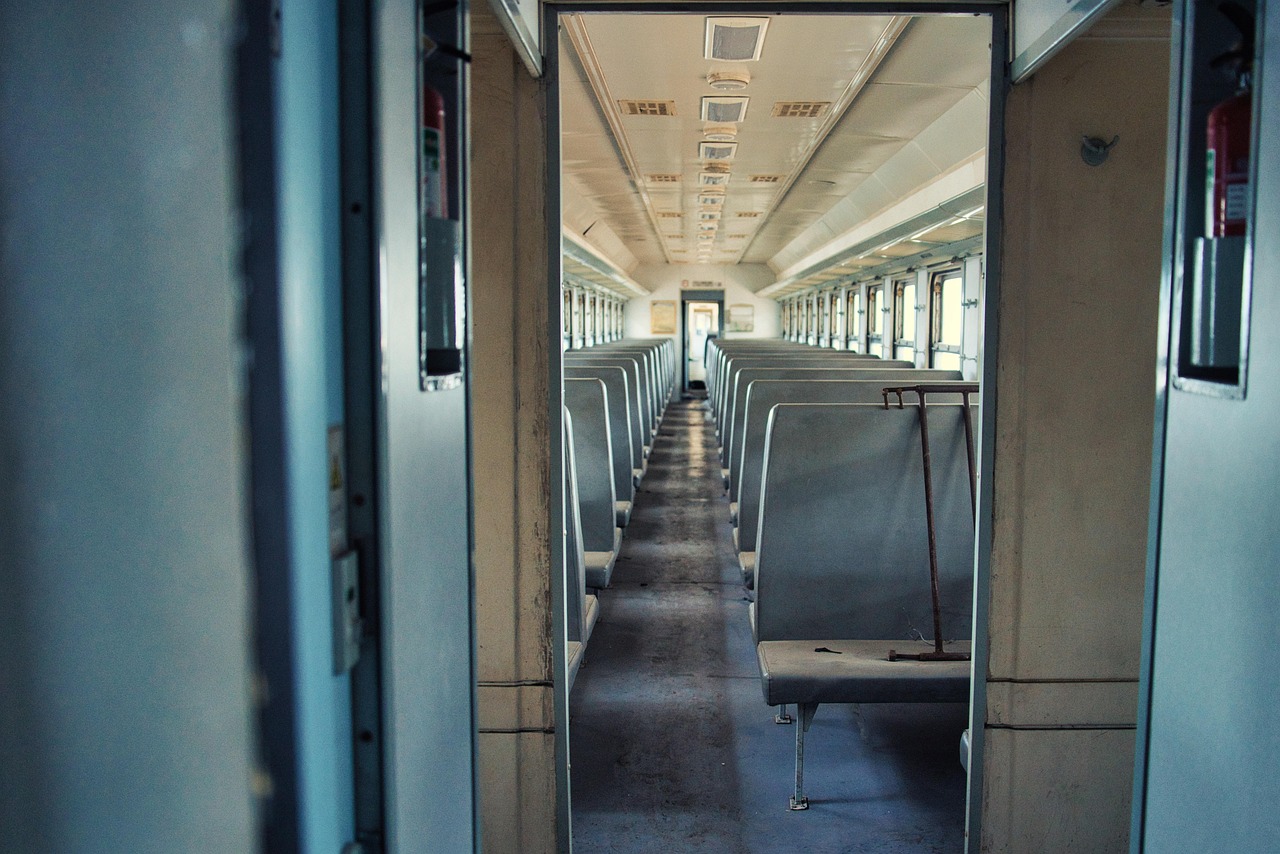
Despite years of exposure to the elements, the "bones" of the carriages—the intricate marquetry, the heavy brass, and the signature Art Deco silhouettes—were remarkably intact. Following two years of complex negotiations, the carriages were repatriated to France in a massive convoy, ready to undergo a transformation that would cost millions of dollars and require thousands of hours of painstaking labor.
A Masterpiece of Restoration: Art Deco Meets 21st Century Luxury
The task of reimagining these historic vessels fell to French architect Maxime d’Angeac. His philosophy was clear: he didn't want to create a museum piece, but a contemporary masterpiece that respected its heritage. "It is the reinterpretation of a legend," d’Angeac explained. "The goal was to evoke the spirit of the 1920s while providing the seamless comfort of a five-star hotel."
To achieve this, the project has enlisted a small army of heritage craftsmen. These experts are not just repairing the train; they are breathing life back into forgotten techniques of the interwar period.
Restoration Highlights
- Rinck & Jouffre: Master cabinetmakers and upholsterers tasked with recreating the intricate woodwork and velvet wall coverings.
- Morrison & Nelson Marquetry: Restoration of the original floral motifs and wood inlays that adorned the cabin walls.
- Lalique Crystal: Re-integrating the famous "Merles et Raisins" (Blackbirds and Grapes) glass panels that are synonymous with Orient Express luxury.
- Atelier Bournillat: Specialist painters working to replicate the deep, multi-layered lacquers of the original cars.

The restoration bridges the gap between 1925 and 2027 by hiding modern necessities—like high-speed Wi-Fi, climate control, and en-suite plumbing—behind secret panels of mahogany and silk. It is a "rolling theater" where the stage remains vintage, but the technology is cutting-edge.
Life Onboard: The New Carriage Experience
Stepping onto the restored Orient Express is intended to feel like a temporal shift. Every carriage has been designed to maximize the sensory experience, from the weight of the silver cutlery to the scent of the leather upholstery.
The Bar Car: The Heart of the Train
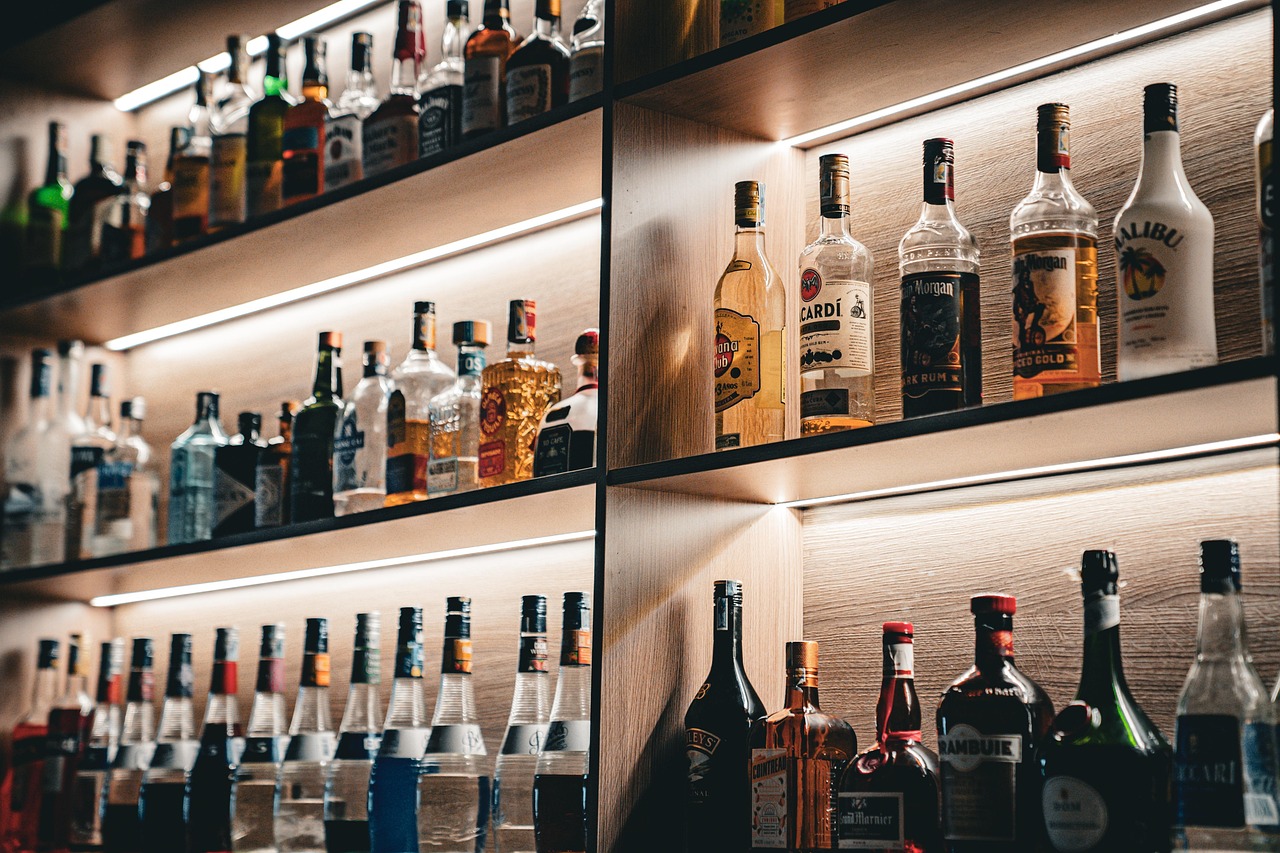
The Bar Car is the social epicenter of the journey. D’Angeac has introduced spectacular light domes inspired by the Second Empire style, which cast a warm, golden glow over the mahogany counter. The space features Lalique 'flower' lamps and deep-seated velvet armchairs, perfect for sipping a signature cocktail as the Alps roll by.
The Dining Car
The dining experience harks back to the golden age of rail travel. Mirrored ceilings make the narrow carriage feel expansive, reflecting the white tablecloths and crystal glassware. In a modern twist, the Dining Car features a theater-style open kitchen, allowing guests to watch world-class chefs prepare dishes that reflect the flavors of the route, from Parisian pastries to Ottoman-inspired delicacies.
The Suites: The "Great Transformation"
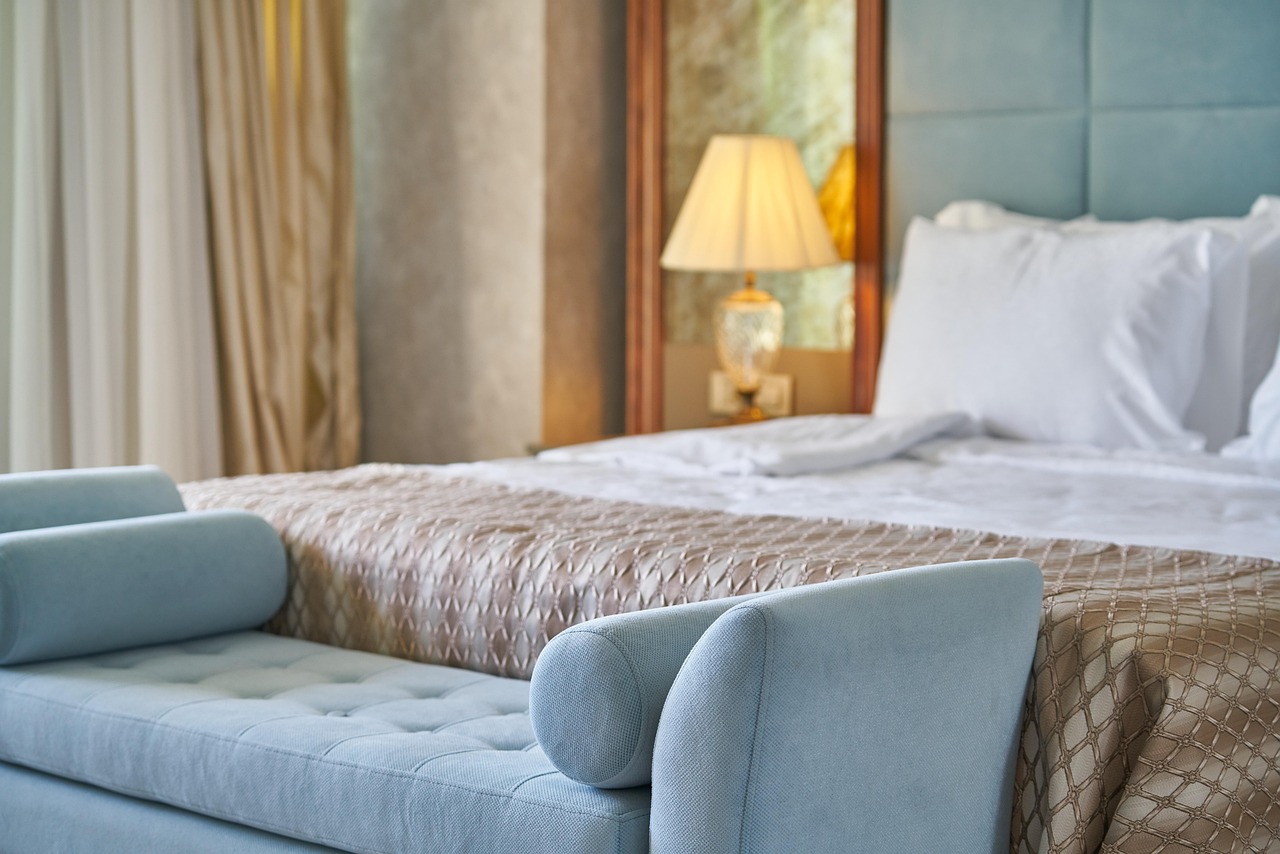
Perhaps the most impressive feat of engineering is found in the suites. During the day, the cabins appear as refined lounges with large sofas and writing desks. As night falls, a "Great Transformation" occurs—mechanics hidden within the walls allow the sofas to convert into plush, full-sized beds with the push of a button. Unlike the original 1920s cars, every suite now features a private marble en-suite bathroom, complete with a shower and luxury amenities.
Comparison: 1920s Specs vs. 2027 Modern Upgrades
| Feature | Original 1920s Specs | 2027 Accor Restoration |
|---|---|---|
| Bathrooms | Shared at the end of the hall | Private marble en-suites in all cabins |
| Connectivity | Telegrams via station stops | Integrated Wi-Fi & hidden charging ports |
| Climate | Coal-fired heating / Open windows | Silent, zoned air conditioning |
| Sleeping | Bunk beds (standard) | "Great Transformation" sofa-to-queen beds |
| Lighting | Gas lamps / Early electric | Atmospheric LED & Lalique crystal domes |
Planning Your Pilgrimage: The 2027 Routes and Beyond
While the 2027 relaunch focuses on the flagship Paris-to-Istanbul route, the Accor Orient Express Collection has even grander ambitions. This route is the ultimate pilgrimage for train enthusiasts, crossing through France, Germany, Austria, Hungary, Romania, and Bulgaria before reaching the shores of the Bosphorus.
Beyond the historic route, the brand is expanding its footprint across Italy with the Orient Express La Dolce Vita, which will connect Rome to Venice, Naples, and Sicily. This creates a network of luxury rail travel that allows travelers to experience Europe in a way that hasn't been possible for nearly a century.
Expert Insight: It is important to distinguish this project from the Venice Simplon-Orient-Express (VSOE) operated by Belmond. While the VSOE also uses vintage carriages, the Accor project is using the specific "Nostalgie" cars found in Poland and is focusing on the specific 1920s Art Deco aesthetic for its 2027 Paris-Istanbul relaunch. Both offer world-class luxury, but the Accor version promises a more technologically integrated and architecturally "reinvented" interior.
Explore the Accor Orient Express Collection →
Sneak Peek: The Paris Exhibition
If you cannot wait until 2027 to see the results of this monumental restoration, you're in luck. The interiors are currently on display in the heart of Paris. The Musée des Arts Décoratifs is hosting the '1925–2025: A Century of Art Deco' exhibition, which features full-scale mockups of the new Bar Car and Suites.
Running until April 26, 2026, the exhibition allows visitors to touch the fabrics, see the Lalique glasswork up close, and understand the sheer scale of the artisan labor involved. It is a rare opportunity to see the future of travel through the lens of the past.
FAQ
When can I book tickets for the 2027 Paris-to-Istanbul route? Official bookings have not yet opened, but Accor is expected to announce the reservation window in late 2025 or early 2026. You can sign up for their newsletter on the official Orient Express website to receive priority alerts.
How long does the Paris-to-Istanbul journey take? The historic journey typically spans six days and five nights, including several overnight stops and guided excursions in cities like Budapest and Bucharest.
Are children allowed on the new Orient Express? Yes, the train is designed to accommodate families, though the atmosphere remains sophisticated. The Suites are the recommended accommodation for those traveling with children due to their larger footprint.
Embark on the Legend
The return of the original 1920s carriages is more than just a win for luxury travel; it is a victory for historical preservation. As we approach the centenary of the 1925 Art Deco exhibition, there is no better way to celebrate than by watching these "lost" carriages return to their rightful place on the tracks. Whether you are a history buff, a design enthusiast, or a traveler seeking the ultimate slow-travel experience, the 2027 relaunch of the Orient Express is the event of a lifetime. Keep your eyes on the horizon—the legend is coming home.