Quick Facts
- Gold Standard Safety: Rome is one of the world's safest cities for celiacs because Italian law requires rigorous training for restaurateurs, and the national health system even provides monthly vouchers for gluten-free (GF) food to residents.
- The AiC Certification: Look for the Associazione Italiana Celiachia (AiC) logo. This isn't just a marketing sticker; it signifies that the kitchen has undergone specialized training to prevent cross-contamination.
- Dedicated Establishments: Rome boasts over a dozen 100% gluten-free bakeries, restaurants, and gelaterias, meaning there is zero risk of flour in the air.
- Language is Not a Barrier: "Senza glutine" (without gluten) and "Sono celiaco/a" (I am celiac) are phrases understood by almost every waiter in the Eternal City.
The Roman Paradox: A Sanctuary in the Land of Wheat
There is a particular kind of irony that settles in the heart of a traveler with celiac disease when they first contemplate a trip to Rome. It is the city of la dolce vita, certainly, but it is also the city of the supplì (risotto balls), the crispy scrocchiarella pizza, and the infinite varieties of pasta that seem to define the Roman spirit. For those of us who must navigate the world without gluten, Italy can initially feel like a beautiful, forbidden garden.
However, once you step onto the cobblestones of the Trastevere or breathe in the scent of roasting coffee near the Pantheon, the paradox reveals itself. Rome is not a minefield for the gluten-intolerant; it is a sanctuary. In a culture where food is considered a fundamental human right, excluding someone from the table is seen as a minor tragedy. Consequently, Italian restaurants prioritize celiac-level precautions—such as using separate boiling pots for pasta and dedicated fryers for appetizers—as a standard practice rather than an exotic request.
Whether you are looking for a silky Carbonara that clings to its noodles with Roman conviction or a Neapolitan pizza crust that blisters in all the right places, Rome offers a culinary experience that doesn’t just "accommodate" gluten-free diners—it celebrates them.
Why Rome is Safer Than You Think
To understand why Rome is so ahead of the curve, one must look at the institutional backbone of Italian dining. Italy maintains some of the world's most rigorous gluten-free standards, with the Associazione Italiana Celiachia (AiC) certifying thousands of venues to ensure safe dining for the estimated 1% of the population with celiac disease. This is a country where children are screened for celiac disease by age six and where the government provides a monthly stipend to those diagnosed to offset the cost of specialized foods.
The AiC program is the "North Star" for safe travel. Restaurants with the AiC sticker have kitchens that are inspected and staff that are educated on the nuances of cross-contamination—the microscopic crumbs that can turn a lovely dinner into a week of illness.
Understanding the Labels: A Guide to Safety
When navigating the streets of Rome, you will encounter two types of gluten-free friendly spots. Understanding the difference is key to your peace of mind.
| Feature | AiC Accredited (Certified) | Gluten-Free Friendly |
|---|---|---|
| Kitchen Standards | Mandatory separate prep areas and utensils. | May share prep areas; high risk of cross-contamination. |
| Staff Training | Official courses and regular inspections. | Informal knowledge; varies by establishment. |
| Menu Clarity | Clearly marked, often with a dedicated GF menu. | General "GF" markers on a standard menu. |
| Best For | Celiacs and highly sensitive individuals. | Those with mild intolerances or lifestyle choices. |
Essential Tools for the Gluten-Free Traveler
The modern celiac traveler has a secret weapon: the AiC Mobile App. It is an indispensable digital map that guides you to the nearest certified safe haven. While the full version requires a small fee (or membership), it is the most reliable database in the country.
Beyond technology, communication remains your best ally. Even in a city as international as Rome, a few choice words in Italian go a long way in ensuring your safety.
Pro Tip: Your Italian Vocabulary
- Sono celiaco/a: I am celiac (male/female).
- Senza glutine: Gluten-free.
- C'è contaminazione crociata?: Is there cross-contamination?
- Avete un menu a parte?: Do you have a separate menu?
The Holy Grail: Pizza Without Compromise
If you’ve spent years eating gluten-free pizza that resembles flavored cardboard, prepare for a revelation. In Rome, the gluten-free pizza movement has moved past "edible" and into the realm of "extraordinary."
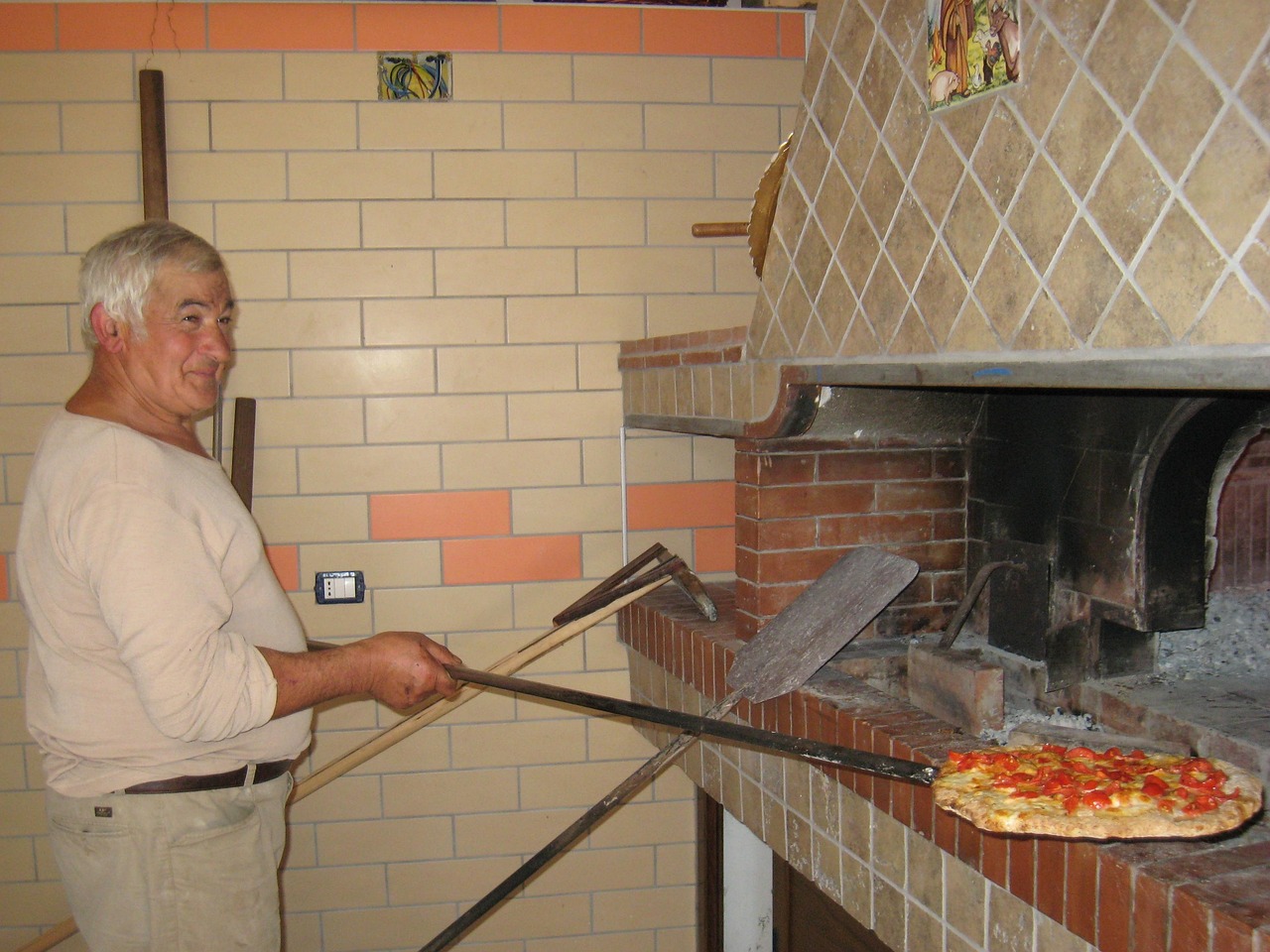
One of the shining stars of this movement is 3.0 Ciro Cascella. Here, the Neapolitan tradition is treated with religious fervor. They have mastered a gluten-free dough that yields a thick, airy, charred crust—what the Italians call the cornicione. It is soft, elastic, and carries the distinct tang of high-quality fermentation.
Another local favorite is Mama Eat, located in the heart of Trastevere. What makes Mama Eat unique is their "double kitchen" philosophy. They have two completely separate cooking lines—two ovens, two sets of pans, two chefs—to ensure that no speck of wheat ever touches a gluten-free order. Their menu is vast, offering everything from deep-fried calamari to wood-fired pizzas that are indistinguishable from their gluten-filled counterparts.
For a more casual, central experience near Campo de' Fiori, Voglia di Pizza has been serving the celiac community for decades. Their thin-crust Roman-style pizza is a staple for travelers who want to sit outside, sip a glass of Frascati, and watch the world go by without a worry.
Traditional Roman Pasta & Trattorias
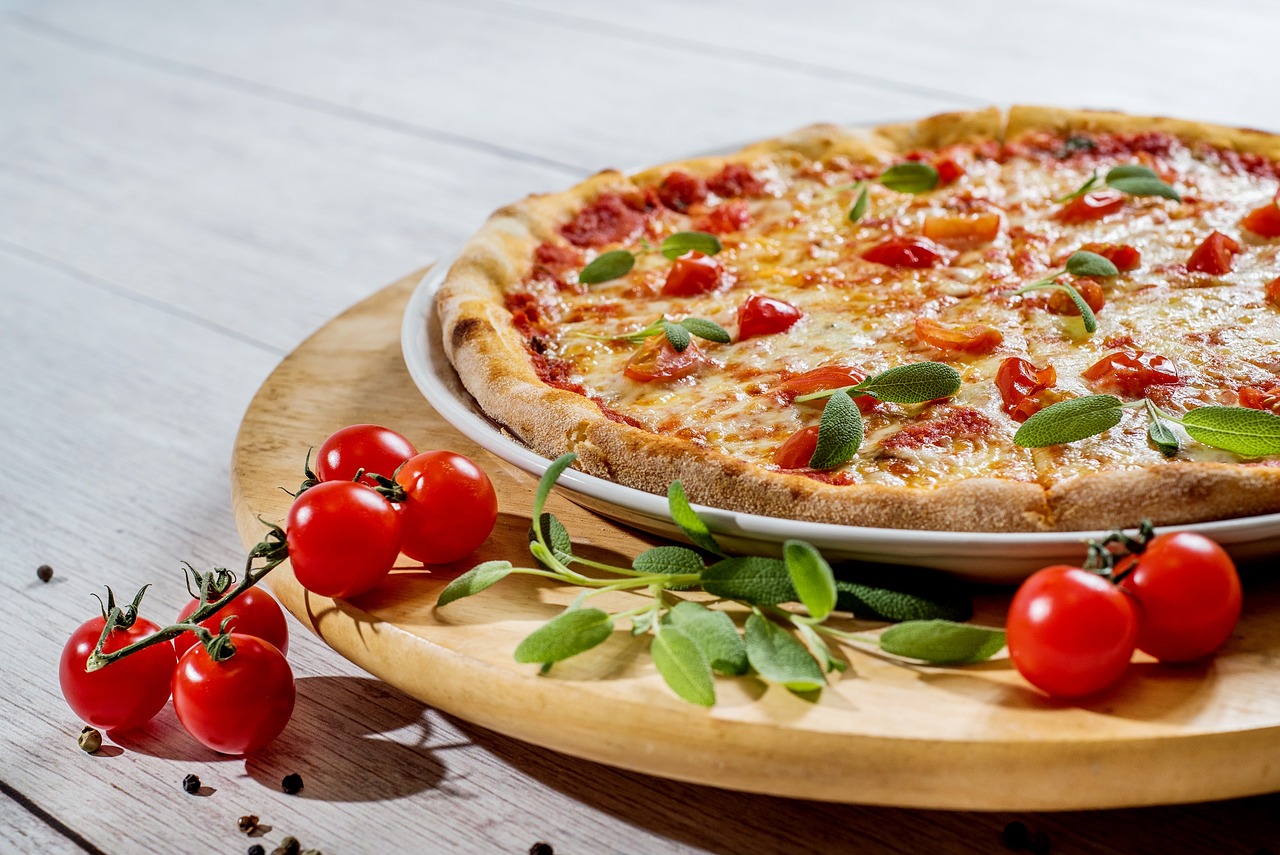
To eat in Rome is to eat the "Four Roman Pastas": Carbonara, Cacio e Pepe, Amatriciana, and Gricia. For the gluten-free traveler, finding a kitchen that can execute these with GF pasta al dente is the ultimate goal.
Armando al Pantheon is a legendary institution. Located just steps from the ancient temple, it is surprisingly welcoming to celiacs. Because they focus on seasonal, traditional ingredients, many of their dishes are naturally gluten-free, and they offer high-quality GF pasta substitutes for their iconic sauces.
If you are willing to venture slightly off the beaten path to Monteverde, Trattoria da Cesare al Casaletto is essential. This is where the locals go. They are famous for their fritti (fried starters). In most cities, a celiac would have to skip the fried appetizers, but here, the supplì and fried gnocchi can be prepared safely, allowing you to experience the full Roman ritual of starting a meal with something golden and crispy.
For a touch of whimsy and incredible inclusivity, Ristoro degli Angeli in the Garbatella neighborhood offers mezze maniche (short tube pasta) that is remarkably textured. Their dedication to the craft means you never feel like an afterthought; you are a guest of honor.
Bakeries & Breakfast (Cornetti)
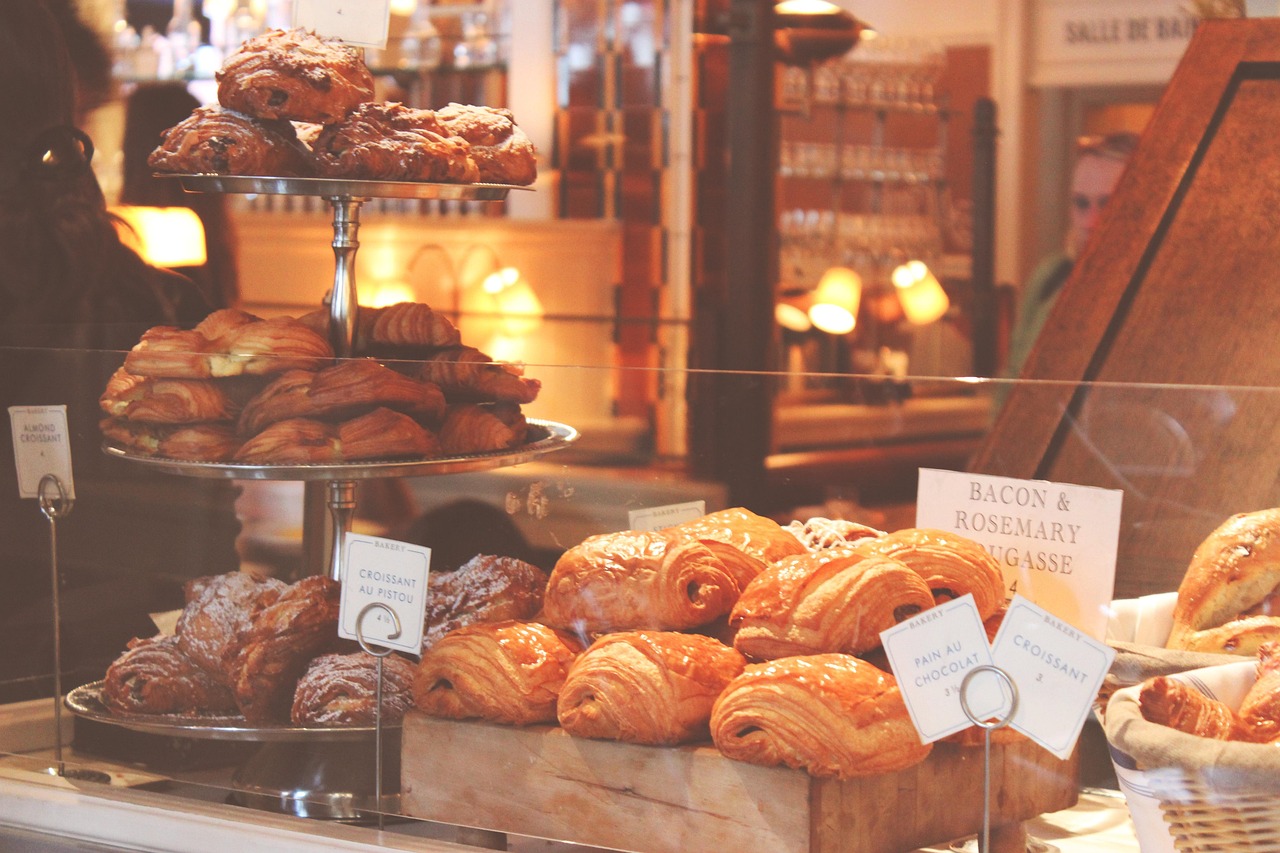
In Italy, breakfast is a standing affair: a quick espresso and a cornetto (the Italian cousin of the croissant). For years, this was the hardest meal for celiacs to replicate, but Rome’s dedicated bakeries have changed the game.
New Food Gluten Free is a revelation. With multiple locations across the city, these are 100% gluten-free environments. Walking in and being able to order anything behind the glass—from savory pizza bianca to cream-filled cornetti—is a liberating experience. Their crust is flaky, their fillings are rich, and the smell of fresh yeast is intoxicating.
Near the Vatican, you will find Le Altre Farine Del Mulino. This bakery is a temple to the pistachio cornetto. The pastry is light and buttery, shattering into a thousand pieces with every bite, exactly as a pastry should.
For those who want to stock up on supplies, Celiachiamo is more than a bakery; it’s a gluten-free supermarket and laboratory. It is the gold standard for fresh bread in Rome, offering everything from baguettes to traditional Roman sweets that are safe for everyone.
Gelato: The Cone Matters
In most of the world, gelato is safe, but the cone is the enemy. In Rome, the "Cone Matters." Many of the city's finest artisanal gelaterias have embraced the celiac community by offering certified gluten-free cones and ensuring their flavors are not thickened with flour.
Grom is perhaps the most famous safe choice. This chain is 100% gluten-free nationwide. Every cone, every biscuit topping, and every flavor is safe. While it is a chain, the quality remains high, and the peace of mind is total.
For the more adventurous palate, Gelateria Torcè offers over 100 flavors, ranging from classic chocolate to savory options like gorgonzola or celery. They provide corn-based gluten-free cones that are sturdy and delicious. Meanwhile, Fatamorgana remains a darling of the Roman food scene. Their shops clearly label every flavor with allergens, and their artisanal approach results in flavors that are pure, intense, and often naturally gluten-free.

Shopping & Self-Catering
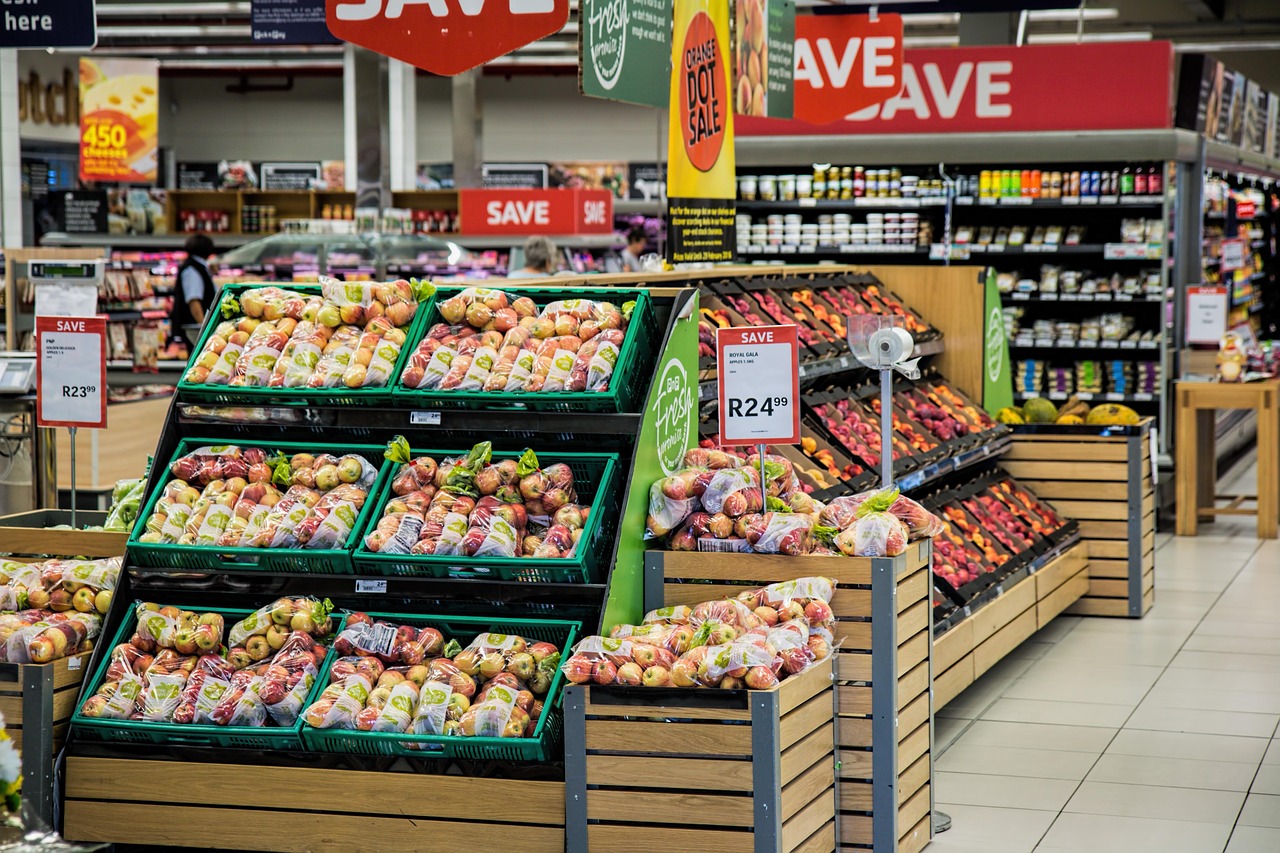
If your Roman holiday involves an Airbnb with a kitchen, you are in luck. Rome is home to over a dozen 100% gluten-free dedicated establishments, but even the standard grocery stores are a treasure trove.
Look for the "Senza Glutine" sections in major supermarkets like Coop, Conad, and Pam. You will find entire aisles dedicated to GF pasta, biscuits, and crackers. Interestingly, Italian pharmacies (farmacie) also play a vital role. Because celiac disease is treated as a medical condition, pharmacies often stock high-quality, specialized gluten-free brands that you won't find in a typical grocery store. Look for the "spiga sbarrata" (crossed grain symbol) on the shelves.
Pro Tips for Dining Out in Rome
- Reservations are Key: For popular spots like Armando al Pantheon or Da Cesare, booking weeks in advance is necessary. When you book, mention "una persona celiaca" in the notes. This allows the kitchen to prepare.
- The Beer Warning: Many European "gluten-free" beers are actually "gluten-removed" (made with barley and treated with enzymes). If you are highly sensitive or prefer naturally GF beers (made from buckwheat or sorghum), always ask to see the bottle and check the ingredients.
- The Bread Basket (Pane): Most Roman restaurants charge a coperto (cover charge) which includes bread. If they bring a standard bread basket to the table, politely decline and ask if they have "pane senza glutine." Many AiC restaurants will bring you a separate, sealed package of GF rolls or crackers.
FAQ
Is it safe to eat at "non-certified" restaurants in Rome? Many restaurants in Rome are knowledgeable, but if you have celiac disease, the risk of cross-contamination in a non-certified kitchen is higher. Always communicate your needs clearly and look for reviews from other celiacs on apps like Find Me Gluten Free.
Is gluten-free food more expensive in Italy? In restaurants, there is sometimes a small surcharge (usually €1–€3) for gluten-free pasta or pizza dough. In supermarkets, prices are comparable to other European cities, though slightly higher than standard wheat products.
Does Italian gluten-free pasta taste different? Actually, many travelers find it superior. Italian brands like Rummo and Barilla use high-quality corn and rice blends that maintain an al dente texture better than many corn-only or lentil-based pastas found elsewhere.
Conclusion: A Seat at the Table
Traveling as a celiac often feels like being an outsider looking in—watching others indulge while you settle for a side salad. But in Rome, the city invites you in. It hands you a fork, pours you a glass of wine, and places a steaming plate of Carbonara in front of you that looks exactly like everyone else's.
Rome proves that a dietary restriction doesn't have to be a restriction on your experience of a culture. It is a city that understands that the joy of a journey is found in the flavors we share. So, walk through those ancient gates with confidence. The Eternal City is ready to feed you.