Quick Facts
- Effective Date: Mandatory Real ID enforcement begins May 7, 2025, but the specific $45 identity verification fee takes effect on February 1, 2026.
- The Cost: Travelers without a compliant ID must pay a $45 fee for the TSA Confirm.ID service, a significant increase from the initially proposed $18 levy.
- Validity Window: Once paid, the TSA Confirm.ID receipt remains valid for 10 days, covering most standard round-trip itineraries.
- Processing Time: The automated verification process, utilizing biographical and biometric data, is estimated to take between 10 to 15 minutes at the checkpoint.
- Current Impact: TSA data indicates that fewer than 6% of travelers currently arrive at airport checkpoints without an acceptable form of identification.
The New Reality of Airport Security Fees
For decades, arriving at a TSA checkpoint without a driver's license was a stressful but ultimately free ordeal. Travelers would fill out a manual form, answer a few questions about their past addresses or vehicle registrations, and—after a pat-down and some extra screening—be sent on their way. That era of taxpayer-funded leniency is drawing to a close.
Starting February 1, 2026, travelers who arrive at the airport without a Real ID-compliant document or a valid alternative will be required to pay a $45 fee to access TSA Confirm.ID. This modernized identity verification service marks a fundamental shift in how the Department of Homeland Security (DHS) handles domestic travel security. Rather than relying on manual labor and third-party databases funded by the general public, the TSA is shifting the financial burden directly onto the traveler.
This policy change follows the broader implementation of the Real ID Act. While the final deadline for states to ensure all residents have compliant IDs is May 7, 2025, the TSA is providing a short "grace period" before the financial penalty kicks in. This transition period is designed to allow the public to adapt to the new digital infrastructure being installed across the nation's 430+ federalized airports.
What is TSA Confirm.ID?
TSA Confirm.ID is not merely a "lost ID fee"; it is a sophisticated, automated identity verification platform. When a traveler lacks a physical Real ID, the system attempts to verify their identity through a combination of biographical data and biometric scans. This typically involves facial recognition technology that compares a live photo taken at the checkpoint against existing government records.
The service is intended for two primary groups: those who have not yet upgraded their state-issued license to a Real ID-compliant version, and those who have lost or forgotten their identification entirely. By automating the process, the TSA aims to reduce the "bottleneck" effect currently caused by manual identity verification, which often requires a supervisor and can take upwards of 30 minutes during peak travel times.
It is important to note the scale of this change. According to current TSA data, fewer than 6% of travelers arrive at checkpoints without an acceptable form of ID. However, as the Real ID deadline of May 7, 2025, approaches, the TSA expects a temporary surge in travelers needing these alternative verification methods. By implementing a fee, the agency is essentially creating a "user-pay" model for those who have not complied with the federal mandate.
Cost, Validity, and Timeline
The financial specifics of this new policy have been a point of contention among travel advocacy groups. The TSA initially proposed an $18 fee for the service, but the final rule set the price at $45. This increase reflects the operational costs of maintaining high-speed biometric databases and the specialized hardware required at every security lane.
One small consolation for frequent flyers is the validity window. The $45 TSA Confirm.ID payment remains valid for 10 days. This means if you lose your wallet at the start of a week-long business trip, you can use the same receipt for your return flight without paying the levy a second time.
| Key Milestone | Date |
|---|---|
| Real ID Enforcement Deadline | May 7, 2025 |
| TSA Confirm.ID Fee Start Date | February 1, 2026 |
| Fee Amount | $45.00 |
| Validity Period | 10 Days |
| Estimated Processing Time | 10–15 Minutes |
The timeline is critical for travelers to understand. Between May 2025 and February 2026, you may still be required to use the Confirm.ID process if you lack a Real ID, but you likely won't be charged the fee until the February 1, 2026 hard launch. After that date, the fee becomes a mandatory prerequisite for anyone cleared through the automated identity system.

Step-by-Step: What Happens if You Forget Your ID?
If you find yourself at the airport after February 1, 2026, without a compliant Real ID, the process for catching your flight will look significantly different than it does today. The TSA has designed a streamlined, smartphone-centric workflow to handle these cases.
- QR Code Initiation: Upon reaching the document checker and realizing you lack a compliant ID, you will be directed to scan a QR code prominently displayed at the checkpoint.
- Payment and Information Entry: This code will take you to a secure TSA portal where you will enter your biographical details (Name, DOB, Social Security Number, etc.) and pay the $45 fee via credit card or digital wallet.
- Automated Verification: The system then cross-references your data with federal and state databases. At many airports, this will be paired with a biometric facial scan at a specialized kiosk.
- Verification Window: This process is estimated to take an average of 10 to 15 minutes. However, during periods of high system traffic, travelers should expect longer waits.
- Receipt Generation: Once verified, the system generates a digital receipt. You will show this to the TSA officer, who will then perform a final check before allowing you into the standard screening lane.
Expert Tip: The $45 fee is non-refundable. If the system is unable to verify your identity—due to data mismatches or lack of records—you will not get your money back, and you will likely be denied entry to the sterile area of the airport. Always ensure your biographical data matches your government records exactly.

How to Avoid the $45 Fee: Acceptable Alternatives
The most effective way to navigate these new regulations is to ensure you never need the TSA Confirm.ID service. While many focus on the "Real ID" driver's license (the one with the gold or black star in the upper right corner), several other documents are equally valid and will exempt you from the $45 fee.
Primary Acceptable Identifications:
- Real ID-Compliant Driver's License: Issued by your state's DMV.
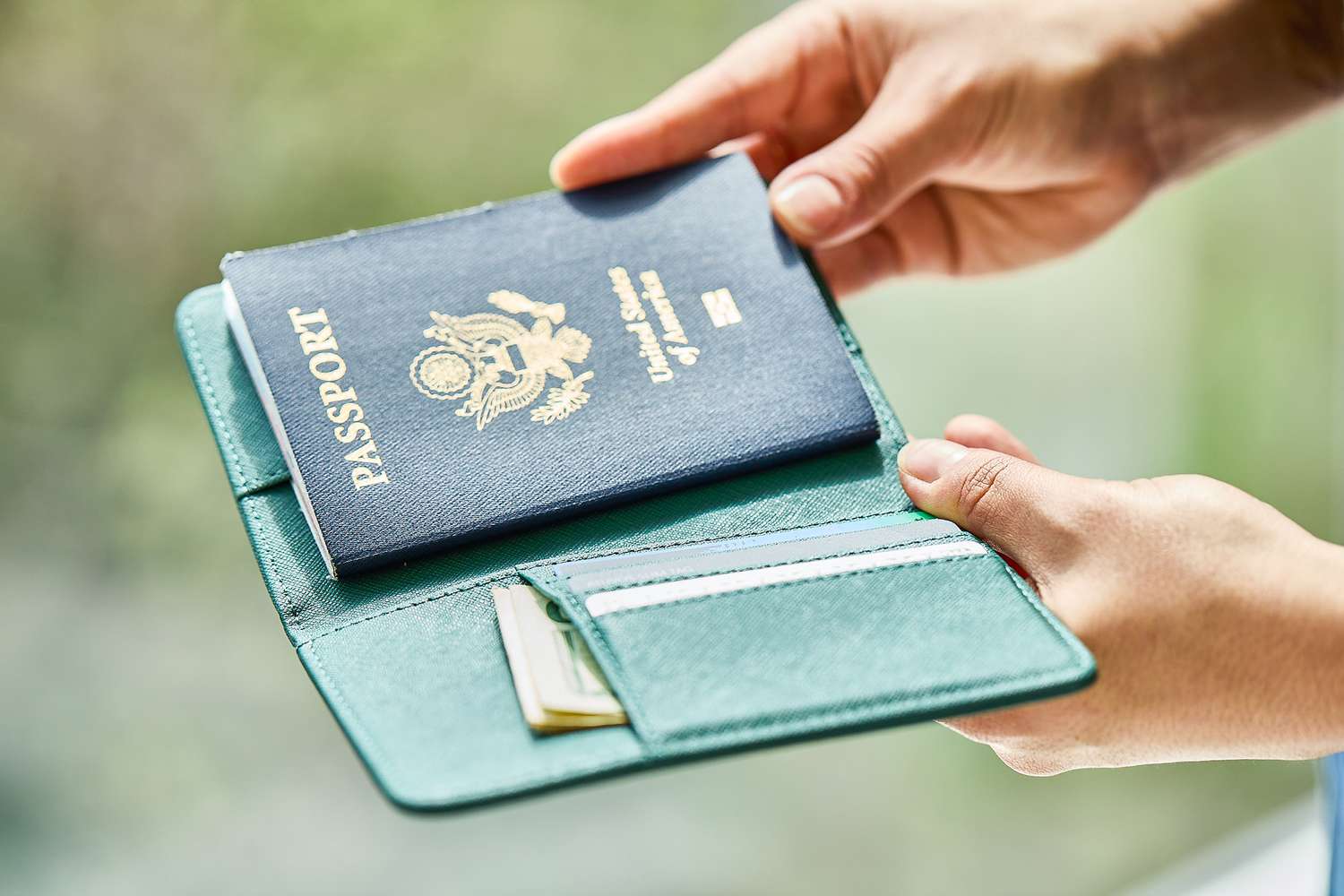
- U.S. Passport or Passport Card: The "gold standard" for identity.
- DHS Trusted Traveler Cards: Global Entry, NEXUS, SENTRI, and FAST cards are all fully compliant.
- U.S. Department of Defense ID: Including IDs for active duty, retirees, and dependents.
- Permanent Resident Card: (Green Card).
- Enhanced Driver’s License (EDL): Currently issued by Michigan, Minnesota, New York, Vermont, and Washington state.
Digital and Emerging Options: As of late 2024, the TSA has begun accepting digital IDs stored in Apple Wallet or Google Wallet for residents of specific states (such as Arizona, Maryland, and Georgia). However, even with a digital ID, the TSA recommends carrying your physical compliant card, as not all airport checkpoints are equipped with the necessary digital readers yet.
Check if your ID is compliant on the official TSA website →
The Wright Perspective: A Necessary Evolution or a Travel Tax?
From a critical standpoint, the introduction of the $45 fee is a double-edged sword. On one hand, it addresses a long-standing security vulnerability. The "manual verification" process was always a weak link in the security chain, susceptible to human error and social engineering. By shifting to a biometric-led, automated system, the TSA is undeniably hardening airport security.
On the other hand, for the infrequent traveler or those in marginalized communities who may face hurdles in obtaining a Real ID, this fee represents a significant "travel tax." For a family of four who forgets their IDs or hasn't upgraded, a $180 penalty just to reach the security scanner is a steep price to pay.
As we approach 2026, my advice is simple: do not wait for the May 2025 deadline to upgrade your identification. The closer we get to the enforcement date, the longer the wait times at local DMVs will become. Secure your Real ID now, or better yet, invest in a U.S. Passport, which remains the most versatile travel document in your arsenal.
FAQ
Q: If I have a valid U.S. Passport, do I still need a Real ID driver's license?
A: No. A valid U.S. Passport is a fully acceptable alternative to a Real ID for domestic flights. If you travel with your passport, you do not need to upgrade your state license to avoid the $45 fee.
Q: Does the $45 fee apply if I have TSA PreCheck?
A: Yes. TSA PreCheck is a "Trusted Traveler" program that speeds up the physical screening process (shoes on, laptops in bag), but it does not exempt you from the identification requirements. If you do not have a Real ID or passport, you will still have to use TSA Confirm.ID and pay the fee, even if you are a PreCheck member.
Q: What happens if the TSA system goes offline? Will I still be charged?
A: In the event of a widespread system outage, the TSA typically reverts to manual verification protocols. While official policy on fee waivers during outages has not been fully detailed, historically, the agency does not penalize travelers for federal equipment failures.
Ready to ensure your next trip is seamless? Check your state's Real ID status today and avoid the last-minute scramble at the airport.