Quick Facts
- The Route: The seasonal service between Dallas-Fort Worth (DFW) and Brisbane (BNE) covers approximately 8,300 miles, making it the longest flight in American Airlines' current global network.
- The Hardware: The "78P" configuration of the Boeing 787-9 Dreamliner introduces the Adient Ascent platform, featuring 51 Flagship Suites, all with sliding privacy doors.
- The "Preferred" Advantage: The Flagship Suite Preferred (bulkhead seats) offers approximately 20% more space and width than standard suites, featuring an open ottoman rather than a narrow footwell.
- Enhanced Sleep: Preferred Suite passengers receive an upgraded Nest bedding kit, including two pillows and a memory foam lumbar cushion, compared to the single pillow in standard business class.
Spanning nearly 17 hours in a pressurized tube is the ultimate litmus test for any aviation product. When American Airlines announced its new Flagship Suite, specifically the "Preferred" bulkhead seats on the refreshed Boeing 787-9 (78P), it wasn't just launching a new chair; it was attempting to redefine its long-haul identity. The route from Dallas-Fort Worth (DFW) to Brisbane (BNE) serves as the grueling stage for this debut. As a critic who has spent a significant portion of my life at 35,000 feet, I approached this journey with a mix of technical curiosity and healthy skepticism. Is a "Business Plus" product truly a replacement for First Class, or is it merely clever marketing of bulkhead space?
The core of the experience lies in the seat architecture. American has opted for the Adient Ascent platform, a move that aligns them with some of the world’s most prestigious carriers. However, they’ve added a tiered twist. While all 51 suites in the cabin feature sliding doors, the front-row bulkhead seats—marketed as "Flagship Suite Preferred"—offer a tangible upgrade in physical real estate. For a flight that lasts nearly three-quarters of a day, those extra inches aren't just a luxury; they are a necessity for physiological well-being.
The Ground Experience: Terminal D and the DFW Flagship Lounge
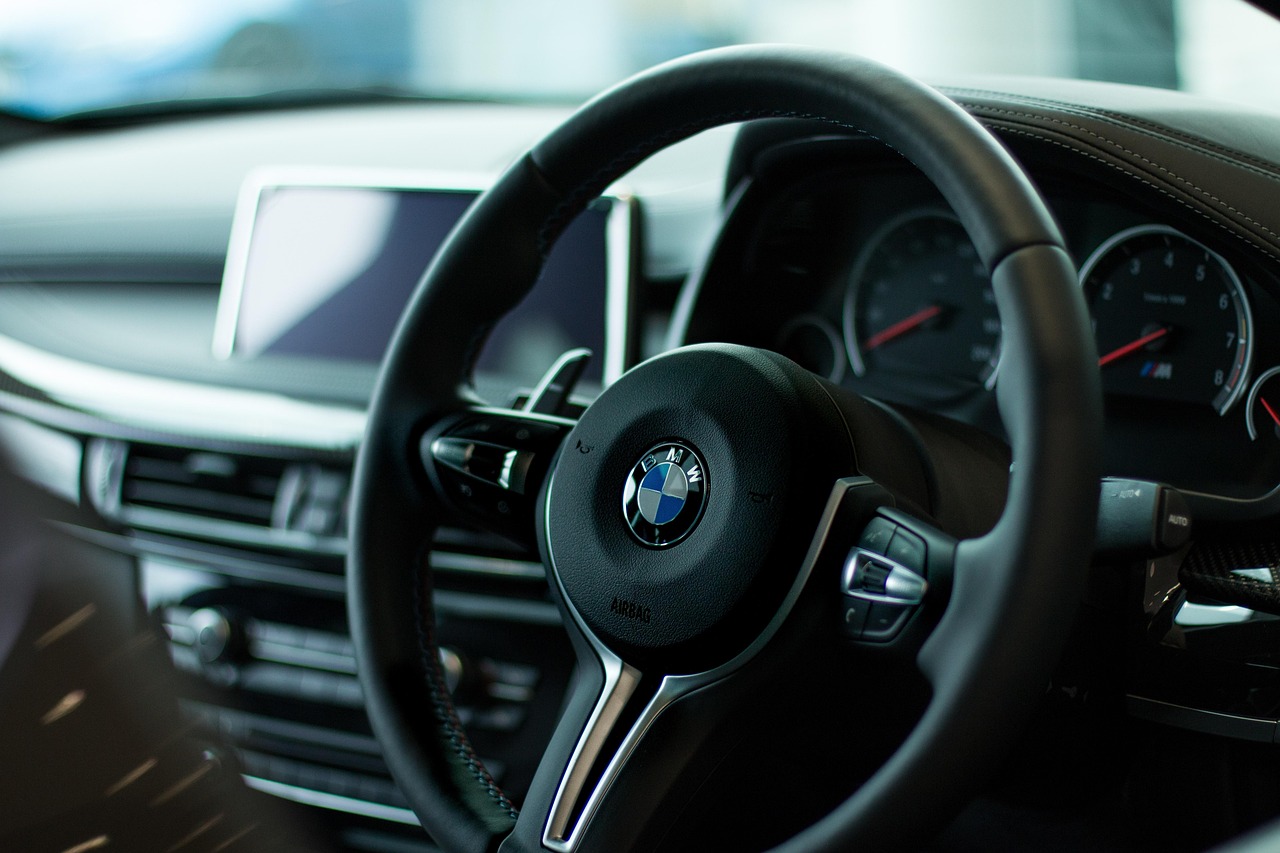
Before the 17-hour marathon begins, the DFW Terminal D experience provides a necessary sanctuary. For those booked in the Flagship Suite, the process begins at the dedicated Flagship Check-In—a private, frosted-glass enclave that removes the friction of the main terminal. The speed of the VIP security escort cannot be overstated, particularly during the DFW evening rush.
The Flagship Lounge itself remains one of the stronger hubs in the North American network. Spanning a massive footprint on the second floor of Terminal D, it offers a variety of zones ranging from high-energy dining to silent "nap pods." However, a point of objective criticism: Flagship First Dining, the sit-down restaurant experience, remains restricted to passengers on qualifying international First Class routes (largely London). This creates a slight disconnect for those paying a premium for the "Preferred" Suite on the Brisbane route, as they are relegated to the high-quality, yet self-service, buffet.
The shower suites are the unsung heroes of the DFW ground experience. Equipped with high-end D.S. & Durga products and thick, absorbent linens, they offer the last chance for a full "refresh" before the long trans-Pacific haul. For a 17-hour flight, I highly recommend a late shower just before boarding to reset the circadian rhythm.
The Suite Specs: Standard vs. Preferred Suites
The "78P" Boeing 787-9 features a dense but thoughtfully designed cabin. The primary distinction every traveler needs to understand is the delta between the standard suite and the Preferred bulkhead. In my measurements and analysis, the Preferred suite is not just a "front row" seat; it is a significantly different ergonomic experience.
The standard Flagship Suite is excellent—featuring a sliding door, 4k screens, and direct aisle access. However, like most modern staggered configurations, the footwell in standard seats is constrained by the seat in front. In contrast, the Flagship Suite Preferred utilizes the space usually reserved for a galley or closet to provide an open-air ottoman.
| Feature | Standard Flagship Suite | Flagship Suite Preferred |
|---|---|---|
| Seat Width (Bed Mode) | ~21 inches | ~25 inches (approx. 20% more) |
| Footwell Design | Tapered cubby hole | Full-width open ottoman |
| Storage | Dual cabinets + side shelf | Enhanced side console + extra storage |
| Bedding Kit | Single pillow + Nest duvet | Two pillows + thick Nest bedding |
| Privacy | Sliding door (standard height) | Sliding door + deeper bulkhead wall |
The Preferred seats (located at the front of each cabin section) offer roughly 42% more surface area on the side consoles and 19% more total sleeping space due to the lack of a footwell restriction. For a traveler over six feet tall, this is the difference between sleeping on one's back and being forced into a fetal position.
In-Flight Comfort and Sleep Quality
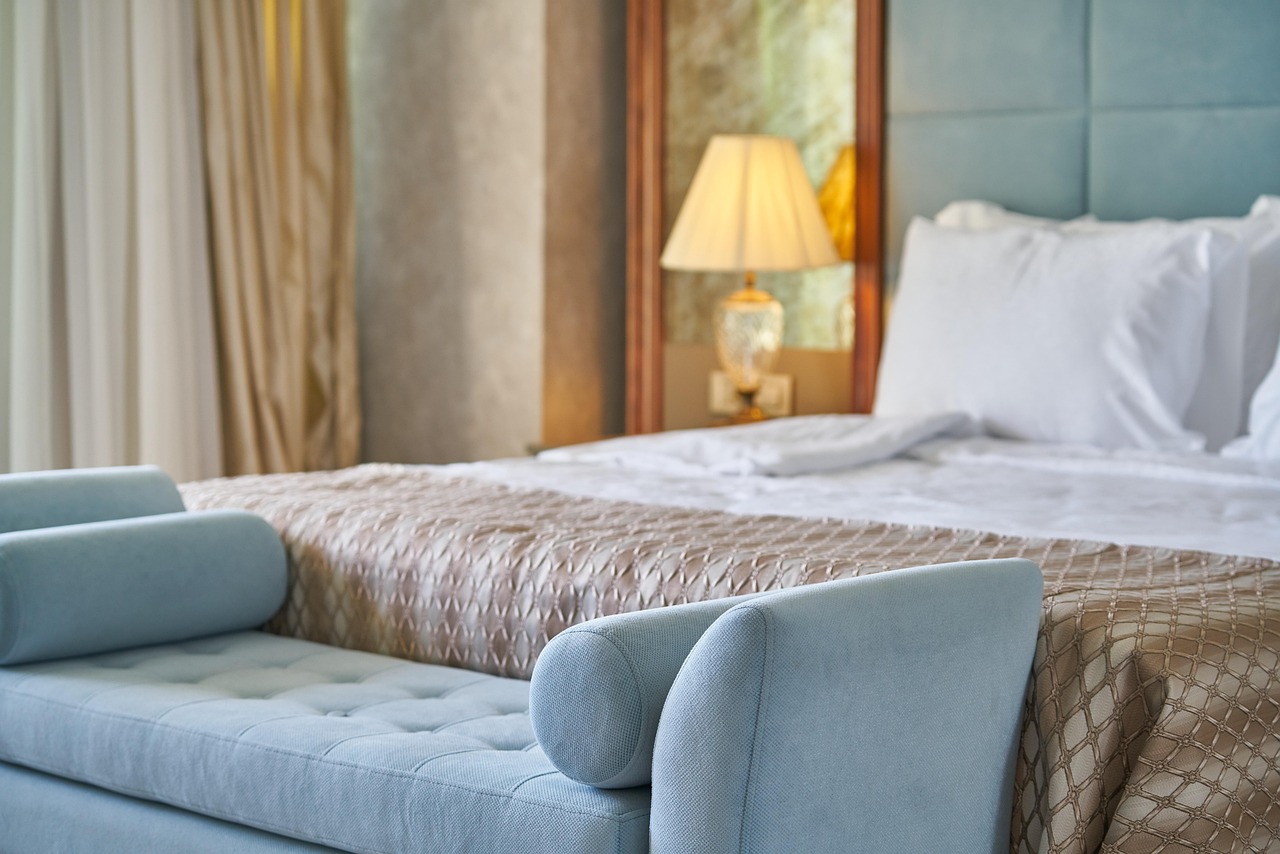
On a 17-hour flight, sleep isn't a luxury; it’s the primary activity. This is where American’s partnership with Nest Bedding and the specific "Preferred" amenities shine. While standard business class passengers receive a single pillow, those in the Preferred suites are greeted with a "sleep kit" that feels closer to a traditional First Class offering.
The kit includes a standard pillow, a smaller lumbar/support pillow, and an extra-thick quilted duvet that provides a much-needed layer of padding over the seat joins. I found the lie-flat chaise lounge mode particularly effective. Rather than just being "up" or "down," the seat allows for a "z-mode" that elevates the knees, reducing pressure on the lower back during the 17-hour journey.
Pro-Tip: The "No Service" policy is strictly enforced when your door is closed and the "Do Not Disturb" light is activated. If you want mid-flight snacks or water refills without leaving your suite, ensure your door is slightly ajar.
The privacy provided by the sliding doors is substantial. While they don't reach the ceiling like Emirates' First Class, they sit high enough to block the sightline of any passing passenger or crew member. It creates a "cocoon" effect that is essential for psychological comfort when sharing a cabin with 50 other people for nearly a full day. The addition of the Raven + Lily leather dopp kits—featuring Joanna Vargas skincare—helps combat the notorious dehydration of the Dreamliner’s cabin air (though the 787's higher humidity levels already give it an edge over the 777).

Technology: Genius Touches and Quirks
American has spent three years developing this iteration of the Adient Ascent, and the technical refinements are evident. One of the most "genius" touches is the angled wireless charging pad. Most airlines place wireless chargers flat on a table, making the phone unusable while charging. AA’s version is angled toward the passenger, allowing you to monitor notifications or watch your own content while the device powers up.
The integration of Bluetooth audio is another significant leap forward. Pairing my AirPods Pro was seamless, though the provided Bang & Olufsen noise-canceling headphones are of high enough quality that many won't feel the need to switch. The 17.3-inch 4K screen is crisp, though I noted a peculiar design choice: the bezel around the TV is quite large, which makes the screen feel slightly smaller than the 20-plus-inch monitors found on competitors like Qatar or ANA.
Connectivity on the DFW-BNE route was surprisingly stable, considering the vast stretches of empty ocean. Wi-Fi pricing remains consistent at around $25 for a full-flight pass, which, for 17 hours of connectivity, represents fair value for the business traveler.

Culinary Journey: The 17-Hour Menu
Feeding passengers for 17 hours is a logistical challenge. The DFW-BNE menu is structured as a primary meal service after takeoff, a mid-flight snack menu, and a breakfast service before arrival.
I cannot emphasize the importance of the pre-order strategy enough. On long-haul flights like this, catering is precise. If you don't pre-order your meal via the app at least 24 hours in advance, you run a high risk of your first choice being unavailable by the time the crew reaches your row.
- The Main Event: I opted for the herbed chicken with mushroom risotto. The chicken remained remarkably moist—a rarity in aviation—and the risotto had a respectable texture.
- The Signature: The American Airlines ice cream sundae remains a staple. It’s a simple pleasure, but the ability to customize it with hot fudge and nuts at 38,000 feet provides a nostalgic comfort that high-concept "deconstructed" desserts often lack.
- The Mid-Flight Gap: Between hours 6 and 12, a walk-up bar is stocked in the galley with hummus, fruit, and sandwiches. For those who prefer to stay in their suites, the "sliders" (small wagyu beef or veggie burgers) can be ordered on demand.
The wine list, curated by AA’s master sommelier, featured a particularly robust Argentinian Malbec that paired well with the smoked beef brisket option—a nod to the airline's Texan roots.

The 'Peculiar' Service Reality
Service on a 17-hour flight undergoes a visible transformation. In the first two hours, the crew is highly active and efficient. During the "dark hours" over the Pacific, the service becomes more reactionary. This is where the Flagship Suite's design choices come into play.
There is a slight operational quirk regarding the suite doors. Per FAA regulations, they must be locked in the open position for takeoff and landing. On my flight, there was some confusion among the crew about when exactly they could be unlocked for passenger use. Additionally, the "sandal bracket"—a small storage nook near the floor—is a clever touch for storing footwear, yet it's easily missed by passengers if the crew doesn't point it out.
The service felt professional and objective. It lacked the personalized "storytelling" of Singapore Airlines, but it was highly effective. On a flight this long, most passengers prefer to be left alone, and the crew seemed to respect the "sanctity of the suite."
Conclusion: The Final Verdict
The American Airlines Flagship Suite Preferred is a significant evolution for the carrier. By using the Adient Ascent platform, they have finally reached parity with the "Big Three" Middle Eastern and Asian carriers in terms of hard-product privacy.
Is it worth the extra cost or miles for the "Preferred" seat? Absolutely. On a 17-hour flight, the 20% increase in width and the open footwell of the bulkhead are not merely marginal gains; they are the factors that determine whether you arrive in Brisbane ready for a board meeting or ready for a hospital bed. While the soft product (service and food) still has room for the kind of "wow factor" found on Qsuites, the hardware is now undeniably world-class.
Explore American Airlines Flagship Suites →
FAQ
Q: Is the Flagship Suite Preferred a separate class of service? A: No, it is technically part of the Business Class cabin, but it carries a "Preferred" designation due to its bulkhead location and extra space. It often requires an additional fee or a higher fare class to reserve.
Q: Does every Boeing 787-9 have these new suites? A: No. Only the newly delivered or retrofitted 787-9s (internally referred to as the 78P configuration) feature the Flagship Suite with doors. Older configurations still feature the Concept D or Super Diamond seats without doors.
Q: Can I use my own Bluetooth headphones? A: Yes, the new 78P entertainment system allows for direct Bluetooth pairing with devices like AirPods, Bose, or Sony headphones, eliminating the need for a wired adapter.
Q: How do I ensure I get a "Preferred" suite? A: Look for the bulkhead rows (typically Row 1 and the first row of the second cabin section) on the seat map. They will be clearly labeled as "Flagship Suite Preferred."